Bear Roots Farm: Building Resilience Through Diversification in Central Vermont
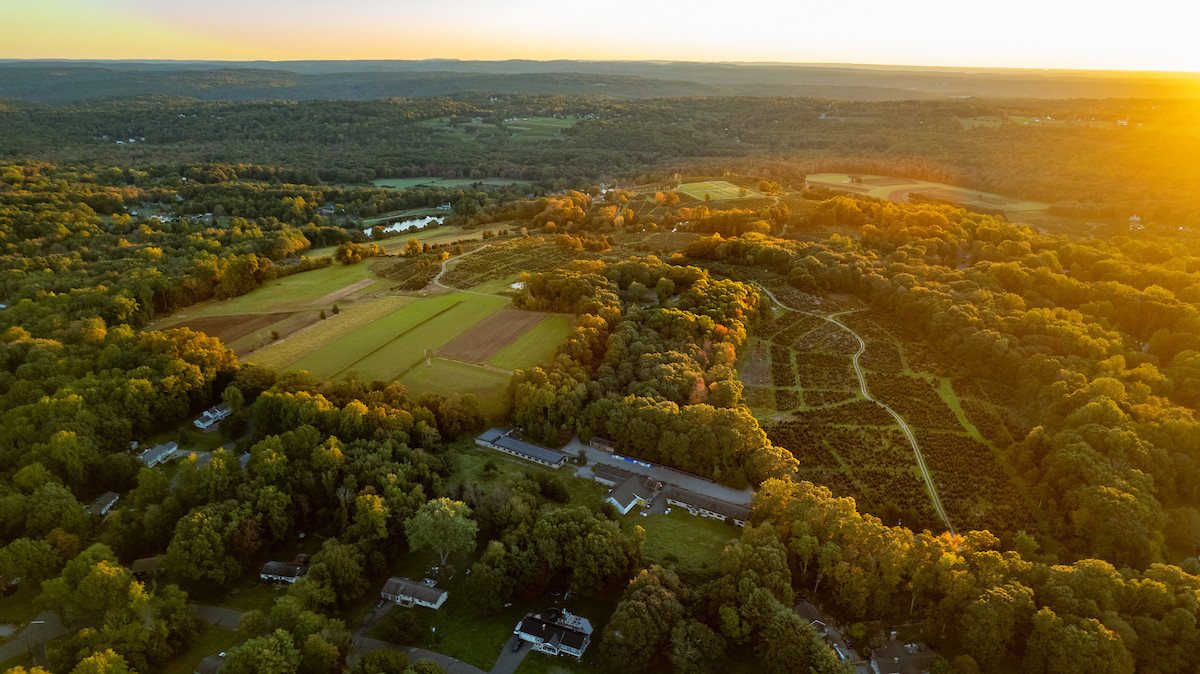
On two farm properties in central Vermont, the farmers behind Bear Roots Farm - Jon Wagner and Karin Bellemare - are managing more than 300 acres of land where they grow diversified vegetables for a large CSA, raise a small herd of beef cattle, operate a nursery, and run a year-round general store that serves as a community hub.
The farm’s path to Vermont began in 2010 on eastern Long Island, where the couple started with a $50 rototiller and an acre plowed in their backyard. What began as a small experiment quickly grew into a 10-acre CSA operation, but access to land on Long Island felt financially out of reach.
In 2014, through the Vermont Land Trust’s Farm Access Program, they purchased an 87-acre conserved farm in Barre for $150,000. As the business expanded, they later acquired a second 250-acre property in Williamstown to allow for broader crop rotation, pasture, and worker housing. At its height, their CSA reached nearly 200 members.
In 2019, they took on another ambitious project: purchasing and renovating a long-abandoned general store at a busy crossroads between Montpelier, Stowe, and Sugarbush. Today, the store operates year-round, selling their farm’s vegetables alongside other locally sourced goods such as, beer, wine, and dairy products. An apartment upstairs provides rental income, serving as another layer of financial stability.

That layered, diversified model has become central to their approach to climate resilience.
When the Water Came
In 2023, extreme flooding devastated farms across Vermont. At Bear Roots Farm, roughly 80 percent of vegetable crops were lost.
“You’re looking out the window and seeing a foot of water wiping out roads and washing topsoil away,” Jon recalled.
Fields that had been carefully built up over years of cover cropping and soil improvement were inundated. Nearby, a neighboring farm lost a swath of prime agricultural land entirely when floodwaters carved a deep ravine through the middle of a field.
“It was just gone,” Jon said. “You can’t replace that.”
The financial fallout lingered long after the water receded. Emergency funding helped cover some payroll and expenses, but it arrived slowly. The farm ultimately carried operating loans and tax burdens for years after the disaster.
“It’s not insurance that saves you in the emergency,” says Jon. “It’s friends, family, community. Government help eventually comes, but it’s not immediate.”
For Bear Roots Farm, the flood did not introduce climate uncertainty but rather confirmed it.
“Since we started farming, all I’ve ever known is extreme weather,” Jon said.
Diversification as Climate Strategy
Engaging in climate adaptation planning with NOFA-VT staff through American Farmland Trust's Planning for Adaptation and Resilience to Climate Change initiative, Bear Roots Farm began formalizing strategies they were already exploring: spreading risk across enterprises and shifting toward more perennial systems.
“If you get hit with something that extreme, there’s not much you can do to prevent it,” Jon explains. “But in our business model, we can diversify so we’re not completely all in on one thing.”
That diversification includes expanding perennial plantings such as blueberries, raspberries, elderberries, and native trees and shrubs. The goal is twofold: stabilize soil with deeper root systems and develop a nursery enterprise that can generate income through plant sales.

Perennials, unlike annual vegetable crops, anchor soil year after year without repeated tillage. They are less vulnerable to erosion during heavy rain and offer long-term production potential.
“Tillage is disruptive,” says Jon. “Having crops that are here every year, putting roots down and holding soil - that’s impactful.”
The farm also utilizes twelve 30-by-100-foot high tunnels to grow seedlings and produce crops in a more controlled environment. Greenhouse production reduces exposure to intense rainfall and allows for more predictable yields.
As Jon explains, “There’s a lot more control. If something happens in the field, at least you still have these other things supporting you.”

Soil Health and Its Limits
For years, Bear Roots Farm has invested heavily in soil health, rotating crops across properties seven miles apart to reduce pest and disease pressure. Fields sit fallow under cover crops for multiple years, building organic matter and resilience.
That strategy has paid dividends during dry seasons. During the recent drought, their high-organic-matter soils retained enough moisture that the farm did not need irrigation.
According to Jon, “We do well in dry years because we’ve built up that soil.”
But the floods revealed an unexpected tradeoff.
When heavy rains persisted week after week, fields with high organic matter held water so effectively that planting became nearly impossible. Even high tunnels flooded when the ground beneath them was saturated. Trenches were dug by hand inside the greenhouses to drain standing water.
“Our soil health actually hurt us more than it helped us in that situation,” says Jon. “It was holding so much water that it just sat there.”
The experience underscored the complexity of adaptation in an era of extremes. Practices that buffer against drought may amplify challenges during prolonged flooding.
“There’s no perfect system,” Jon said. “You’re constantly adjusting.”
Community as Resilience
If diversification strengthens the business, community strengthens the farm.
The general store, which was rebuilt from a sagging, nearly condemned structure, has become a cornerstone of resilience. Local customers make up the majority of sales, and their consistent support provides stability when field production falters.
“When we flooded, that store helped keep us going,” Jon said.
The CSA model also creates shared investment in the farm’s success. Members understand that some seasons will be leaner than others.
“None of this happens without the community,” says Jon.
Looking Ahead
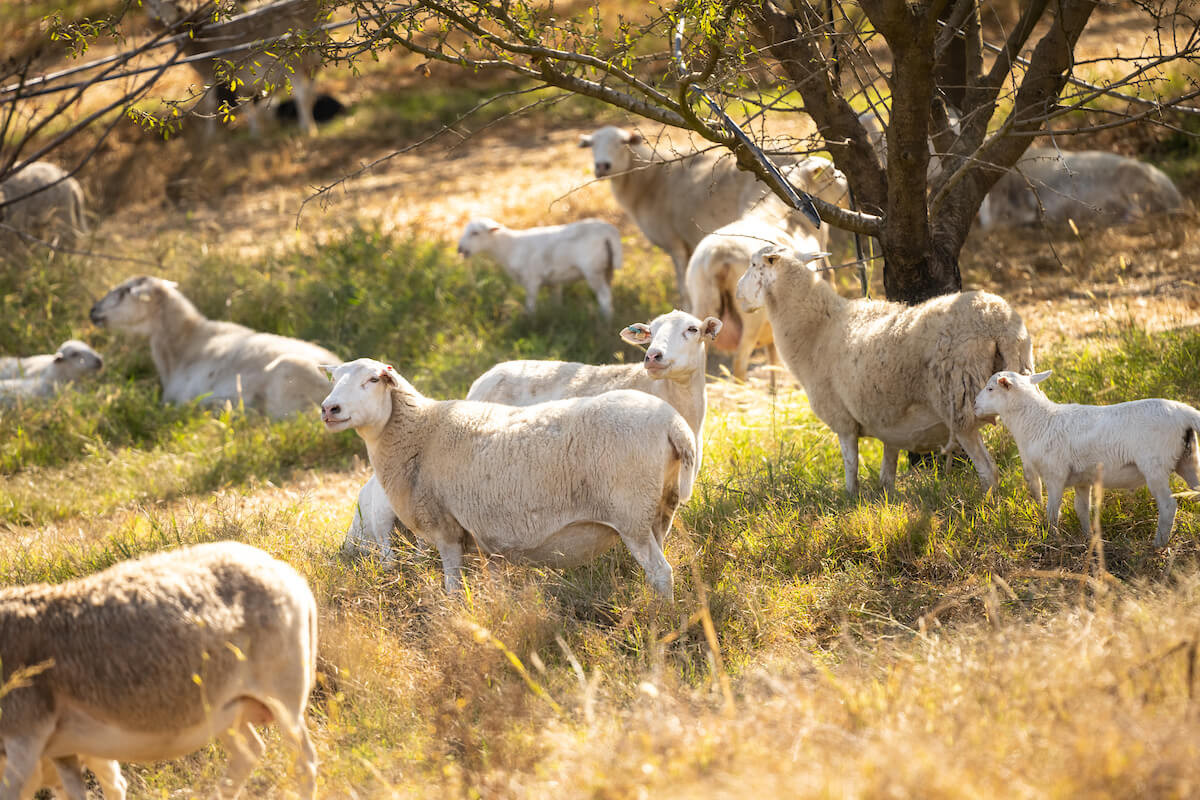
Climate resilience at Bear Roots Farm is not a single conservation practice or infrastructure project. It is a mosaic: diversified enterprises, perennial systems, greenhouse production, soil stewardship, livestock integration, and a retail outlet that connects directly with customers.
It is also an ongoing negotiation with uncertainty. “You think you have one thing down, and then ten other things go wrong,” Jon said. “Every year is different.”

Still, despite the mounting challenges of extreme weather, rising costs, and financial pressures, the commitment remains.
“I love what I do,” Jon said. “We’re just going to keep trying to do our best.”
Bear Root’s adaptation plan is one of eight developed through the Planning for Adaptation and Resilience to Climate Change (PARCC) project, a collaborative effort between AFT, NOFA-VT, and UVM Extension designed to help Vermont farmers strengthen resilience to extreme weather and shifting growing conditions. The project’s goals include co-creating practical tools for climate planning, integrating farmer perspectives, and providing both technical and financial assistance. By sharing stories like Bear Roots’, PARCC aims to demonstrate what climate adaptation looks like in practice and to inspire peer-to-peer learning across the region. Read more about AFT New England’s work helping farmers address challenges caused by extreme weather here.