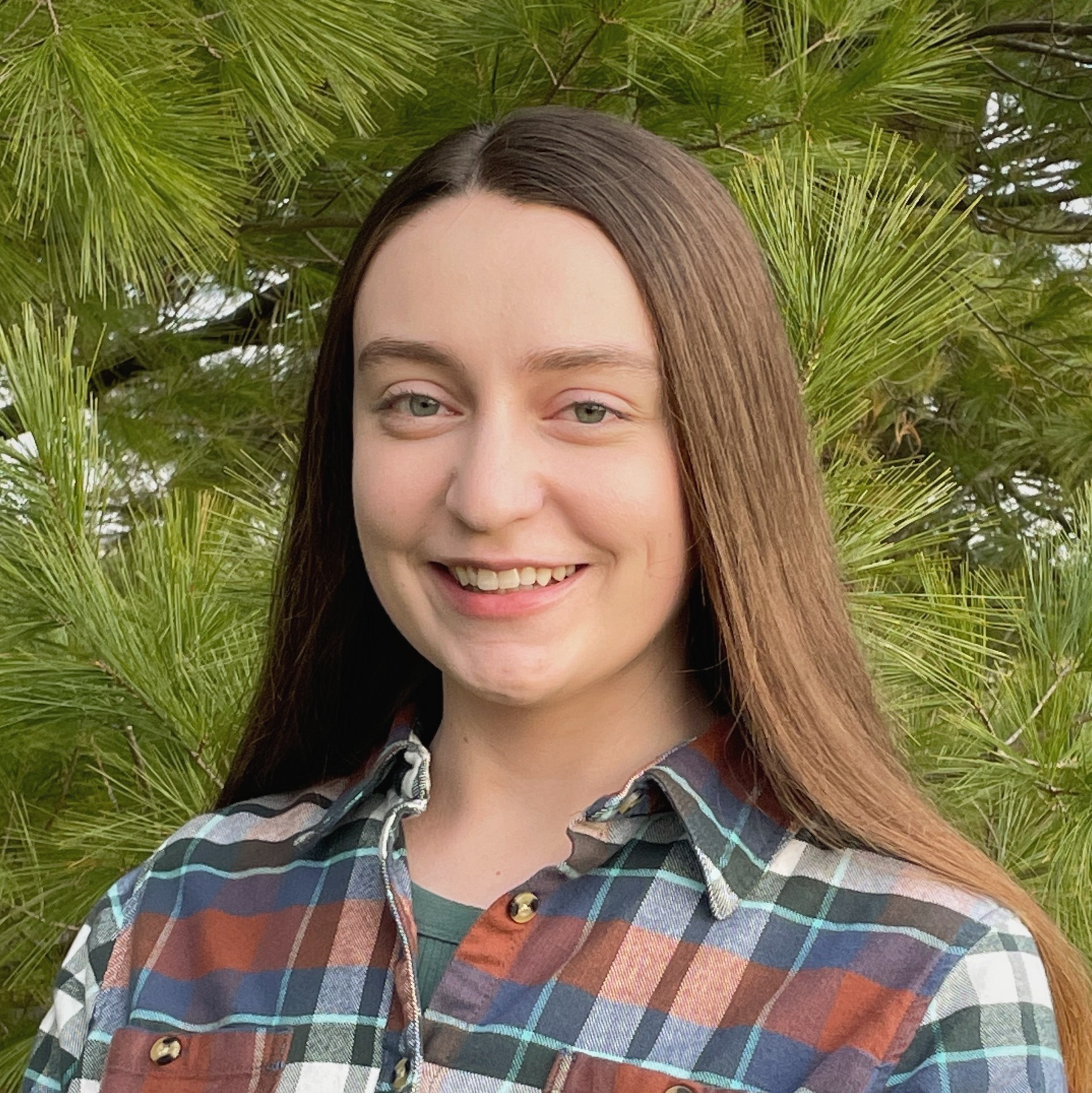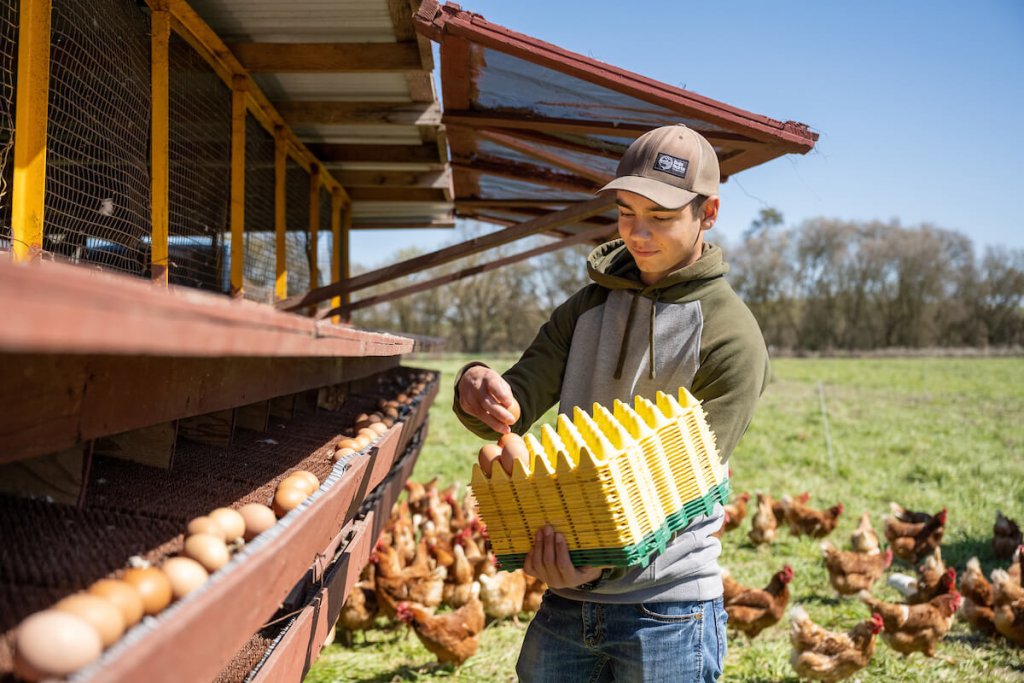

Since starting with American Farmland Trust in June, I have worked with farmers across the state of Illinois through our Farmer-Led Advances in Soil Health (FLASH) program. Attending the FLASH group meetings, I’ve met many passionate conservationists dedicated to protecting farmland for future generations, a sentiment very personal and important to me. I grew up in Ramsey, a small town in south-central Illinois. My family has been farming in the area since around the 1850s; my great-grandmother grew up on the same farm as I did. My dad still farms the land, maintaining an operation of corn, soybeans, and beef cattle.

Back to My Roots
Agriculture is in my blood, but I can’t say that it was always my intended career path. I started out at the University of Illinois studying business. I enjoyed my classes, but I felt like I was missing a personal connection.
I decided to branch out and take an agricultural history class. I read about attitudes regarding agricultural land use, and I took an interest in the philosophies of early conservationists. I was surprised to learn that over half of the U.S. population lived on farms and ranches in the 1850s, compared to less than 2% of the population today.
I have many cherished memories of growing up on the farm, from riding in the buddy seat of my dad’s combine after school to bottle feeding piglets. When I realized just how unique my upbringing was, I wanted to help preserve the ‘farm kid’ experience for future generations. I knew that I would feel fulfilled by helping farmers in my career, so I refocused my studies on agriculture.

FLASH Forward
I started my career with Soil and Water Conservation Districts, both in Champaign County and then back home in Fayette County. Through these experiences, I met numerous farmers who were passionate about conservation, and I became interested in finding out the “why” in all their stories. When asked about his ‘why’, my dad answered he started using cover crops and no-till in 2018 to control gully erosion on one of his fields. It worked, and he was pleasantly surprised with the weed suppression benefits the following year. Seven seasons later he now plans to plant green into standing cover crops in the spring of 2026. I am proud of the practices my dad has implemented and the positive impact on Illinois soil health and water quality on our family farm. I want to help others do the same.
No matter what your “why” is for implementing conservation practices, often the hardest part is making the initial change. AFT saw the need for support between experienced conservationists and newcomers, and the FLASH program aims to build peer-to-peer networks to empower farmers to take the next steps in their conservation journeys. Who better to learn from than your neighbors who may have years of conservation experience under their belts, and who farm with the same soil conditions, weather, and geography as you?
Currently, there are five FLASH groups: Black Slough Watershed, Hillsboro Lakes/Glen Shoals Watersheds, Jo Daviess Soil and Water Health Coalition, Lake Mattoon/Lake Paradise Watersheds, and Vermilion Headwaters Watershed Partnership. Through some of the FLASH group meetings I have attended in the past few months, I’ve seen some great examples of farmers helping other farmers, from pest control recommendations, equipment sharing, and nutrient management tips. I hope that all who attend these meetings learn something new and feel a stronger sense of community knowing that conservation agriculture is often a team effort, and there are people around to provide a helping hand.
One of those is Jack Tosetti, who farms in Montgomery County, Illinois. Jack has experienced many changes in agriculture over the years, from shelling corn in corn cribs in the 50s to experiencing the droughts in the 80s. Through these periods of change, Jack learned that conservation practices are crucial to preserving resilient farmland for future generations. According to Jack, “We have a great responsibility to be for stewardship, and we need to make sure that we pass this on that way. We need to practice conservation in a big way, because that’s what’s going to keep us going.”

Batch & Grow
With support from AFT, the FLASH groups also offered the new Batch & Grow Program this past season. Cover crop mixes and application methods were chosen by each FLASH group based on what works best in their local watershed. AFT worked directly with local contractors and covered the seed and application costs to reduce the administrative and financial burden on farmers. This fall, 62 farmers across Illinois enrolled over 8,000 acres. Nearly half of the participants had less than three years of experience using cover crops, and I’m excited that so many were encouraged to try something new through the program. Others have only used cover crops ahead of soybeans before; 45% of total acres in the program will be seeded ahead of corn. Farmers with more than 3 years of cover crop experience were still able to try something new, whether that be a different mix or drone seeding.
It has been a difficult year for farmers, with grain prices down and dry weather leading to dangerous harvest conditions and unfavorable cover crop growing conditions in the fall. Though it would be easier to continue business as usual and not invest in new conservation practices, these farmers know their ‘why’ and are staying the course. I am always inspired by meeting passionate farmers and learning the “why” behind their dedication to conservation. Without them, I would not be working to help protect farmland for future generations.