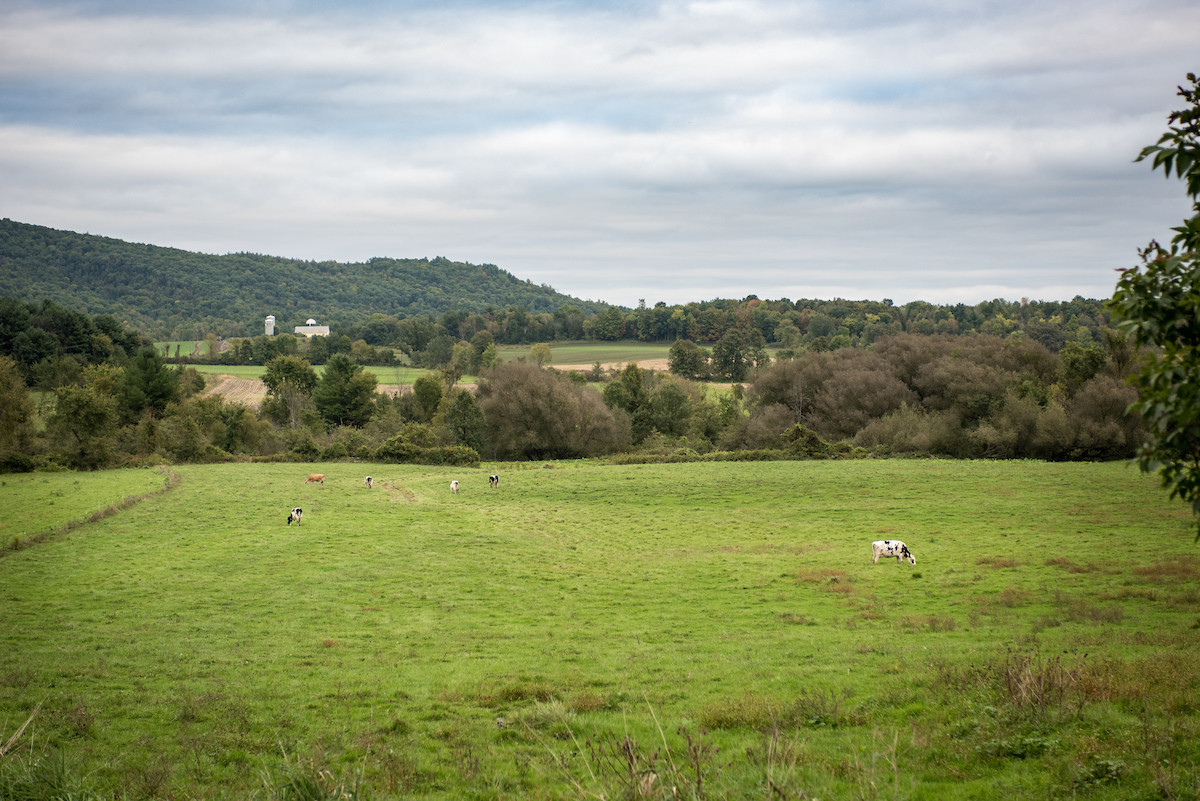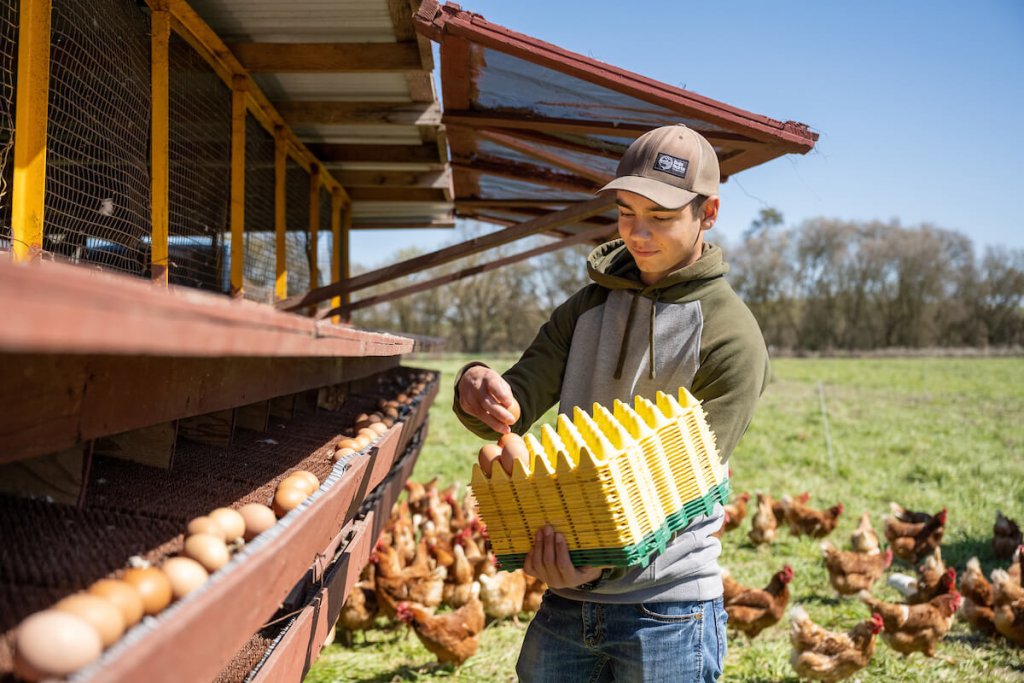

Access to land remains one of the greatest challenges facing new and beginning farmers. While the number of those farmers in the United States increased, many are still struggling to compete for the land that is increasingly more expensive and consolidated into large existing farms. The challenge is especially prevalent in New York, where a third of our farmers are 65 and older and own two million acres set to change hands in the coming years.
This is where creative land access opportunities can make a difference. Farmer interest in exploring collaborative and cooperative land access is growing. On Farmland for a New Generation website, 40% of active farm seekers indicate a collaborative and cooperative model as a preferred tenure option. By sharing resources, skills, and responsibilities, these models can reduce barriers to entry, lower the cost of land, and make the challenges of managing an agricultural enterprise more manageable.
To help farmers, land seekers, and service providers better understand these models, we developed a three-part webinar series exploring three main challenges:
What are appropriate organizational structures?
What relational skills do people need for collaboration?
How can individuals build personal wealth within a collaborative project?
Check out the recorded sessions with key takeaways and lessons learned below!
Session 1: Mitigating the High Cost of Land through Cooperative and Collaborative Models
Jonah Fertig-Burd, who has years of experience in the cooperative ecosystem, led our first webinar. He was joined by Jack Hornickel of the Pace Law School, Muhidin Libah from the Somali Bantu Community in Maine, and Frances Yu of West Branch Commons. Muhidin and Frances shared their journey of collaborative land access, and Jonah and Jack delved into the structures and ways to approach collaboration in Land Access.
One takeaway: While the law places constraints on how collaborative efforts can be structured, there is no recipe or structure to fit all situations. The most important ingredients in any individually structured situation are the relationships, and trust people develop with one another.

Session 2: Building a Relational Culture to Succeed in Collaborative Land Access
Trust, and willingness to work collaboratively, takes time. For those of us who envision benefits of collaboration, this reality is a frustration; we would like to see working collaborative projects NOW. Overall, the operating mantra for this session could be summarized 'people first, structures second.'
People who are ideologically committed to collaboration may stumble in practice because they do not have appropriate relational tools. Our culture promotes individualism. Yet many skills are needed, and no one person has them all, so it makes sense to work in collaboration. This may be the toughest challenge, and we reached out to Cedar Landsman of Relational Uprising and Maggie Cheney at Rock Steady Farm to share their insight and experience with relational challenges faced by those working collaboratively.
They presented numerous examples of how focusing on relationships and interdependence among members of a community is better than focusing on transactional outcomes that ask, "What is in it for me?"
Maggie and Cedar emphasized making adequate time and being deliberate about communicating, making explicit where people have differences and where people are aligned, and where people agree or disagree, while focusing on the goal of making things work for the good — --and shared goals — --of the community. This requires time and practice, and is an ongoing process of constantly checking in, making sure everyone is heard, and all needs are recognized and acknowledged.
This kind of open communication may reveal that collaboration is not working, and collaborators' ability to decide to stop can be seen as a success.
Session 3: Building Personal Wealth Within a Collaborative Land Access Project
In the third webinar in the series, we invited Nicole Tommell of the Cornell Cooperative Enterprises program and Dave Rifenburgh of Farm Credit East to address the last question: how to build wealth within a collaborative land access project. This is an interesting question, given that cooperative land access de-emphasizes building wealth through land value appreciation. Nicole invited us to reconsider how we see personal wealth, expanding our definition beyond monetary wealth. Collaboration offers benefits of increased quality of life, which is a form of wealth. In addition to reducing the cost of acquiring land, people working together can support each other to reduce the costs of childcare, elder care, and transportation. That said, we cannot ignore the need to build monetary wealth. Both Nicole and Dave urged anyone farming, whether individually or collaboratively, to add a line item in their expenses budget that goes directly to a retirement account as well as to paying taxes, part of which become the farmer's social security benefits in the future.

Keep the Conversation Going: The best solutions emerge when we engage, listen, and collaborate.
At Farmland for a New Generation New York, we’re continuing to explore what makes collaborative land access work, alongside farmers, partner organizations, and thought leaders. We are confident that this dialogue will create new pathways to land access for aspiring and beginning farmers. It will take collective thought and collaboration to make this happen. We hope the resources shared here contribute to that ongoing conversation, and we welcome your input.
As this conversation continues, we want to recognize the many organizations helping advance innovative approaches to land access. NOFA and New Entry have provided valuable leadership and learning through this webinar series, while Cornell Cooperative Extension of Tompkins County is supporting community-led efforts such as the Yellow Barn Project. Providence Farm Collective, through its Regional Navigator role, is helping its incubator farm alumni explore land access opportunities. Initiatives like Alianza Agrícola's work with Agrarian Trust and the Yellow Barn Project, demonstrate the growing momentum behind collaborative land stewardship models. We also extend our gratitude to West Branch Commons and Rock Steady Farm & Flowers for their active participation and contributions throughout the series. Together, these efforts highlight that expanding equitable land access will require creativity, partnership, and a shared commitment to building a stronger agricultural future.