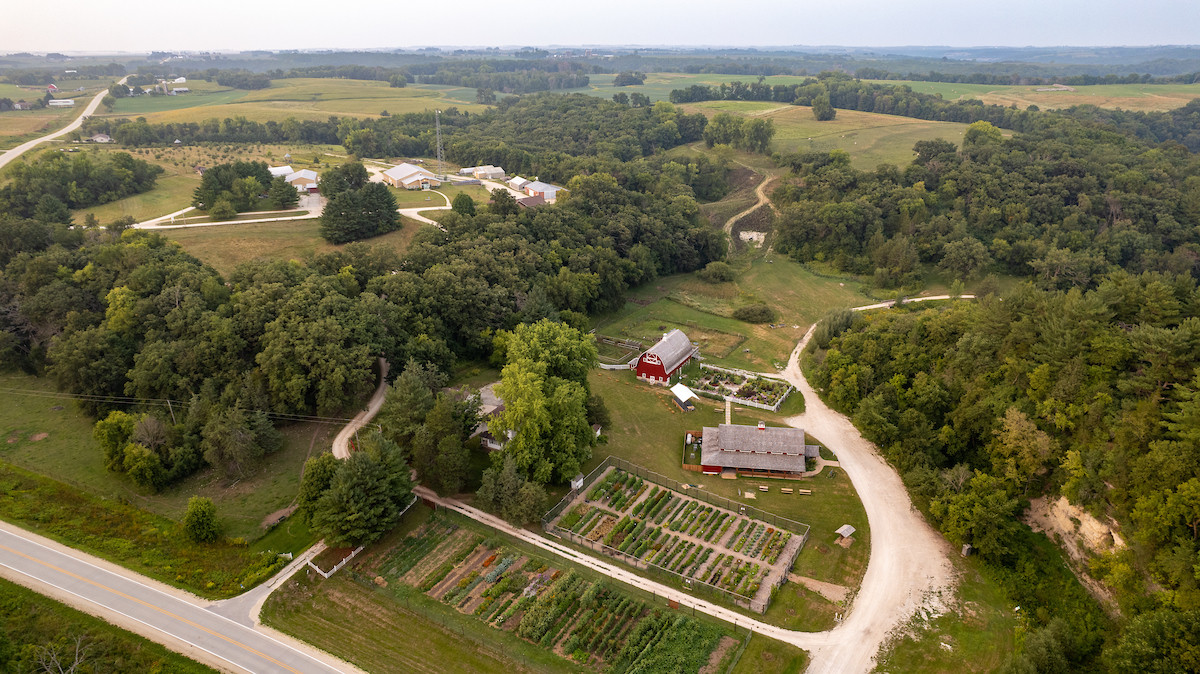

Indiana is paving over its future. Year over year, we lose nearly 29,000 acres of Hoosier farmland due to accelerating pressures from urban sprawl, large-scale industrial development, energy infrastructure, and technology facilities. Indiana’s fertile soils are one of the state’s most valuable and irreplaceable assets. Once they're gone, however, so are the farmers’ livelihoods, agricultural heritage, and long-term potential they represent. The time to act is now.
The good news? Protecting farmland isn't just up to government agencies or conservation organizations.
Everyday Hoosiers Have the Power to Protect Indiana Farmland
One of the most powerful tools available to keep farmland as farmland is an agricultural conservation easement. Farmland owners can voluntarily place a permanent legal restriction on their property that limits future development, keeping the land available for agricultural use forever. The landowner retains ownership and can continue farming the land, sell it, or pass it on to the next generation. The easement terms run with the land, meaning that protection stays in place through every future ownership.
Indiana landowners are increasingly using agricultural easements to protect their land, but landowner or not, every Hoosier has a role to play in advancing farmland protection efforts.

6 Ways Indiana Residents Can Help Protect Farmland Right Now
Form a local working group on farmland protection. Connect with your community: neighbors, farmers, business owners, County Soil and Water Conservation Districts, local land trusts, and others who care about your county's agricultural future. Meet regularly to discuss local farmland loss, zoning decisions, development pressures, and what your community wants its landscape to look like in 20 years (or 100+ years). If you work with or support a local land trust, let them know that farmland protection matters to your community. Organized voices carry far more weight than individual ones.
Participate in local planning meetings. Zoning ordinances, land use planning decisions, and development approvals happen at these meetings, often with very little public input. Your voice can make a difference. Let your elected officials and planning staff know that farmland protection matters to the people they serve. Encourage your local leaders to integrate farming into the planning process to support agribusinesses, local food systems, and conserve farmland.
Invite an AFT staff member to your community. We're available to come to your local event, organization’s meeting, or community gathering to share resources, facilitate discussion, or give a presentation on farmland protection, agricultural easements, succession planning, land access, and more. The more informed your community is, the more effective your advocacy becomes.
Support county-level farmland protection policies. Harrison County, Indiana, is the first in the state to pass an ordinance that promotes farmland protection by enabling farms, even those that aren't predominantly prime soils, to qualify for the federal ACEP-ALE (Agricultural Conservation Easement Program – Agricultural Land Easements) program. Local communities identifying their agricultural land base as a priority resource is a gamechanger for counties where mixed-quality soils have historically locked farmers out of federal conservation funding. Ask your county to explore similar action.
Work with your local community foundation or other funders to support permanent farmland protection. Investing in local farmland protection is one of the most enduring things a community can do. Local funds like Scott County's "Farms Forever Endowment" and Harrison County's farmland preservation fund show what's possible when communities put resources behind their values. When land trusts and other land protection partners can draw on local funding to support easement acquisition, stewardship, monitoring, and legal defense, it makes it possible to get these projects across the finish line.
Call your state legislators. Indiana would greatly benefit from a state PACE (purchase of agricultural conservation easements) program. Contact your state legislators and tell them you support dedicated state funding for agricultural conservation easements. A call takes only a few minutes and having your input recorded matters.

The Bottom Line
Protecting Indiana’s farmland is local work. It happens when communities decide together that Indiana's agricultural future is worth protecting. Through community conversations, investment, and county and state policy, we can build the organizations and resources needed to preserve this legacy for generations to come.
Want to learn more or invite an AFT staff member to speak at your local community event? Contact our Indiana Team here.