
American Farmland Trust (AFT) is celebrating the 2026 International Year of the Woman Farmer, designated by the UN Food and Agriculture Organization (FAO). It is championed in the United States by the National Association of State Departments of Agriculture. This observance by 123 countries makes a global commitment to empowering and recognizing the many contributions of women in agriculture.
AFT programs highlight peer learning for farmers committed to advancing conservation, land stewardship, and community resilience in their communities. This Farmer Profile is funded by the Natural Resources Conservation Service to highlight inspiring farmers who work to protect, steward, and manage U.S. farmland.
High Vibe, Top Quality Produce
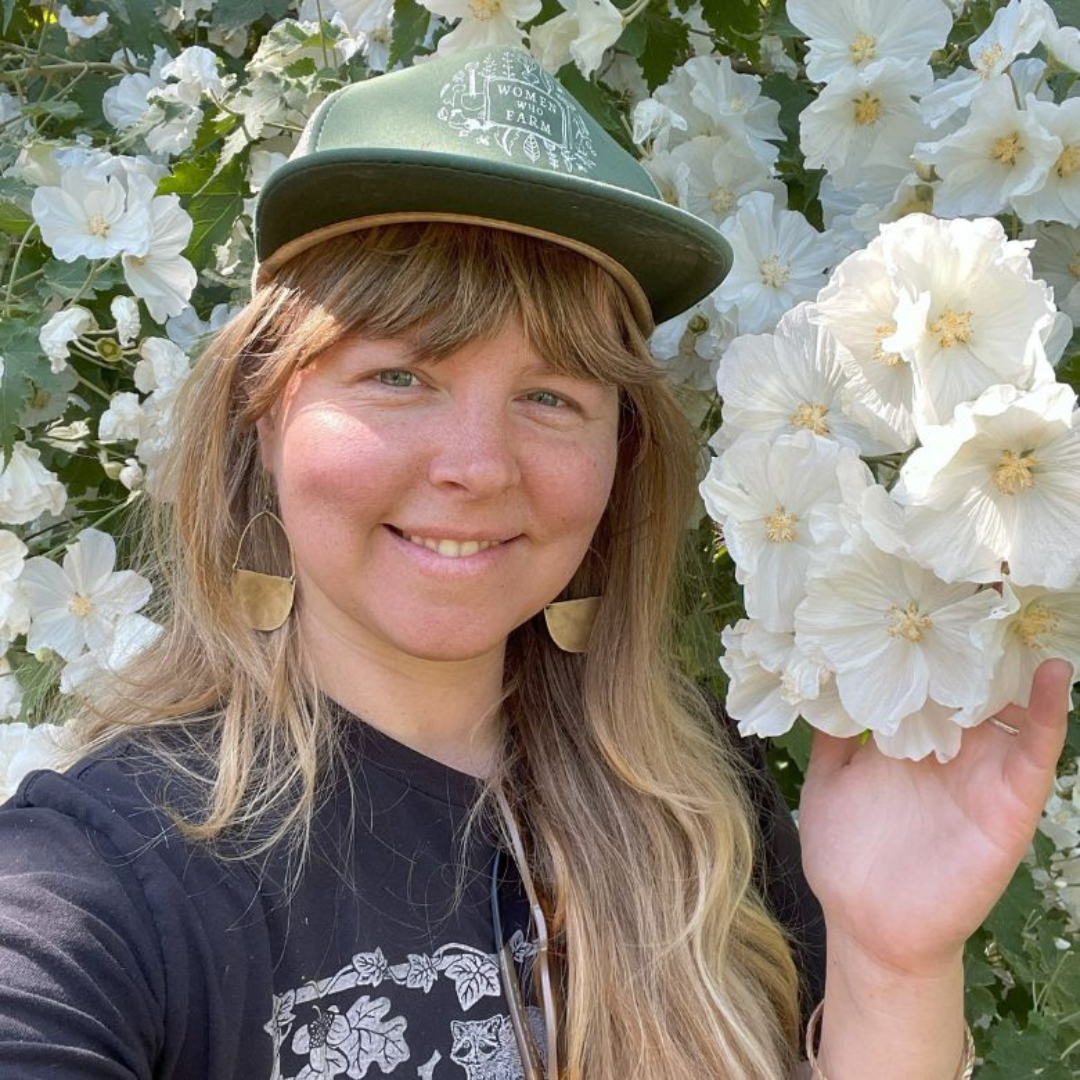
Michelle Bieneck and her husband, Brian Hannagan, have been farming in the Applegate Valley since 2002. Michelle completed her naturopathic education in Portland, Oregon, and moved to the “Banana Belt” of southwestern Oregon shortly after, famous for its sheltered Mediterranean climate.
Michelle is a practicing Naturopathic Doctor whose passion for growing “high vibe, top quality produce” opened doors to a local wholesale restaurant account within their first season. Inspired by her philosophy that ‘food is medicine,’ Michelle set out to grow certified organic and specialize in produce and medicinal herbs to support her naturopathic clients and meet niche wholesale and retail demand.
“A lot of the plants we started [are] from seeds or propagation cuttings and that makes me so happy, because it’s so easy and such a gift for future generations.”
Steady Growth with Humble Roots
Michelle and Brian purchased their first property with no infrastructure and no water rights, deciding to invest in raw land to build their farm little by little. Now on their third agricultural property, Michelle and Brian found an old horse farm in Murphy, Oregon with several barns, stalls, and a senior water right. Michelle got to work establishing a new orchard and medicinal garden, while Brian converted the old farm infrastructure into a wash-pack station and apprentice housing, and a round-roofed barn became their darling custom-built house. Thinking ahead, Brian installed a net-metered solar panel system through Energy Trust of Oregon, to offset their walk-in cooler and irrigation costs.
“Everywhere that I've ever been, I live life like I'll be here for a hundred years. Putting down perennial crops, even though I might not eat the apple from that tree - it's just part of what we do.”

Mentorship and Peer Learning
Michelle shared that peer mentorship has played a significant role in her farm journey. She was lucky to connect with the local Siskiyou Sustainable Cooperative (SSC), a tight knit collective of local farmers in the Rogue Valley that operated for around 15 years. This group of small farmers built a shared Community Supported Agriculture (CSA) box to aggregate produce and deliver to 150-250 members annually, from 2003 to 2019. They coordinated vegetable production to maintain steady supply, shared marketing, and delivery. It was more than a CSA, the farmers shared production tips and tricks, quality standards, and how to deal with familiar struggles like symphylans, as they packed produce boxes together.
This built-in peer community helped Michelle and Brian tailor their production systems, access markets, and thrive in a rural community. Years after the SSC disbanded, its legacy lives on as a case study highlighting the agricultural cooperative’s rural economic development power.
Season Extension with High Tunnels
Michelle worked with the Natural Resources Conservation Service (NRCS) and participated in the Environmental Quality Incentives Program (EQIP) to purchase a high tunnel. The NRCS cost-share program provided critical financial assistance to install a high tunnel, also known as a hoop house, and extend their growing season in the shoulder seasons. Having warm-weather crops in early spring and into fall helped them keep up with the steady demand of their CSA and wholesale accounts.
“The high tunnel program through NRCS was a game changer for us. It was amazing [for our business] and felt super supportive.”
Sun Spirit farm received an Oregon Community Food Systems Network (OCFSN) Disaster Resilience Grant in 2025 to purchase shade cloths for the high tunnels to protect plants from heat stress and fruit scalding during extreme weather. With an increased average number of days over 100 degrees, Michelle and Brian now consider shade cloth an essential part of farm viability in the Applegate Valley.

Closed Loop Farming
Michelle and Brian invested in critical permanent fencing infrastructure throughout the property to support seamless pasture rotation. The inspiration to create a complex paddock system came from a World Wide Opportunities on Organic Farm (WWOOF) apprentice from the Netherlands, who designed their pasture management plan during his farm stay. The perimeter fence allows wildlife to move through the land to the Applegate River corridor, and the tall interior fencing divides production fields into manageable paddocks that keep deer out.
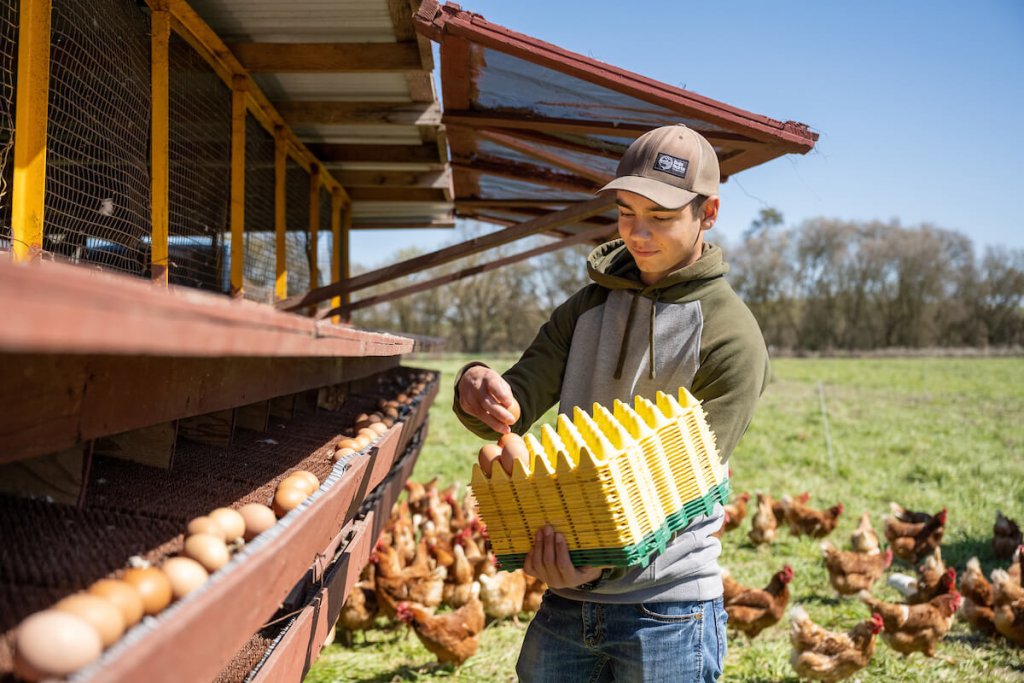
Each paddock is planted with a mix of oats, field peas, and medium clover as a cover crop in the winter, and then Michelle’s flock of goats, sheep and chickens graze the pastures. Once they’ve eaten it down and fertilize the field, they rotate onto the next pasture to graze. Michelle and Brian add compost, till in the remaining organic residue and manure, then plant their crops into the rich loamy soil.
They compost on site with their small tractor, utilizing animal bedding and manure, plant waste (carrot tops and outer leaves) from the wash pack station, and add eggshells and biochar, if they have it. With so much farm fertility, they haven’t needed to amend with outside inputs in several years, and only occasionally with lime.
“I eat, sleep, farm. It's a lifestyle. We love to roll up our sleeves. We just like getting our hands in the dirt, getting sweaty, [and] working. I call [it] the farm fitness program. Free membership!”
Next Generation Farmers
Michelle’s connection to the next generation of farmers has been a consistent thread throughout her farm story. She worked with Oregon Farm Corps (formerly Rogue Farm Corps), and WWOOF organizations to host apprentices interested in hands-on learning. Michelle’s philosophy is grounded in a two-way exchange, valuing apprentice gifts to the land and the importance of educating beginning farmers.
After 24 years of farm production, Michelle and Brian have started shifting daily operations to create space for the incoming generation of stewards. They put a listing on Oregon FarmLink, and found a young couple interested in shadowing and taking on parts of the business step-by-step. Succession is a complex process, and non-familial farm transfer is becoming more common. Michelle and Brian continue to share the farm, provide critical mentorship, and now they have a little more time to focus on the things they love best.

Giving Back to People, Land, Legacy
Sun Spirit Farm celebrates their farm abundance and regularly donates 10% percent of their profits to a variety of environmental justice projects. Michelle also supplies farm-grown produce boxes for the Buffalo Field Campaign in Yellowstone, and to a community of Navajo-Dine Elders in Northeast Arizona around fall harvest.
Michelle and Brian also enjoy volunteering on several farms in Southern Oaxaca and Baja, Mexico. They’ve met some people who are preserving their heirloom corn seed and have supported efforts to build a local seed bank. Giving back keeps Michelle inspired, loving the opportunity to support amazing people doing the important work of honoring Indigenous elders, preserving wild buffalo, and maintaining heirloom vegetables.
Her volunteering is grounded in way of life that supports “healthy people, healthy animals, and a healthy planet.” This philosophy includes cultivating good communication skills, respect for each other, good nutrition and good health. As Michelle concluded, “we work for the plants.”
Inspired by Sun Spirit Farm’s commitment to regenerative agriculture, peer learning, and next generation land transfer? Be sure to sign up for our Pacific Northwest newsletter and follow us at @pnwfarmland to connect with stories, resources, and upcoming offerings in 2027.
Resources
USDA Natural Resources Conservation Service EQIP provides technical and financial assistance to agricultural producers to implement practices that address resource concerns.
AFT’s Farm Transfer Toolkit supports agricultural landowners exploring the transfer of their business or land to an incoming producer.
Connect with our PNW Land Transfer Specialists today!