Sunday Bell Farm: Building Resilience on Steep Ground in a Changing Climate
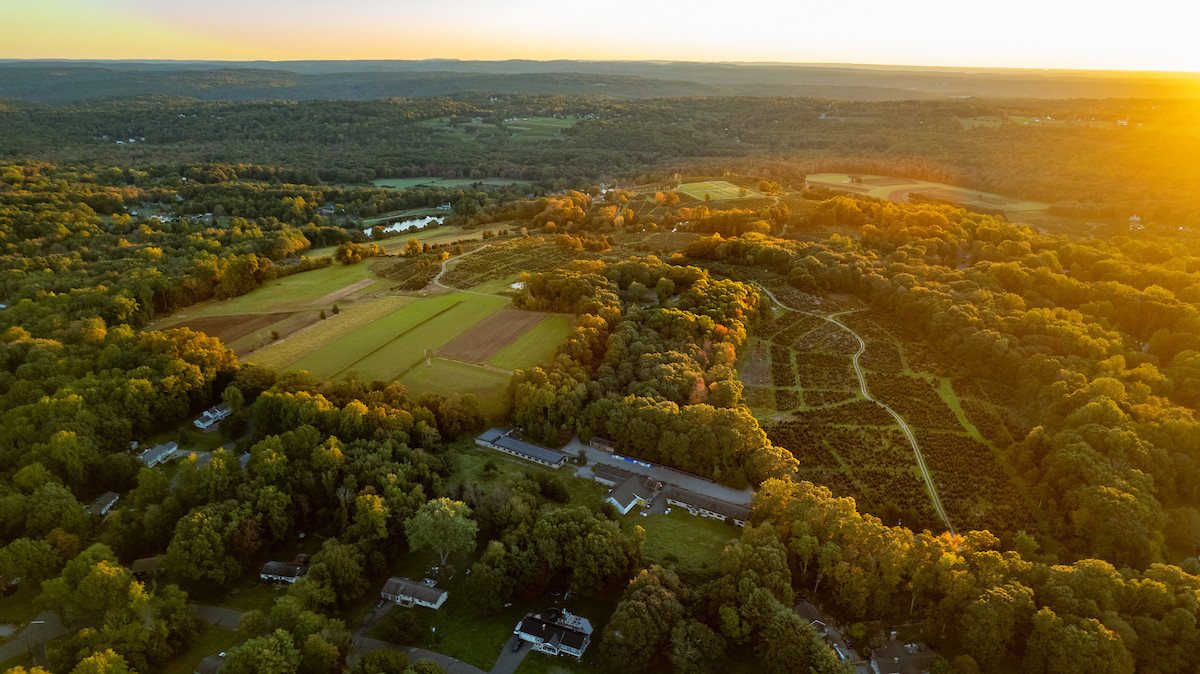
On a steep, rocky hillside in Danville, Vermont, Sam and Kylie Rossier are building a farm designed for uncertainty.
Sunday Bell Farm, which they started in 2020, produces raw milk from a 10-cow dairy herd, along with beef, pork, and chicken. While the couple owns about 10 acres of rugged, wooded land around their barns, the heart of their operation spans roughly 350–400 leased acres of pasture and hay ground scattered throughout the surrounding landscape.
“It’s about 100 acres of pasture that we’re grazing every year and around 250 acres of hay,” Sam explained. “Most of it’s pretty steep. The soils are sort of depleted.”
That reality—thin soils, fragmented land access, and highly variable terrain—has shaped nearly every decision the Rossiers have made. So has climate change.
Designing for Extremes from the Start
Unlike many farmers who retrofit their operations after climate impacts intensify, Sam and Kylie began building Sunday Bell Farm with climate adaptation in mind from day one.
“In the five years that we’ve been here, we’ve seen a lot of extreme weather,” Sam said. “We went into this with climate adaptation in the forefront of the design of our farm.”
The changes they’ve witnessed are now familiar across New England: heavier, more frequent downpours; prolonged summer droughts; warmer winters punctuated by ice storms; and volatile shoulder seasons.
“We’re seeing fields that just don’t produce at all because they’re either too wet or too dry,” Sam said.
To manage that volatility, the Rossiers invested early in flexible, modular infrastructure—especially for their dairy herd. They built two 5,000-square-foot hoop barns that allow them to bring cows inside during extreme heat, heavy rain, or muddy conditions that would otherwise compact soil and damage pasture.
“If it’s really hot and dry, we can let them out in the morning and graze a little bit, then keep them in during the hottest part of the day,” Sam explained. “And if it’s heavy rain and the pastures are too muddy, they can stay inside and we can feed hay.”
That flexibility proved critical during the severe drought of 2025, when pasture growth stalled by mid-June and the farm ran out of grazable forage by August 1.
“Having the barn where we could feed hay exclusively and let the pastures regrow—that was really critical,” Sam said.
High-Stakes Hay Seasons
If there’s one time of year that keeps Sam even more highly attuned to the weather forecast, it’s hay season.
“We’ve lost over 100 round bales in one shot overnight because we got eight inches of rain that wasn’t forecast,” he said. “That’s an extra $5,000 we weren’t planning on.”
Sunday Bell Farm now feeds roughly 70 head of cattle across its dairy and beef herds, with hay serving both as feed and bedding. In good years, the Rossiers can produce most of what they need. In bad years, they’ve had to buy in over half their total forage.
In 2024, extreme rainfall made hay difficult to harvest and leached nutrients from the grass. In 2025, drought halted pasture growth altogether.
“That back-to-back extreme weather was a big wake-up call,” Sam said. “It really motivated us to think about climate adaptation from a financial perspective.”

Climate Adaptation Is Also Financial Adaptation
One of the most striking insights from Sam’s climate adaptation planning journey was his reframing of climate adaptation as a financial strategy—not just a technical one.
“If we’re going to build up savings so we can take a $30,000 unexpected hit and not go under, profitability becomes a climate adaptation tool too,” he said.
Through the PARCC program, the Rossiers began tracking key numbers more closely: water usage, forage needs, labor costs, and enterprise profitability. That clarity shaped both short-term conservation steps and long-term investments.
Water security quickly rose to the top of their priority list. The farm relies on an artesian well that held through the 2025 drought, but hearing neighbors run dry underscored how vulnerable that single source really is.
“We started measuring and understanding our day-to-day water usage so that if we had a leak in the pasture, we could detect it sooner,” Sam said. “With gravity and head pressure, if you have a leak way downhill, you can lose thousands of gallons in a few hours.”
In the long term, the Rossiers are exploring backup storage tanks, cisterns, and alternative water sources in the pasture—options that could buy them time in a crisis and reduce pressure on their well.
Betting on Soil Health—Despite Land Access Risks
If water is the farm’s most urgent climate concern, soil health is its long game.
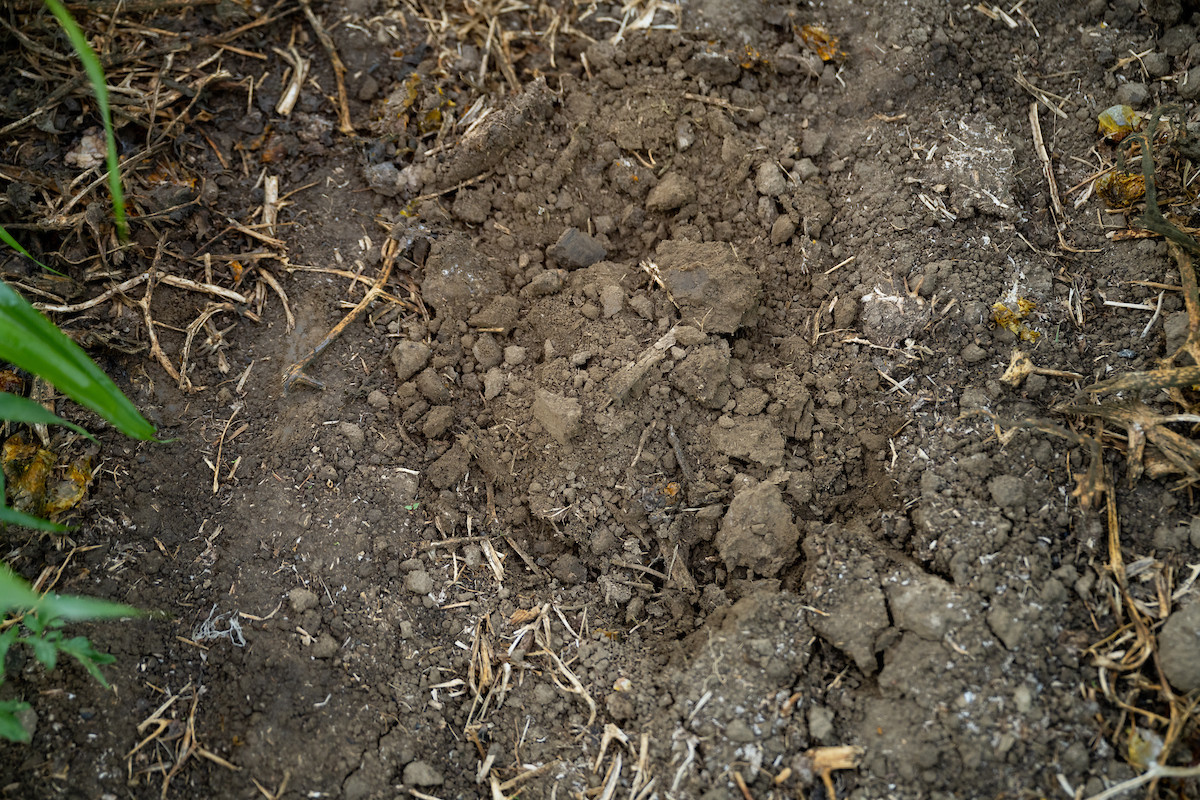
For years, the Rossiers hesitated to invest heavily in soil amendments on leased land. “It’s hard to want to take that risk,” Sam said. “You spend a ton of money improving soil, and then the farmer next door ends up haying it next year.”
But after two devastating forage seasons, the calculus changed.
“We’re planning to buy in organic chicken manure, wood ash, and lime,” Sam said. “The goal is to seriously increase soil health and forage growth.”
They’re aiming to boost hay yields from one round bale per acre to five—an ambitious leap that reflects both economic necessity and climate adaptation.
“You can buy $30,000 worth of hay or $30,000 worth of amendments,” Sam said. “Hopefully the amendments carry forward year to year, whereas the hay just gets eaten.”
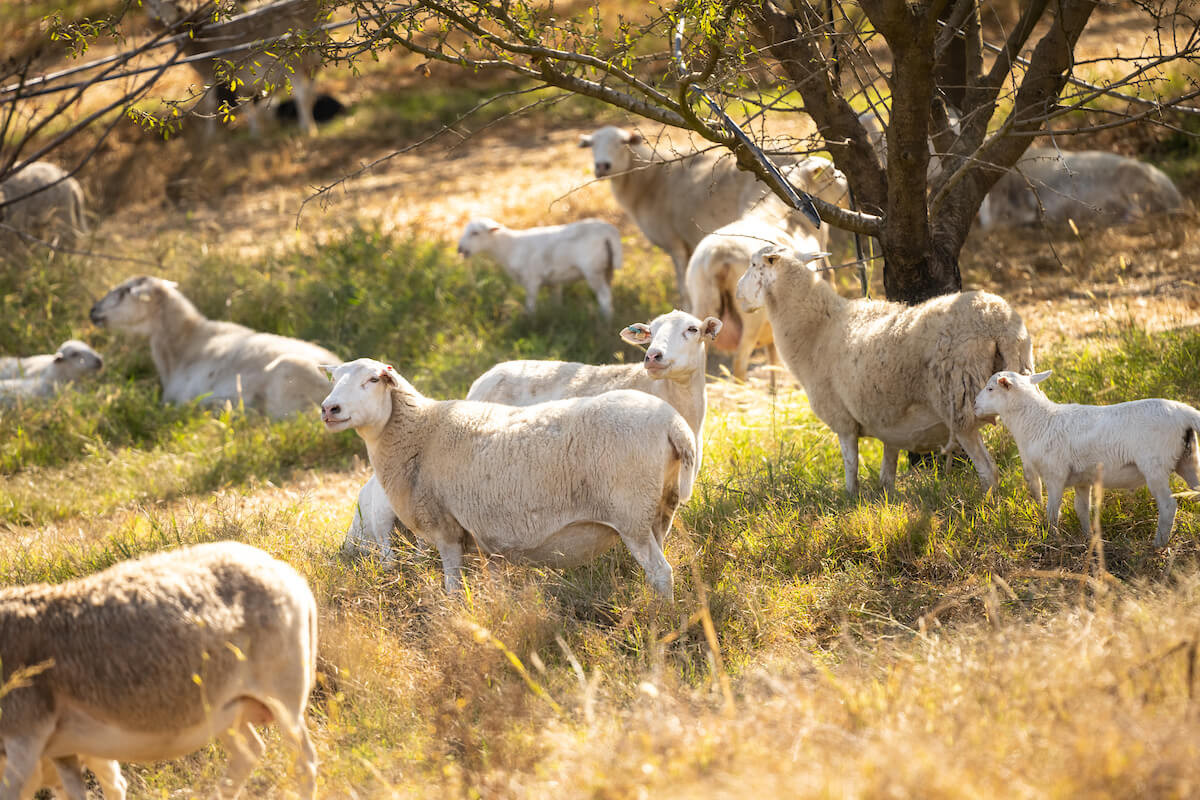
The farm is also expanding silvopasture to increase shade in dairy grazing areas, an investment that supports both animal welfare and pasture resilience during heat waves.
The Land Access Question
As optimistic as Sam is about adapting to climate change, one uncertainty looms larger than all the others: land access.
“We've built this awesome business that seems really sustainable on paper. Neighboring landowners have been receptive to our endeavors. However, without long term access to land, everything could be gone in an instant.”
The Rossiers have intentionally kept their infrastructure modular—avoiding concrete and permanent fixtures—because they know they may someday have to uproot their entire dairy operation.
“With dairy cows, they have to walk from pasture to the milking parlor twice a day,” Sam said. “We need pasture adjacent to our barn. That’s what makes land security so critical.”
For Sam, land access isn’t just a business issue, it’s a climate-adaptation issue that policymakers and funders need to take more seriously.
“We would have made much higher investments in soil health years ago if we’d had long-term access to land,” he said. “The sooner you get started on those things, the better your resilience is going to be.”

Looking Ahead
In 2026, Sunday Bell Farm will transition to certified organic production and begin selling surplus milk to Stonyfield, a move that will double the dairy herd and provide a steady biweekly paycheck.
“Our goal is to build a farm that can take a hit and keep going,” Sam said. “Between soil health, water planning, and diversified markets, we’re trying to stack the deck in our favor.”
On steep ground shaped by uncertainty, Sunday Bell Farm is doing what New England farmers have always done: adapting, innovating, and building resilience—one decision at a time.
~
Sunday Bell Farm’s adaptation plan is one of eight developed through the Planning for Adaptation and Resilience to Climate Change (PARCC) project, a collaborative effort between AFT, NOFA-VT, and UVM Extension designed to help Vermont farmers strengthen resilience to extreme weather and shifting growing conditions. The project’s goals include co-creating practical tools for climate planning, integrating farmer perspectives, and providing both technical and financial assistance. By sharing stories like Sunday Bell’s, PARCC aims to demonstrate what climate adaptation looks like in practice and to inspire peer-to-peer learning across the region. Read more about AFT New England’s work helping farmers address challenges caused by climate change here.