Perspectives from the Field from AFT’s Western Solar Specialist
Dec 21, 2023
AFT Staff

AFT Staff
Samantha Levy
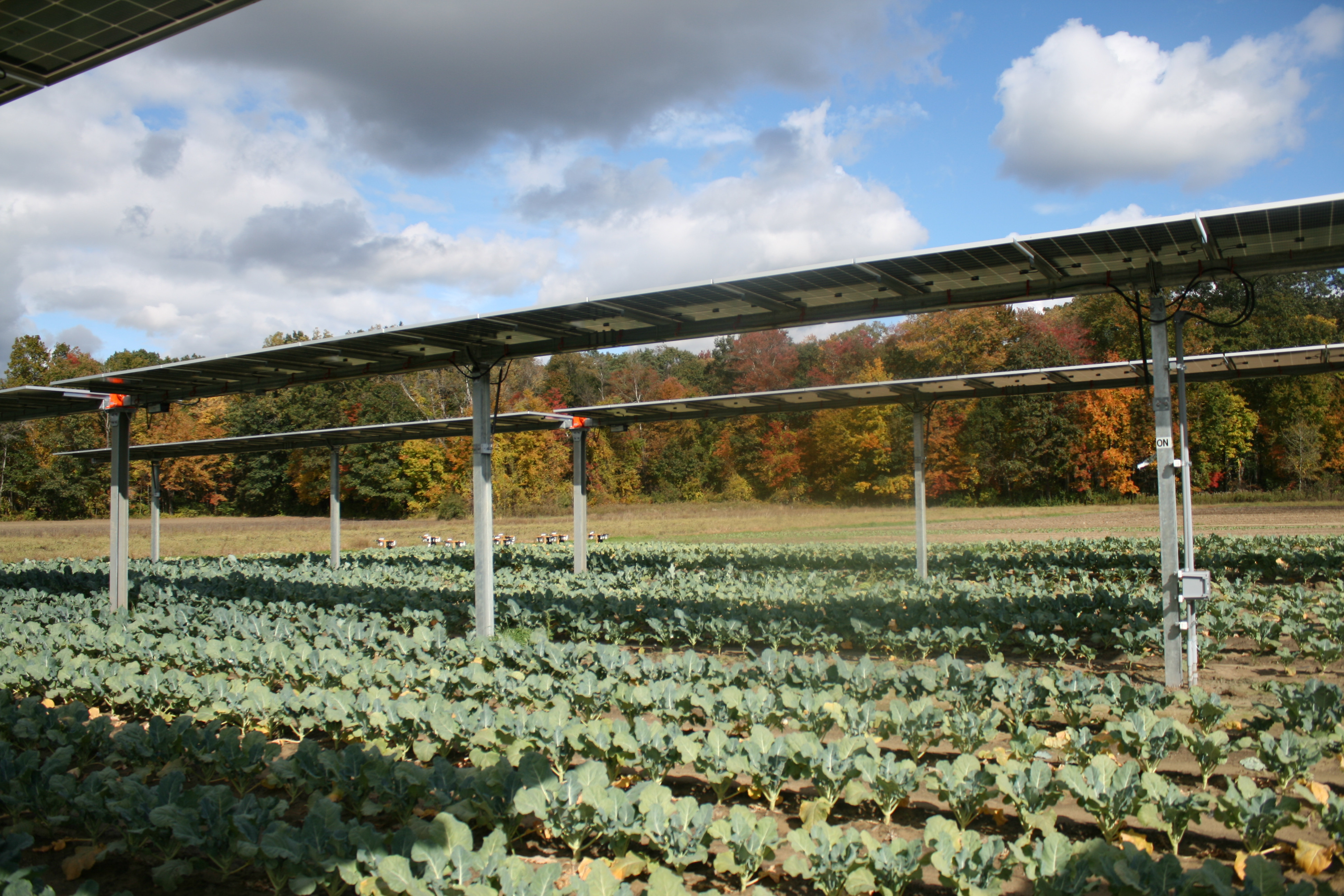
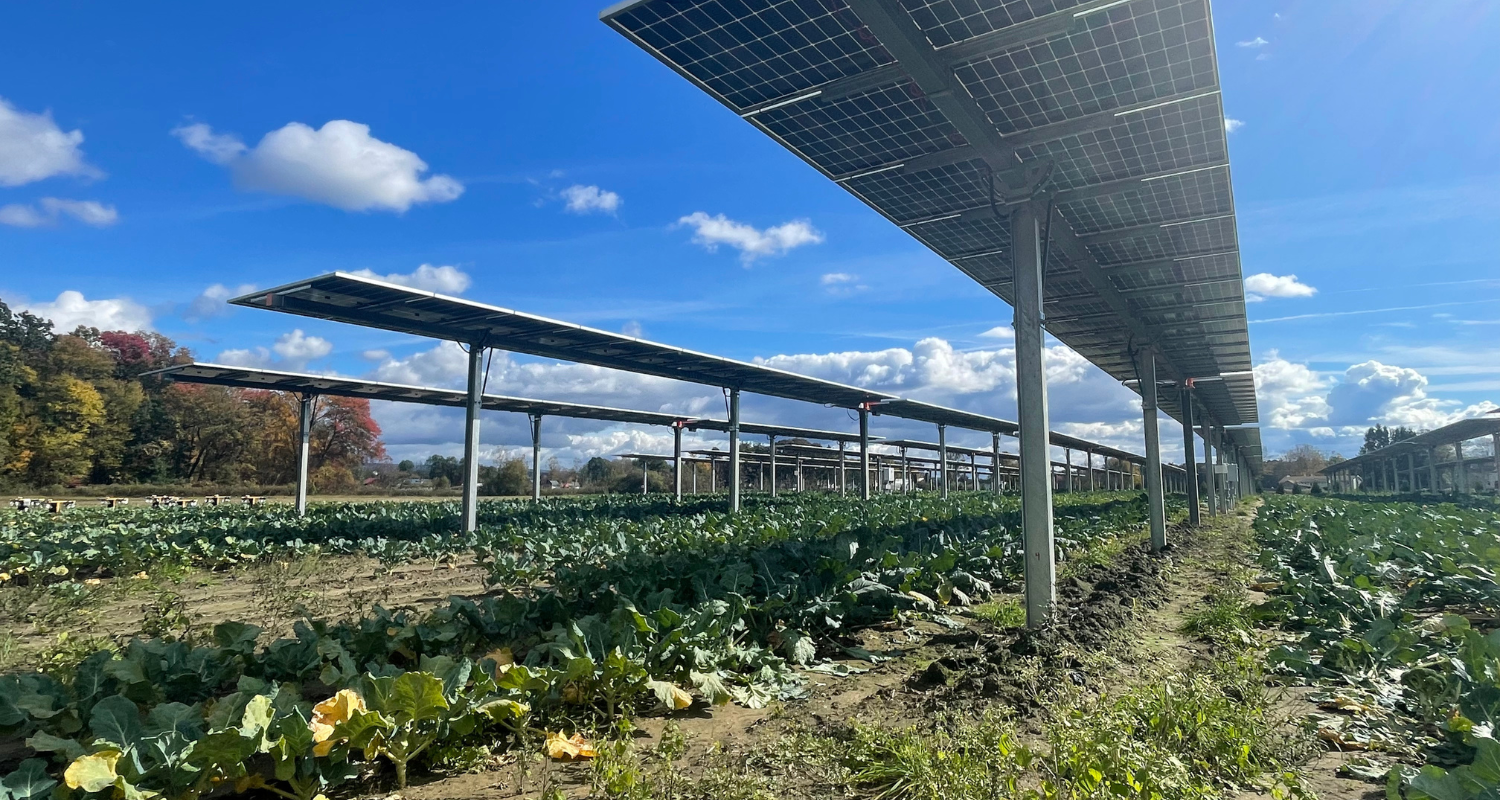
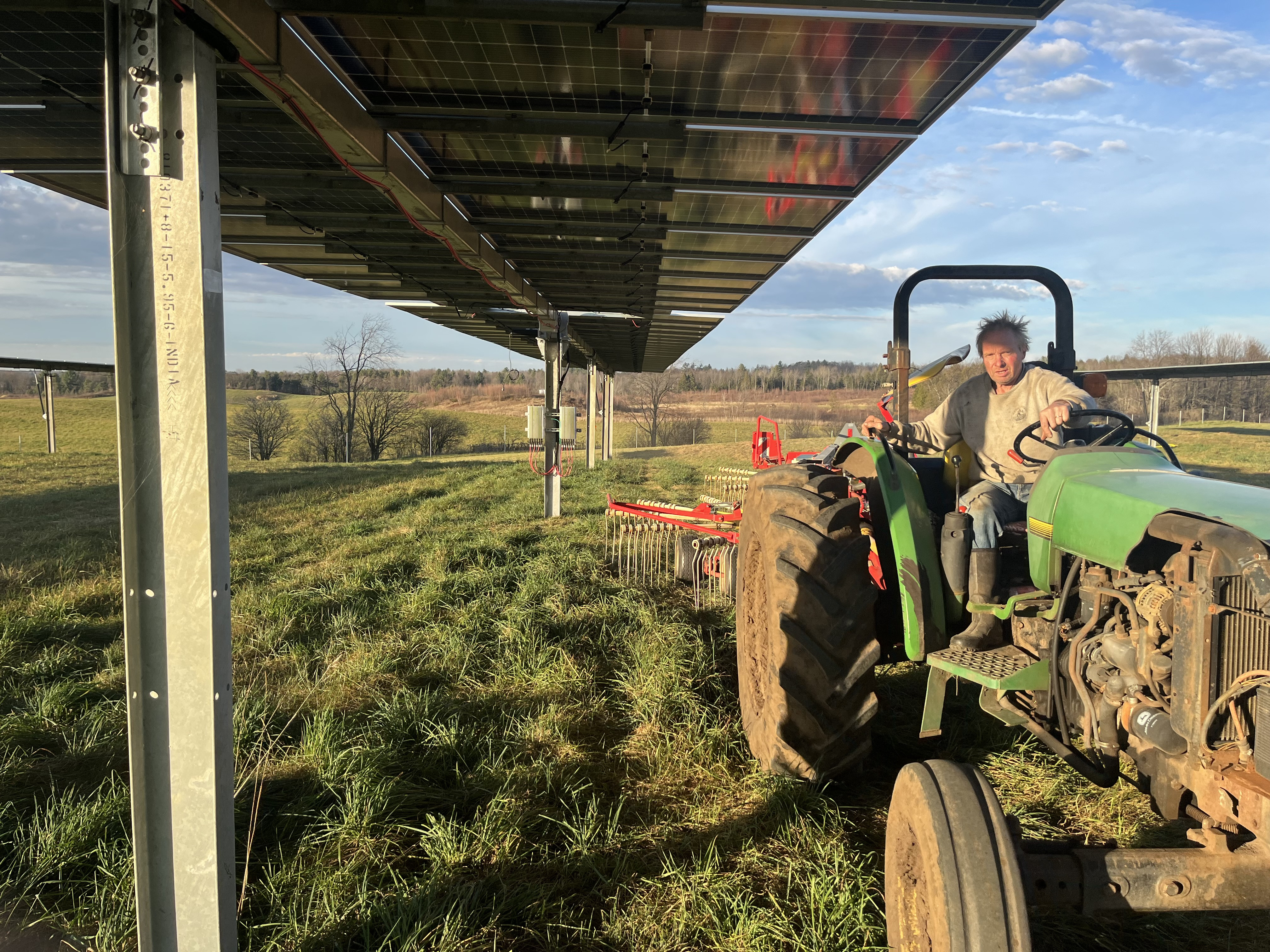
The first sight many visitors will notice when pulling into Czajkowski Farm is one that might seem unfamiliar—a field of broccoli being grown under the watchful eye of solar panels standing overhead. This technique of growing crops and generating energy on the same parcel is called agrivoltaics. While these projects may currently stick out in Massachusetts combining solar and agriculture, they are growing in popularity across the nation because of the opportunities they provide to keep land in agriculture and build resilience to climate change.
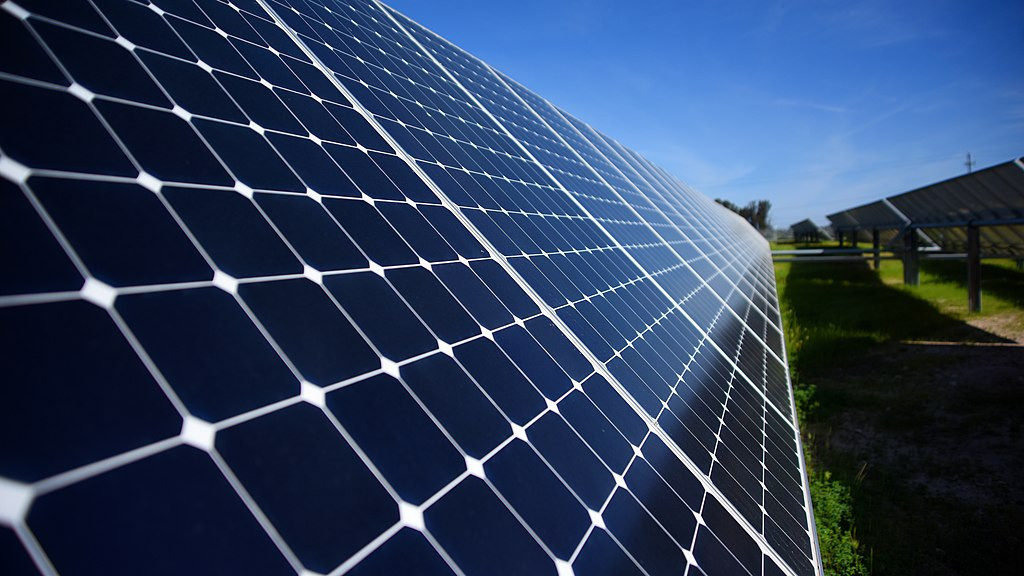
Extreme weather and accelerating warming trends make clear the urgency to shift away from fossil fuels and decarbonize our energy sector. Solar energy generation is expanding rapidly and will have a central role in this energy transition, requiring millions of acres of land for utility-scale solar as well as millions of rooftops across the country.
Ethan Winter
Samantha Levy
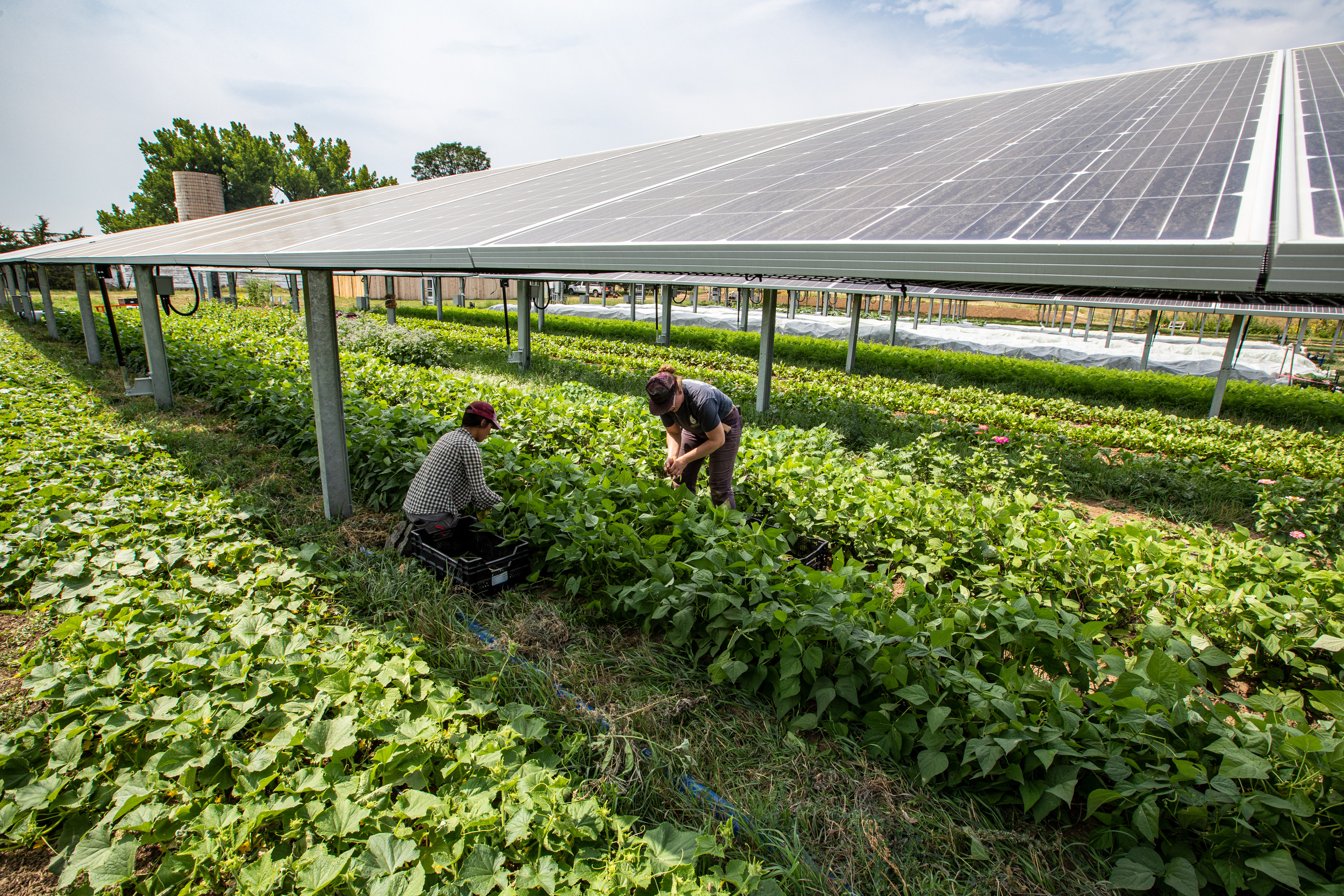
Prolonged drought, extreme temperatures, and wildfire smoke are some of the impacts of climate change experienced by farmers and ranchers, and new policies are looking at solar energy in Washington State as part of the solution.
Dani Madrone
Michael Shulman
Lori Sallet
New York smart solar on farmland requires policies that empower farmers and agricultural communities to be full partners in our essential transition to a clean energy future.
Ethan Winter
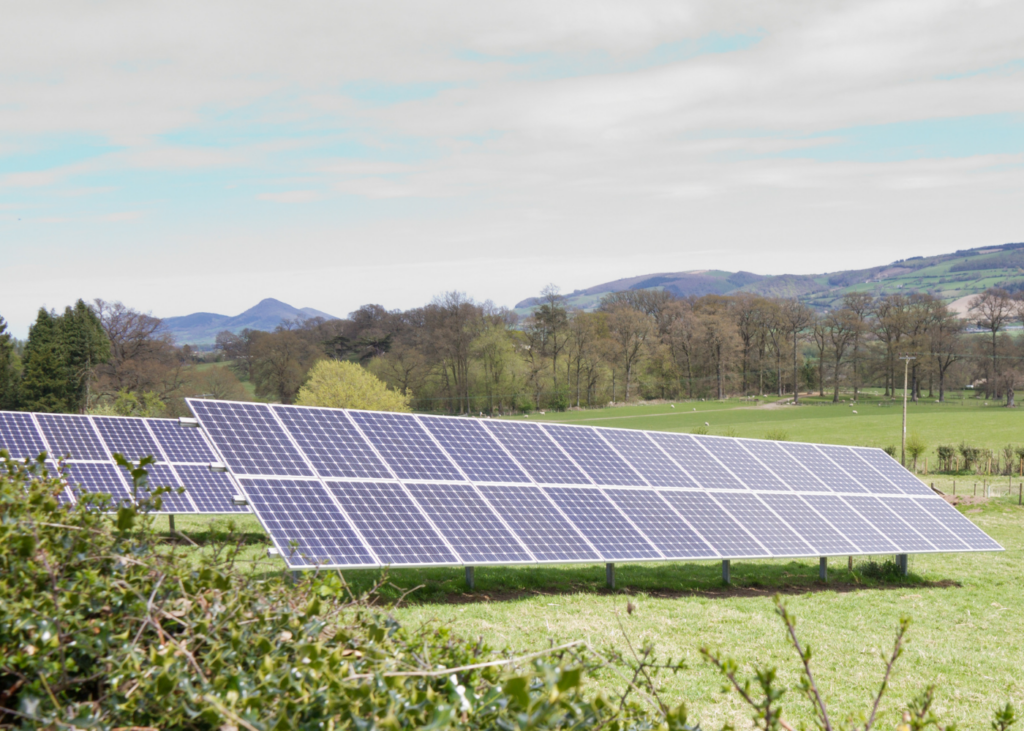
Agriculture solar energy is a necessary tool in the fight against climate change. Experts agree that sourcing more energy from cleaner sources, such as solar panels, will help mitigate some of climate change’s future impacts. For America’s farmers and ranchers, this means limiting the regular occurrence of catastrophic weather events—such as floods, droughts, and intense heat waves—that threaten land and livelihood, as well as slowing less obvious climactic shifts that affect crops and livestock.
Ethan Winter