PFAS Initiative
Per- and polyfluoroalkyl substances (PFAS) are a group of synthetic chemicals manufactured since the 1940s. Today, they are commonly used in products that repel water and grease, such as non-stick pans or rain jackets. PFAS are often called “forever chemicals” because they are extremely persistent in the environment, allowing them to accumulate over time. PFAS can be found in water, soil, air, animals, and even in the blood of most people, and have been linked to negative health impacts.
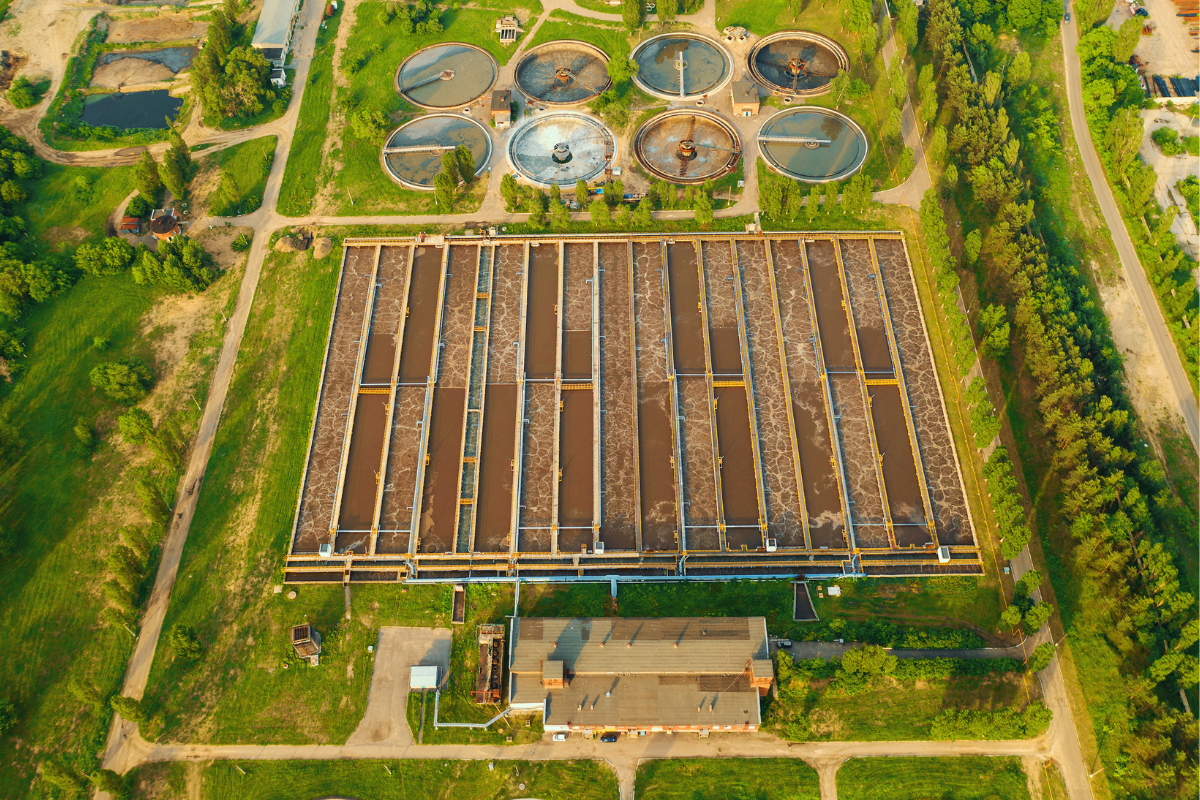
PFAS have been detected on farm and ranch land and in some food products across the United States. This is generally caused by spreading contaminated biosolids (or “sewage sludge,” the end-product of the wastewater treatment process) on farmland as a fertilizer, or by contaminated runoff from airports, defense facilities, or industrial sites.
PFAS is an emerging issue, and many questions remain unanswered, such as: What are the impacts of PFAS on the health of farmers and farm families? How do we protect farm businesses and the safety of the food supply?
Addressing PFAS requires reliable information, practical tools, and coordinated policy solutions. AFT is working on all three. Scroll down to learn more.