Bodega Bay Ranch-California
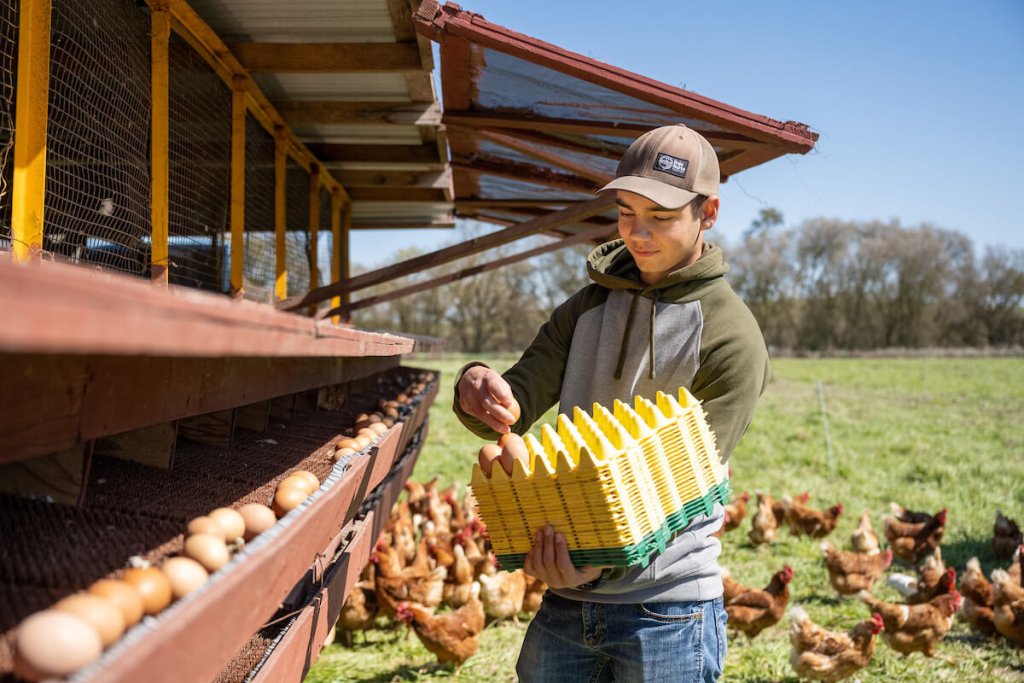
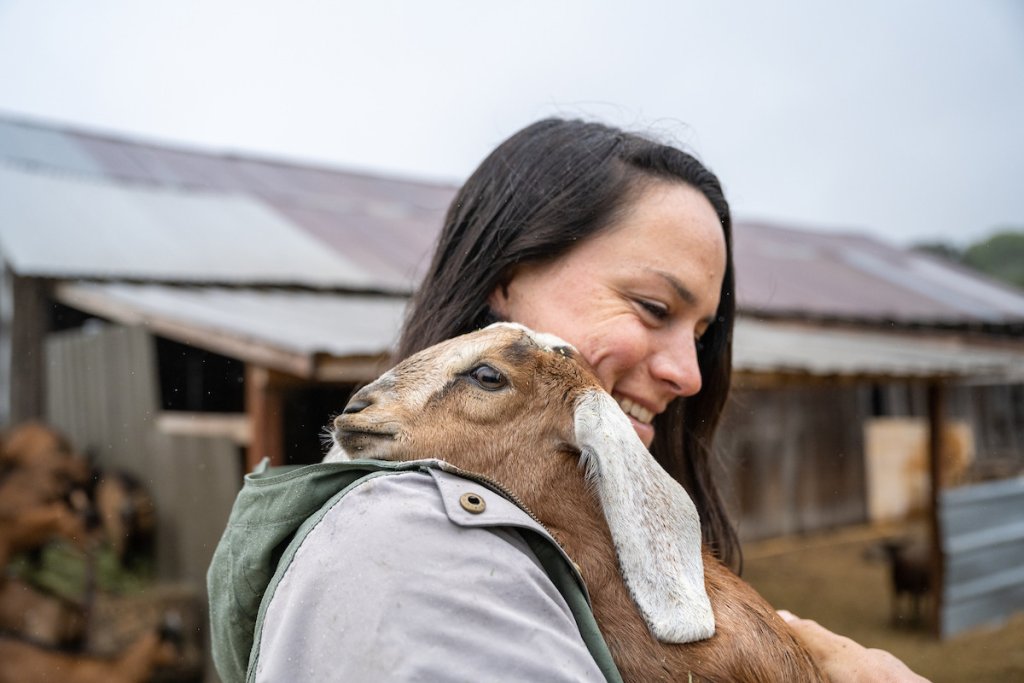
In the rolling Northern California hills near the town of Bodega, you’ll find the 213-acre ranching operation, The Ranch at Bodega. Owned by Algeo Che Casul, who goes by Che, with his Australian-born wife Angela and nearly 4-year-old son, he is the seventh generation to graze animals on this scenic property.
The young rancher’s fourth great-grandfather rode west with his cousin Kit Carlson to fight with the Texas Rangers in the Mexican American War. Afterward, he settled in California’s Central Valley, but one sweltering summer there convinced him a new location was still needed. He then moved west to Bodega on the California coast and settled on the family ranch in 1851.
The family has been here ever since. Today the California ranch grazes 60 head of goats, 20 head of sheep, 20 head of cattle, and has 25 acres of biodynamic Pinot Noir and Chardonnay grapes planted on the ridge.
Che and his wife are both volunteer firefighters with the Good Fire Alliance, which helps bring good fire to the landscape and allows ranchers to do prescribed burns.
But it’s expensive to get kitted out. Firefighter boots cost around $500, not to mention all the tools needed for the job. What they really wanted to get was a firefighting skid called a QTAC.
“This is a unit that goes in the back of a truck or an RTV,” says Che. “I wanted something with a 40-pound tank that was light enough to go on the back of my RTV. It’s a water system with a Honda pump. It can be used to fight fires on your own property, but also to safely handle prescribed fires and pile burnings.”
That unit was just under $4,000 and was paid for with a Brighter Futures Fund grant from American Farmland Trust supported by Tillamook and others. They’ve ordered the unit with the funds, but supply chain delays mean it might be a few months before delivery.
Despite the delays, a grateful Che says, “We will have it when the strong fire season hits and, in the winter, when we do our prescribed burns. It will be priceless to know we are doing these burns safely. We will also bring that unit with us when we go out on community-prescribed burns while we work with them to make their landscapes safer. We are so grateful for the financial support that makes this possible.” What gives him hope is that it is becoming clearer to his community that they need to graze open spaces.