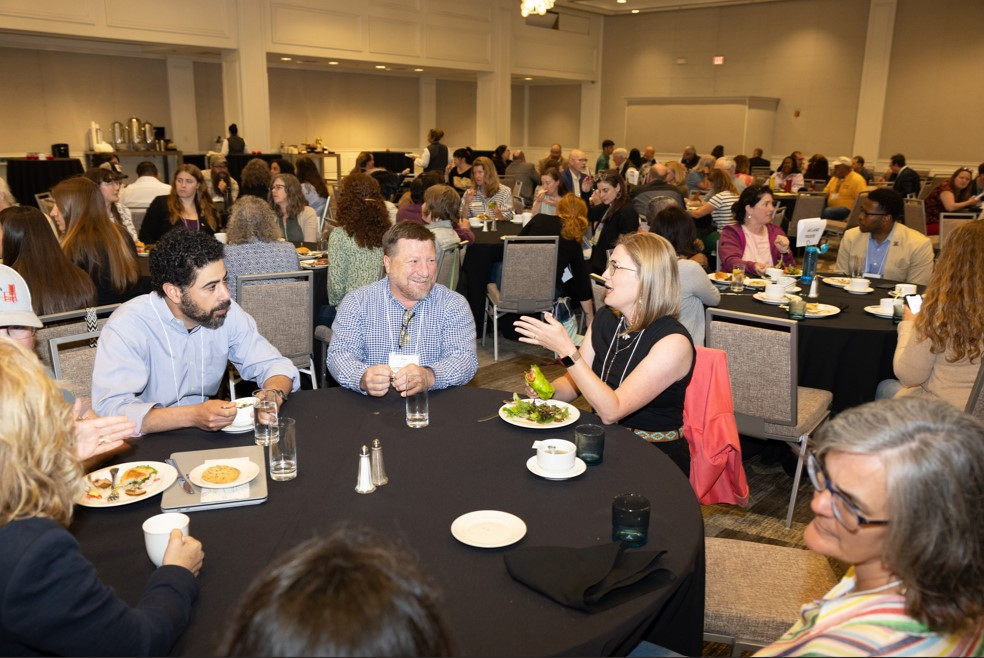
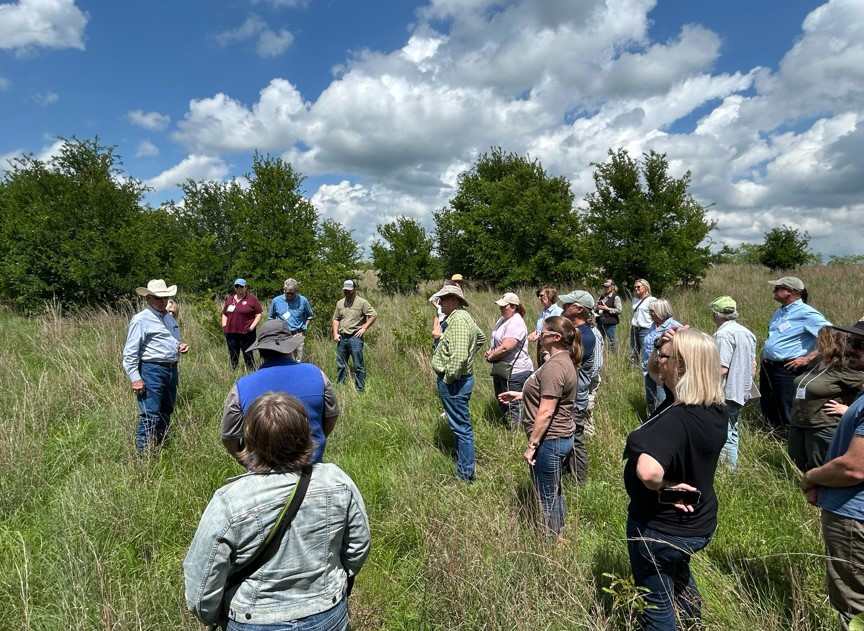
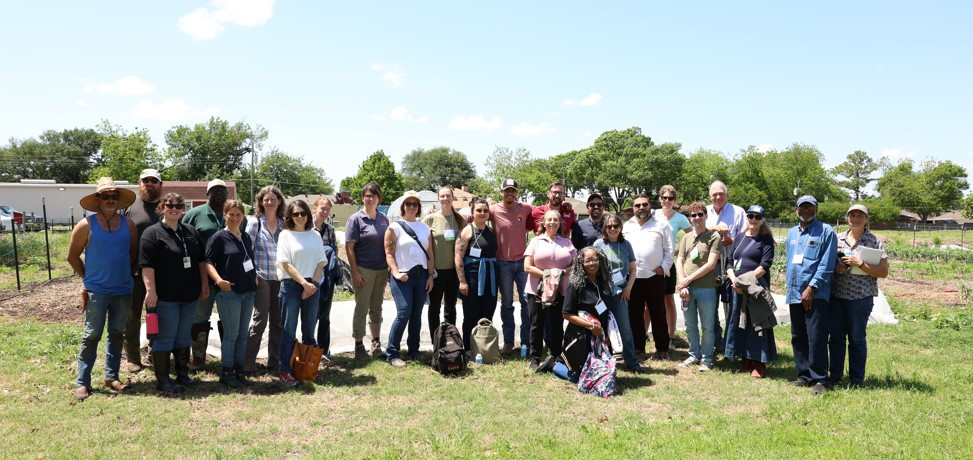
Featuring three days of in-depth workshops, field trips, plenaries, formal conference sessions, and informal discussion forums, Saving America’s Working Lands 2027 is for those working to address the loss of working lands, from local communities to state capitols and Congress. Reflecting American Farmland Trust’s holistic approach to agriculture, the conference will emphasize practical, scalable solutions that address the economic and environmental challenges that farmers and ranchers face to sustain viable operations.
What To Expect
Actionable research and analysis around America’s working lands—who owns them, who works them, what they contribute to the nation’s economy, environment, and quality of life, and where and why they’re being lost.
Conference Tracks and Descriptions:
Track 1: Community Solutions: Planning and Zoning Tools to Support Local Agriculture
Largely the purview of local government, comprehensive plans, zoning ordinances and local land use policies can be harnessed to foster resilient and profitable local farms and ranches. This track showcases communities that are trying to balance planning, zoning, and other local policies to build an infrastructure of support for local agriculture and minimize the loss of working lands.
Track 2: Agriculture IS Economic Development
Agriculture is rarely front of mind when economic development authorities seek to attract new businesses. As working lands are developed into warehouses, data centers, and energy production, farms and ranches are increasingly fragmented, threatening their profitability, agricultural viability, regional supply chains, and rural economies. This track explores ways to quantify the economic, environmental, and social impacts of farmland loss, policies and strategies that can further agriculture as economic development, and examples or successful approaches that demonstrate agriculture as not just a land use but also an engine for economic development.
Track 3: Changing Hands: Land Transfer, Access, and Affordability
Land access and affordability are primary barriers for entry and expansion, especially for young, beginning, and small producers. Senior farmers, ranchers, and landowners face their own challenges in affording retirement and finding successors. This track looks at ways resources and public policies are being or could be deployed to address these interconnected issues and to keep working lands in agriculture as they change hands.
Track 4: Managing Working Lands for Economic and Ecosystem Resiliency
Economic and environmental resiliency go hand in hand. America’s working lands are essential to maintaining robust ecosystems—filtering our air and water, providing diverse habitats for plants and animals, and storing carbon and cycling nutrients. This track explores voluntary conservation tools and funding mechanisms that are helping farmers, ranchers, and landowners build economic and ecosystem resiliency by adapting for changing weather and water conditions.
Track 5: Forever Working Lands: A Deep Dive Into Agricultural Conservation Easements
Agricultural conservation easements and the programs that purchase them are popular among landowners who wish to see their land conserved for future generations. Nearly 8 million acres of farmland and ranchland are under easements held by hundreds of public agencies and conservation organizations. This track explores elements of agricultural conservation easements, compares and contrasts public Purchase of Agricultural Conservation Easement (PACE) and conservation tax credit programs, and tackles innovations and emerging challenges in the world of purchased and donated easements.
Track 6: Advocating for Farm and Ranch Land
As the U.S. continues to lose productive farmland and ranchland at alarming speed, the need to make the case for agriculture’s “factory floor” is more important than ever. We must step up efforts to build support among community leaders, policymakers, and agribusiness for policies that protect America’s working lands while creating economic opportunities for farmers, ranchers, and rural communities. This track looks at tools and advocacy strategies that individuals, organizations, and communities can use to make a difference at all levels of government and corporate decision-making.