$6.4 Million to Support Vermont and New Hampshire Livestock Farmers
Turn Conservation Plans into Action
USDA’s Natural Resources Conservation Service selects American Farmland Trust New England’s proposal through the Regional Conservation Partnership Program
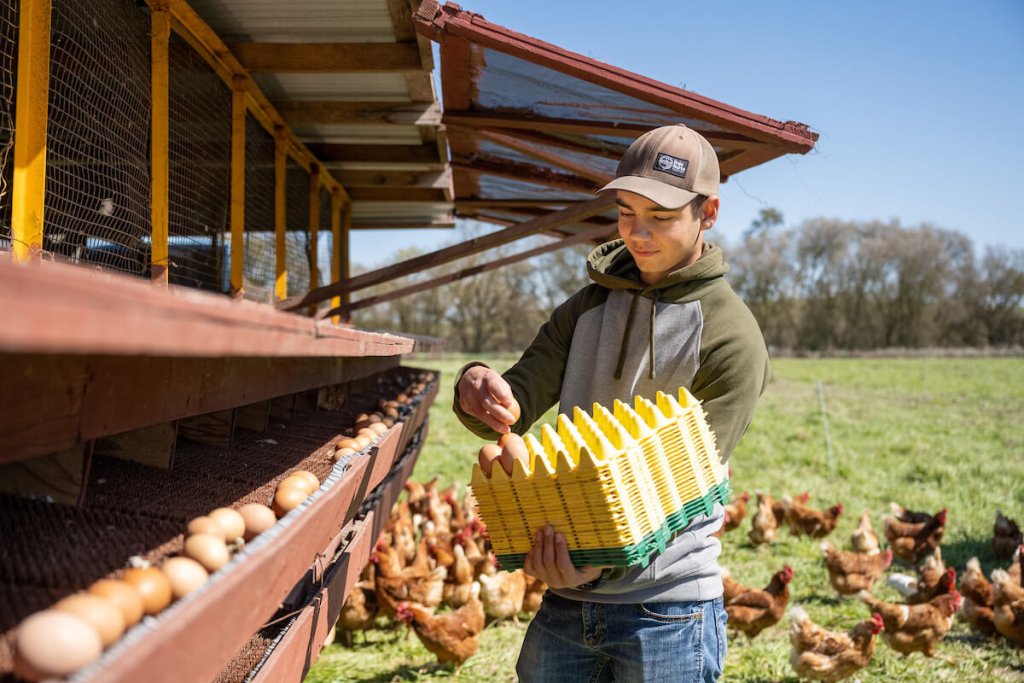
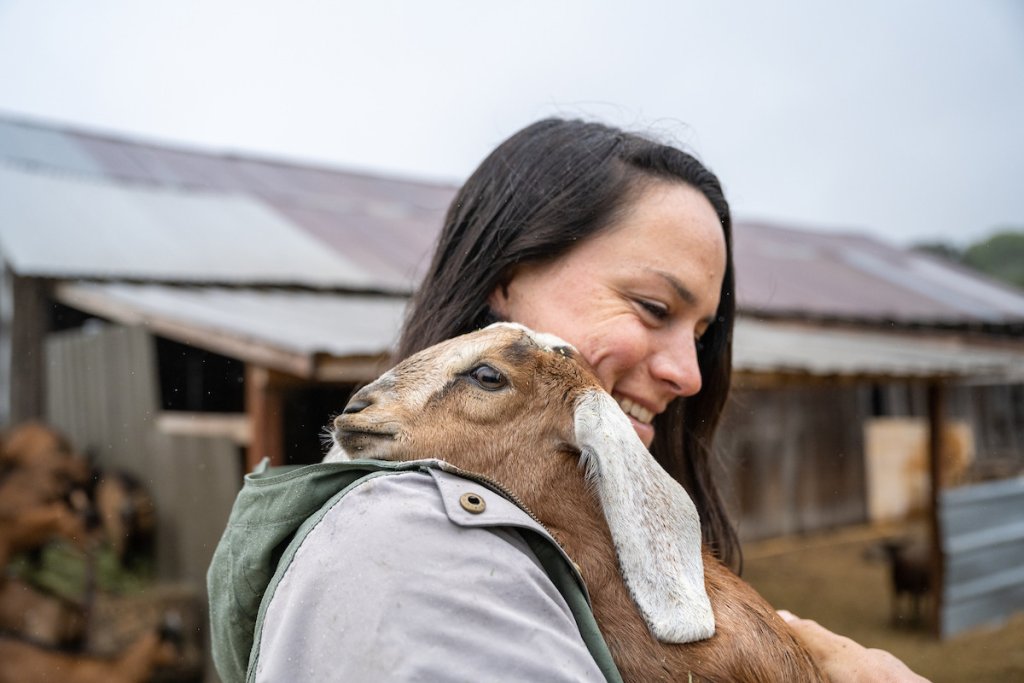
(Burlington, VT) The U.S. Department of Agriculture’s Natural Resources Conservation Service (NRCS) has selected American Farmland Trust’s (AFT) proposal for $6.4 million through the Regional Conservation Partnership Program (RCPP). Over five years, the project will support livestock farmers in Vermont and New Hampshire to plan and complete conservation projects on their farms.
“Farmers know their land and farms better than anyone. This project is built around what they told us, and around farmers learning from each other. We’re grateful to NRCS, our donors and program partners for the chance to keep going, and we can’t wait to get started,” said Jim Habana Hafner, AFT New England Regional Director and Northeast Managing Director.
AFT’s research with more than 400 farmers found that most already understand their farms’ impacts on natural resources. Acting on that is harder: farmers named cost, labor, infrastructure, time, and technical support as major barriers. A conservation plan is a written roadmap that identifies a farm's land and water concerns and the practices to address them. The project, called Whole Farm Forward, looks at grazing, forage, nutrients, soil health, biodiversity, and farm economics together across the whole farm.
The project is expected to reach more than 200 livestock farms, support conservation systems on roughly 5,000 acres, and produce 50 whole-farm conservation plans. 75% of the 6.4 million in federal funding goes directly to farmers. University of Vermont Extension will provide technical support around forage and grazing, and the Xerces Society will support habitat for pollinators and beneficial insects. Farmers can pair NRCS financial assistance with AFT’s own financial assistance programs, like the Brighter Future Fund Regenerative Livestock Farming Grant. The project will also include field days, training, and farmer-to-farmer learning.
The new project builds on the foundation of AFT's Western New England Regenerative Agriculture RCPP, which has provided technical assistance on nearly 200 farms covering more than 18,000 acres. Together with NRCS, AFT has helped direct more than $7 million to farmers for conservation.
Valleyside Farm in Windham County, Connecticut, shows what these conservation practices can do on a livestock farm. Dairy farmer Lucas Young moved to no-till and began timing his manure applications more carefully. An AFT case study estimated those changes raised his net income by $143,508 a year. His hay yields are 60% higher, and he buys 30% less nitrogen. Young said, “The greatest challenge is to have the courage to make changes to begin with.”
“What we've learned from working with farmers is that conservation can't be separated from the rest of the farm. A grazing decision can also be a feed decision, an infrastructure decision, a labor decision, and a business decision. This project gives farmers the technical and financial support to look across those pieces and invest in changes that work for their farm as a whole,” said Alissa White, AFT’s New England Deputy Director.
The program aims to start enrolling farmers in early 2027. For additional information, please contact Sarah Heller.
###
American Farmland Trust is the only national organization that takes a holistic approach to agriculture, focusing on the land itself, the agricultural practices used on that land, and the farmers and ranchers who do the work. AFT launched the conservation agriculture movement and continues to raise public awareness through our No Farms No Food® message. Since our founding in 1980, AFT has helped permanently protect over 8 million acres of agricultural lands, advanced environmentally-sound farming practices on millions of additional acres and supported thousands of farm families.