A Wisconsin Farm Story Comes Full Circle
With a little help and a lot of hard work, a farming couple brings their vision to life.
Wisconsin’s winter weather had Amy Kroll feeling down—that is, until she received her seed catalog in the mail. Flipping through the pages melted her blues and pushed the cold temperatures and gray skies out of mind.
“We’re putting up our hoop houses tomorrow,” she says with a smile. “I could stay in the greenhouse all day planting seeds. That's the most joyful part of farming for me.”
Amy and her husband, Martice Scales, own and operate Full Circle Healing Farm near Milwaukee. They raise greens, beans, and other vegetables, all sold at farmers markets and through CSA (community-supported agriculture) subscriptions.
All their work aims to create a culture of healing and serve their community.

Successes—and Struggles
Full Circle Healing Farm is successful, and its community impact is clear. But, over the years, Amy and Martice have faced many barriers. Their biggest obstacle has been finding land on which to farm.
“We’ve been farming on rented land for over a decade now,” Martice explains. “Since the beginning, we’ve wanted to be on our own farm, but we haven’t been in a position to do that.”

Renting land can present several challenges. For one, it generally doesn’t allow farmers to build equity. Leasing is often affordable in the short term, allowing a farmer to make a start, but those financial benefits wane over time.
The lack of autonomy and control in leasing also frustrated the couple. For example, Amy and Martice wanted to incorporate livestock into their system, but their lease wouldn’t allow it. They wanted to invest in soil health, too. The organic and regenerative practices they use are good for the soil and, over time, their finances. But soil health takes years to build—and short-term leasing arrangements mean that, at a landlord’s whim, a farmer’s tenure on the land could end, and those investments could be wasted.
These two farmers were stuck—and beginning to feel frustrated.
Creative Solutions to Secure Land Tenure
To move past these renting challenges, Martice and Amy wanted to buy their own land, but like so many other farmers across Wisconsin and the country, they’ve struggled to afford that dream.
Land in the Milwaukee area is expensive. Open space near the city can easily list at $20,000 per acre. If there’s a house on the land, it costs even more. These high prices locked Martice and Amy out of the land market.
“Affordable land access is a huge barrier for farmers,” shares Angie Doucette, American Farmland Trust’s (AFT) Midwest Senior Farmland Program Manager. “Honestly, it’s one of the biggest challenges facing the future of agriculture. Most beginning and aspiring farmers aren’t looking for anything fancy. They just want land to grow food and their business.”
“We didn’t have ridiculous parameters,” Martice affirms. “We wanted at least 10 acres. We wanted some infrastructure in place, like a barn, and we wanted to be within an hour drive of Milwaukee.” That proximity to the city—and their established markets for farm products—was especially important.
They looked for years with no luck. Then, they connected with two organizations—Renewing the Countryside (RTC) and American Farmland Trust—who offered to help.
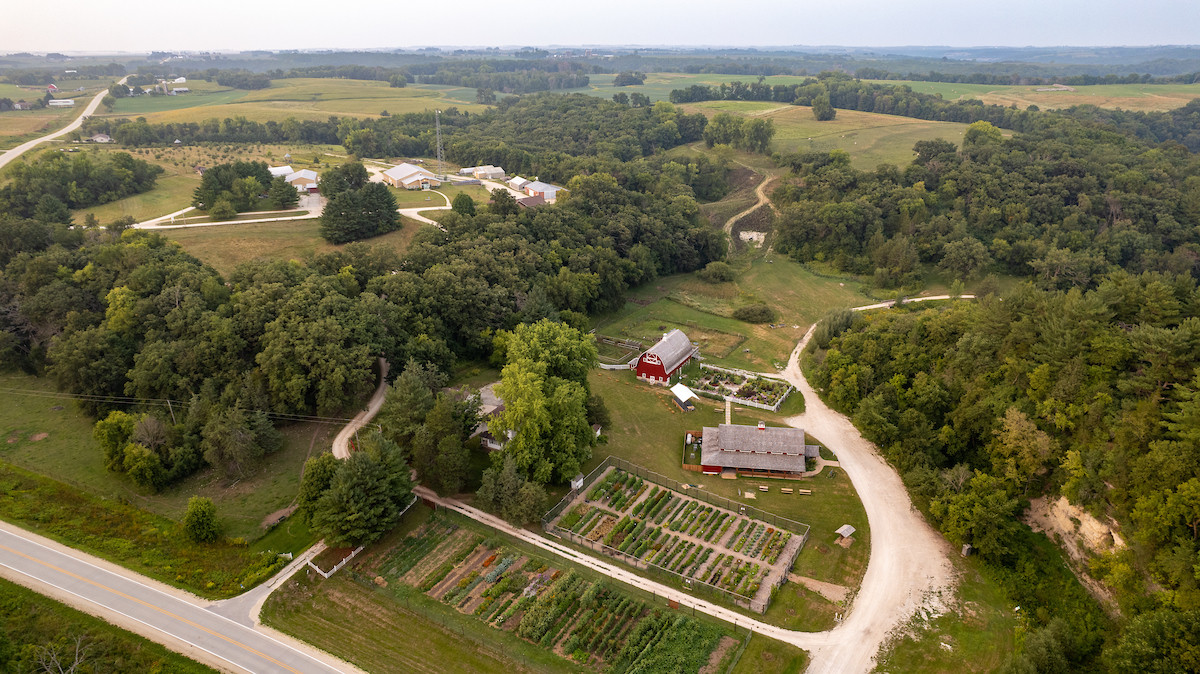
As part of its “Buy-Protect-Sell” program, called BPS for short, AFT connected with landowners in Dodge County who were looking to sell their acreage. Martice and Amy alerted AFT to this property; they had seen it online. At 14 acres, the property had the space they needed to pursue their farming vision and featured a farmhouse and several outbuildings. Crucially, the Wisconsin farm isn’t far from Milwaukee.

“We wanted to jump at this opportunity,” shares Alison Volk, AFT’s Director of BPS and Easement Acquisitions. “Martice and Amy do so much for their community. Helping them navigate the land access challenge and find secure tenure was a priority for us.”
Doucette agrees. “The passion, grit, and care Amy and Martice bring to the Milwaukee farming community is so clear. We wanted to help, and with a leap of faith, they chose to partner with us.”
AFT contacted the landowners, who respected what Amy and Martice were trying to do, and negotiated a reasonable price. Then, the organization bought the property, partly with funds from two anonymous individuals who wanted to support next-generation farmers. “We wouldn’t have been able to do the project without this donor support,” shares Volk.
Now, the organization is working through a process to protect the land with a conservation easement, a legal tool that ensures the farm will be a farm, rather than a subdivision or strip mall, forever.
Amy and Martice will purchase the land—which the conservation easement makes more affordable by limiting the land’s capacity to be developed—from AFT within the next two years, a patient process that gives them time to secure financing. Soon, they’ll transition from farm tenants to owners.
In the meantime, they are working with Renewing the Countryside to refine their business plan, access conservation cost-share opportunities, and explore financing options. This wraparound support is crucial.
“We work with farmers to improve their bookkeeping and financial skills, prepare them to make better management decisions, and assist them in navigating challenges—from zoning issues to accessing loans for equipment or farm operations,” explains Bonnie Warndahl, the Farmland Access and Transfer Specialist at RTC. “By implementing this well-rounded support approach, we’re helping farmers access land and build viable businesses that will sustain them on that land."

Growing Together
Sitting on their Wisconsin farm in Dodge County, Amy and Martice begin to think more about the seeds they’ll soon plant—and who they’ll plant them with.
“Our oldest son is 10,” Amy says, “and we started farming on rented land right after he was born. For his whole life, he’s heard us say, ‘We’re going to get a farm one day, we’re going to get a farm one day…”
And now they have.
Thanks to creativity, patience, and partnerships, Amy and Martice can farm alongside their children on land they will soon own. Together, they can root into place. They can grow.
Their story is far from finished. But like the farm, it has come full circle.
.jpg)