Skip to content

April 1st, 2026

Big Lessons in Appreciating the Midwest's Little Details  

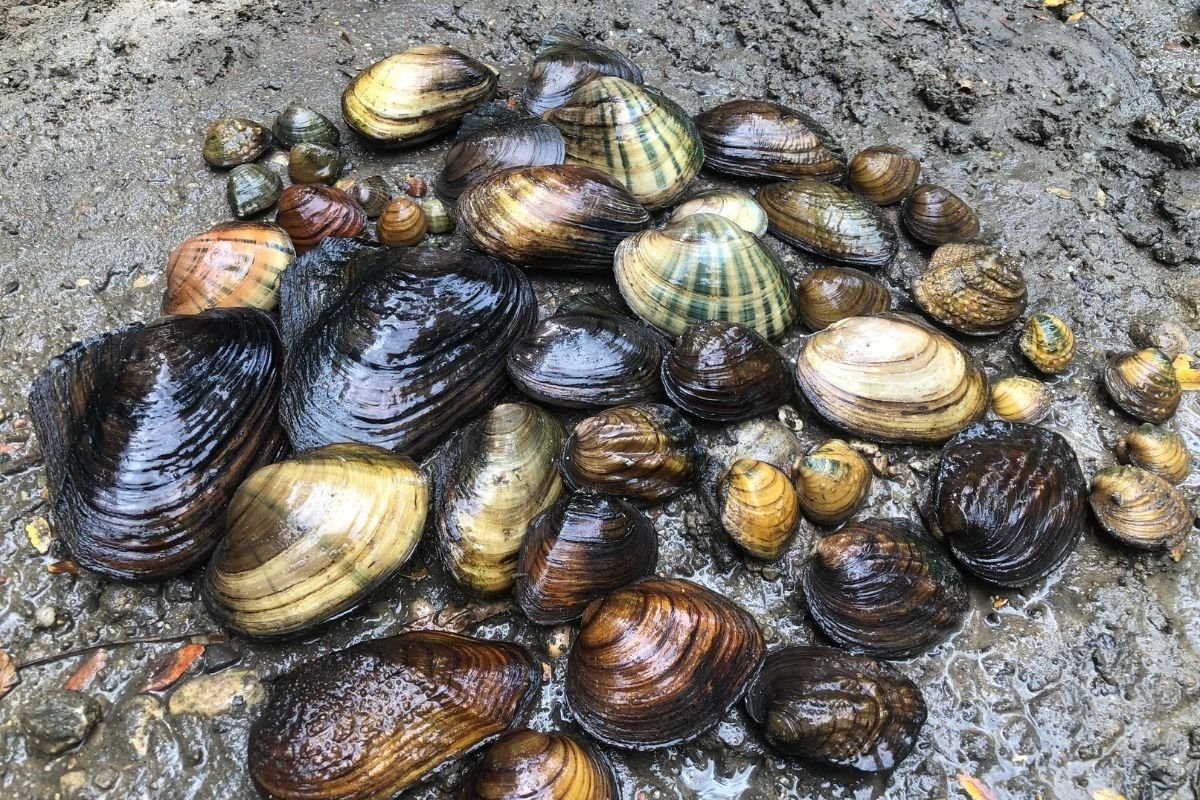
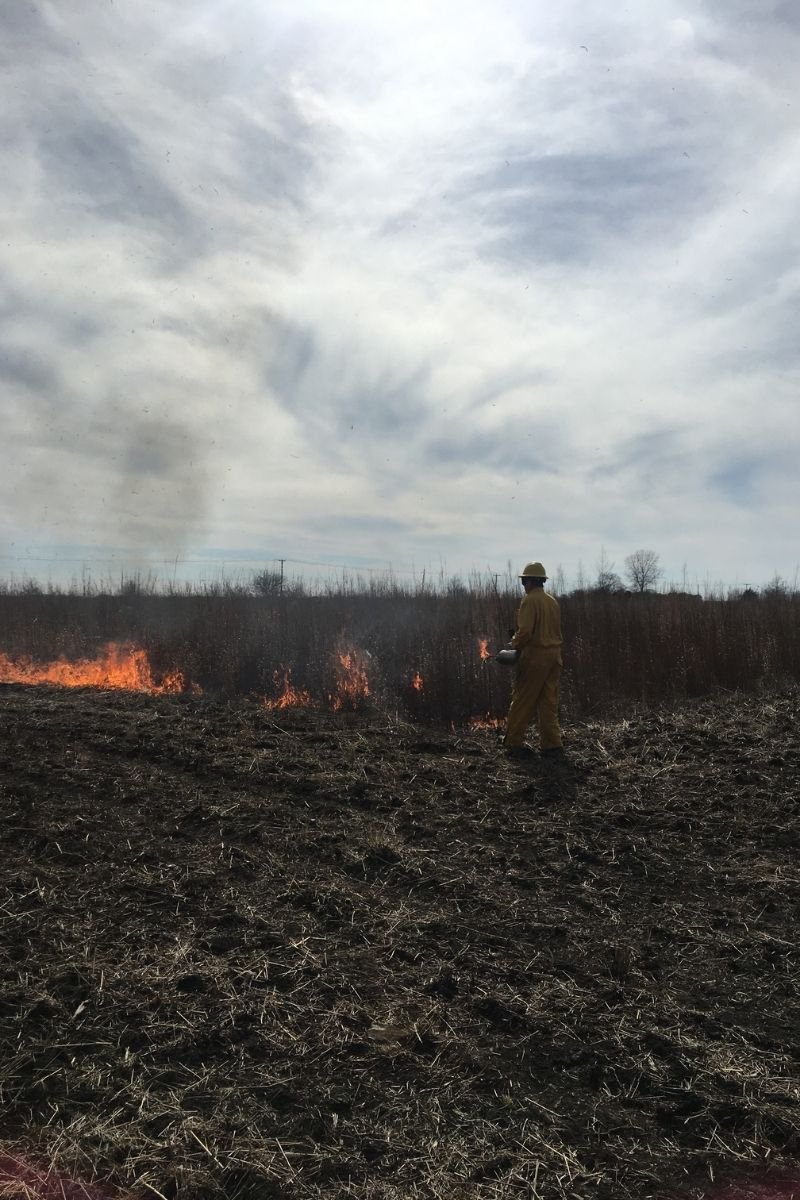
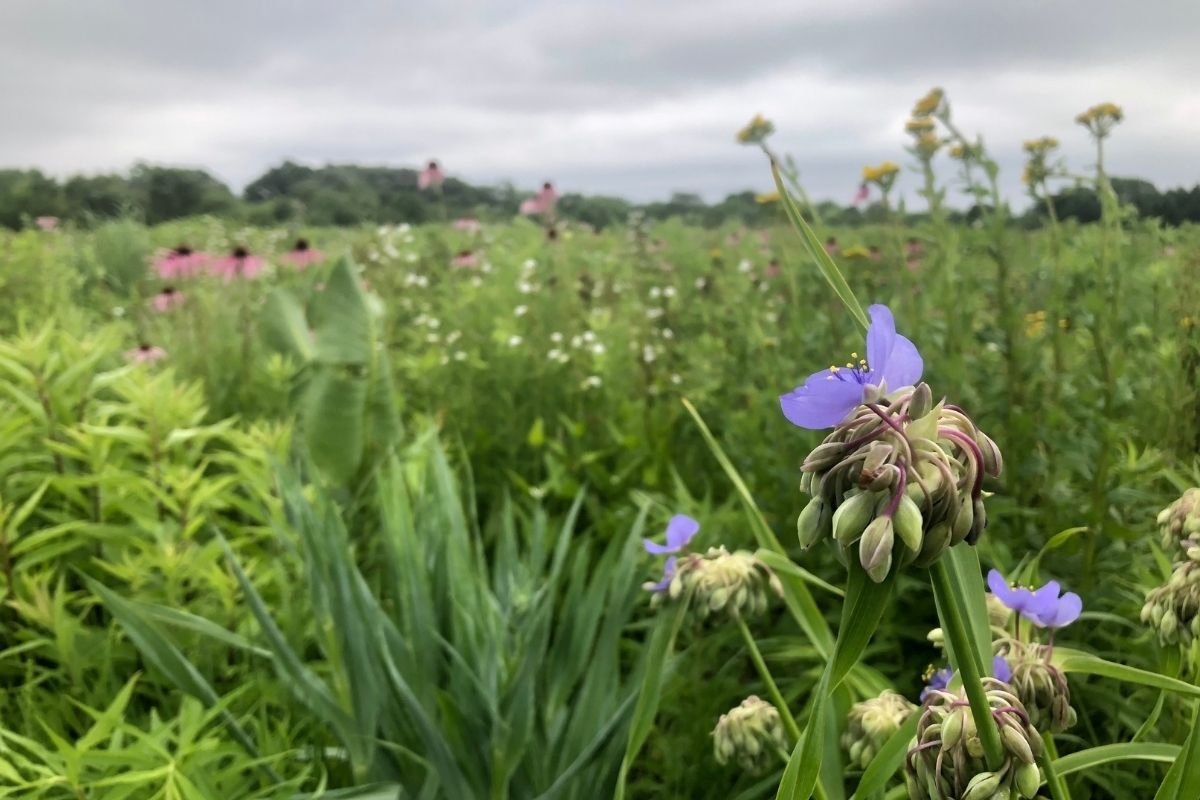
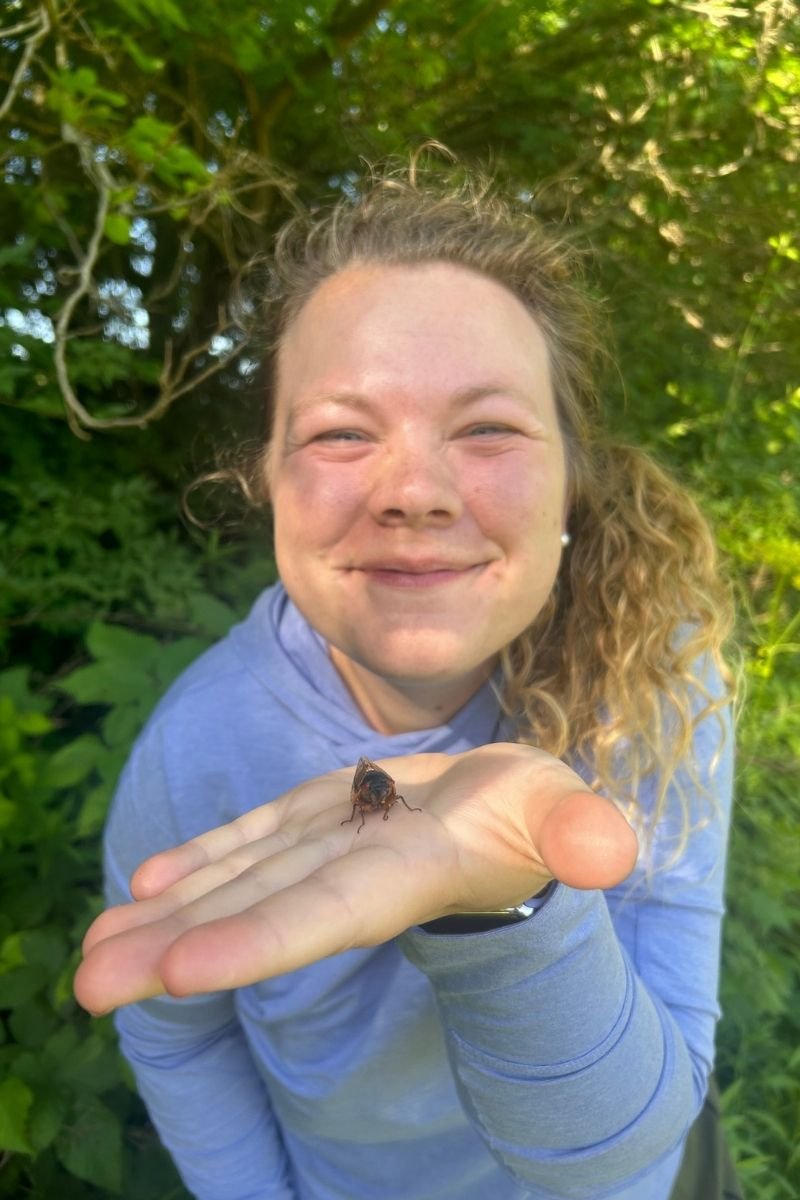
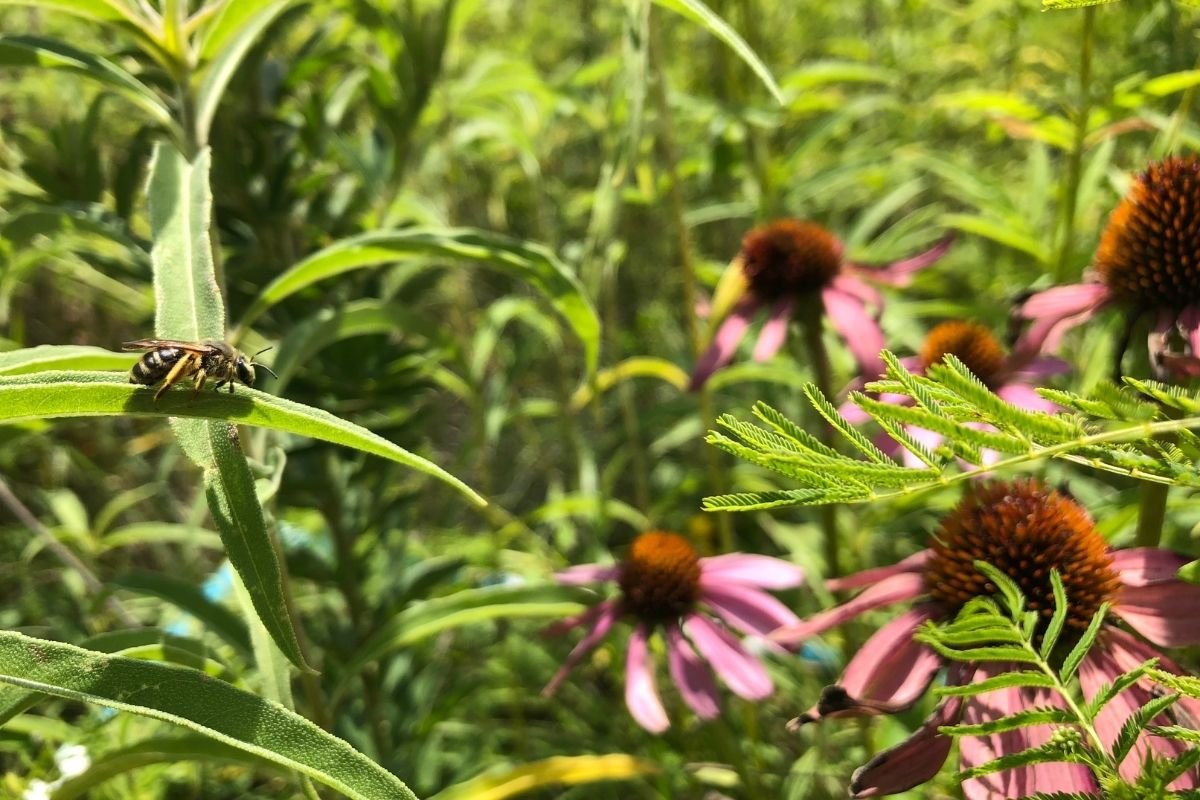
I grew up in Illinois, and here you learn to notice what I like to refer to as “little” nature. Little nature doesn’t demand your attention in the same way as more dramatic and grand landscapes; you have to give it your attention. You see little nature in the evolution of prairie flowers across the seasons, in the subtle differences between the bee species that pollinate them, or in the hidden life of a creek bed. These are things you come to understand over time by paying attention.   

Growing up, early lessons from little nature led me to conservation and the desire to protect the natural world I was discovering. After completing a graduate degree in Natural Resources at the University of Illinois, I took a position with the Xerces Society and the Natural Resources Conservation Service (NRCS) in California, where I designed and implemented pollinator habitat conservation projects with farmers and ranchers on working lands across the Central Coast. Before I moved away from Illinois, I never really realized how much "little” nature had influenced me. 
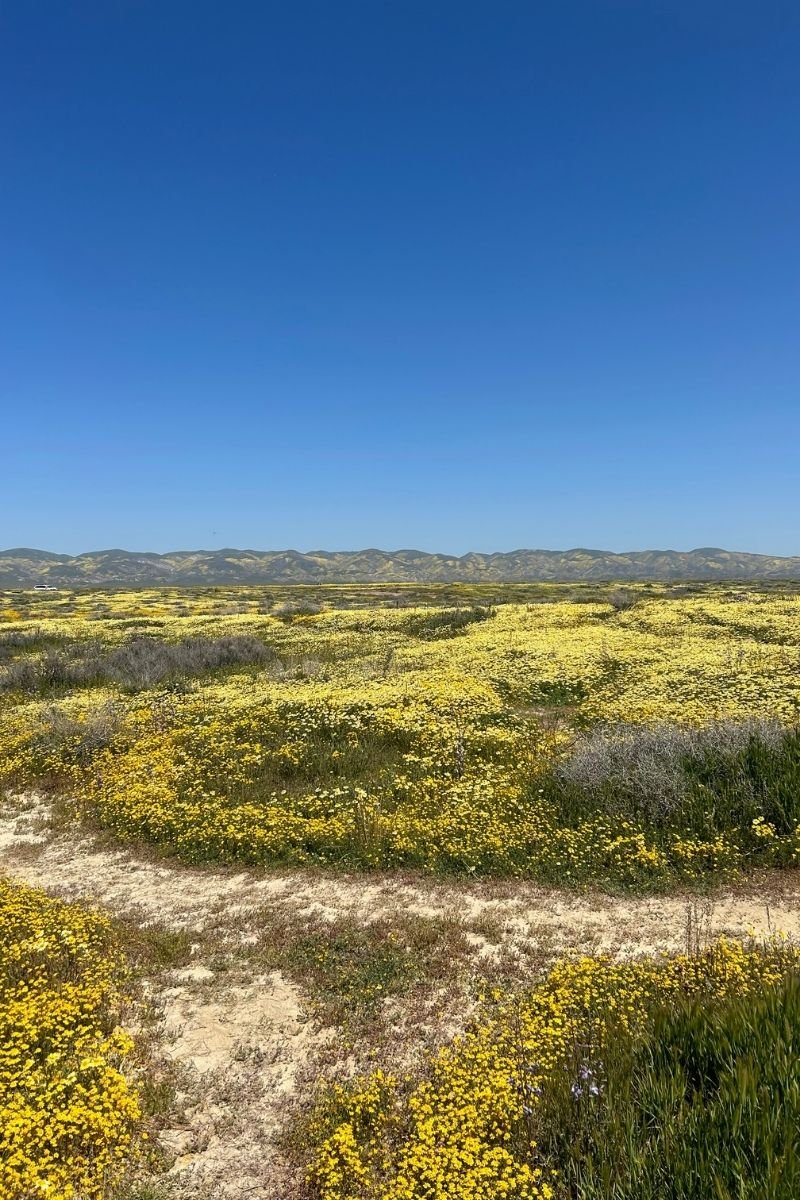
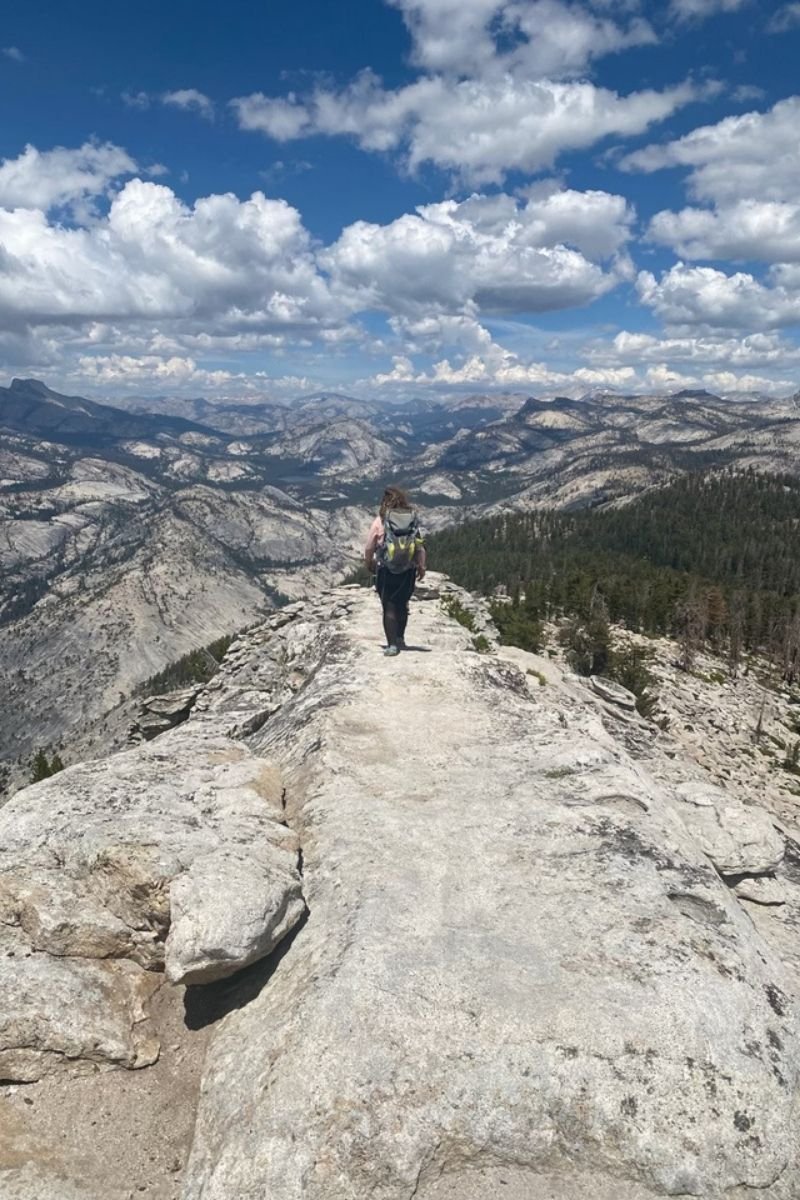
In California, I was surrounded by what I thought of as “big” nature. Mountains reaching high into the sky, the ocean in my backyard, and all manner of outdoor adventure. You could backpack, ski, tidepool, and whale watch all in one place. Even my farmers market was “big” and overflowing with fresh produce all year long. My garden tomatoes flourished through October. It was easy to feel connected to the land just by being there. 

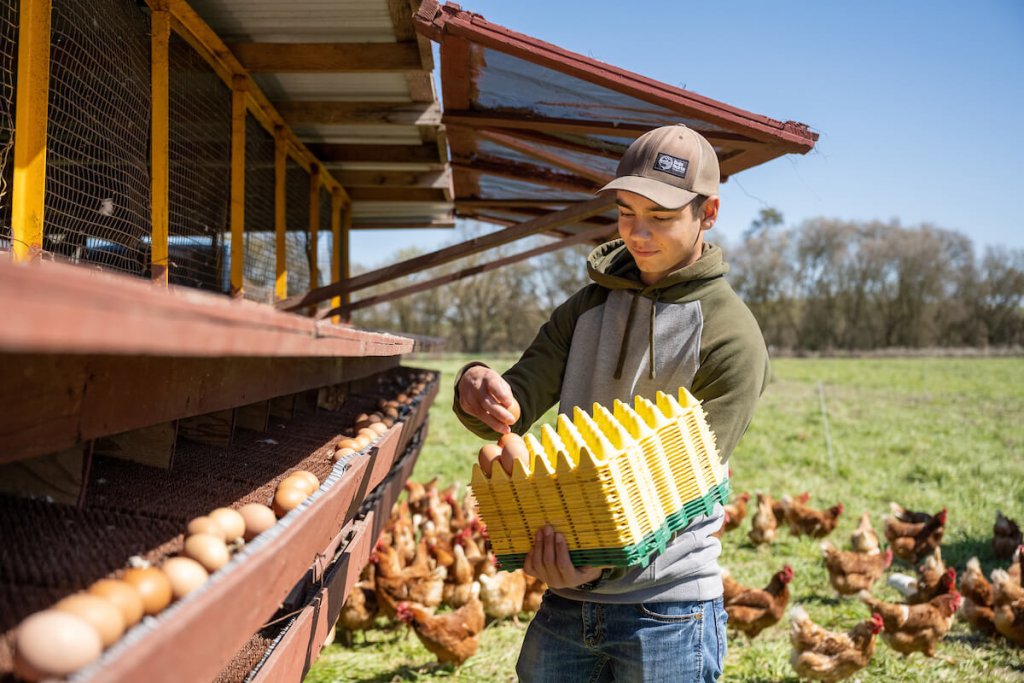
And yet, it was through working with farmers and ranchers at Xerces, NRCS, and my community garden that I began to see agricultural land differently. In its own way, it’s just like all the other big nature because this land does far more than produce food. With the right support, agricultural lands provide wildlife habitat, improve water quality, and contribute to climate resilience. Intentional stewardship in agriculture holds just as much potential for majesty and grandeur as any mountain or ocean. 

Sure, the immense diversity of cropping systems and ecosystems in California were easy to fall in love with. But even then, it was those quieter, more familiar landscapes of the Midwest that I missed the most—the kind that felt like home.

Today, as a Midwest Program Coordinator for American Farmland Trust, I work with partners across Illinois to support the adoption of conservation practices that build soil health, improve water quality, and strengthen long-term farm resilience. Much of that work is about connection: bringing together conservation and ag professionals to align their efforts and share knowledge.  

California's big nature showed me what’s possible when appreciation of the landscape, natural resources, and local food systems is strong and visible. Returning to Illinois, I see those same opportunities taking shape in ways that reflect the Midwest’s unique landscapes and communities. This region may not always announce itself the way the big nature mountains and oceans do, but it offers something just as meaningful: a landscape that reveals itself over time. The more we invest in it through conservation and collaboration, the more there is to see.   

Photo of Maddy Kangas

Maddy Kangas

Midwest Program Coordinator

How can you help?

Get 10% off your First Merch Order

Follow Us