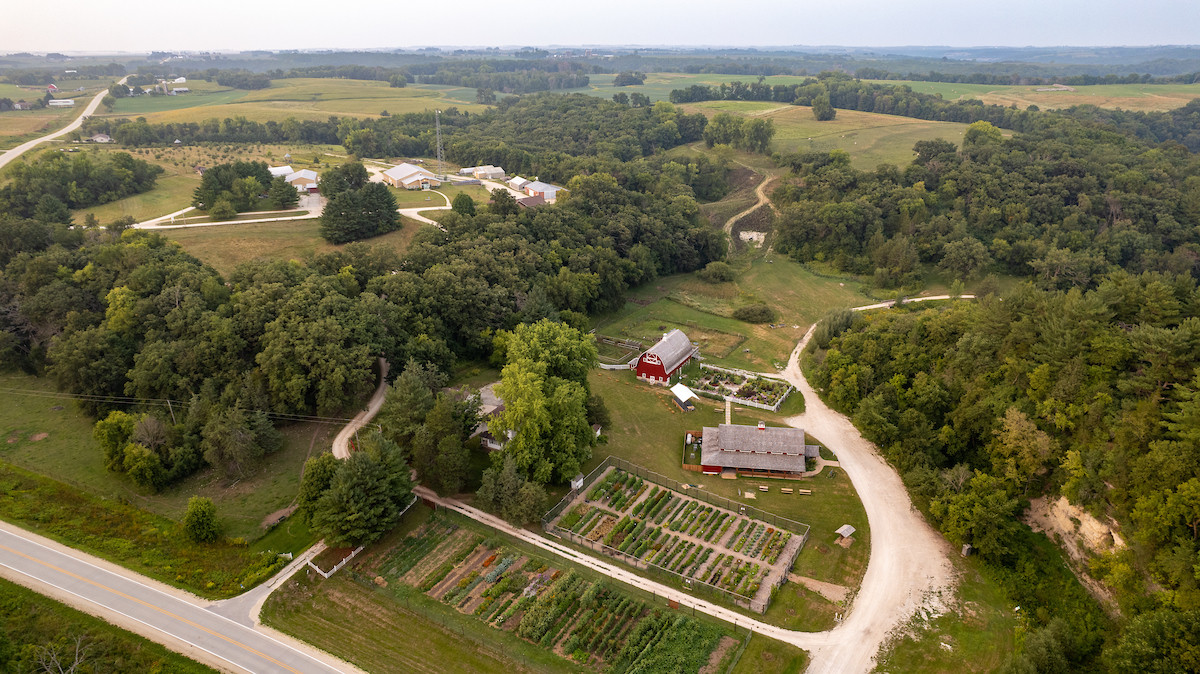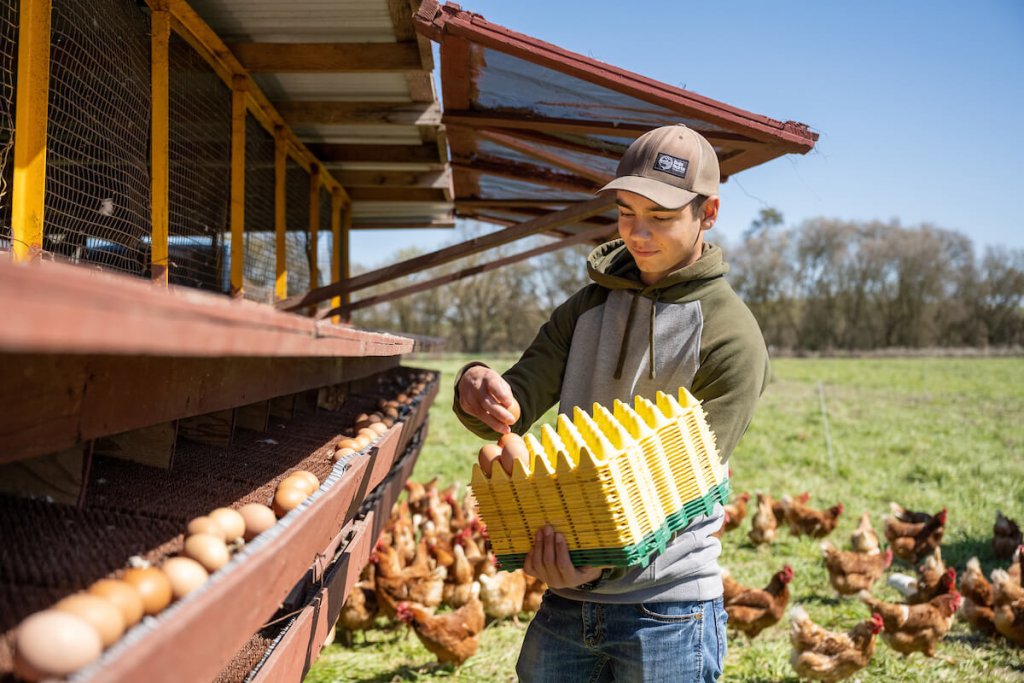

This winter, I hosted a series of informal “virtual coffee chats” with farmers across Illinois. These conversations started with a simple goal: to provide ongoing agronomic support to farmers participating in ADM’s re:generations™ program in Illinois. Through its partnership with ADM, American Farmland Trust works directly with producers to offer agronomic advice and support as they adopt and expand their use cover crops, reduced tillage, and other soil health practices.
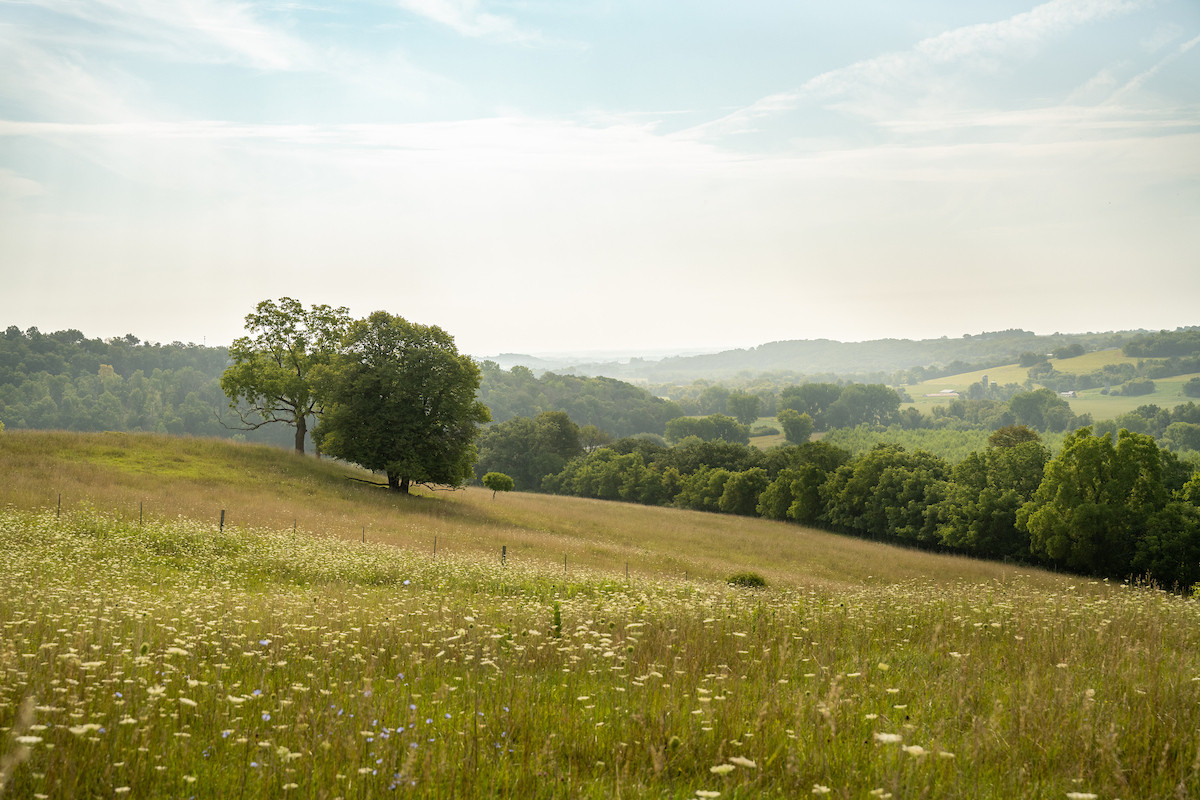
But rather than defaulting to a traditional webinar format, the goal was to create something more interactive — local and more real. A space where producers could talk openly and freely about what they’re observing in their fields, what’s working, what’s not, and what questions they’re still trying to answer. Illinois is a large state! The soil and weather patterns are as variable as the producers who steward the land. Regional conversations kept it all closer to home for everyone, and I know farmers appreciate that.
To help get things started, each session included what I termed a “farmer co-pilot.” These were producers I connected with ahead of time who were willing to share their experiences and perspectives to kick off the discussion. Not as presenters, just as a way to get the conversation rolling. From there, it didn’t take long for others to jump in. Conversational learning is much more down-to-earth and real for the producers.
Decisions Are More Situational Than Ever
One theme that came up over and over again was how situational farm management has become.
Weather — especially drought conditions and uneven and unpredictable rainfall — continues to drive a lot of decision-making. Whether it was cover crop establishment, termination timing, or planting strategies, there wasn’t much talk of “this is the right way to do it.” Instead, most farmers described the need to be adaptive in real time.
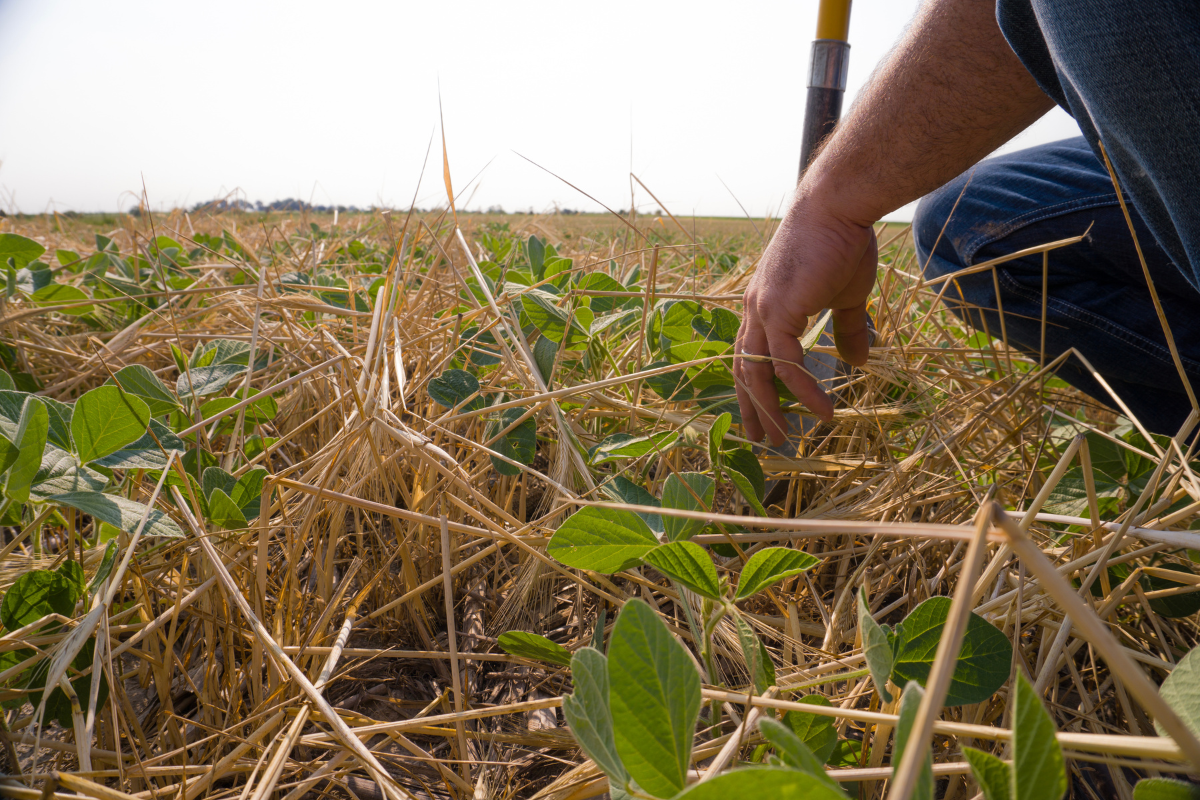
Planting green is a good example. This is the practice of planting the season’s cash crop (typically soybeans for most around here) directly into a living cover crop (typically cereal rye), then terminating the cover crop later at a time of the farmer’s choosing. The practice is growing in popularity because of the flexibility and potential to maximize the benefit from the cover crop. Some are fully leaning into it and adjusting as conditions change. Others are more cautious, especially when moisture is tight. Either way, the common thread was flexibility. Plans are made, but as the old saying goes: “No plan survives first contact.”
The Realities of Cover Crops, Weeds, and the Long Game
Cover crops were at the center of nearly every conversation. Most Illinois farmers pointed to clear benefits when management and nature line up — better weed suppression, improved soil structure, and increased water infiltration. Cereal rye continues to be a workhorse, especially ahead of soybeans, with several farmers noting that it doesn't need to be impressive to provide meaningful weed control. At the same time, there's growing curiosity around other species like winter barley and more diverse mixes.
But these systems don't come without challenges. Establishment was a major topic, particularly in dry falls or when seeding into standing crops. Several farmers shared frustrations about uneven stands or seed that simply never got going because it didn't get the water it needed.
Weed management added another layer of urgency. Waterhemp continues to be a major pressure point, and several farmers talked about declining effectiveness from herbicides they've relied on in the past. That's pushing more growers to think in terms of systems rather than single solutions—using cover crops more intentionally for suppression, being more precise with application timing, and trying alternative tools when they make sense. There wasn't a single "answer" that rose to the top, but there was a clear shift toward more thoughtful, layered approaches.
And then there's the long game. Illinois farmers talked about improvements in infiltration, soil structure, and overall resilience — but not always in ways that show up immediately in yield data. The mindset was less about short-term gains and more about building a system that performs consistently over time. As one farmer put it, "Sometimes we expect results too quickly, when in reality it can take a few years for things to start working the way we hope."

Different Paths, Shared Conversations
One of the more valuable aspects of these conversations was hearing just how differently similar practices are being implemented. In southern Illinois, long-term no-till systems paired with continuous cereal rye are helping manage erosion on challenging ground. In central and northern regions, farmers are experimenting with strip-till, different species mixes, or adjusting fertility programs to make things work. Even when the goals are similar, the path can look very different based on management style, geography, and countless other factors.
Having a farmer co-pilot join each session helped get the conversation started, but the real value came from the back-and-forth that followed. These weren't polished presentations—they were honest conversations about what's working, what isn't, and what's still being figured out. And that matters. Because while research and recommendations are important, there's no substitute for hearing how something is actually playing out on someone else's farm.
For me, these conversations play a critical role in identifying needs for additional informational resources to help producers make well-informed decisions. Some of the resources I've helped produce can be found here: [Resources Archive — Illinois Sustainable Ag Partnership. If there is a topic or resource you think is missing and would like to see developed, please reach out to me. For additional opportunities to hear from researchers and other subject matter experts, consider attending the ICON webinar series through the Illinois Sustainable Ag Partnership.
Looking Ahead
The final coffee chat included a short presentation to help frame the discussion around cover crop termination best management practices for this spring, but even then, the goal stayed the same: keep things informal, practical, and grounded in real-world experience.
Based on the feedback and engagement, there’s clearly interest in continuing these conversations and expanding them to include more farmers beyond ADM re:generations. If you are interested in upcoming conversations, please email me so you are included.
At the end of the day, the biggest takeaway might be this: when you create space for honest, peer-to-peer conversation, people are willing to show up — and everyone can leave with something useful.