Cover Crop Grazing: Turning Conservation into Opportunity for Virginia Farms
Cover crops already provide important soil health and water quality benefits. Through a USDA NRCS-funded project in Virginia, American Farmland Trust (AFT) and producer partners are exploring how grazing those cover crops can also create value for both crop and livestock operations.
When drought reduces pasture growth and feed costs climb, many livestock producers start looking for additional forage sources. Across Virginia, some producers are finding that answer in a place already very familiar: cover crops.
A growing number of regional producers are discovering that the benefits of cover crops extend beyond the well-known advantages of erosion control, nutrient retention, and soil health improvement. When livestock are thoughtfully integrated into crop systems, cover crops become a forage-producing asset while still delivering conservation benefits. For livestock producers, cover crops provide high-quality forage during periods when perennial pasture growth is limited, helping reduce feed costs and allowing perennial pastures time to recover. Grazing livestock can help cycle nutrients, build soil organic matter, and support the next cash crop.
More Than a Winter Cover
Through a Conservation Innovation Grant (CIG) funded by USDA's Natural Resources Conservation Service (NRCS), AFT is working with producers and advisors to explore practical approaches to integrating livestock grazing into cover crop systems.
“In modern agriculture, I believe livestock integration is the missing link.”
Spring 2026 marked the project’s first grazing season, which includes four participating farms spanning Virginia from as far north as Loudoun County to as far south as Franklin County. The project brings crop and livestock producers together to evaluate whether and how Virginia cover crop grazing can generate conservation benefits like improved soil structure and enhanced nutrient cycling while also expanding forage resources and potentially strengthening farm profitability for both parties. These collaborations encourage producers to share resources while exploring mutually beneficial opportunities.

One participating livestock producer, Tyler Lineweaver of Ginger Creek Farm in Culpeper County, recently described the advantages of grazing cover crops:
"This allows our pastures at home to have a break and time to rejuvenate and grow and has taught us a lot about the ins and outs and importance of rotational grazing."
Similarly, row crop producer Daniel Austin, of Green Sprig Ag, notes positive outcomes.
"In modern agriculture, I believe livestock integration is the missing link. It is making for healthier soils, healthier cattle, and I think it is going to make for healthier crops, specifically more nutrient-dense grains where there is animal impact."
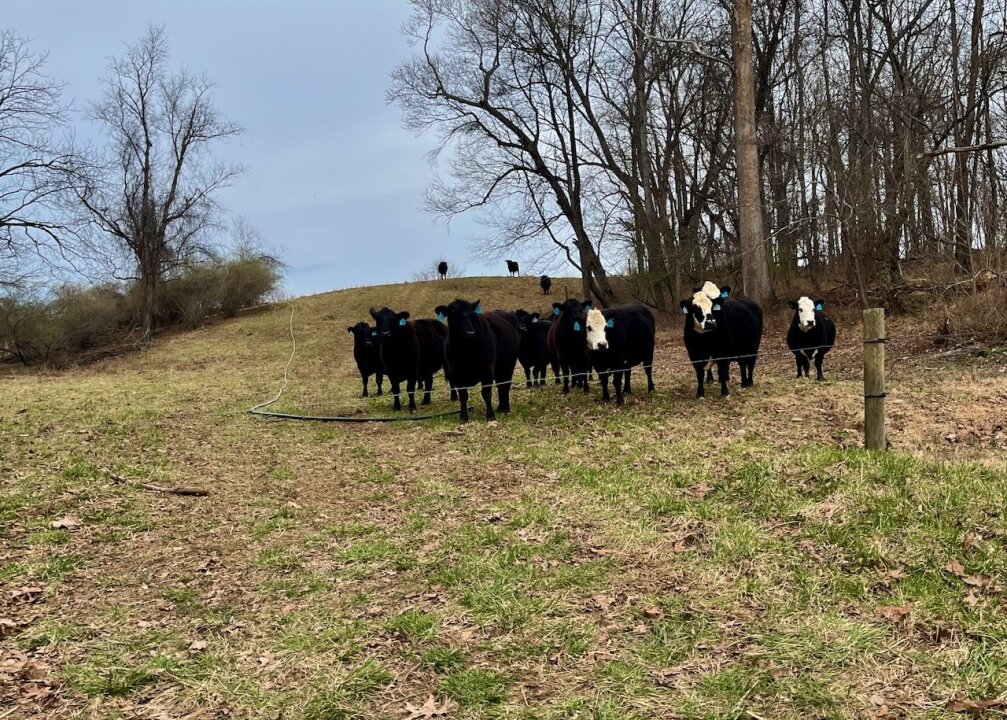
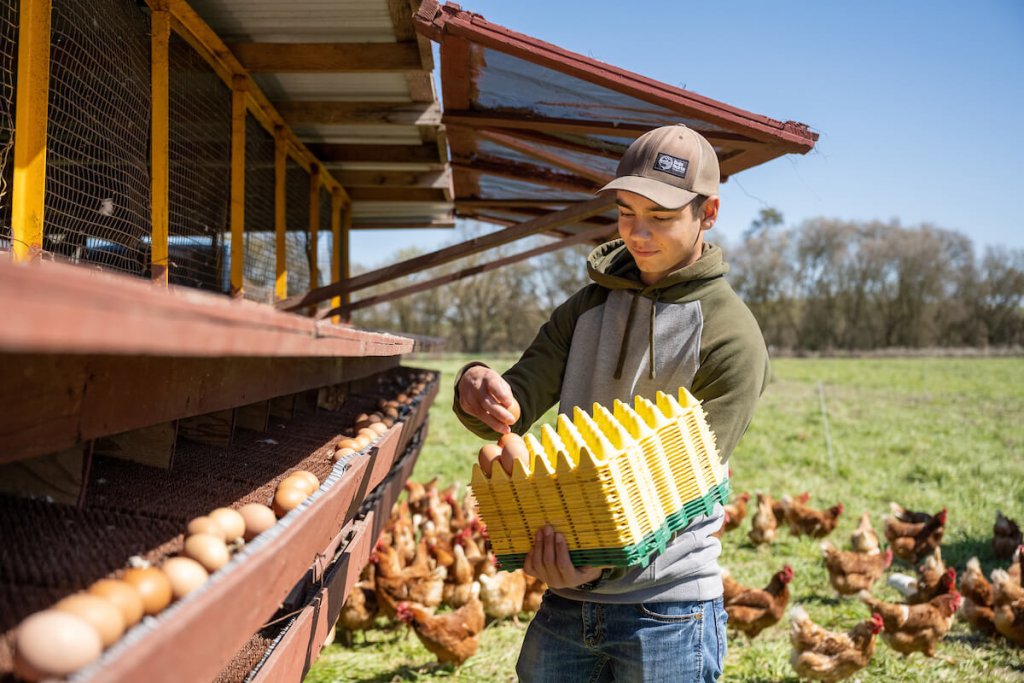
The timing of this project has been particularly valuable during recent dry periods. Producers shifted cattle onto cover crop acres, reducing pressure on perennial pastures and preserving those acres for later use
If the Benefits Are Clear, Why Isn't Grazing Cover Crops More Common?
Despite the advantages, cover crop grazing is not yet widely adopted across much of Virginia.
One of the biggest hurdles is infrastructure. Many crop fields were not designed for livestock. Fencing, corrals, and water systems are uncommon in today's crop production landscapes. Decades of agricultural specialization have resulted in crop and livestock operations that are physically and operationally separated.
Timing also presents challenges for producers interested in grazing cover crops. To produce sufficient forage for grazing, especially in the fall, cover crops ideally need to be established earlier in the season. This requires seeding into standing corn or soybean crops, using aerial application, or adjusting crop management practices. Likewise, maximizing grazing opportunities in the spring demands flexibility in cash crop planting and fertilization schedules.
“One of the first questions crop farmers ask is, ‘Will cover crop grazing compact my soils and negatively impact my crop yields?’”
Crop producers raise concerns about soil compaction, particularly when livestock graze fields during wet conditions. Effects can vary depending on soil moisture, stocking density, grazing duration, and management practices. One objective of the project is to better understand how those factors influence crop production outcomes.
“One of the first questions crop farmers ask is, ‘Will cover crop grazing compact my soils and negatively impact my crop yields?’” said Jacob Gilley a consulting advisor for the project from JG Land & Livestock,. “Projects like this one lessen the risk to producers considering cover crop grazing and help them experiment with new techniques. It’s truly eye-opening for them and has huge impacts for agriculture and conservation throughout the region.”

Testing Practical Solutions
In addition to focusing on key research questions, the project is evaluating accessible solutions that farmers can realistically implement.
Taylor Adam, AFT’s Mid-Atlantic Livestock and Grazing Manager, explains, “Grant funding can help demonstrate what’s possible, but success depends on what works for producers. Our goal is to understand what practices and technologies make cover crop grazing practical and economically viable for producers while improving soil health and supporting farm profitability.”
To help address barriers related to infrastructure, water access and system management, project partners are testing several approaches:
Permanent, semi-permanent, temporary, and virtual fencing systems
Solar-powered pumping systems and removable above-ground water lines
Different cover crop establishment methods, including aerial seeding, fertilizer spreaders, and no-till drills
Diverse cover crop mixtures and weather-monitoring tools
Participating producers are also collecting observations, management data, and yield information to help determine whether managed rotational grazing can provide conservation and economic benefits while maintaining crop productivity.
By bringing crop and livestock farmers together, this project aims to explore and demonstrate how conservation practices can generate value not only for soil and water resources, but also for the farms that steward them.

Looking Ahead
Although the project is still in its early stages, participating producers are already generating valuable insights into the opportunities and challenges associated with Virgnia cover crop grazing. AFT plans to continue sharing lessons learned through webinars, educational resources, dedicated project website, and on-farm workshops.
Cover crop grazing is not a new idea, but modern technologies, changing economics, and interest in soil health are making adoption more practical for many producers. By bringing crop and livestock farmers together, this project aims to explore and demonstrate how conservation practices can generate value not only for soil and water resources, but also for the farms that steward them.
Interested in Cover Crop Grazing?
Follow AFT Mid-Atlantic on Facebook and Instagram for updates on an upcoming Loudoun County field day this fall. Or reach out to Taylor Adam.