Skip to content

July 27th, 2026

by Emeran Irby

Helping New England Livestock Farmers to Thrive

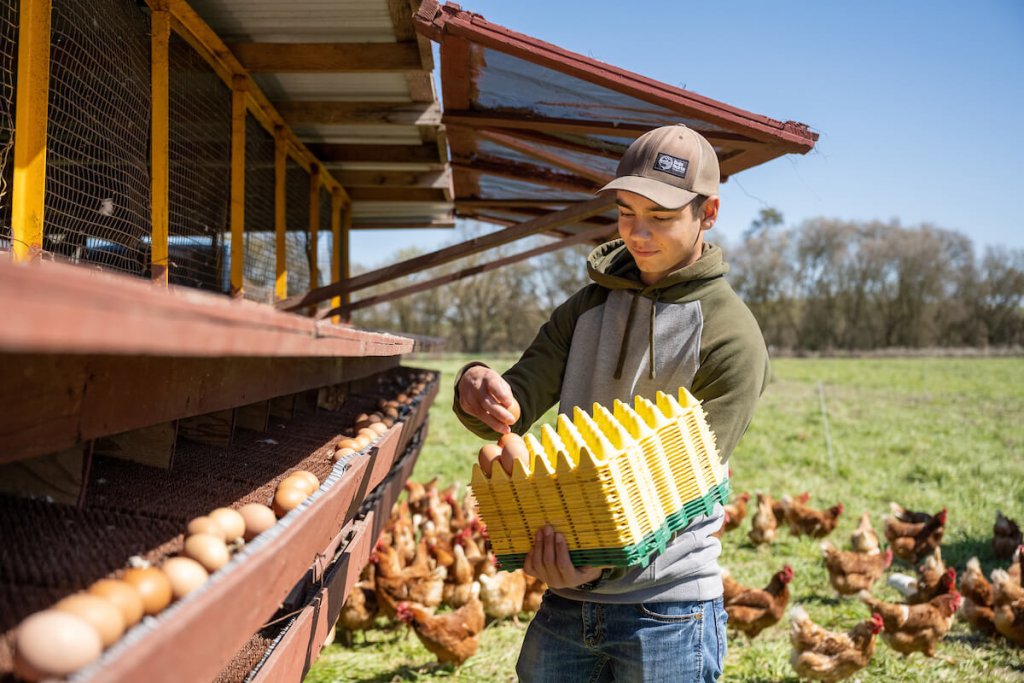
Livestock farms are a constant cycle of care. They manage the immediate needs of conscious, dependent creatures while also growing crops, managing the land, and selling products. Every cycle is uniquely based on the location, the animals, and the people. 

Supporting the unique cycles of a farm involves an equally unique approach. Our New England program has been piloting its own approach, one that is adaptable enough to meet each farm's needs and circumstances. The Integrated Whole Farm Planning Pilot puts the economic resilience and viability of farms and ranches front and center. Through the pilot program, our team offered integrated agronomic, business, conservation, and succession planning support to farms on their terms. They built peer networks, helped farms secure grants, and most importantly provided expert, unbiased help.  

This isn’t a new approach for American Farmland Trust (AFT); we have been working at the intersection of viability, stewardship, and planning since our founding. It does, however, recognize that thriving farms don’t exist in isolation; they depend on a web of support. The Integrated Whole Farm Planning Pilot is putting our Thriving Farms and Ranches initiative into practice, demonstrating that a farm's unique operational cycle cannot exist without a functioning cycle of economic and social support.  

The team started with a few simple questions: what do you need and how can we help?  

“Working with a farm involves building a personal relationship,” said Caleb Smith. “What I start off helping with evolves into something much more comprehensive. Without building that relationship, they would have never let me help with the bigger things.” 

Like the rest of the livestock team, Max Breiteneicher was a farmer before becoming a service provider with AFT, where his role has been serving farms mostly through federal programs. Max explains, “This holistic, farm-first approach of the TFR pilot allows me to deepen these existing relationships, forge new ones, and build trust over time. There’s nothing more important in this work.” 

For many, livestock farming is a way of life. One you can’t clock out of on the weekends. Walking onto a farm, we are almost always walking into a life, and the most important decisions - transition of ownership, restructuring, investing in doing something different - are often the hardest to address. Imagine it like this: you’re working a very difficult job and all your coworkers are your closest friends and family.  

“There are too many competing priorities that make it hard to focus on long-term goals. However, with TFR’s help we are moving forward with a multi-stepped plan to improve soil health, habitat, and animal health on our farm while improving production.”

- -CT livestock farmer

“These aren’t conversations you can have on visit one or even visit ten,” explains Jennie Kapszukiewicz. “It’s through repeated conversations and trust-building that farmers start to share.” In one case, Jennie recalls, after almost a year of working with a farm on grazing and cropping, the farmer revealed he had no clear successor, and land ownership was complicated by family dynamics. Because of the relationship Jennie had built with the farmer, she was able to help support the succession planning process. The opportunity to help with shaping a life takes time, care, and investment. 

The Integrated Whole Farm Planning Pilot believes that all farm decisions are part of a continuum. Conservation investment depends on financial viability, financial viability depends on conservation investment, and both are shaped by the land and the people who steward it. There is no life without the living.  

“It is enormously helpful to have an experienced second set of eyes and ears to see and discuss my plans. It can be hard to make decisions when there isn't someone to bounce ideas off of, ask advice, or ask about someone’s experience. Just having someone knowledgeable to talk with has been a game-changer.”

- MA livestock farmer

Over the past year, the pilot has given the New England livestock team the time and flexibility to witness and support these lives and these farms whose wellbeing is so integral to that of our communities.  

For NE livestock team inquiries, contact Sarah Heller.

Learn More

About the Author

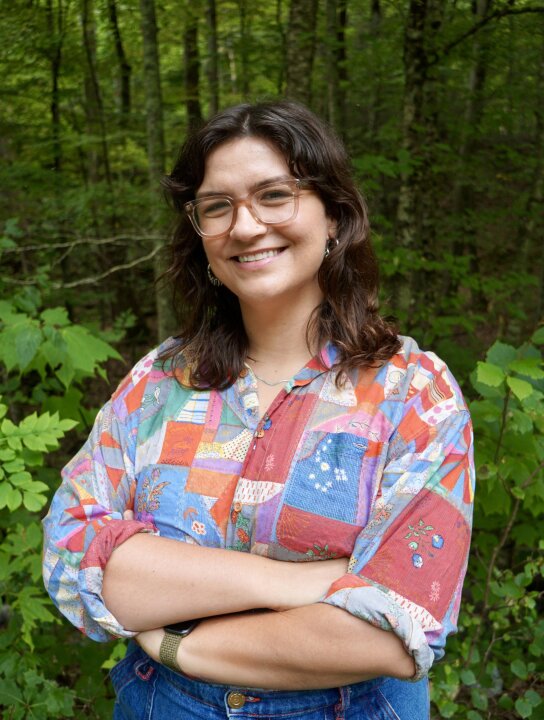
Emeran Irby

Emeran Irby

Sr. Writer/Editor

[email protected]

View Bio →

How can you help?

Get 10% off your first merch order

Follow Us