Skip to content

June 17th, 2026

by Torey Colburn

From the Field
with AFT’s Midwest Conservation Agronomist

Understanding what's happening in fields across the region can provide valuable context for the growing season. While every operation is unique, tracking crop development and emerging challenges beyond your own fence line can help paint a broader picture of regional conditions.

The following is a running field update based on what I’m seeing while scouting across my area—crop progress, field conditions, and anything that stands out week to week.

Each update will highlight corn and soybean development along with any notable weeds, insects, or disease pressure. When something stands out, I’ll share quick context on what it could mean. The goal is to give a simple, boots-on-the-ground perspective of how crop progress and conditions are trending across the region and help you compare it to what you’re seeing in your own fields.

Updates will be posted regularly throughout the growing season, offering straightforward observations, practical notes, and insights from the field.

Check out my latest video From the Field

.
Glance Image

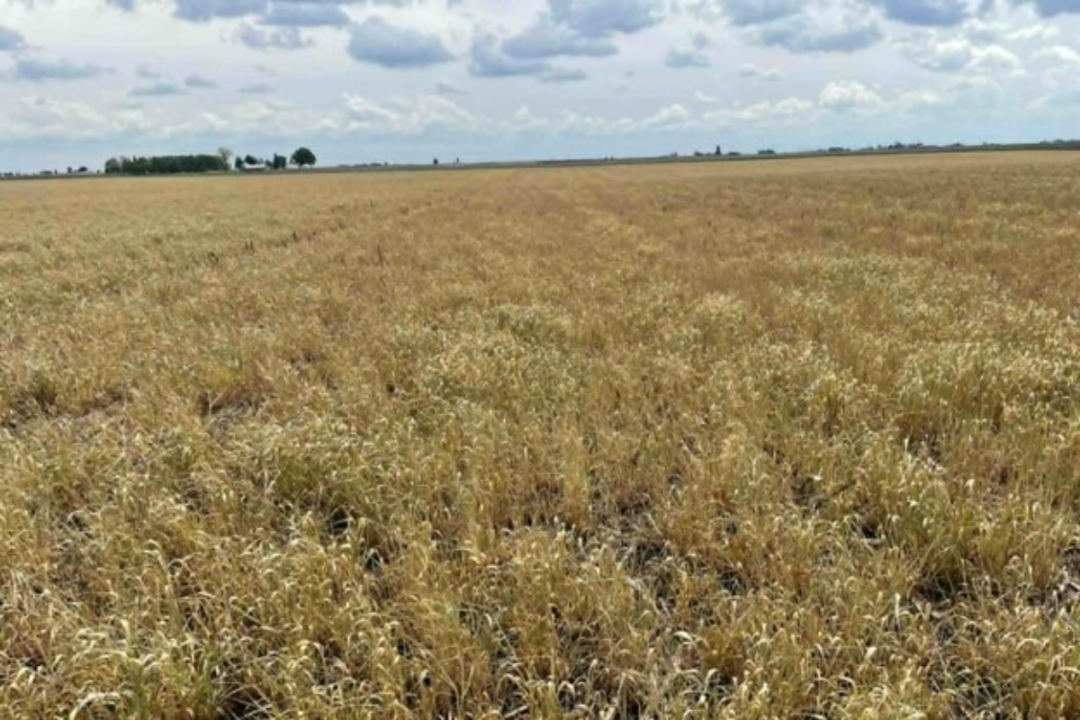
Terminated cereal rye ahead of planting, providing surface residue and helping conserve soil moisture while maintaining good planting conditions.


Northern Illinois - May 8, 2026

Weather & Field Conditions:

Field activity across LaSalle County has picked up over the past week as conditions have improved. Soil moisture is now generally adequate following a wetter stretch, and recent partly cloudy conditions with temperatures near 70°F have allowed producers to make meaningful progress on planting.

Field Activity:

Tillage, pre-emergent herbicide applications, and cover crop termination are all ongoing, with planting continuing across the region. Corn and soybean planting are occurring simultaneously, with an estimated 40–50% of acres planted for both crops. Despite this progress, very few fields have emerged, as cool temperatures have slowed the accumulation of growing degree units (GDUs).

Full Report Summary:

Early season conditions show crops establishing well with variable moisture across the area. Corn and soybeans are progressing steadily, with early weed pressure and fieldwork timing being key focuses. Stand uniformity and weather patterns are setting the tone for the growing season ahead.

Read the full report:

[here]

May 28, 2026
Glance Image

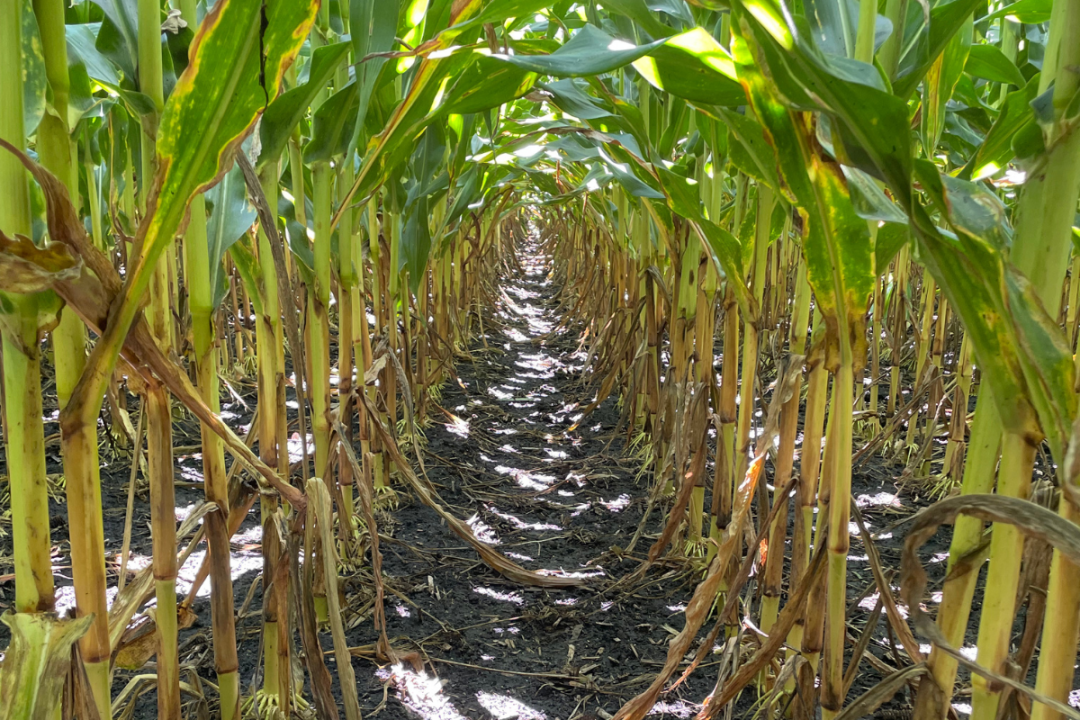
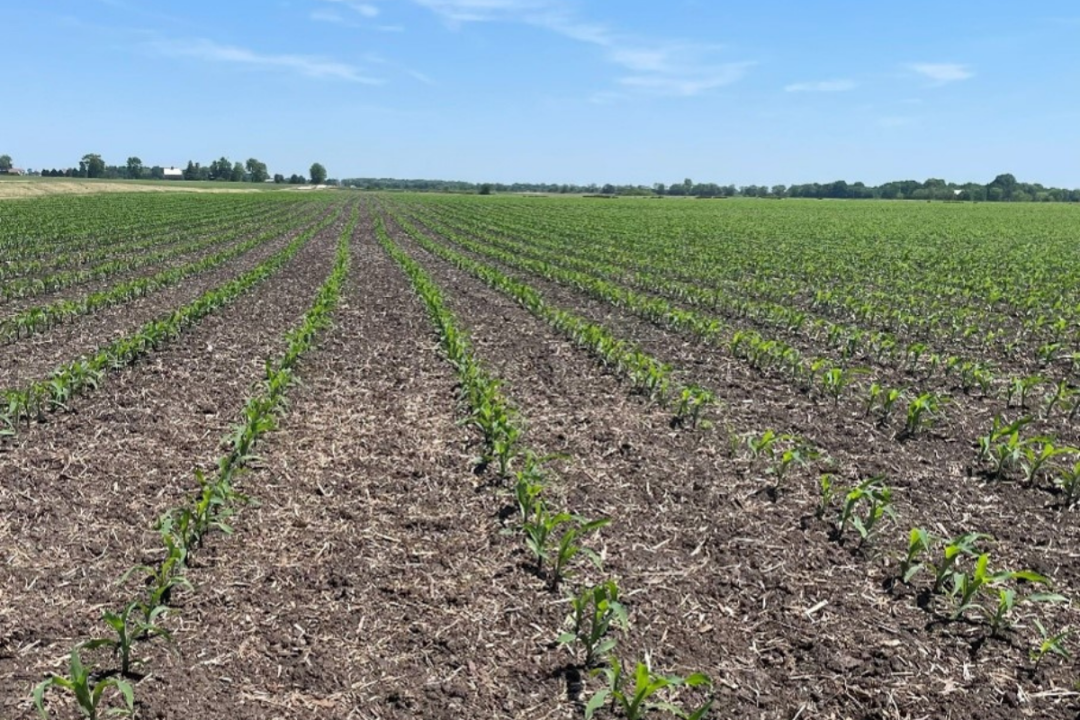
Historically managed with no tillage and a winter-kill cover crop. This corn received one light spring tillage pass and a full rate nitrogen program w/ 32% UAN pre-emerge. Stage is uniform. Corn has good color; no nitrogen deficiency symptoms.


LaSalle/DeKalb Counties - June 2, 2026

Weather & Field Conditions:

Field conditions across the region are currently dry, with sunny weather and temperatures in the low 80s. The area has now moved into D0 (abnormally dry) conditions, and soil moisture is beginning to tighten. A timely rainfall will be important in the near term to maintain crop progress and support the performance of recently applied inputs.

Field Activity:

Field activity has been steady this week. Planting is largely complete for both the corn and soybean crops. Post-emergent herbicide applications are now taking place in both corn and soybeans. Side-dress nitrogen applications are also ongoing in corn.

Full Report Summary:

This report discusses corn crop conditions, like uniformity and transitions in rooting systems. Also included, additional observations and historical context for cover crops and the effect in benefiting the consistency and vigor.

Read the full report:

here

Glance Image

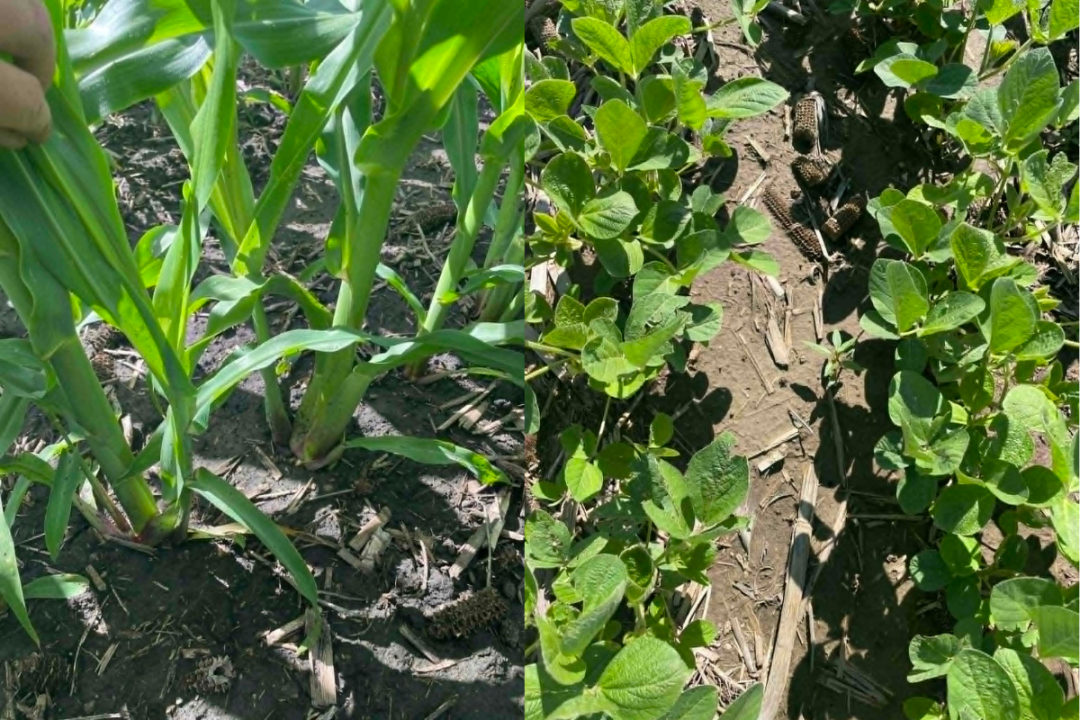
(Left) Tillers in corn are often called “suckers.” Realistically their impact on over yield and performance is minimal if at all. (Right) 2nd flush waterhemp is emerging in this soybean field. This field is panted on 15” rows which will canopy sooner to help provide shade for weed suppression. However, sometimes that isn’t enough. The addition of a cereal rye cover crop may provide additional suppression of multiple flushes of waterhemp.


Northern LaSalle County - June 18, 2026

Weather & Field Conditions:

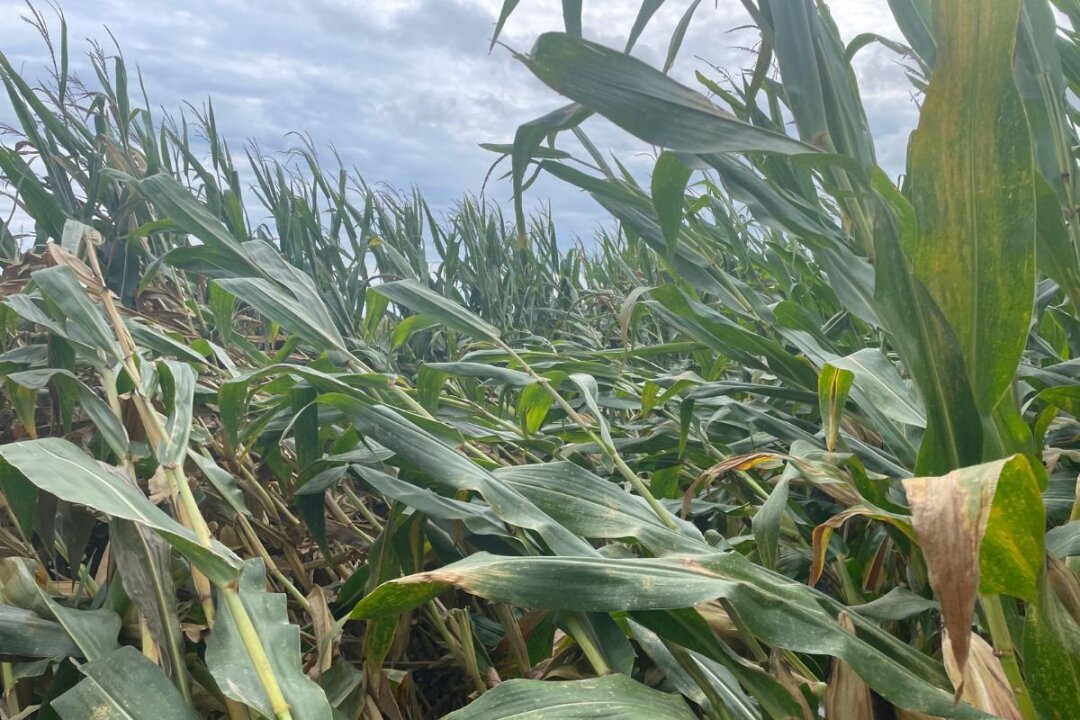
Field conditions across the area are currently wet, with partly cloudy skies and temperatures in the mid-70s. Over the past 10–14 days, the region has received approximately 3–5 inches of rainfall. While this moisture was needed, many fields are now approaching saturation, and producers are ready for a drier stretch. Locally, this area was fortunate to miss the majority of the severe weather that moved through central and east-central Illinois on June 17. That system produced multiple tornadoes and significant hail, with reports of severe crop damage and even total field loss in some areas. It’s a reminder of how variable conditions can be across short distances and the challenges that come with crop production.

Field Activity:

Post-emergent herbicide applications and fertilizer applications continue across the region, with sidedress nitrogen applications nearing completion in corn.

Full Report Summary:

Rapid corn growth has slowed now following recent heat, with side-dress nitrogen applications wrapping up and crops progressing well overall. Soybeans continue to advance with minimal insect pressure. Weed escapes and a second flush are emerging in places. Recent rains improved conditions locally, while severe storms caused significant damage in other parts of Illinois.

Read the full report:

here

Glance Image

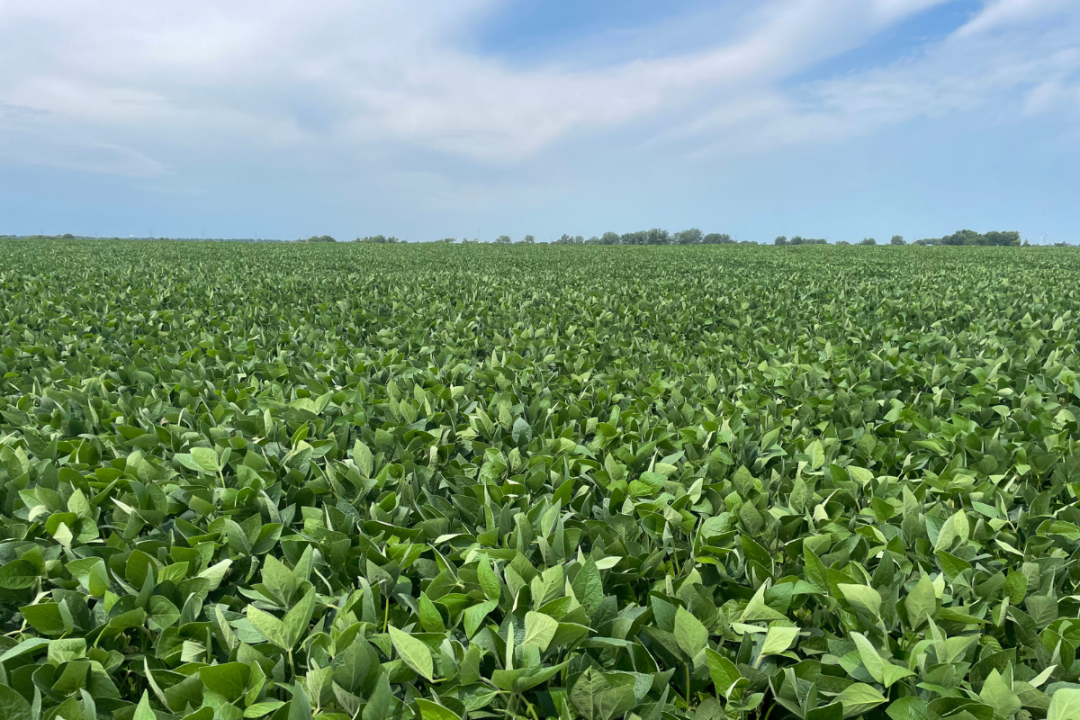
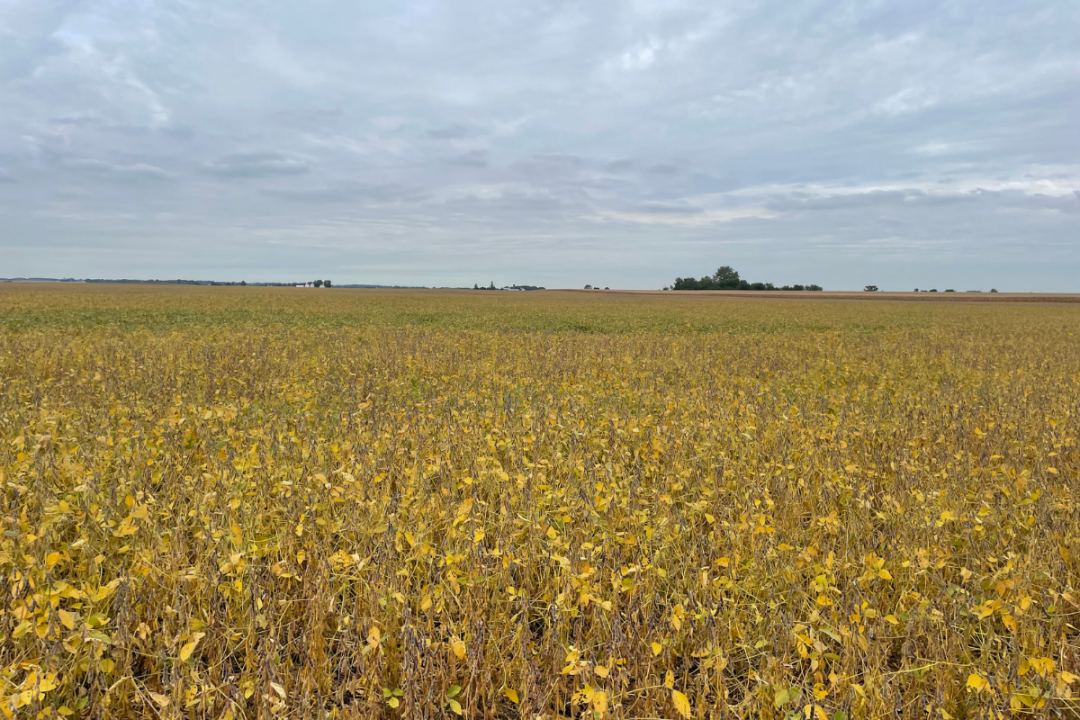
Soybean field in Illinois July summer.


LaSalle/DeKalb Counties - July 24, 2026

Weather & Field Conditions:

Conditions across the area remain adequate, with partly cloudy skies and temperatures around 80°F. Soil moisture is holding for now, but we will need to see some measurable rainfall over the next 2–4 weeks to keep crops progressing and support grain fill—particularly in corn as we move through reproductive stages.

Field Activity:

Field activity has ramped up significantly over the last 10 days. Much of the corn crop is entering or actively moving through pollination, and retailers, along with aerial applicators, are running at a breakneck pace, applying fungicides across the are

Full Report Summary:

Pollination is underway in corn as fungicide applications move into high gear, though disease pressure remains low in most scouting observations. Soybeans are progressing through bloom into early pod with manageable insect activity. Weed control is holding, and cover crops continue to show value. Moisture is adequate for now, but timely rains will be important moving forward.

Read the full report:

here

August 8, 2026

Reach out!

Photo of Torey Colburn

Torey Colburn

Midwest Conservation Agronomist

About the Author

Torey Colburn

Torey Colburn

Midwest Conservation Agronomist

[email protected]

View Bio →

How can you help?

Get 10% off your first merch order

Follow Us