Skip to content

May 15th, 2026

by Claire Shipp

Returning to the Land, Finding Common Ground in Illinois State Policy

As the Midwest Policy Manager for American Farmland Trust, I work with a wide array of individuals and organizations, all bringing their own priorities and perspectives to the proverbial table. In a policy landscape where time, attention, and funding are limited, finding initiatives that resonate across that diversity can be challenging. 

But there is one issue I’ve seen consistently cut across sectors in a way few others can: land protection. 

It might seem counterintuitive. Illinois land protection rarely dominates headlines, and across much of the Midwest, open space can feel abundant. Yet through my work leading a growing coalition – the Alliance for Conserving Rural and Natural Environments (ACRE) – in support of land protection funding in Illinois, I’ve seen advocates from across agriculture, conservation, climate, and community development come together with surprising alignment. In the process, I’ve come to better understand that saving the land that sustains us carries different meanings for different people, but when we return to focusing on the land itself, those differences begin to converge on common ground.
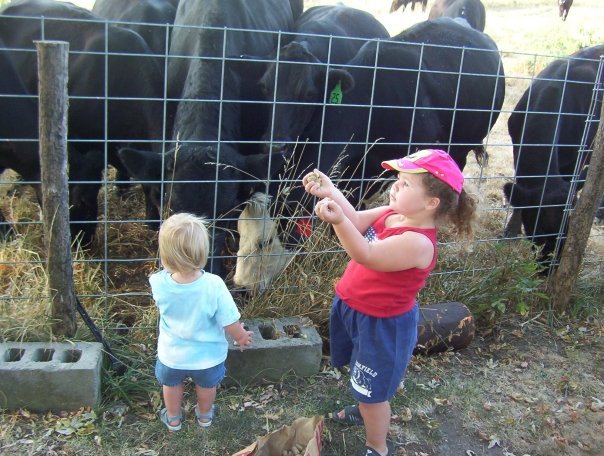
Land Protection Meets People Where They Are

Agricultural organizations care about:

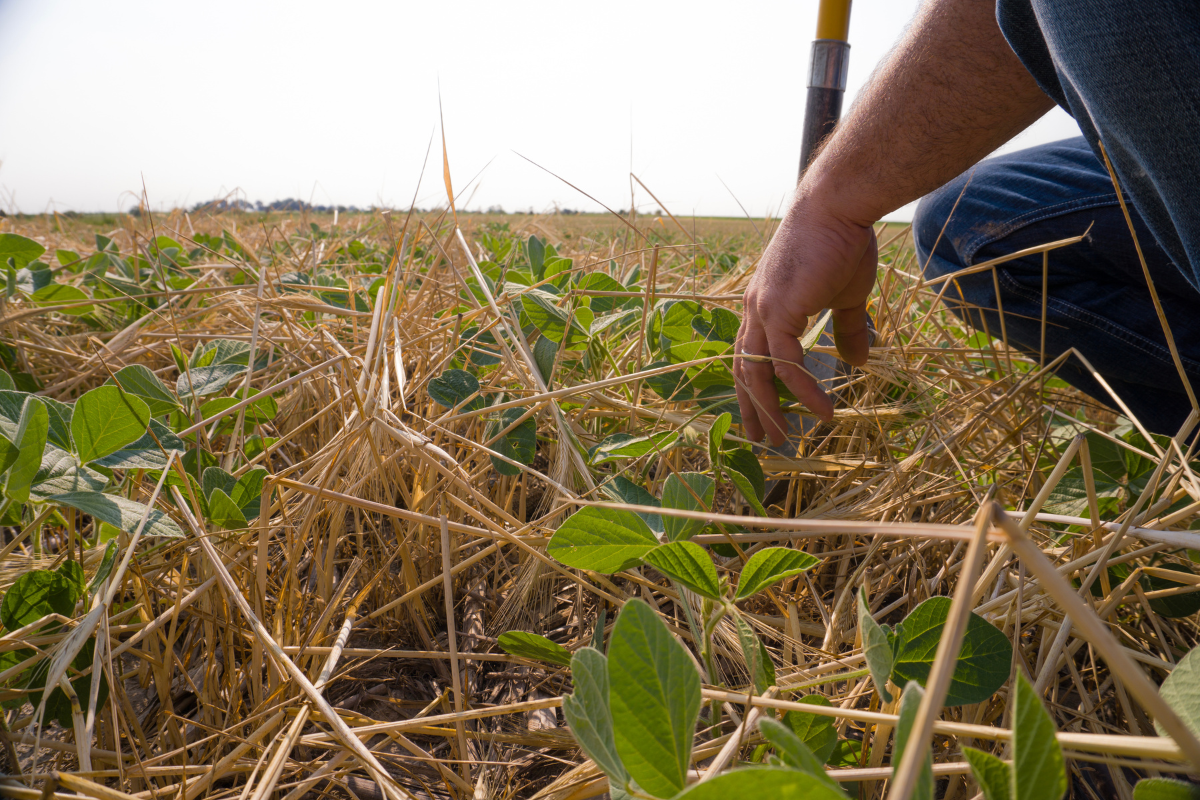
-keeping land in production
-maintaining farm viability
-ensuring the next generation has a chance to farm

Conservationists and biologists, care about:

-protecting biodiversity
-wildlife habitat
-water resources.

Climate advocates care about:

-strategy for carbon sequestration and resilience.

Local governments and planners, care about:

-managing growth
-protecting tax bases
-preserving community character

Food system advocates, care about:

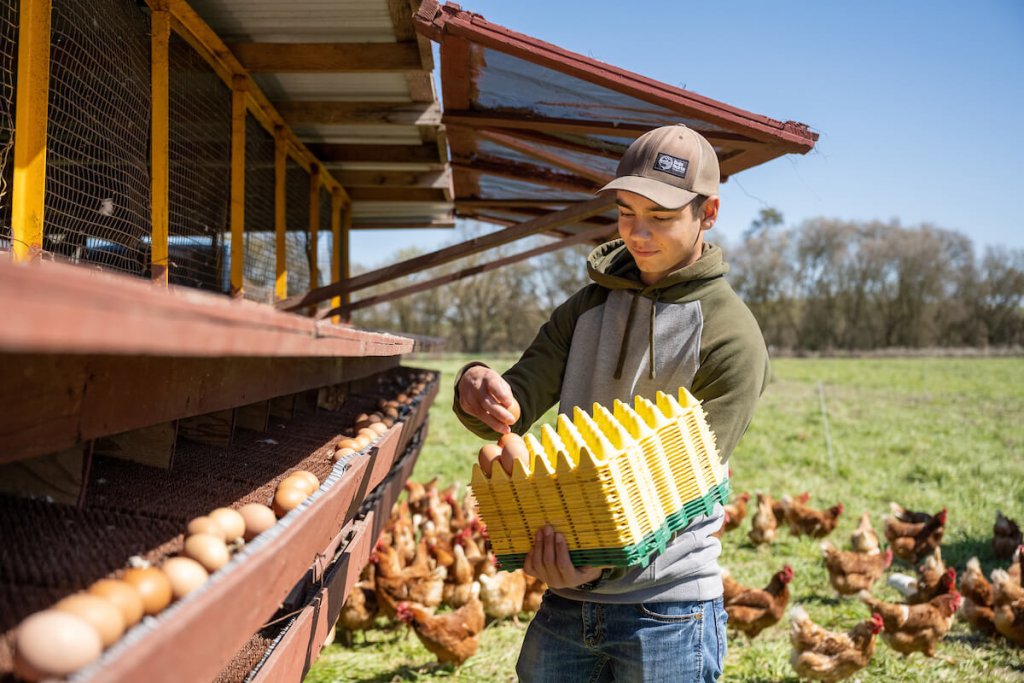
-securing farmland near communities to support local food production

Healthcare professionals, care about:

-access to green space
-clean air
-healthier communities.

Even within these groups, motivations run deep:  the places we grew up, the landscapes that shape our communities, the long-term choices we make about what we leave behind. 

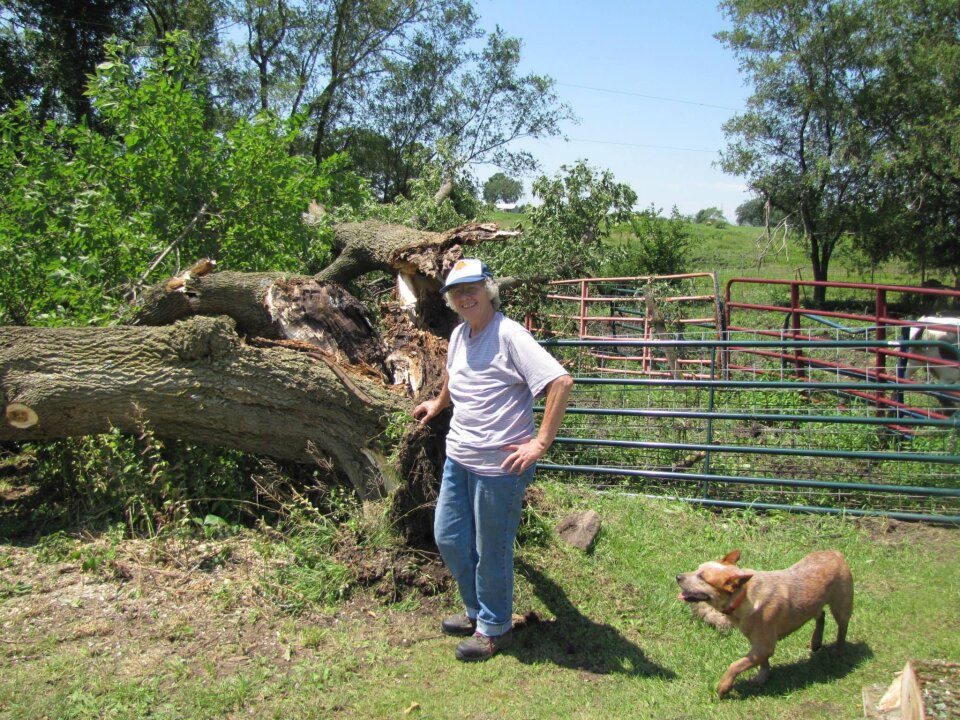
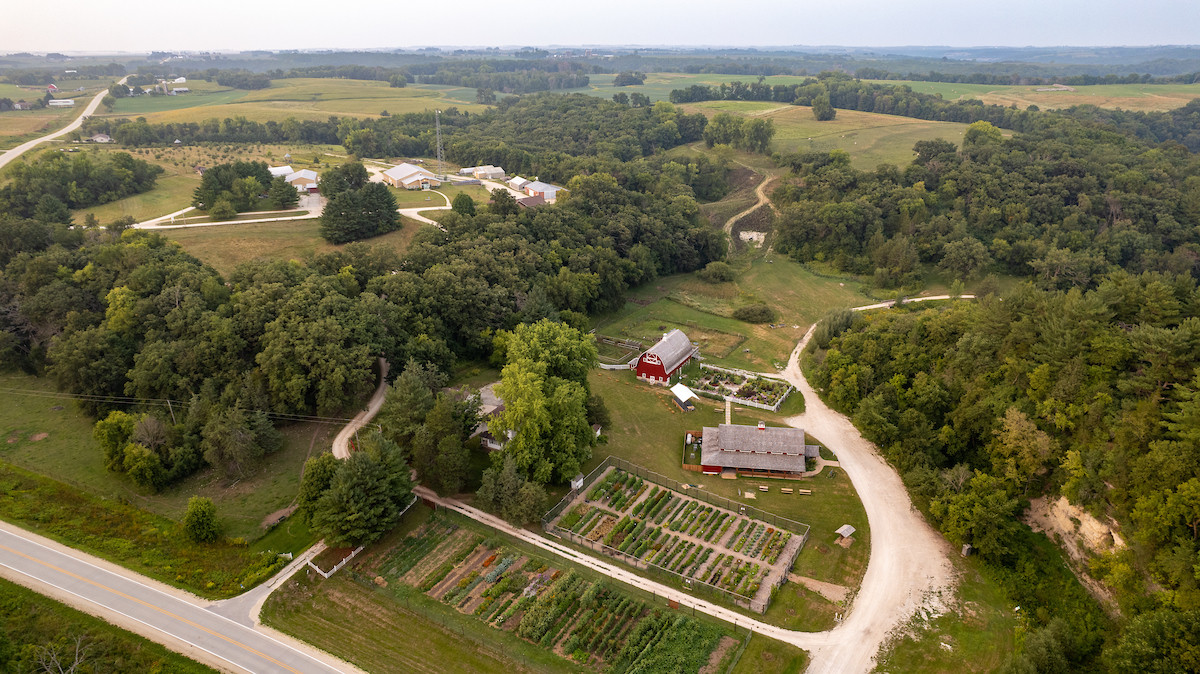
For me, that understanding has evolved over time and became personal when my grandparents’ farm was threatened by an insecure land title. The idea that the place I was raised, the place I call home, could be fragmented and sold brought new clarity to the stakes of this work. “You don’t know what you’ve got until it’s gone” may be a cliché, but it captures something real – the moment when land shifts from being a backdrop to being something you could lose. 

Land is the foundation of our economies, food systems, and natural resources — but it is also the foundation of our identities, our memories, and our sense of connection. Despite very different entry points, the conclusion is often the same. Once land is lost, it is incredibly difficult, if not impossible, to get it back. 

The mission became ensuring farmland was never lost in the first place; this was how the group would protect Illinois.

Alignment doesn’t mean the work is simple  

Over the past year, I’ve had the opportunity to help form ACRE, a coalition focused on advancing Illinois land protection funding. What began as a small group of organizations has grown into a broader network that includes food & farm groups, land trusts, conservation organizations, climate activists, academics, and concerned citizens. While everyone brings their own mission and priorities, there has been a shared recognition that strengthening land protection tools is in everyone’s best interest.  

In practice, organizations are often balancing multiple priorities, limited resources, and different policy strategies. What rises to the top in a given legislative session can depend on timing, political feasibility, and organizational capacity. Even when there is agreement on the importance of an issue, building coordinated support requires trust, communication, and sustained effort, which has made the growing momentum around land protection in Illinois stand out.

This coalition has come together around a common goal: advancing the Illinois Farmer Tax Benefit Act. 

The Illinois Farmer Tax Benefit Act (HB4849) is designed to give landowners more options to voluntarily protect their land.  

At its core, the policy supports the use of conservation easements, voluntary agreements that protect land in perpetuity. For farmland protection, landowners retain their private property rights; the only right they give up is the ability to convert it to non-agricultural development. In return, they receive a financial benefit tied to the value of the development rights they  forgo (essentially the difference between the land’s market value and  agricultural value) accessible through the state income tax credit. 

Because the credit is transferable and can be carried forward, it works for a wide range of landowners, including those without enough income tax liability to use it themselves. This allows farmers to access capital that can secure the long-term viability of their farm — and creates a new source of land protection funding that doesn’t currently exist in Illinois or much of the Midwest. Capped annually and administered by the Illinois Department of Natural Resources, it’s designed to leverage existing local, state, and federal funding.  Similar programs in other states have shown that voluntary, incentive-based approaches can deliver meaningful benefits for both landowners and the public alike. 

What has made this effort meaningful is not just the policy itself, but the way people have come together around it. 

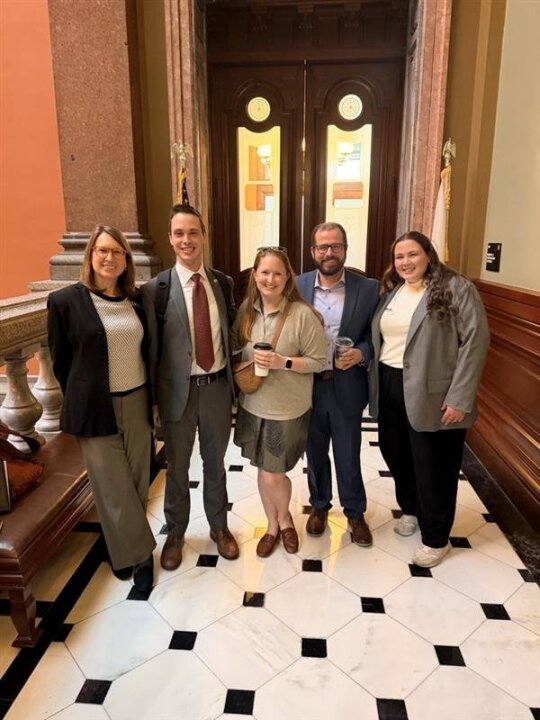
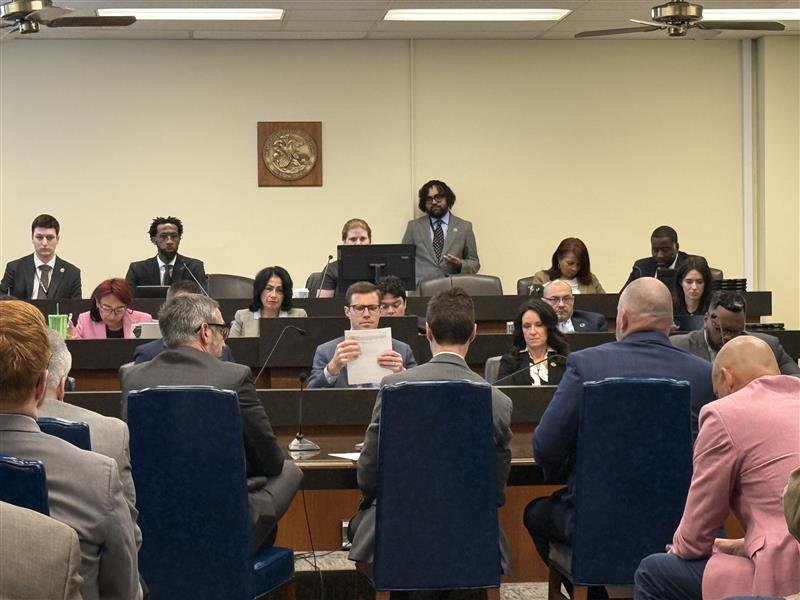
Organizations that don’t always work side-by-side have found common ground. During legislative meetings, one partner noted that “All of the people in these meetings represent organizations I’d consider opponents to my other work.” 

That doesn’t happen by accident. It requires listening, relationship-building, and a willingness to focus on what connects us. 

For me, this work has reinforced why I was drawn to American Farmland Trust in the first place. Land is foundational. It supports our food systems, ecosystems, economies, and communities. And while the pressures facing it are complex, its value is something people can instinctively understand, regardless of background or political affiliation. Helping build ACRE around that shared understanding has been one of the most rewarding parts of my work.

 As Illinois legislators weigh competing priorities in another challenging budget year, there is real opportunity to build on this momentum. The Illinois Farmer Tax Benefit Act is a practical, broadly supported step that would unlock millions of federal dollars for Illinois land protection — and reflects something larger: that protecting the land that sustains us is a shared responsibility, not a niche issue.  

Advancing this work takes storytelling, education, legislative strategy, advocacy, organizing, and outreach. Our diverse motivations, and the wide range of skills and perspectives we bring, are what make this work both effective and enduring. 

If you’re interested in being part of that effort, you can join the Alliance for Conserving Rural and Natural Environments (ACRE) in Illinois or reach out to me at [email protected] to explore how your skills and experience can support land protection in your community. 

About the Author

Claire Shipp

Claire Shipp

Midwest Policy Manager

[email protected]

View Bio →

How can you help?

Get 10% off your First Merch Order

Follow Us