Rooted in Community: Heirloom Grain Farming in Illinois
Over the next few months, we will bring you a short series, Rooted in Community, that takes a deep dive with farmers we’ve had the pleasure of working with through our Women for the Land work.
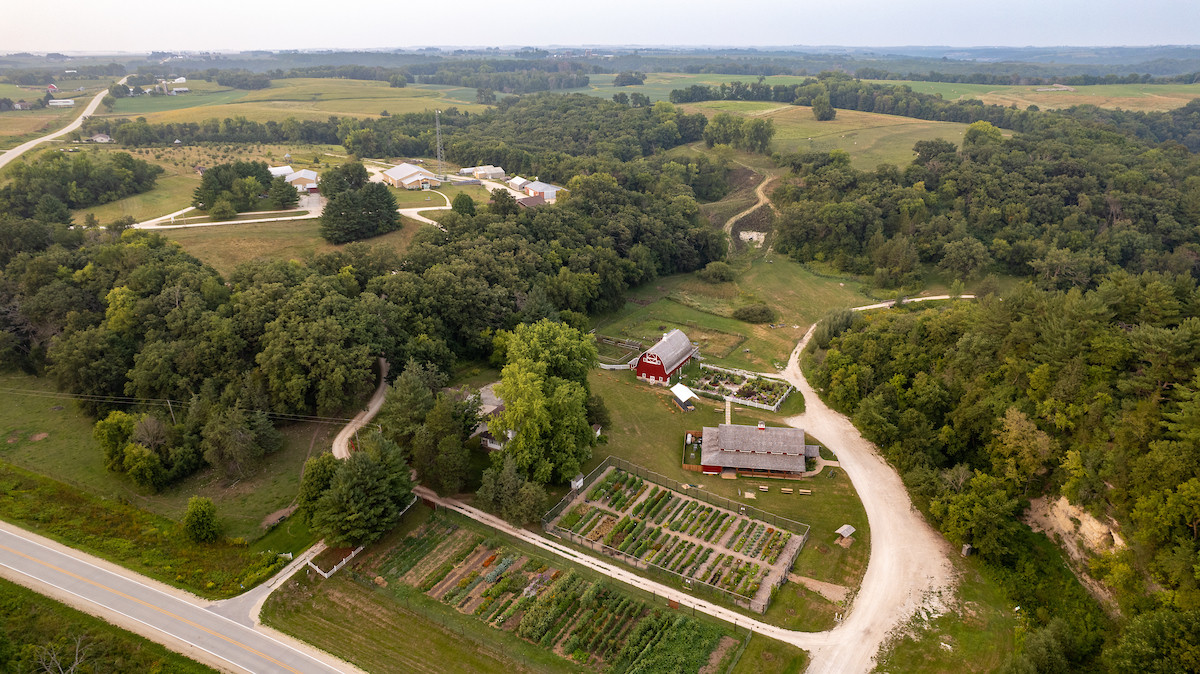
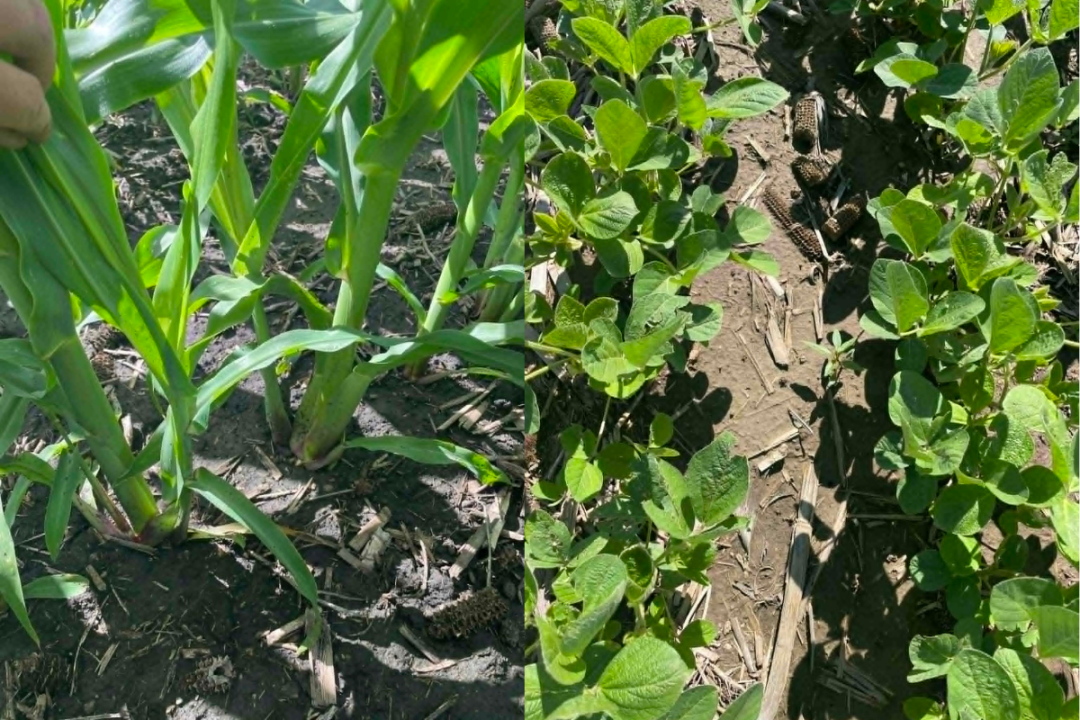
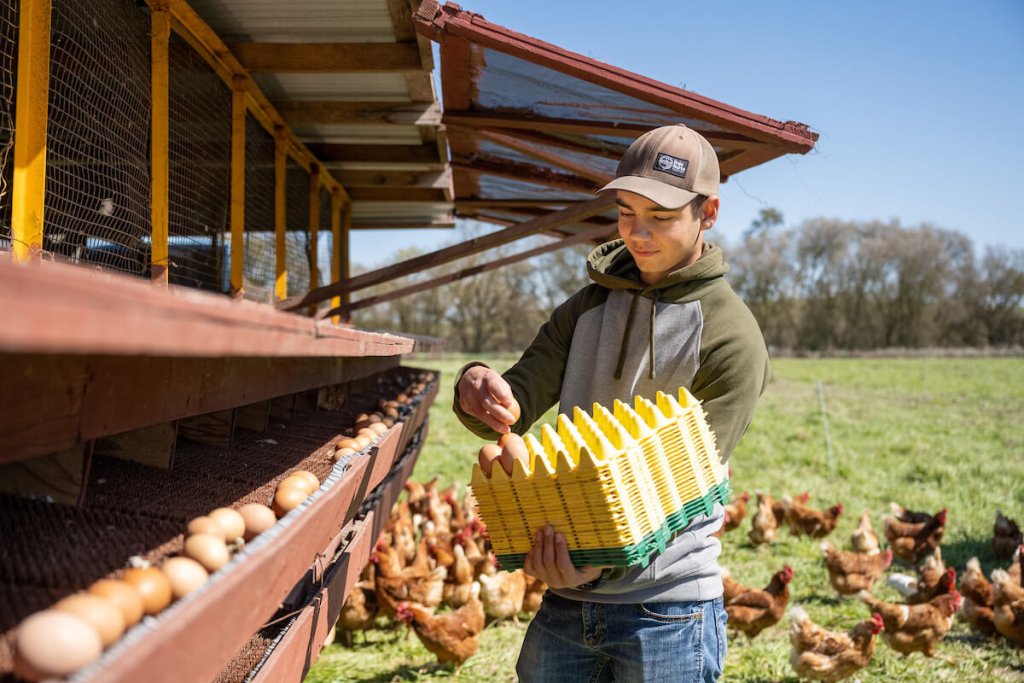
In this first part of Rooted in Community, we hear from Andrea "Andy" Hazzard, the owner of Hazzard Free Farm. Andy focuses on growing and milling high-quality heirloom grains in Pecatonica, Illinois. After growing frustrated with how her choices contributed to environmental degradation, she knew something needed to change, and so Hazzard Free Farm was created in 2007.
Earlier this year, AFT hosted our first Learning Circle at Hazzard Free Farm. A learning circle is a peer-to-peer space for women in agriculture to share their expertise and experiences with each other while connecting with resources that can assist them in navigating challenges. Andy shared that she wrote a story called The Razors of Occam, which places agriculture 50 years into the future. Take some time to transport yourself into the future with her story.

Can you share the history of your farm and what led you to this work?
I grew up on a farm. It's just in my blood. It's probably in everybody's blood, but we've just gotten a few generations removed.
The other thing is that, given my understanding of the reality of this planetary creation that we exist in, nothing else makes sense to me.
How has your identity been shaped by your relationship to farming?
I think we're all given a blueprint at birth. I just happened to grow up with my grandparents next door. They gave me a taste of a reality decades before the one I was living in. Exposure to that lifestyle and belief system deeply shaped how I think and farm and what I deem important and not.
As we look toward the future of agriculture, what kind of food system do you hope to see?
When I look at the future of agriculture, we may need to sit at a table of our own making and be in direct communication with our communities around the risks and rewards that we see in the future.
I consider that the agriculture budget, which sits right next to the military budget, accounts for a sliver of funding meant to maintain the United States. It’s mind-boggling how little we spend. Spending a bit more on agriculture would bring amazing returns. However, there are global forces at play that we hardly understand. We’ve put a speck of trust in our government and have found this was not a wise idea.
Biodiversity is where it's at for me. When you have biodiversity, carbon builds, and you begin to slow extinction. If we lose biodiversity, which we are, the system collapses, and we're in an extinction burst.
This issue is addressed by acknowledging that most drainage tiles come off fields and go directly into bodies of water. This squeezing out of water is essentially draining the blood from the land, if I can be so bold.
We need dry fields in the spring, but we also need to replenish our drinking water, particularly at a time when so much fresh water is being used for things like the production of chips for servers and data centers that power technology and surveillance.
I think this drinking water issue is one of the biggest issues we face. It’s hard because we can’t see the issue, we lack easy access to monitor water, and we aren’t valuing or fighting for our water.
We must reorient our vision towards our watersheds. When you cut a tile line back from a creek and begin to collect water, it could be seeded with native species, trees for lumber, and you could create a pond for fishing. Most importantly, it would catch the nutrients coming off the field that could be harvested occasionally and spread back on the fields. This also begins to solve issues of runoff, flooding, the health of our rivers, and the health of the Gulf of Mexico.
As Illinois farmers, we need to come to a table of our own creation, outside of our institutions, and have a conversation with our communities and say, “This is what I’m willing to do; here is the payment that I need in order to do it.

What advice would you offer to beginning farmers who are just starting their journey?
One of the most helpful things when trying to start a farm is to think about it differently. You have a desire to farm. Not only do you need a consumer, but you're going to need knowledge, expertise, supplies, space, time, and money. There is very little room for making mistakes, and the problems in farming are not problems that can be solved by money alone.
Acknowledge the limitations of your time, mental health, and the responsibilities you have to people and things other than farming. There will be challenges of the body, mind, and soul, not to mention the changing climate, and so much more. Have multiple backup plans and don't ever paint yourself into a corner.

What is bringing you hope right now?
My hope and joy are brought by nature herself and, within that, the cacophony of humanity. It continues to be one of the greatest experiences I could have imagined having in my life. Not only getting to farm and learning to speak the language of the land, but also getting to know the people.
There are many of us who come from different walks of life, each with a passion for nurturing the land, the animals, and the people. When we begin to see how many of us there are, I think we will understand that the future will be led by the voices of the collective.
A donation to our work in the Midwest further amplifies Midwest farmer voices. Consider showing your support by becoming an AFT member at www.farmland.org/membership.