Climate and Soil Health Initiative
Growing solutions and resilience to climate change
AFT is working to ensure a prosperous and resilient future for farmers, ranchers, and the land that sustains us. In doing so we are committed to catalyzing a New Conventional Agriculture: a new normal where agriculture is thriving, agroecologically diverse, resilient to weather extremes, soil health promoting, and environmentally, economically, and socially sustainable. To achieve this goal, AFT is leaning into our role as educators, science translators, researchers, market facilitators, policy advocates, and bridge-builders across communities and partnerships to accelerate adoption of systems of soil health management practices.
For America’s farmers, climate change is a daily reality threatening not only their ability to thrive economically, but also to nourish a growing human population while protecting our nation’s air, water, soil, and biodiversity. Also, according to the most recent U.S. Greenhouse Gas Inventory, in 2022, agriculture is responsible for approximately 10% of U.S. emissions. These emissions are associated with nitrous oxide, largely from synthetic fertilizer application; methane from animal agriculture; and carbon dioxide from soil management and equipment use.
At AFT, we believe farmers and ranchers have been and will continue to be an essential part of the climate solution. With nationwide adoption of key agricultural practices and adaptations, many of which American farmers are already doing, agriculture could greatly reduce its GHG emissions and move toward becoming carbon negative.

Conserving farmland, increasing soil health, water quality, and the amount of carbon sequestered in the soil, and reducing agricultural greenhouse gas emissions are essential actions toward increasing climate resilience and mitigating climate change, to keep planetary warming well below the 2°C threshold outlined by the Intergovernmental Panel on Climate Change.
Farmers and ranchers have the potential to reduce emissions of nitrous oxide, methane, and carbon dioxide through practice adoption that often can also save money, such as through fertilizer savings from weather- and soil-adaptive management, energy production from methane capture, and fuel use reductions. They can also potentially sequester more carbon. Greater adoption of practices that better manage nitrogen and soil carbon dynamics in systems, and that manage livestock related emissions and carbon stabilization, would concurrently reduce many inputs, increase access to sustainability market premiums, and improve soil function, resilience, ecosystem services, and other co-benefits for agriculture and society.
AFT is tackling these issues with a particular focus on multiplier actions that will lead to high-functioning healthy soils and resilient viable production systems. We are partnering with farmers, ranchers, and other agricultural experts to convene peer-to-peer networks and design training curricula and resources that draw from our know-how in soil science, social science, on-the-ground implementation, and beyond. We are quantifying environmental, economic, and social outcomes and creating resources for others to use. From coalition-building, policy leadership and market development to technical support and on-the-ground demonstrations, AFT supports farmers, ranchers, and those who serve them to scale up the adoption of thriving, regenerative and soil health-promoting agricultural systems.

Current Project Highlights
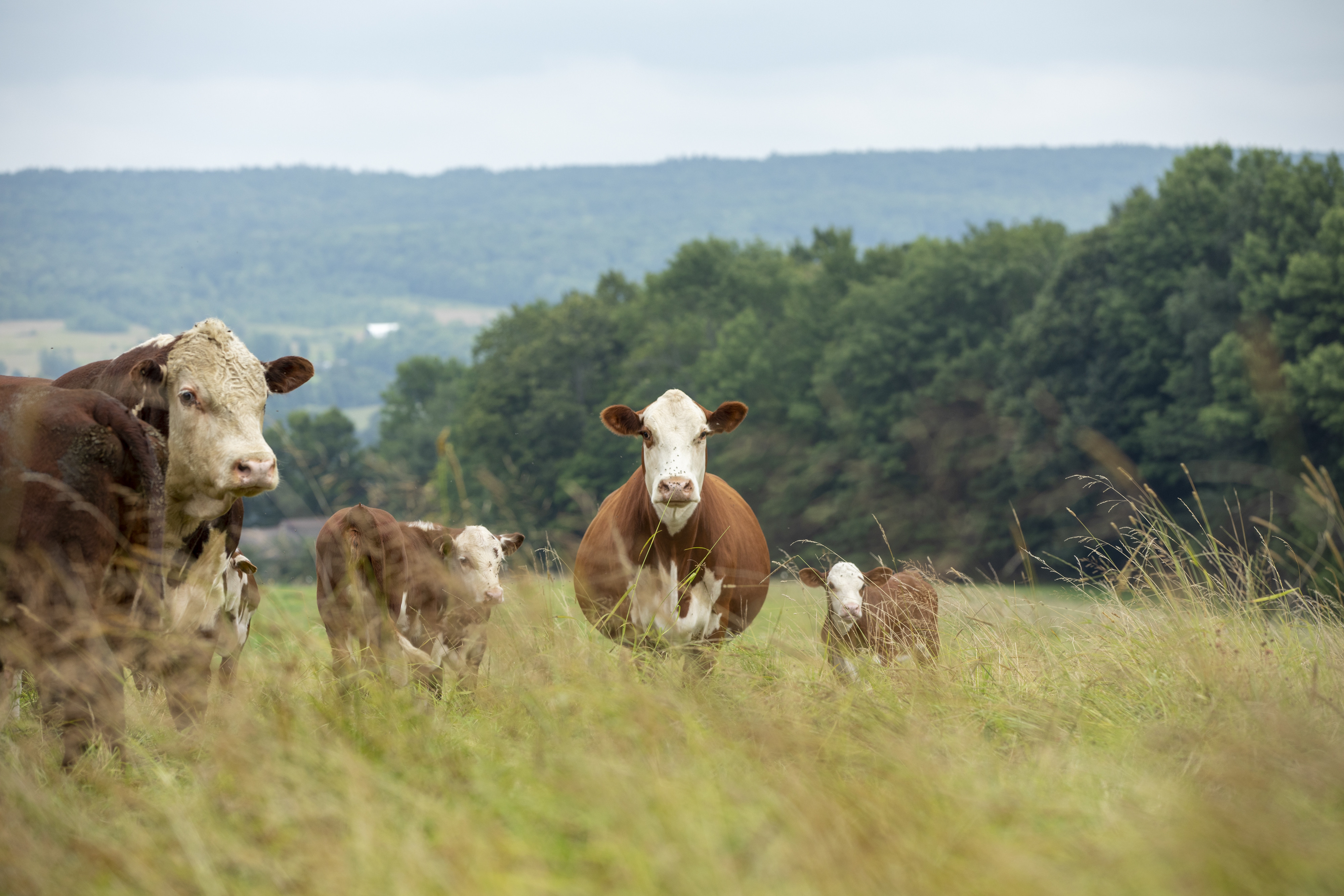
Facilitating Adoption – Technical Assistance: We are partnering with NRCS across the country to help farmers and ranchers plan for, implement, and successfully adjust soil health and other conservation practices across diverse crop and livestock production systems, including a large project aimed at increasing adoption of regenerative grazing practices, and generating premium value for the products in the marketplace through a mentoring and peer network approach.
Facilitating Adoption – Networks: We are developing an integrated virtual peer network platform that will enable farmers and ranchers to connect with each other and to access AFT and partner resources. Through the platform, we can accelerate the building of a New Conventional Agriculture across the agricultural community.
Soil Health Training: We are working to build technical assistance capacity by developing and providing advanced trainings in topics like soil health, grazing, regenerative marketing, and biochar integration to cohorts of agricultural service providers, advisors, mentor producers and other change agents, to build out a network of trusted local advisors who will multiply impact across the country, through a variety of funding sources.
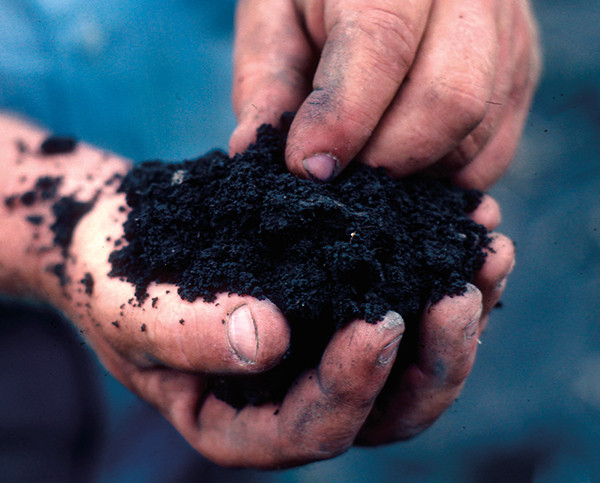
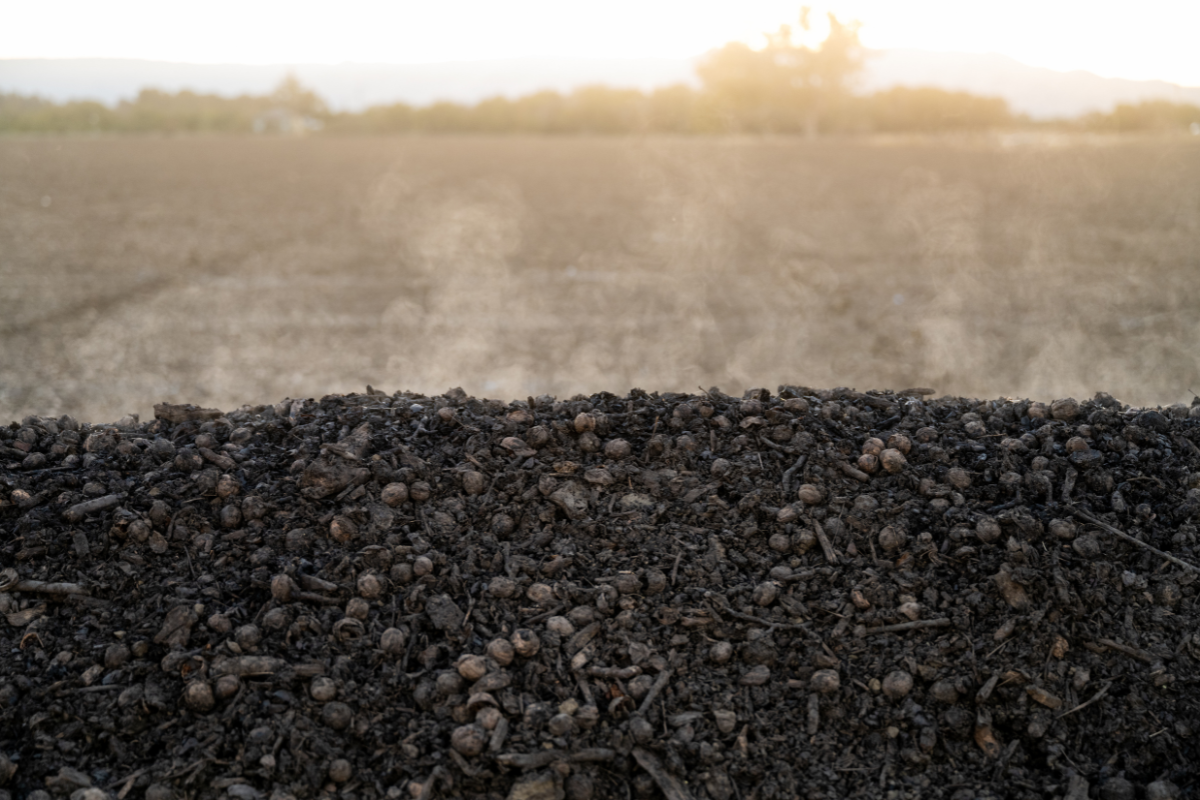
Biochar Adoption: We are advancing sustainable biochar production and use as an integral tool in the toolbox of soil health management systems and climate solutions. Our Biochar in Agriculture Toolkit is growing and includes an application list of frequently asked questions and other technical resources, ways to join our biochar network, an interactive biochar producer map, and the recordings of the ongoing Practical Biochar Implementation webinar series.
On-Farm Demonstration Trials Network: Our Breaking Down Barriers to Biochar Adoption on Farms from Coast to Coast project is underway, showcasing biochar integration into soil health transitions across the country in diverse systems, addressing diverse questions and challenges. Our Conquering Cover Crop Challenges from Coast to Coast project has wrapped up, showcasing new methods to encourage cover crop adoption.
PFAS Response and Research: We are helping farmers, advisors, researchers, and policymakers better understand and address PFAS contamination on agricultural lands through partnership development, research, resource creation, and evaluation of practical tools and support strategies for affected producers. Check out a new Resource Table developed to collect practical, science-based resources to help farmers, ranchers, agricultural service providers, and others better understand PFAS in agriculture. Learn more on AFT's PFAS Hub.
Climate Adaptation and Resilience: We are helping farmers, ranchers, advisors, and communities prepare for increasing weather variability and climate-related risks by providing practical adaptation strategies, planning resources, technical guidance, and decision-support tools that strengthen agricultural resilience and long-term viability. Check out our resources.
Climate Modeling: We partnered with the USDA Agricultural Research Service and Regrow to use a computer-based model to simulate cropping systems with and without soil health management systems from 2022 to 2072 using climate projections. We also used satellite imagery to explore standard soil health practices in New York and Illinois cropping systems and how quickly they change over time. Check out our reports and blog post.
CaRPE Tool: Our Carbon Reduction Potential Evaluation (CaRPE) tool estimates how much a state’s or region’s farmers can contribute to climate mitigation goals through en masse conservation practice adoption and provide policy recommendations to get there. Check out our sample collection of state reports.
Avoided Farmland Conversion: Interested in the greenhouse gas benefits of avoided farmland conversion? So are we! We’ve completed a case study for a farm in Illinois, and we are developing a method for calculating this for ag conservation easements in the lower 48 states.
Farm Bill: We are working to advance policies that help farmers adopt more practices that build soil health, address water quality issues, and increase resilience to climate change in the next Farm Bill.
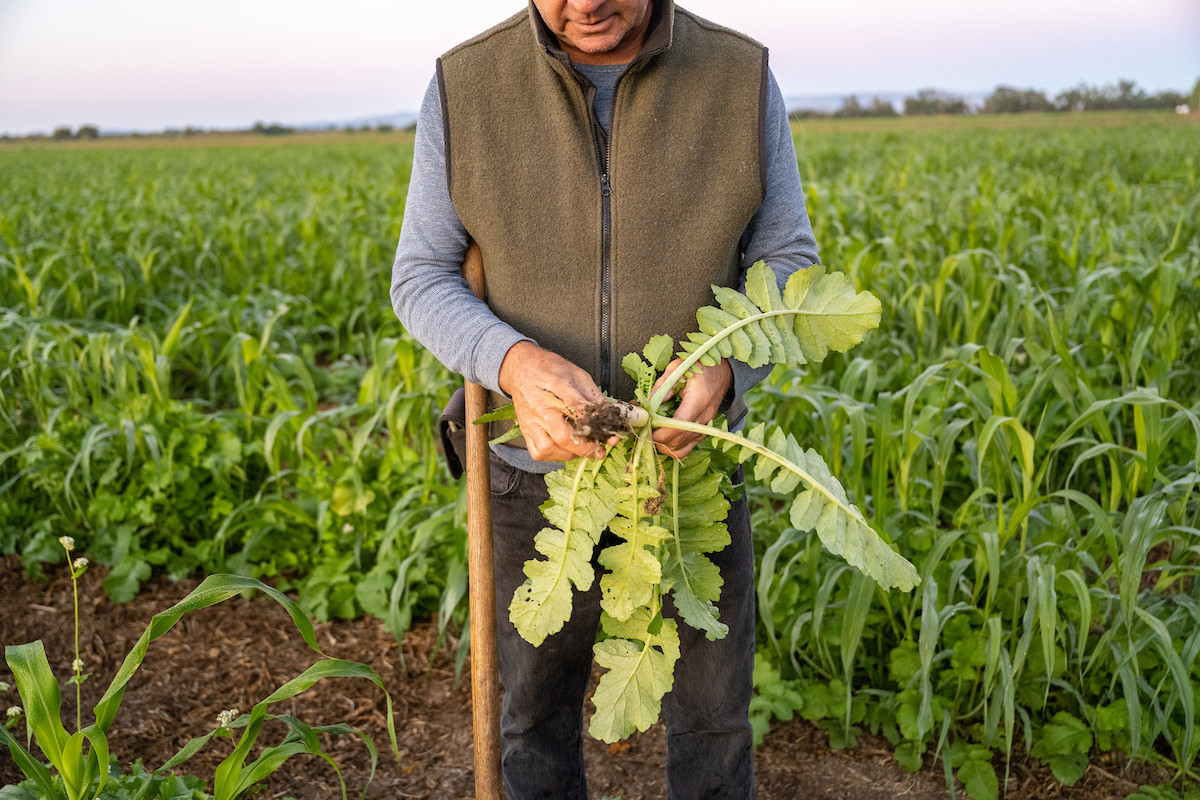
Conservation Practices and Climate: Our report, “Combatting Extreme Weather on U.S. Cropland,” focused on the significant potential of no-till and cover crop practices to increase soil carbon sequestration and reduce nitrous oxide emissions for a net reduction in GHG emissions.
Keep in Touch: To achieve the vision of the New Conventional Agriculture we need everyone at the table: farmers and ranchers from both large- and small-scale operations, industry and supply-chain companies, and other agricultural stakeholders across the country to take bold actions that make a difference for our climate and soil health future. Watch for new publications on the Farmland Information Center, and sign up on the mailing list below and we will let you know of upcoming opportunities and new publications!
Our Strategies
We look to communities, organizations, governments, broader society, and individuals to shape the future of our New Conventional Agriculture that we can all be proud of. We need everyone at the table – from small to large farms, individual farmers and ranchers, and industry – to take bold actions that make a difference for our climate future. At AFT, we take a holistic approach to support all farmers, ranchers, and the land they manage—all scales and types of operations—to improve the ecological, social, and economic conditions of farms, ranches, and communities. Our work centers on supporting farmers and ranchers in the field, quantifying and analyzing the impacts of their actions, and developing and advocating for programs and policies that will catalyze an agriculture-wide shift towards these actions.
These approaches are interwoven throughout our three key strategies below to help the agricultural community solve and build resilience to climate change: