New England 2025 Legislative Wrap-Up: Growing Stronger in Agriculture, Conservation, and Land Access Policy
Oct 2, 2025
Eliza Paterson

Eliza Paterson
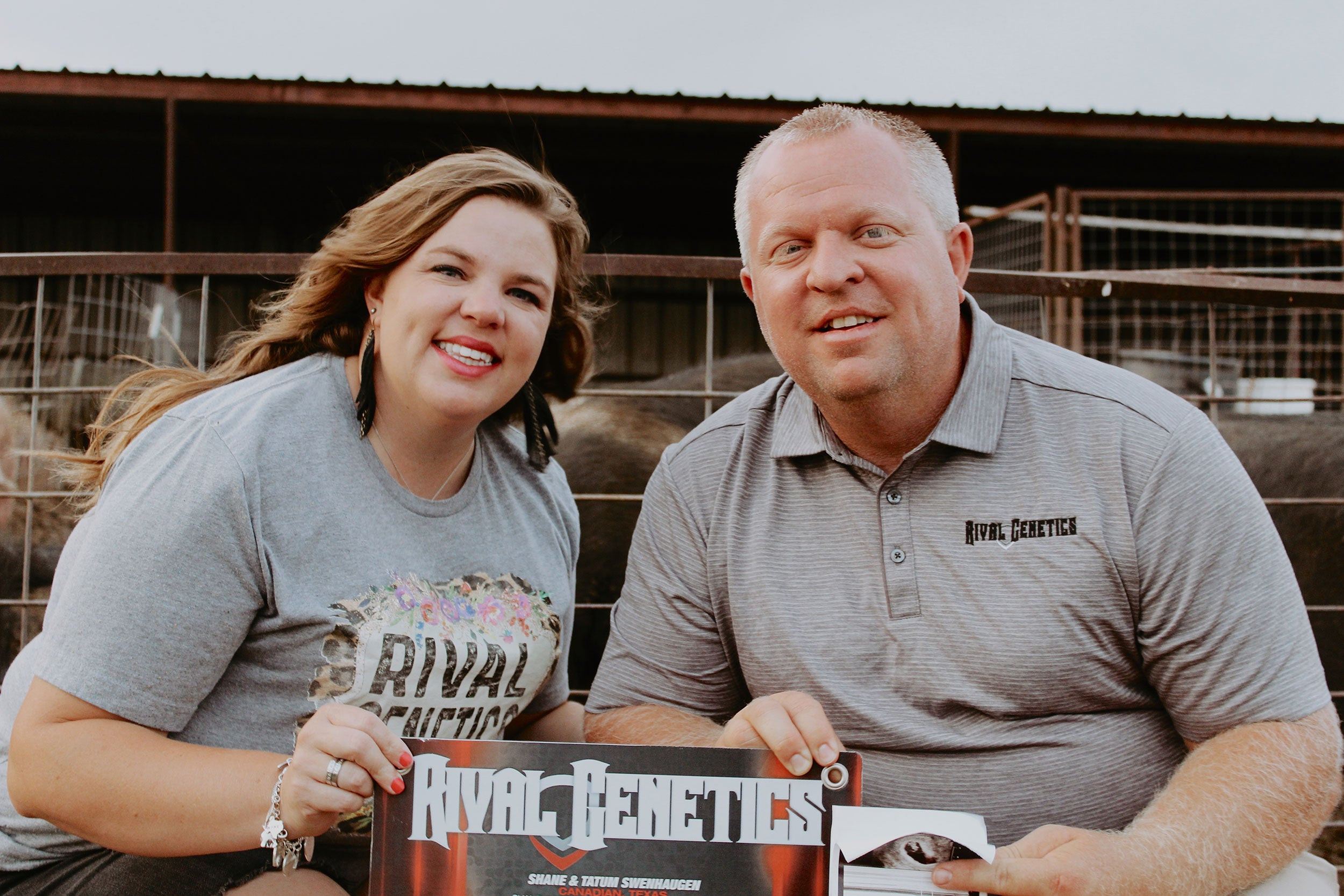
Ranchers are piecing their lives back together one fence post, one pasture, and one herd at a time. We followed up with the recipients of the Brighter Future Fund back in July — here’s a look into their journey on the road to recovery.
Lindsey Richards
Michael Shulman
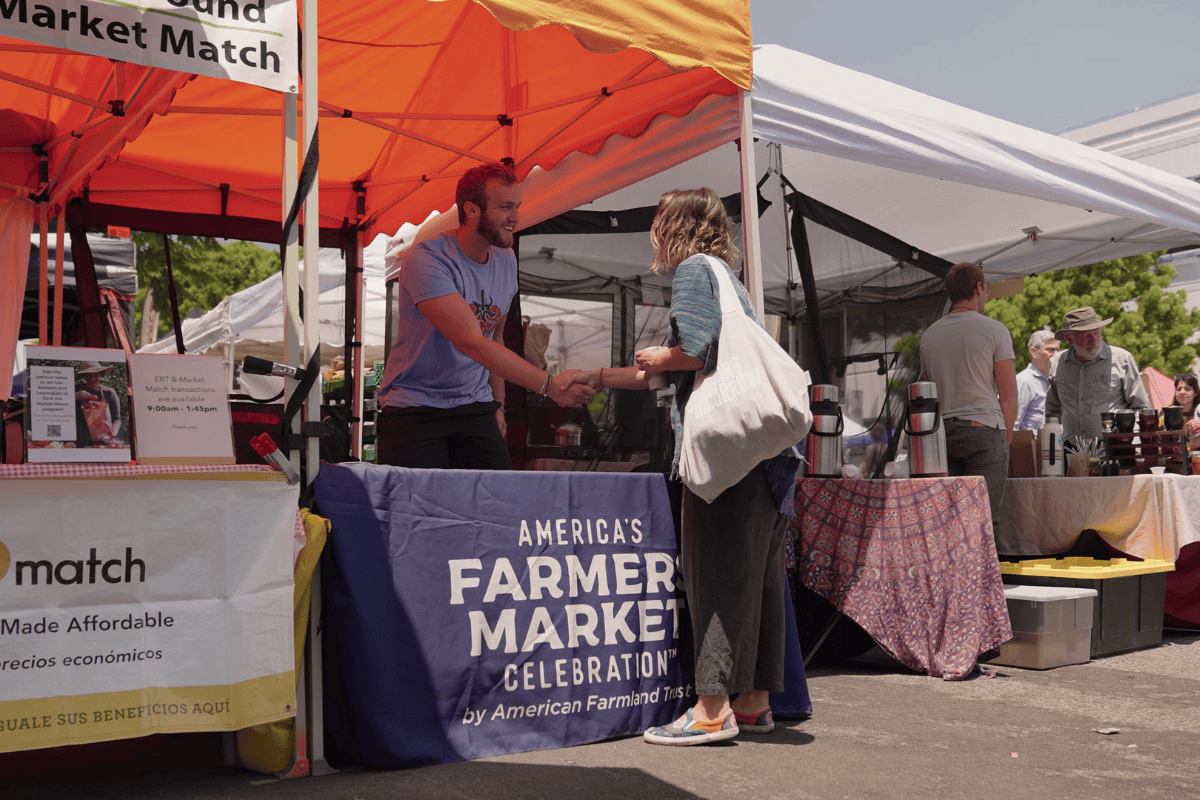
“A lot of the "magic" in a farmers market is the unique bond that's formed between the producer and consumer. Questions are asked, "aha" moments are had, and you leave each stand with not just a product or a sale, but a purpose. THAT is invaluable.”
Jenna Farineau & Liz Amodeo

In August, AFT’s Midwest team program staff completed the Soil & Water Conservation Society’s Emerging Leaders Program (ELP) and attended the 80th Soil and Water Conservation Society’s Annual Conference in Costa Mesa, California. Midwest staff Rachel Lechuga, Floreal Crubaugh, and Marlee Giacometti are AFT’s most recent graduates of the second class of the Emerging Leaders Program (fun fact: Helen VanBeck, our Midwest Program Manager) graduated from the first-ever program. Here’s a look back at what the program meant to them and the snapshots that capture their achievements.
Rachel Lechuga

Rachel Irvine
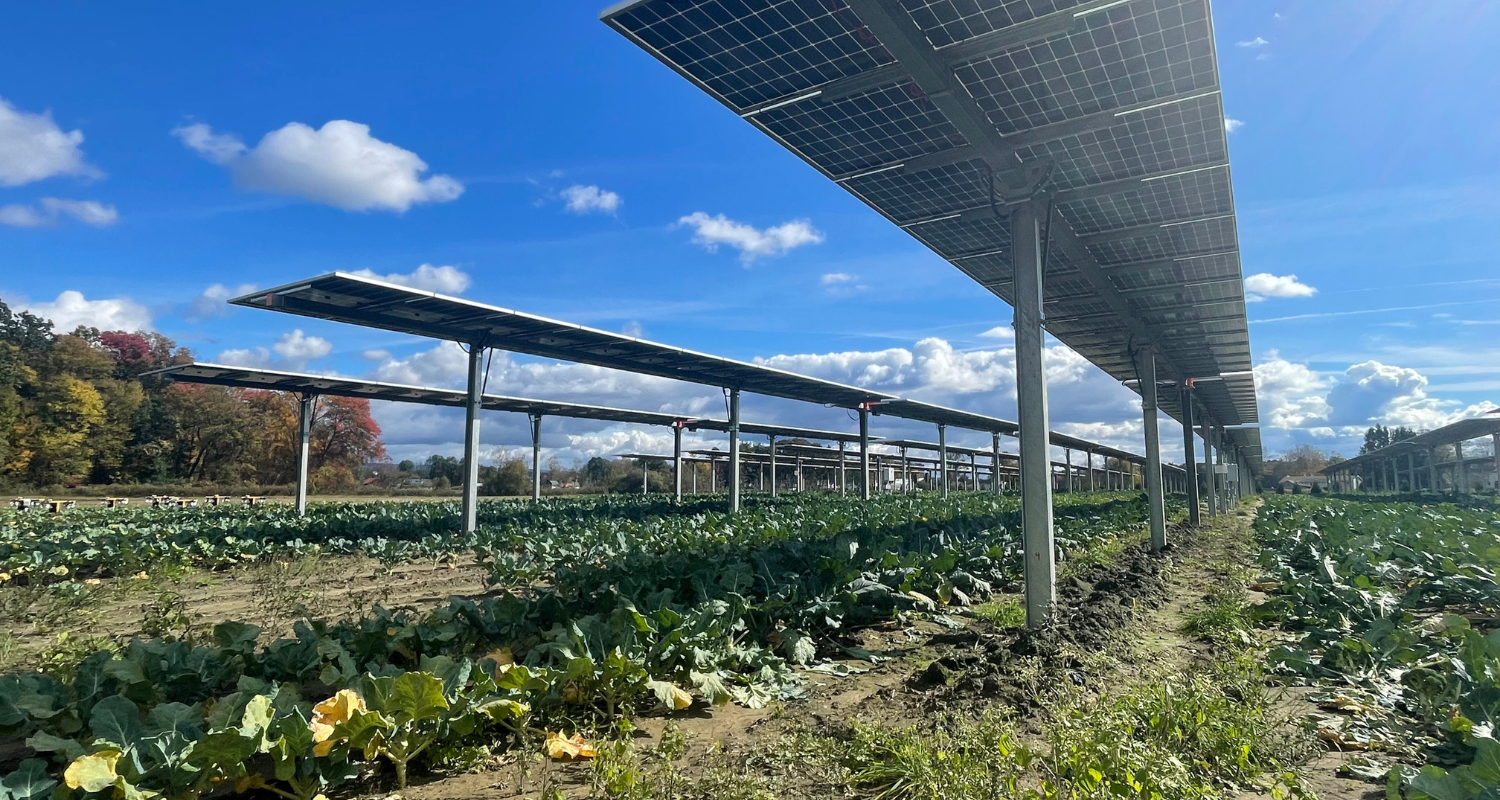
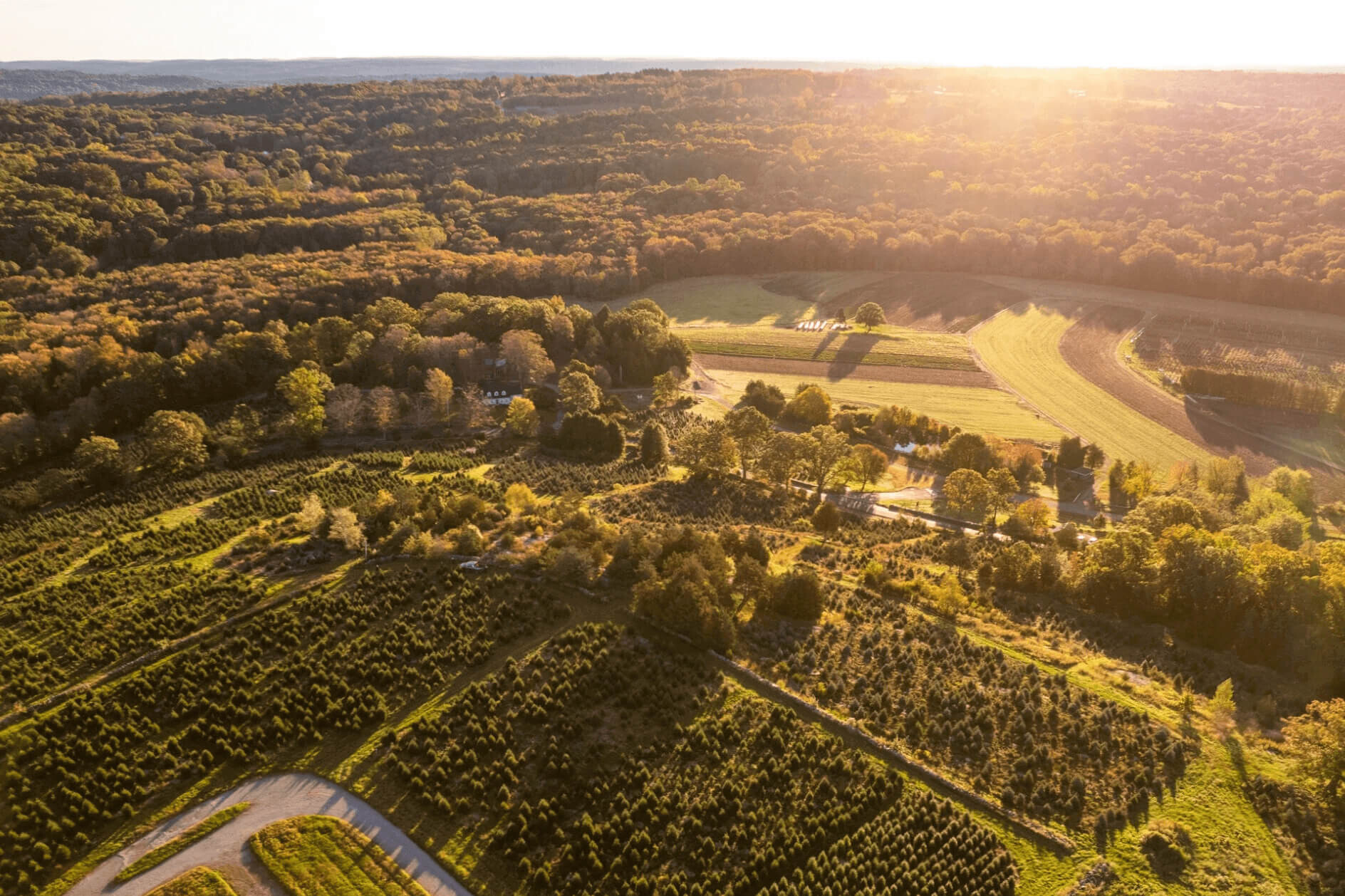
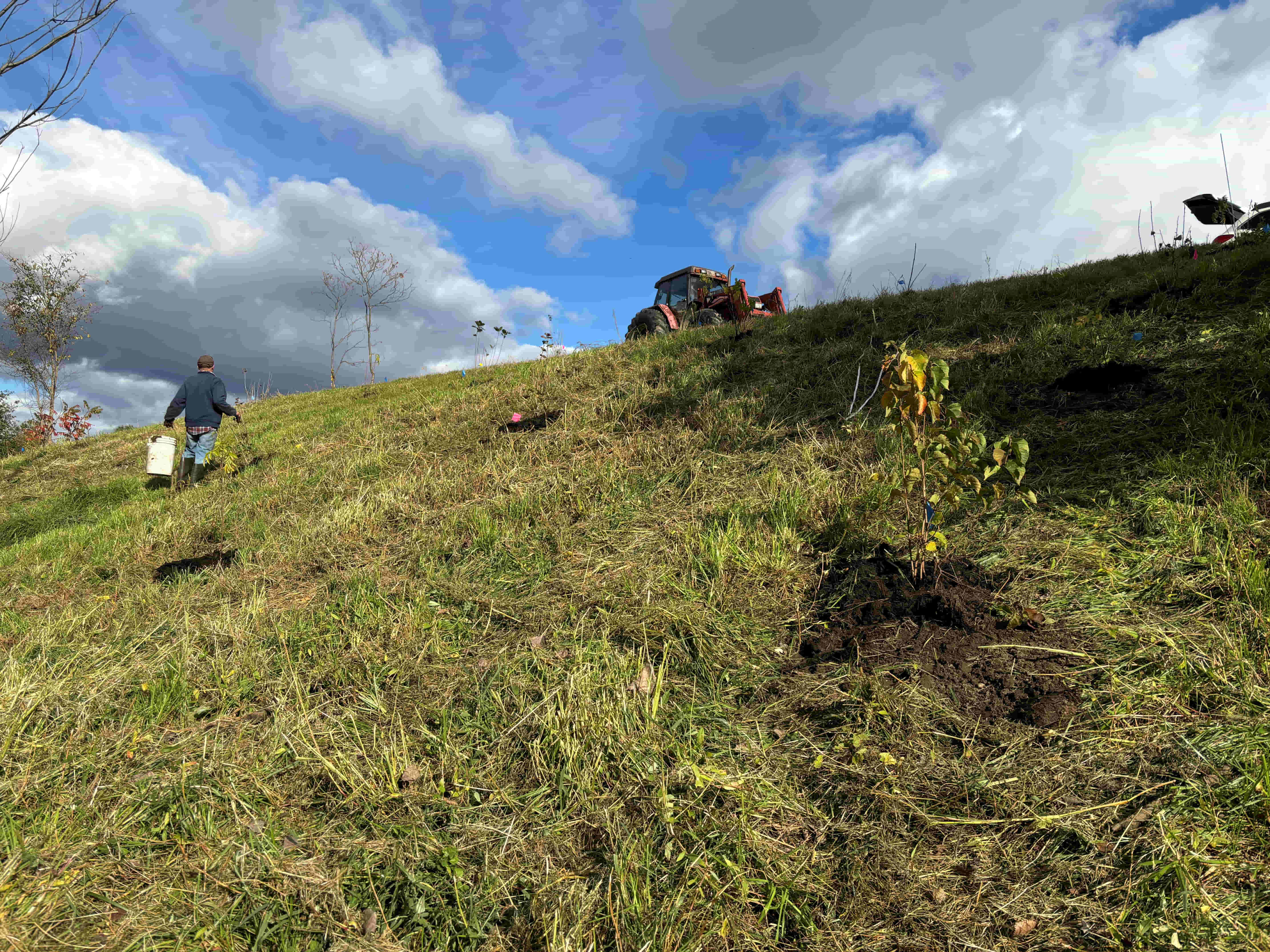
On a thin strip of land between two hayfields in Walpole, New Hampshire, a once-impenetrable wall of invasive plants is being transformed into pollinator-friendly hedgerow. Where bittersweet, honeysuckle, and multiflora rose once dominated, clover is now blooming, pollinators are returning, and the sunlight can actually reach the soil. This remarkable change has been fueled by the passion and persistent work of Holly and her family at Brookfield Farm, powered in part by a Regenerative Livestock Farming (RLF) microgrant from American Farmland Trust.
Lia Raz
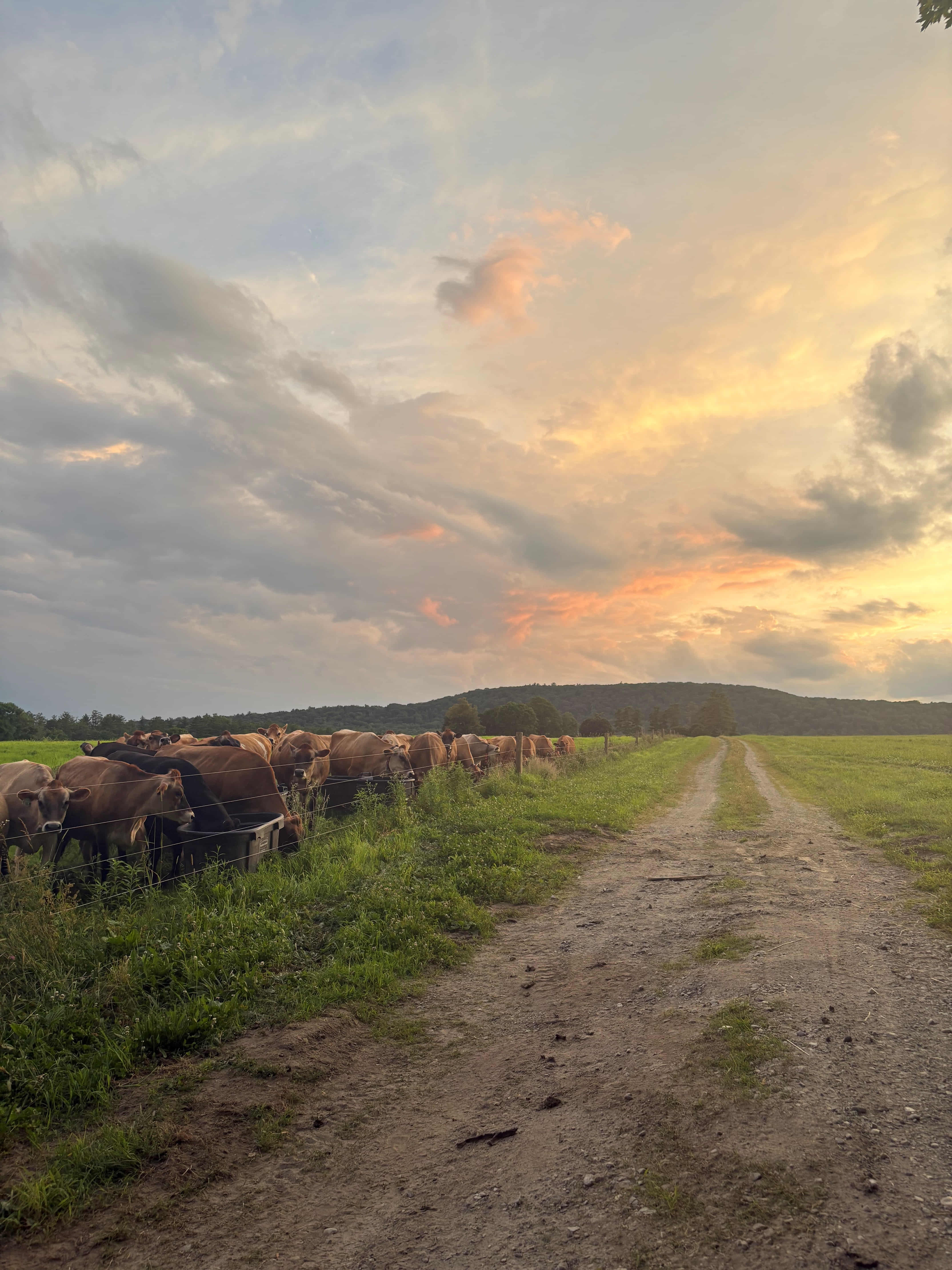
High Lawn Farm has been raising Jersey cows in Lee, Massachusetts, for over 100 years. The cows have always had access to pasture, but until recently, the farm relied on continuous grazing. That began to change when the farm received a Regenerative Livestock Farming (RLF) microgrant from American Farmland Trust. The funds helped them fence off 20 acres of previously idle land, giving their dry cows access to fresh, well-rested pasture—and creating space for true rotational grazing for the first time.
Lia Raz