Planning Ahead for Wildfires in the West
Chantel Welch and the Pacific Northwest team help farmers and ranchers increase their resilience on individual and community levels.

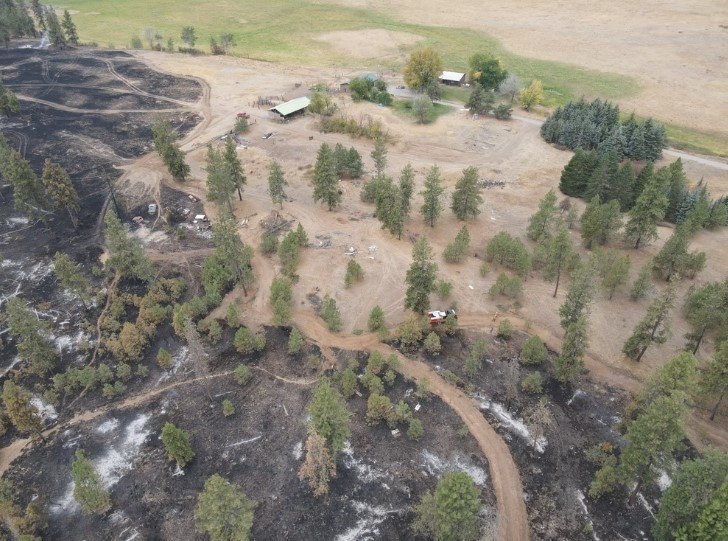
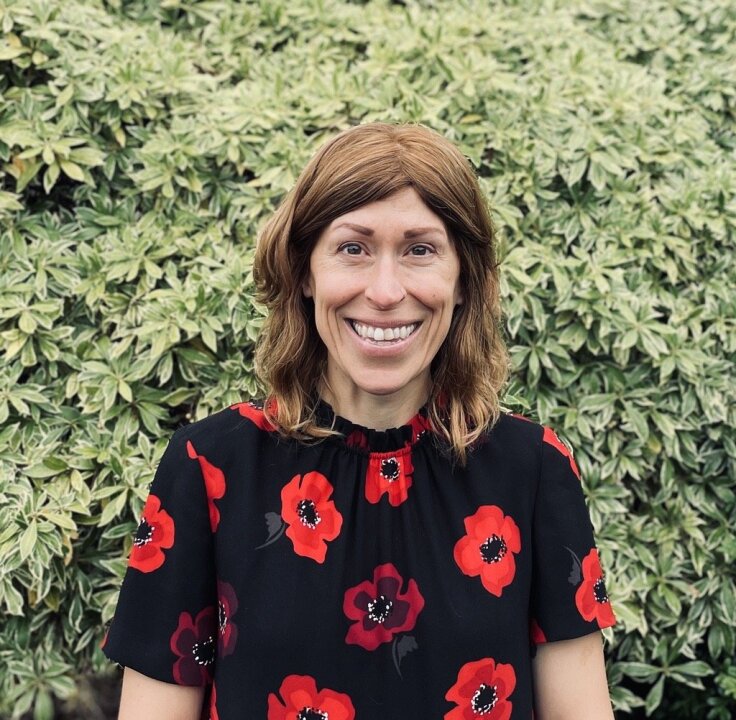
Wildfires are a threat to rural communities across the West. In a matter of minutes, these disasters can cause unthinkable damage. Chantel Welch, who serves as the Deputy Director of the Pacific Northwest team at American Farmland Trust, helps farmers and ranchers prepare for these events. As a result, individuals and communities are becoming more resilient in the face of fire.
In this conversation with AFT’s Brooks Lamb, Chantel describes the impacts fire can have on communities and points people to helpful resources. She also shares some simple, straightforward advice that just might save lives.
When Fires Strike
Brooks Lamb: I’m excited to talk about your work to help farmers and ranchers increase their resilience to extreme weather, Chantel. Wildfires are a particular concern where you are in the West. What’s at stake for agricultural communities?
Chantel Welch: We live and work on lands that are dependent on fire as part of the ecosystem, so it’s natural for them to move through the landscape. Without getting too into the weeds, years of fire suppression have led to more fuel material, which is fueling the bigger, hotter fires that we’re now seeing. These fires can move quickly, so farmers and ranchers don’t have much time to prepare for evacuation for themselves or their livestock.
I live in a community that has been affected by floods, droughts, and fires, but I’m not experiencing the effects of those disasters while also trying to protect my livelihood. It’s important to me that farmers and ranchers have access to the tools, knowledge, and support they need to protect their land, livestock, and families.

Brooks: These fires certainly sound scary. Do you know farmers or ranchers who have been impacted directly by them? If so, what have their experiences taught you?
Chantel: I do know people who have dealt with these disasters firsthand. A few years ago, I was working with one of our rancher advisory committees as a large fire broke out across the region. I learned that one of our committee members was in its direct path. Seeing the fire affect one of our partners — someone I knew and cared about — in real time was an eye-opening experience, and I learned so much from what she went through to protect her horses and cattle.
One big takeaway was that when firefighting resources are stretched thin, support often gets diverted to areas of higher population. This particular rancher was trained as a firefighter and able to respond to the fire, but not everyone has that training and those tools. Learning from her experience got me thinking about agricultural preparedness and resilience when it comes to fire.
Enhancing Resilience and Nurturing Community
Brooks: How are you helping farming and ranching communities prepare for wildfires?
Chantel: We’ve partnered with Farmer Campus, a nonprofit that created a robust curriculum for farmers and ranchers on how to plan for and recover from fires. Together, we’ve offered both in-person and virtual events, and we have recorded two podcasts where ranchers share their experiences of living through fire on their grazing lands. These events and podcast episodes are helping to raise awareness. Our goal has been to bring together communities around fire preparedness, with agriculture at the center. Preparedness might look different depending on local resources, ecosystems, and topography — but at the core, it’s about community.
Sara Miller, the rancher I mentioned earlier, recorded one of the podcast episodes. After listening to it, I had a much better idea of what she and her community went through. That informed how I view the dry western landscape that we live in. More than anything, her episode inspired me to continue helping rural communities feel more informed and empowered in the face of fires.

Brooks: Are there any specific moments from Sara’s podcast episode that stick with you?
Chantel: Sara describes the long-term mental health effects of living through that fire, of dealing with compounding stress day after day for six straight weeks. She wasn’t getting good sleep, and she was constantly problem-solving. As a pastoralist, she likes to fix problems — but this time, it took a toll on her that wasn’t obvious until the danger had passed. Sara found some great resources through Oregon State University’s extension program. The need for mental health resources has stuck with me as a critical tool for folks in the aftermath of these stressful events.
The Importance of Relationships
Brooks: What are the most meaningful things that farmers can do to increase their resilience to wildfires?
Chantel: A rancher from Washington once told me, “Fire does not respect fence lines.” She actually wrote a short blog about it, and her concept is key to this work. As a landowner, you can do your best to prepare, but if adjacent lands aren’t well tended, then you can still have elevated risk.
Preparedness conversations need to happen at the community level. Neighbors and support agencies need to speak with one another and prepare together. Sara mentions relationships — with neighbors, with hay producers, with local USDA offices — several times in her podcast interview, and she describes how invaluable they were to her ranch’s recovery. I think it’s important for those of us in rural areas to take stock of who we can lean on in emergencies. We have to support one another.

Start with One Action
Brooks: Thanks for taking the time to speak with me, Chantel. Are there any final thoughts you’d like to share?
Chantel: It’s easier said than done, but I’d encourage folks to not get overwhelmed when preparing for fire. Start with one action. Make a farm inventory, talk with neighbors about a tool cache, take a firefighting course, or map out your emergency exits. Fire preparedness can feel daunting. But planning ahead will give you a starting point if and when fire moves through the landscape.
If you’d like to learn more about AFT’s work to help farmers and ranchers navigate extreme weather, check out: https://farmland.org/supporting-fire-resilient-ranching-communities