
AFT Applauds Introduction of the Bipartisan American Food Supply Chain Resiliency Act
American Farmland Trust (AFT) applauds Governor Kathy Hochul and the New York State Legislature for enacting a final FY 2026–27 state budget that delivers meaningful, sustained investments in farmland protection, farm viability, climate resilience, and local food systems across New York.
American Farmland Trust has named Julia Valliant as Director of the national Farms for a New Generation team, where she will lead efforts to increase access to land and capital for the rising generation of farmers and ranchers and support elder farmers and landowners in transferring their farms with dignity and confidence.
AFT Applauds Introduction of the Bipartisan American Food Supply Chain Resiliency Act
Highlighting a recent policy update that offers a perspective on our work to advance farmland protection and support agricultural viability across Washington State in 2026.
Stephanie Castle
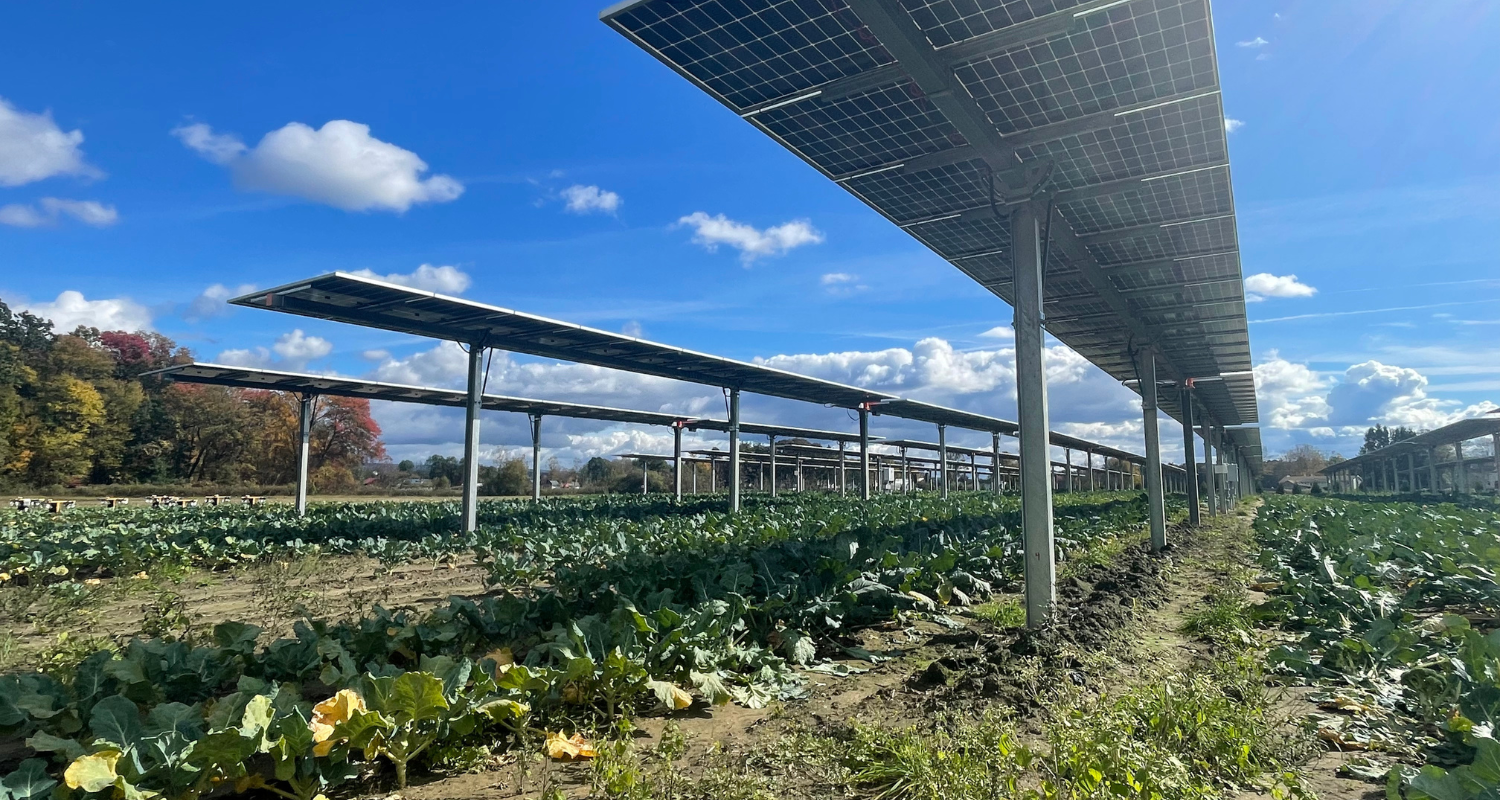
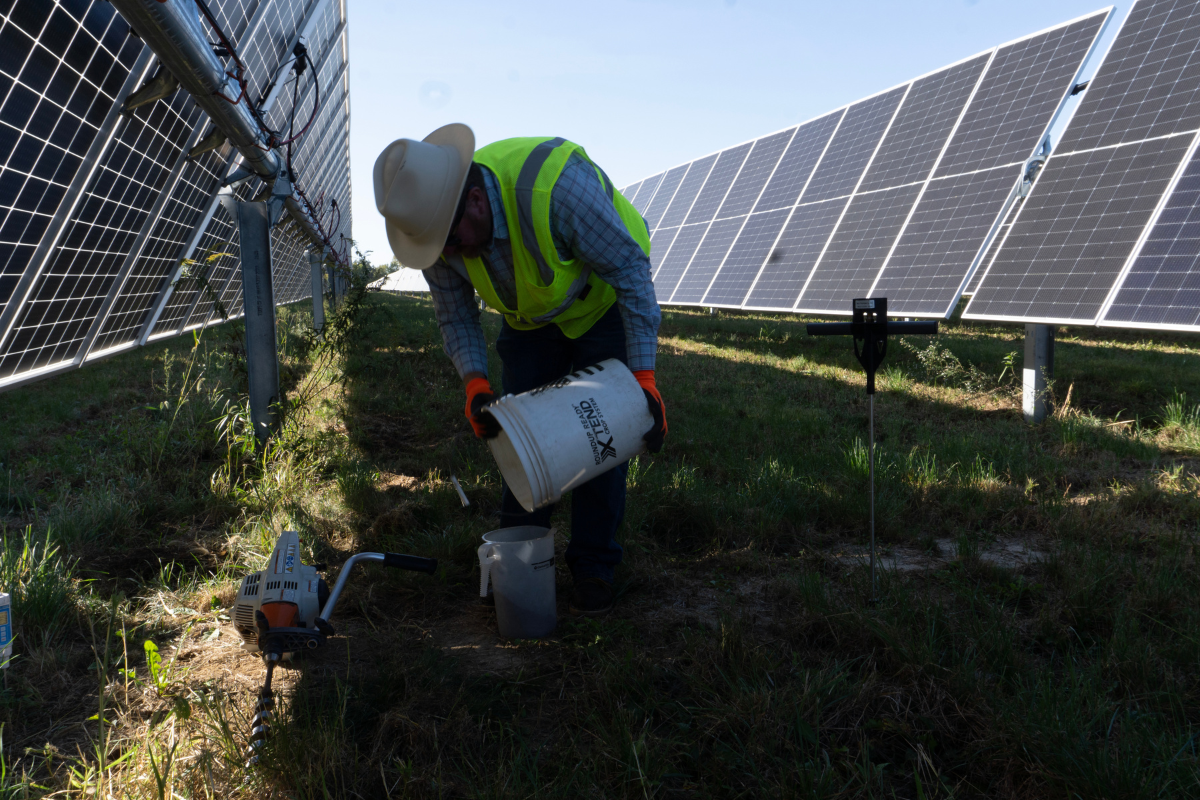
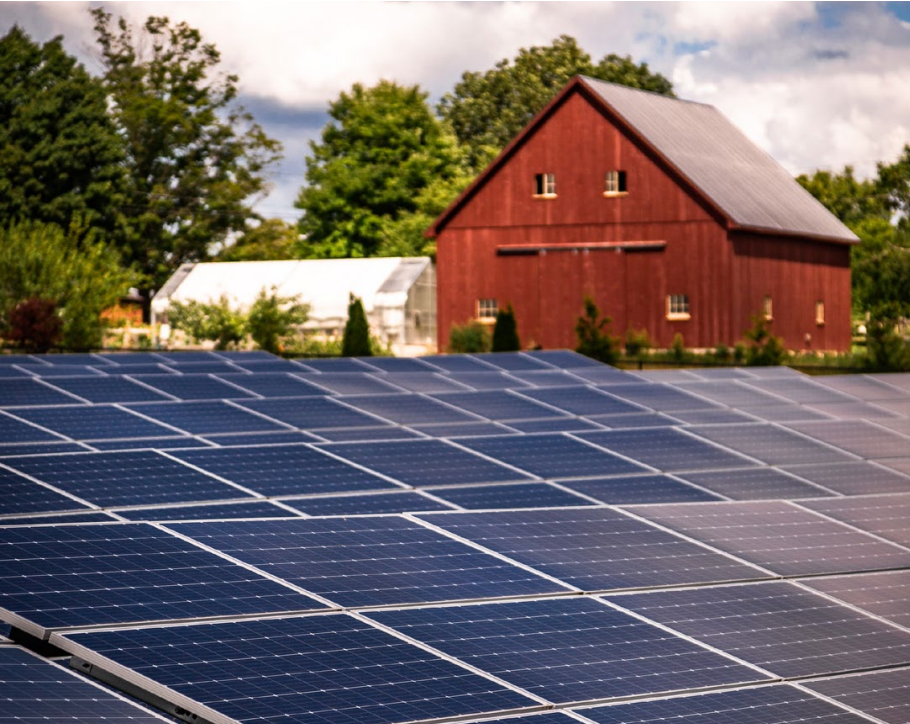
Agriculture solar energy is a necessary tool in the fight against climate change. Experts agree that sourcing more energy from cleaner sources, such as solar panels, will help mitigate some of climate change’s future impacts. For America’s farmers and ranchers, this means limiting the regular occurrence of catastrophic weather events—such as floods, droughts, and intense heat waves—that threaten land and livelihood, as well as slowing less obvious climactic shifts that affect crops and livestock.
Ethan Winter
AFT Staff
AFT Staff
AFT Staff
Brooks Lamb
AFT Staff
As part of this work, AFT recently published “Solar Energy and Agriculture in Kentucky.” This document is the product of an intensive stakeholder engagement process in which we interviewed leaders from agricultural, environmental, energy, and community groups. Insights shared during these thorough, thoughtful conversations can—and should—guide Kentucky’s approach to solar development.
Brooks Lamb
AFT Staff
Emily Liss
Michael Shulman
Michael Shulman
California policy wrap up for the 2025 legislative session.
Some places don’t just hold memories—they carry a legacy. For more than four decades, Gretchen and Dick Regnery have poured their hearts and souls into Whitefish Bay Farm—a sanctuary of serene pastures, naturally colored Corriedale sheep, and the fiber art that has defined their lives. Nestled in the stunning landscape of Door County, Wisconsin, their farm has been more than just a home; it has been a labor of love, a commitment to land stewardship, and a place where people from all walks of life have come to experience the beauty of farming and art.
Sydney Green
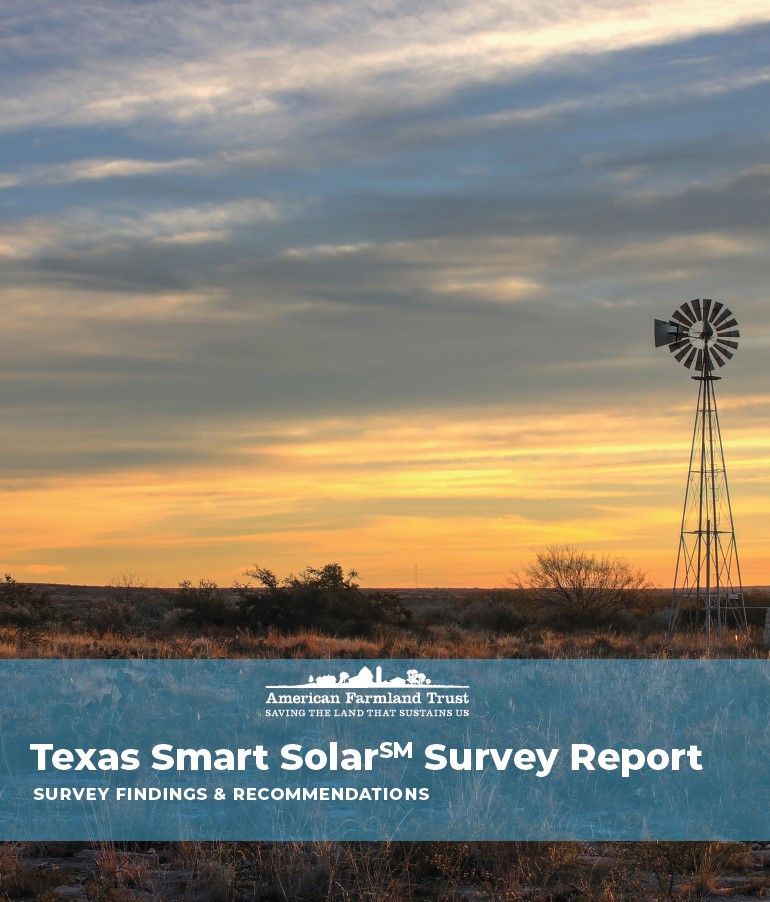
As Texas faces rising energy demand and farmland loss, new legislation presents a pivotal opportunity to expand clean energy while protecting agricultural resources. By supporting rooftop solar, agrivoltaics, and smart utility-scale siting, Texas can lead in balancing renewable energy growth with farmland preservation.
Garrett Bader
American Farmland Trust (AFT) recently awarded $896,600 to farmers and ranchers looking to improve soil health and long-term farm viability. The funds, distributed through two new grants launched in October 2024, will support 38 producers in Virginia.
Elizabeth Beggins
Emeran Irby
Stephanie Castle
The sturdy steel toe boots that protect your feet. The reliable truck that gets you from your fields to your markets. The tools and structures that help you grow, process, and share food with your community. This is the overlooked infrastructure of farming.
Jenna Farineau
At Bardwell Farm, farmer Harrison Bardwell is blending innovation with tradition to tackle soil health and disease pressure—proving there’s no one-size-fits-all approach to resilient farming.
Erinn Roberts & Kevin Antoszewski
At Astarte Farm, leaf mulch is proving to be a powerful tool for building soil health—offering a plastic-free, low-cost solution for weed suppression and resilience.
Erinn Roberts & Kevin Antoszewski
In this conversation, Brooks Lamb speaks about Tennessee’s new Farmland Preservation Fund, a $25 million, state-funded initiative designed to help farmers voluntarily protect their land from development through conservation easements.