Texas Solar Survey: Input Sought From Farmers, Ranchers, and Landowners
Oct 1, 2024
Garrett Bader

Garrett Bader

At AFT, we’re working towards a future where solar energy development and agriculture don’t just coexist—they thrive together.
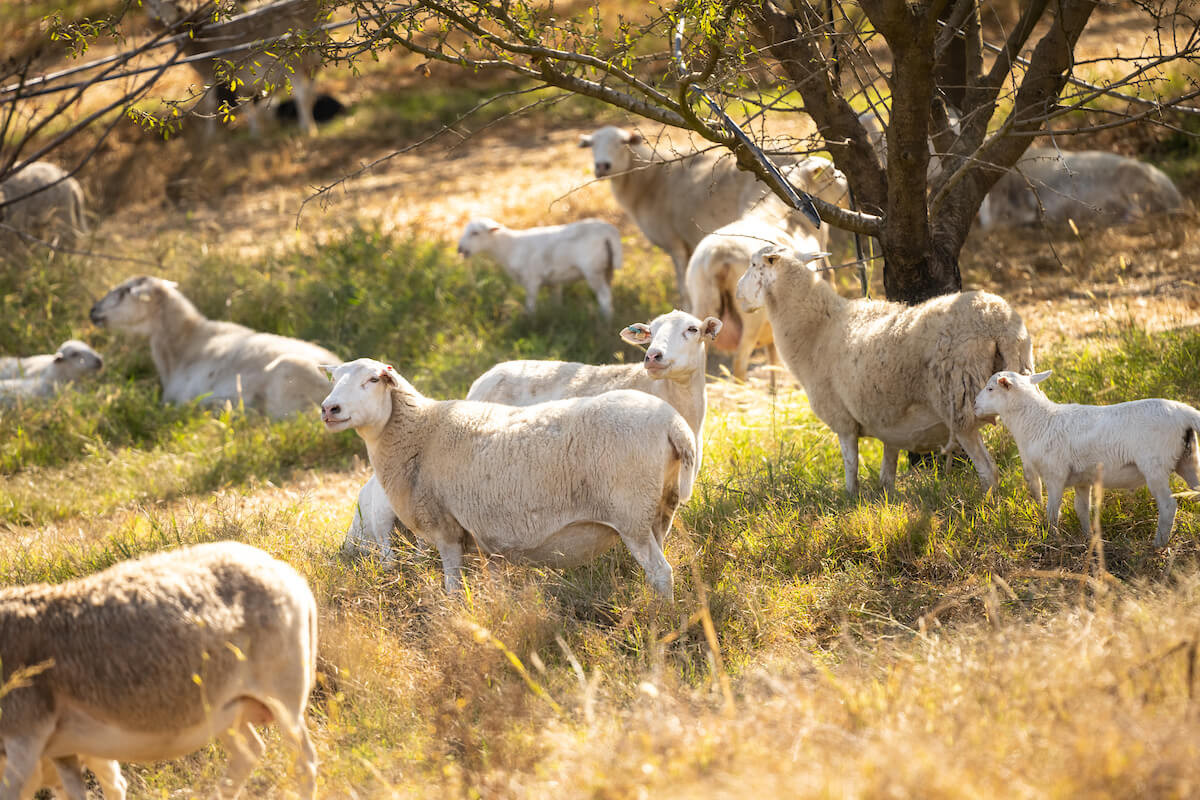
For Saphan Pickett, agrivoltaics isn’t just about financial stability—it’s about creating a sustainable farming model that can support her community for generations.
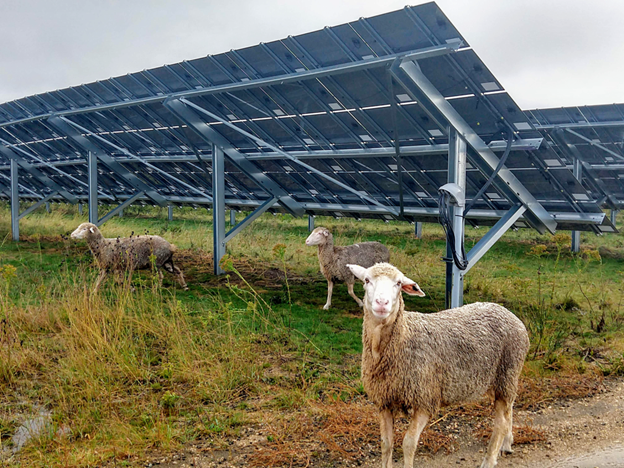
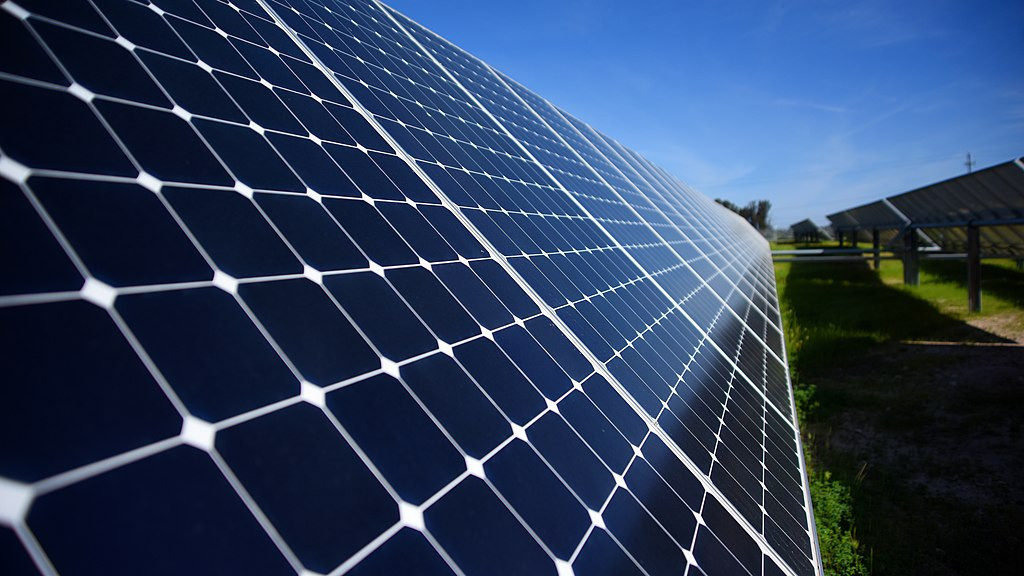
Long known as a major energy producer, Texas now leads the nation with the most installed utility-scale solar capacity with no sign of slowing down. As these large solar farms increase around the state and the country, many solar developers are increasingly partnering with farmers who use their flocks of animals as a vegetation management tool.
Garrett Bader
Michael Shulman
AFT Staff
Samantha Levy
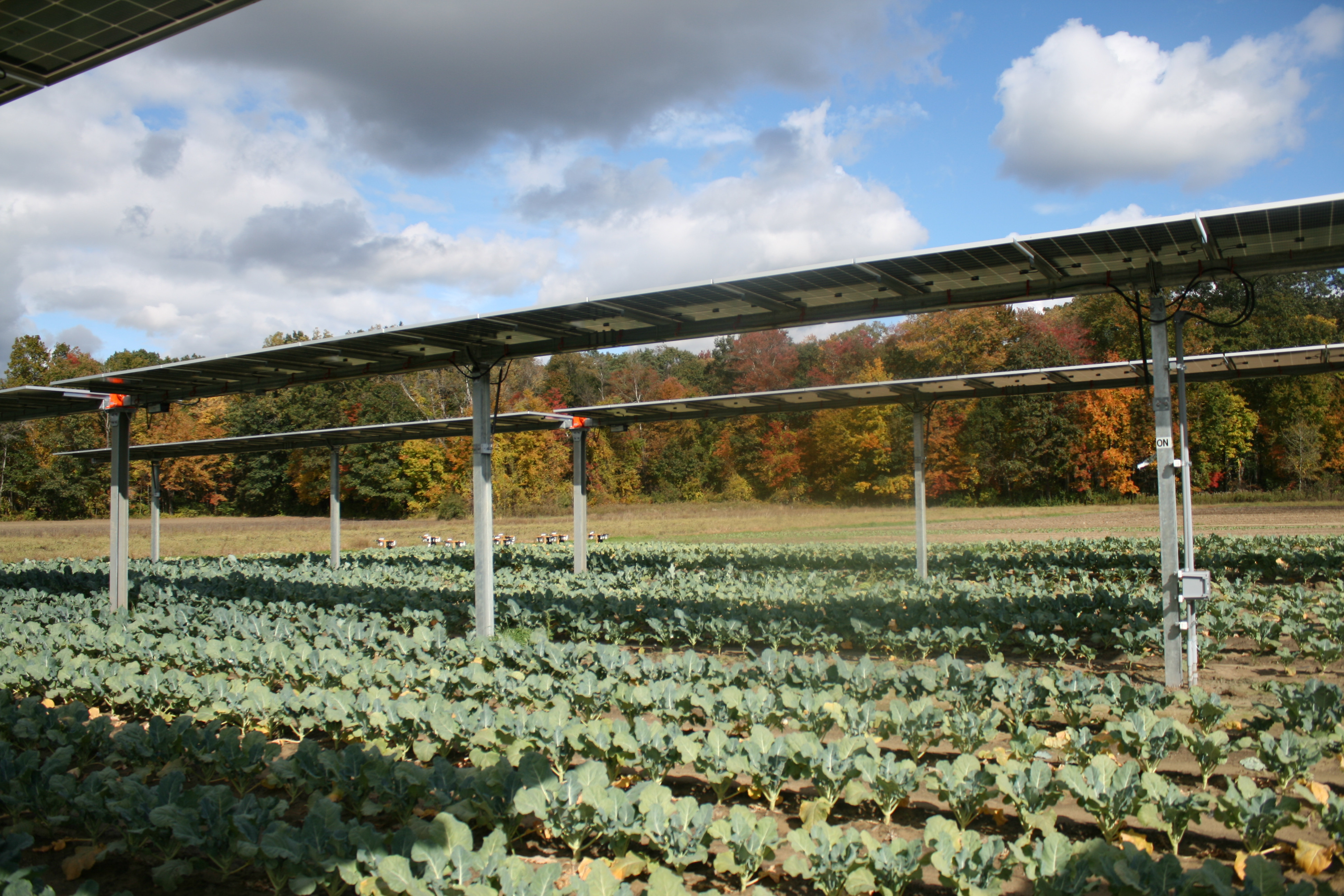
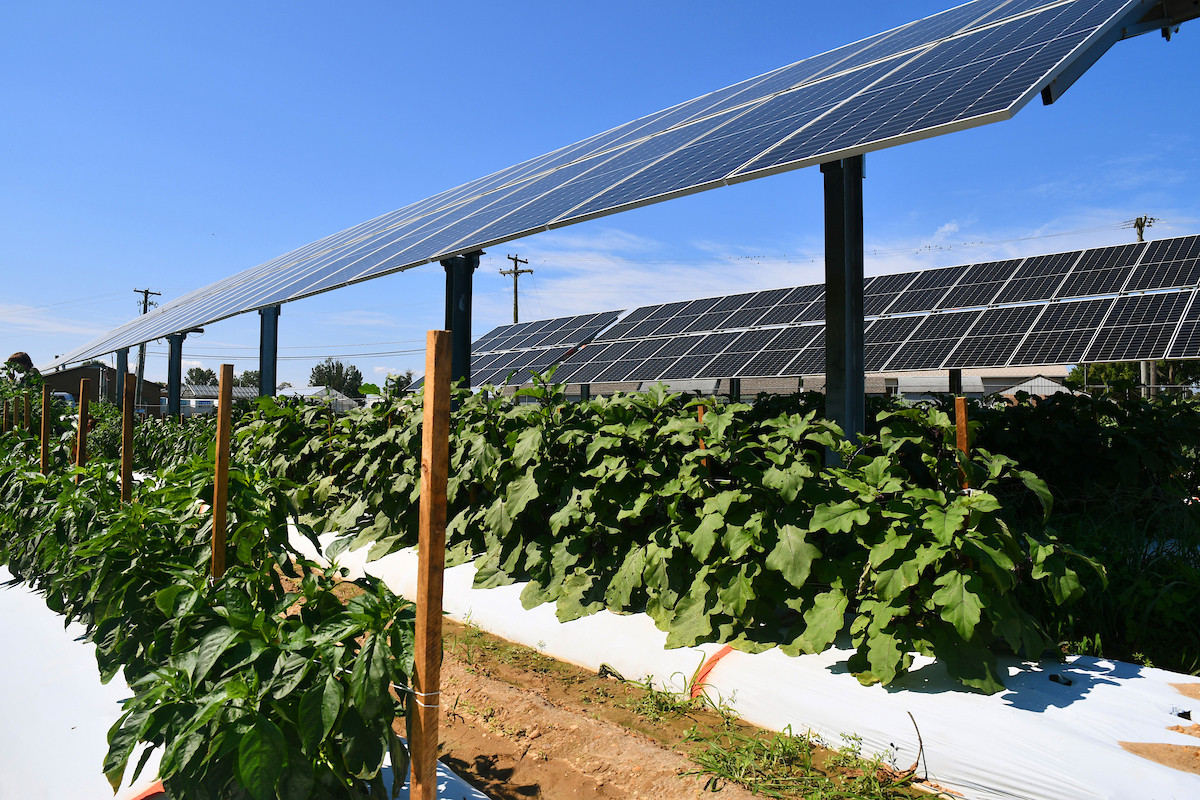
The first sight many visitors will notice when pulling into Czajkowski Farm is one that might seem unfamiliar—a field of broccoli being grown under the watchful eye of solar panels standing overhead. This technique of growing crops and generating energy on the same parcel is called agrivoltaics. While these projects may currently stick out in Massachusetts combining solar and agriculture, they are growing in popularity across the nation because of the opportunities they provide to keep land in agriculture and build resilience to climate change.
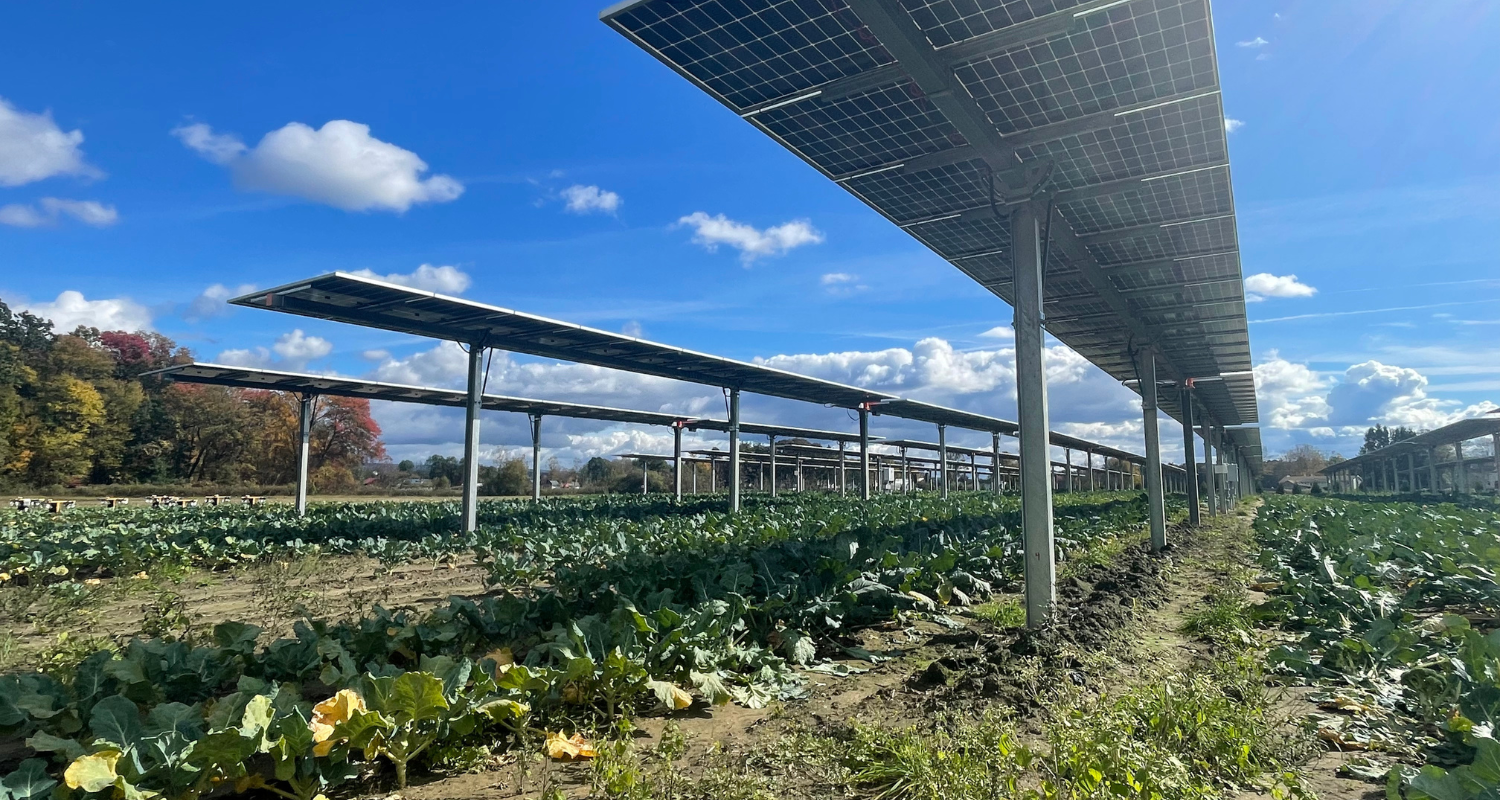
Extreme weather and accelerating warming trends make clear the urgency to shift away from fossil fuels and decarbonize our energy sector. Solar energy generation is expanding rapidly and will have a central role in this energy transition, requiring millions of acres of land for utility-scale solar as well as millions of rooftops across the country.
Ethan Winter
Samantha Levy
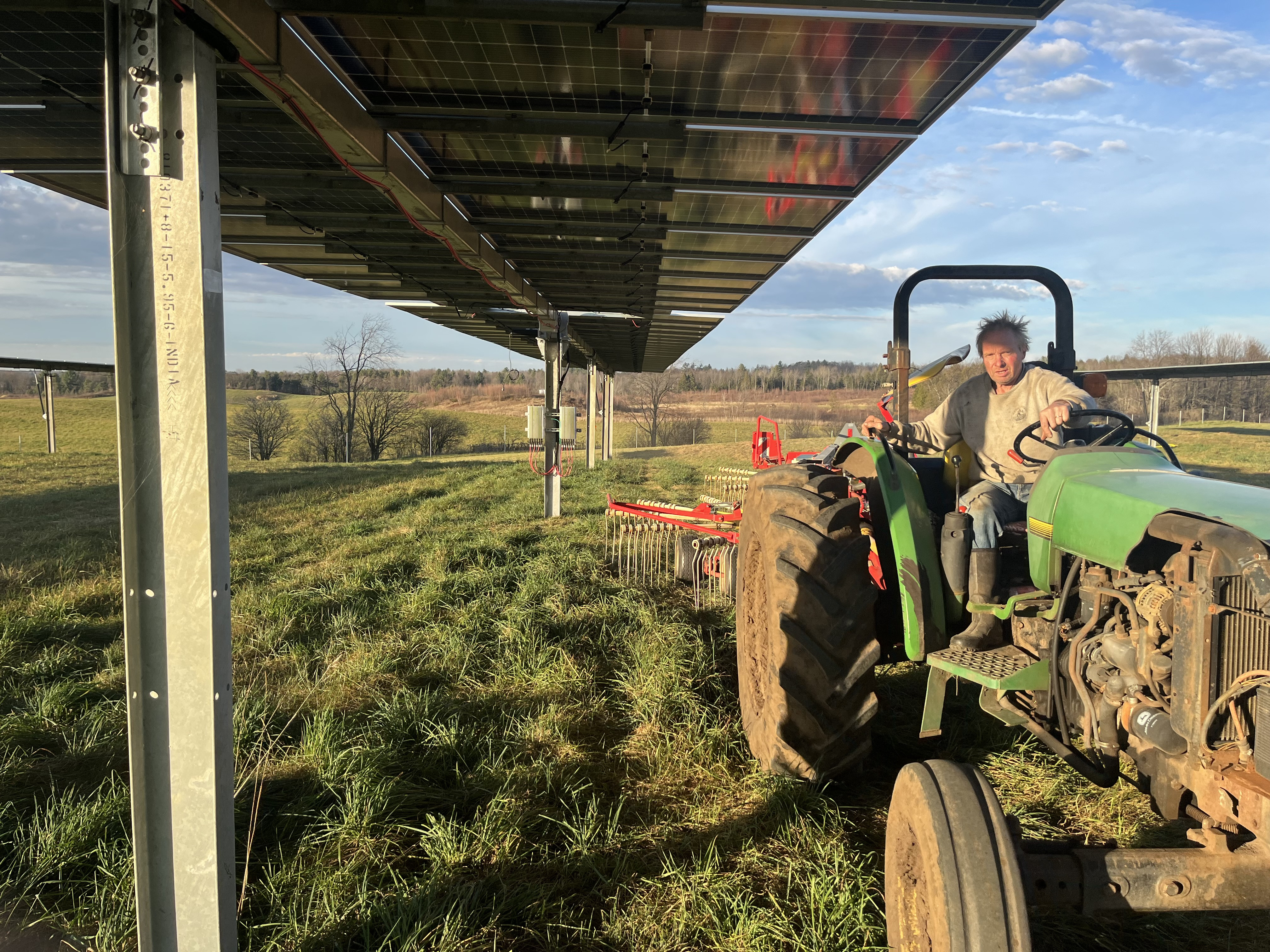
Prolonged drought, extreme temperatures, and wildfire smoke are some of the impacts of climate change experienced by farmers and ranchers, and new policies are looking at solar energy in Washington State as part of the solution.
Dani Madrone