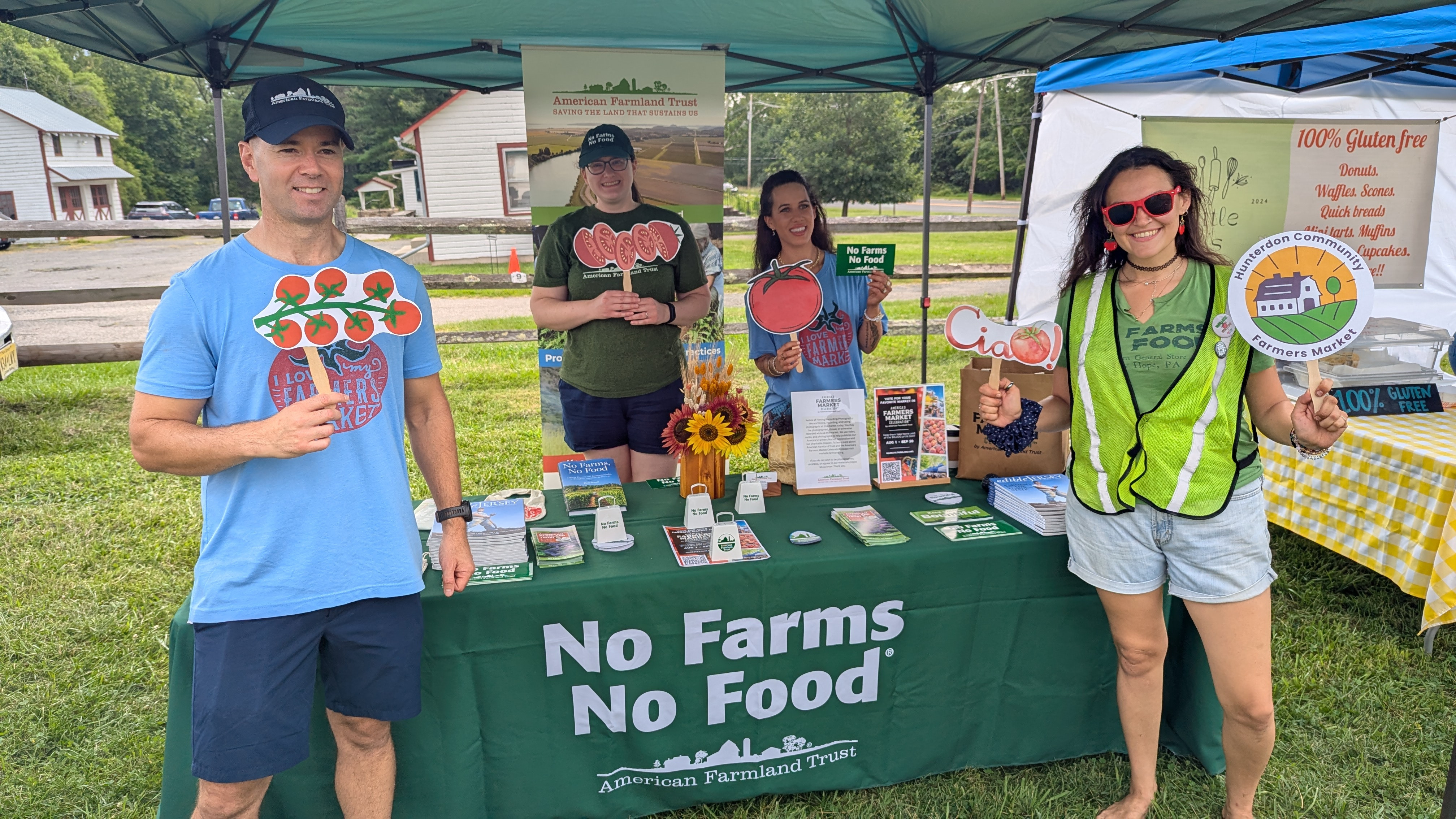
Meet Us At A Farmers Market Near You
Aug 21, 2025


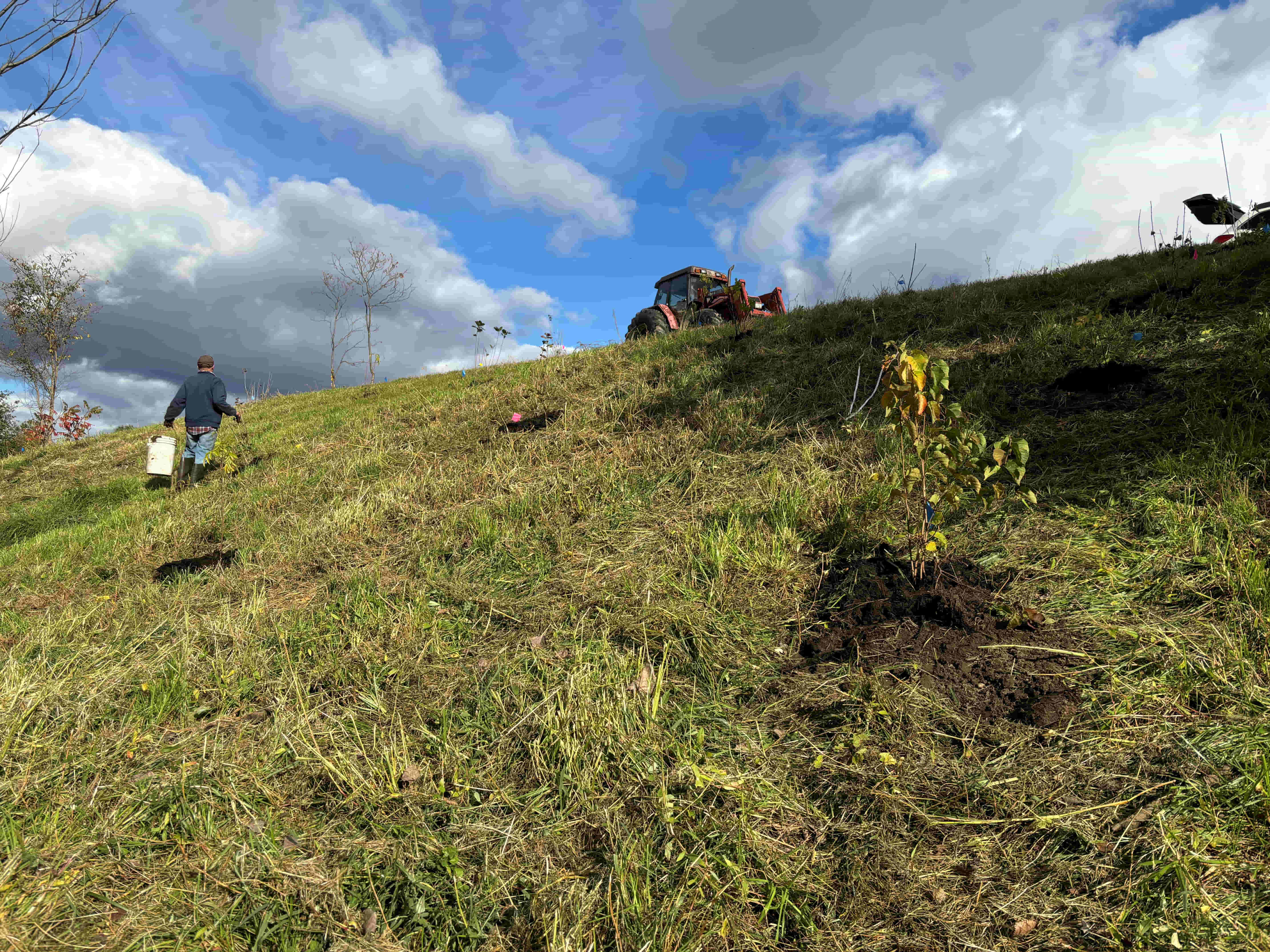
On a thin strip of land between two hayfields in Walpole, New Hampshire, a once-impenetrable wall of invasive plants is being transformed into pollinator-friendly hedgerow. Where bittersweet, honeysuckle, and multiflora rose once dominated, clover is now blooming, pollinators are returning, and the sunlight can actually reach the soil. This remarkable change has been fueled by the passion and persistent work of Holly and her family at Brookfield Farm, powered in part by a Regenerative Livestock Farming (RLF) microgrant from American Farmland Trust.
Lia Raz
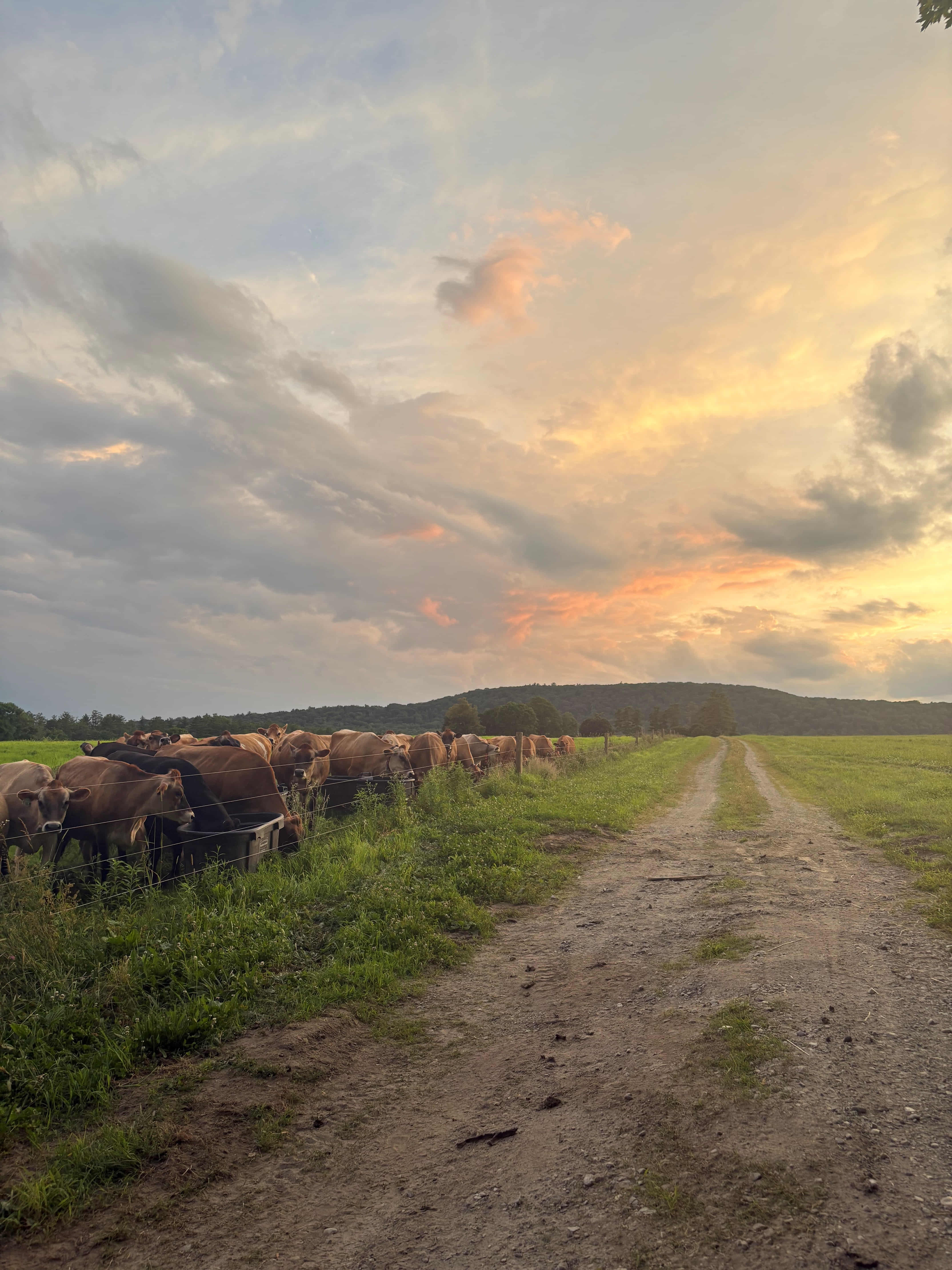
High Lawn Farm has been raising Jersey cows in Lee, Massachusetts, for over 100 years. The cows have always had access to pasture, but until recently, the farm relied on continuous grazing. That began to change when the farm received a Regenerative Livestock Farming (RLF) microgrant from American Farmland Trust. The funds helped them fence off 20 acres of previously idle land, giving their dry cows access to fresh, well-rested pasture—and creating space for true rotational grazing for the first time.
Lia Raz
Michael Shulman
Michael Shulman
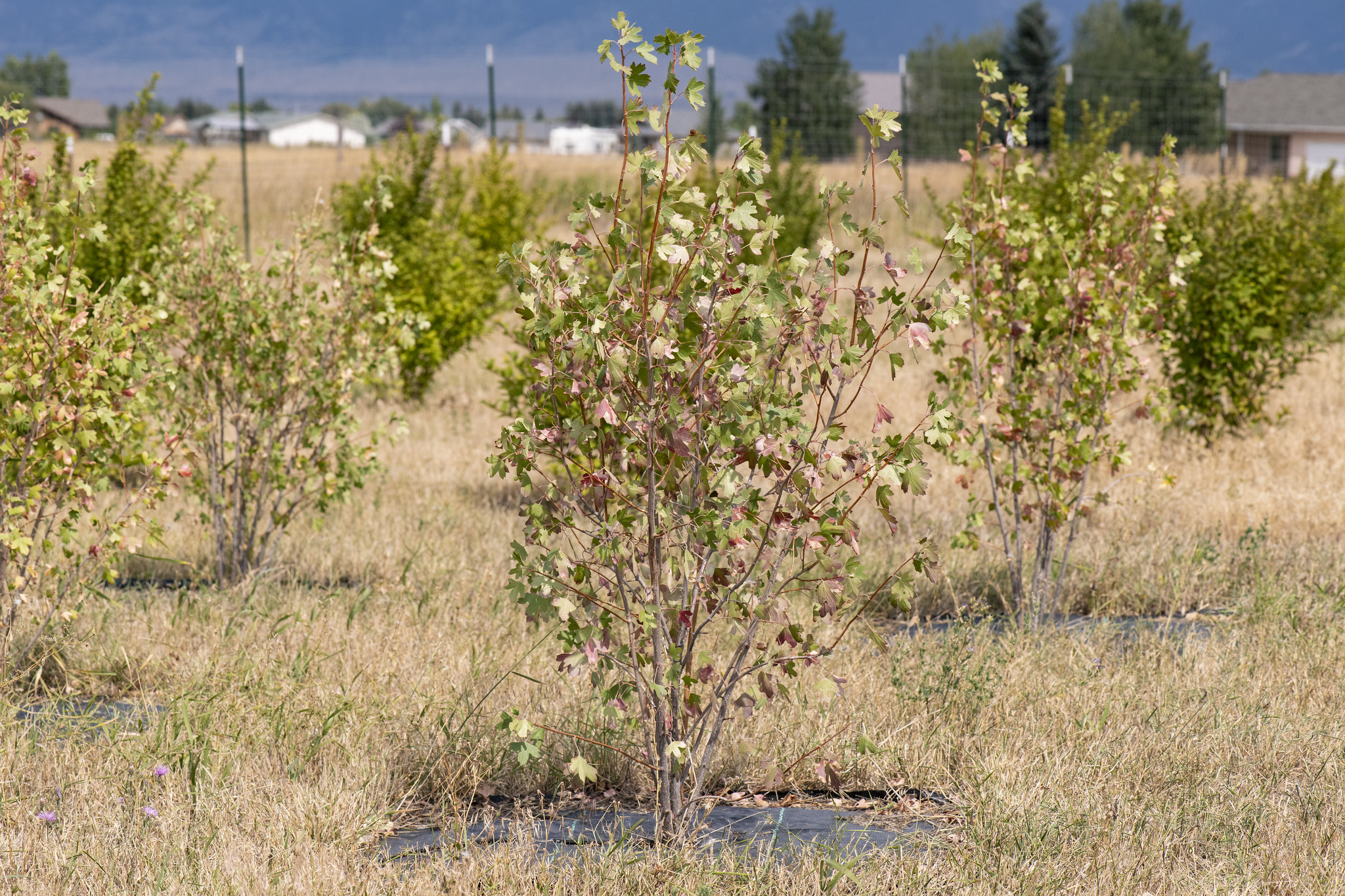
We dig deeper into one way of quantifying how well practices address the SWAPA-E resources concerns. We turn our attention to another set of three practices: Tree/Shrub Planting, Prescribed Grazing, and Conservation Cover
Michelle Perez, PhD
Michael Shulman

California policy wrap up for the 2025 legislative session.
.png)
Some places don’t just hold memories—they carry a legacy. For more than four decades, Gretchen and Dick Regnery have poured their hearts and souls into Whitefish Bay Farm—a sanctuary of serene pastures, naturally colored Corriedale sheep, and the fiber art that has defined their lives. Nestled in the stunning landscape of Door County, Wisconsin, their farm has been more than just a home; it has been a labor of love, a commitment to land stewardship, and a place where people from all walks of life have come to experience the beauty of farming and art.
Sydney Green