AFT Issues Texas Smart Solar™ Survey Report
Sep 22, 2025
Michael Shulman


Michael Shulman
Michael Shulman
Michael Shulman
Maggie Thomas
American Farmland Trust (AFT) has released findings from its 2024 survey of 240 Virginia farmers and landowners, exploring their views on solar energy development.
American Farmland Trust, the national leader in agriculturally compatible solar, has released its Policy Recommendations to Increase Agrivoltaic Development.
Michael Shulman
American Farmland Trust and Sol Systems announced a new initiative aimed at integrating solar energy production with sustainable agriculture. This collaboration will focus on growing the Kernza® perennial grain, a grain developed from intermediate wheatgrass, a relative of annual wheat.
Michael Shulman
No policy posts found for this tag.
.jpeg)
Virginia's new agrivoltaics definition marks an important milestone in the conversation about solar development and farmland. Drawing on farmer perspectives and AFT's Smart Solar℠ approach, this article explores what the legislation means for agriculture, energy, and rural communities.
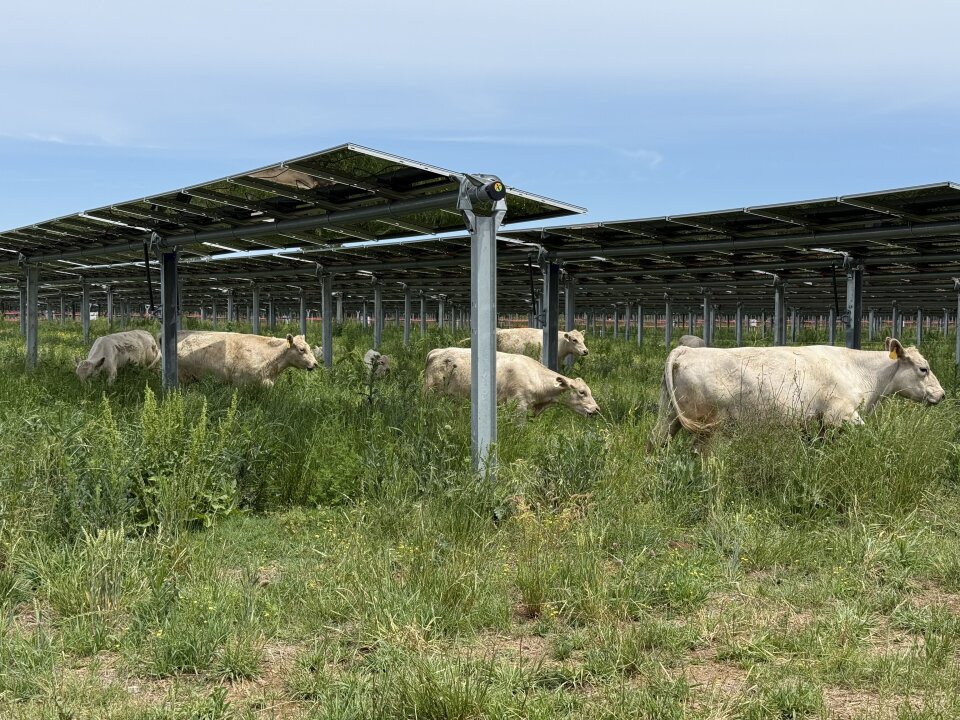
Discover how agrivoltaics is transforming Texas agriculture by combining solar energy production with livestock grazing, hay production, and new opportunities for farmers and ranchers. Learn how innovative solar projects can improve land access, strengthen rural economies, and help preserve working lands across Texas.

Colorado is testing whether food and energy can truly grow together — from vineyard agrivoltaics at CSU to the first commercial fruit-orchard project at Talbott Farms. Four takeaways from 1,000 miles of conversations with farmers, co-ops, and county officials on what it will take to scale.
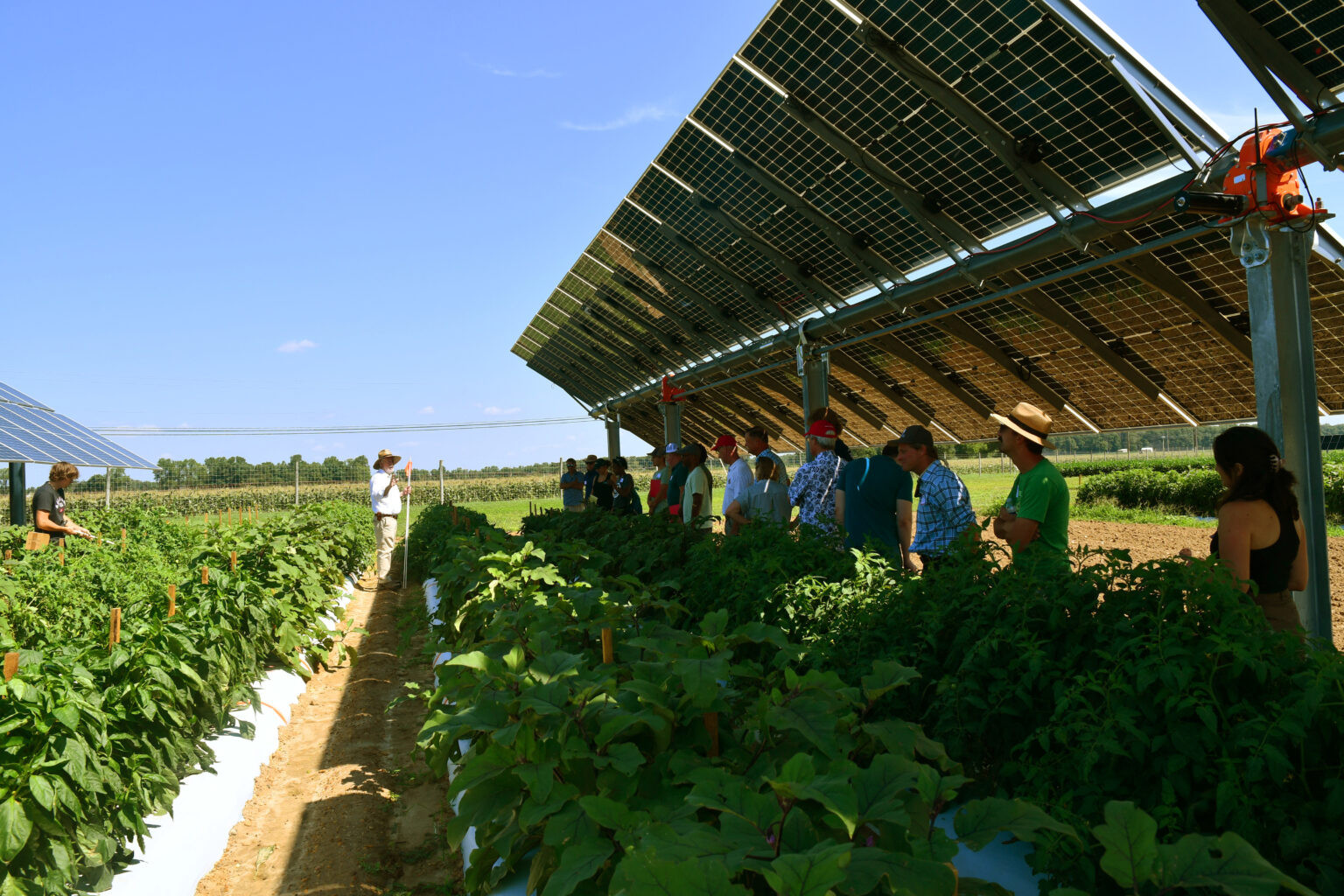
Upcoming webinars and training aimed to support farmers in exploring agrivoltaics in the Northeast.
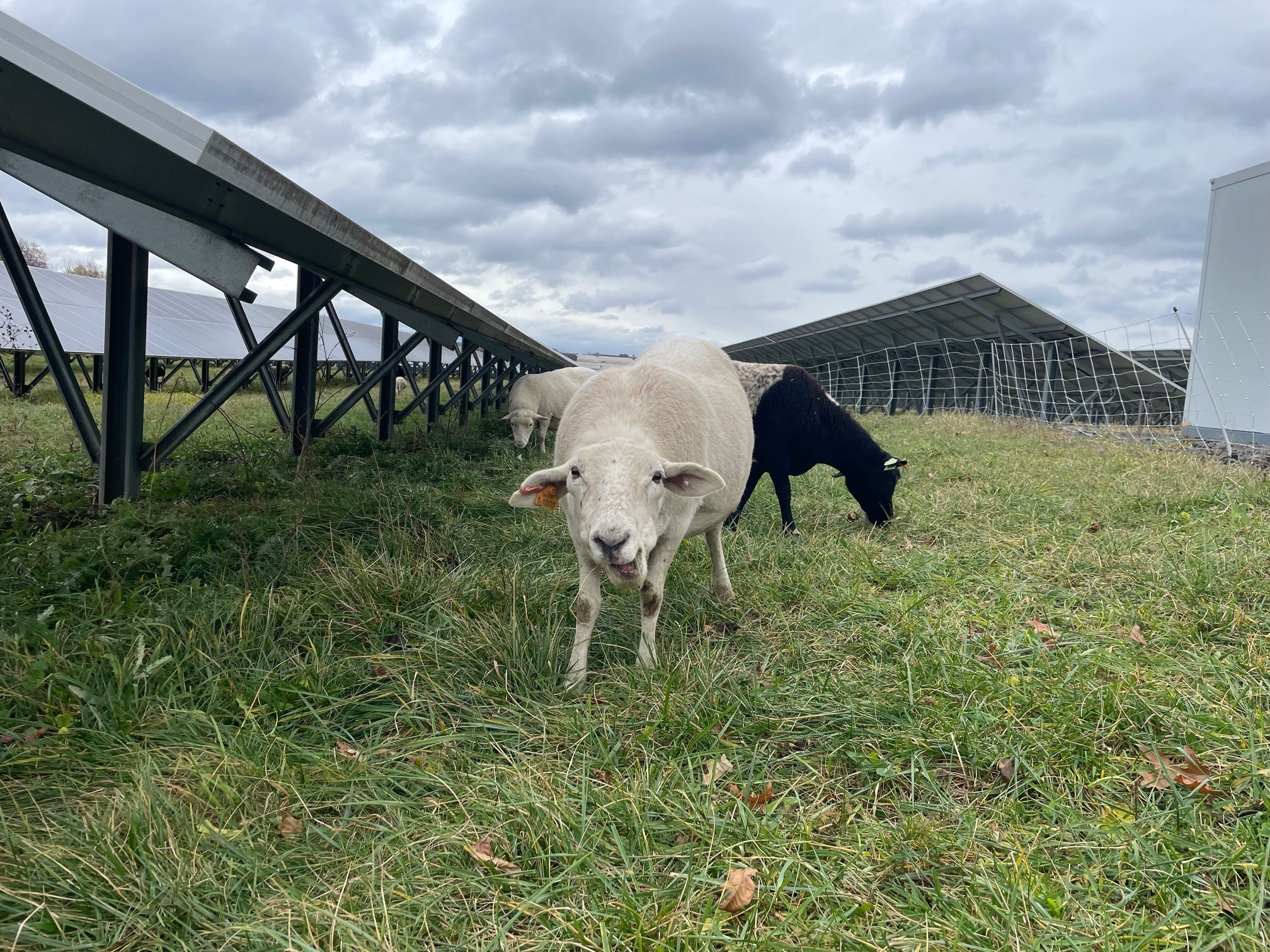
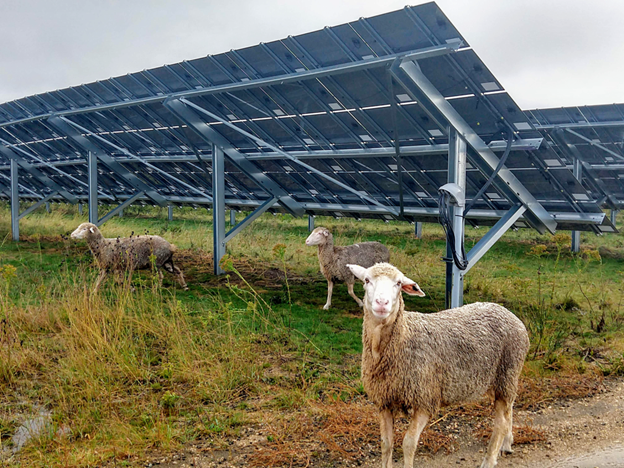
Solar grazing is reshaping how energy and agriculture share the land — with benefits for farmers, soils, and solar developers alike.
Lia Raz
.jpg)
Alan Bailey
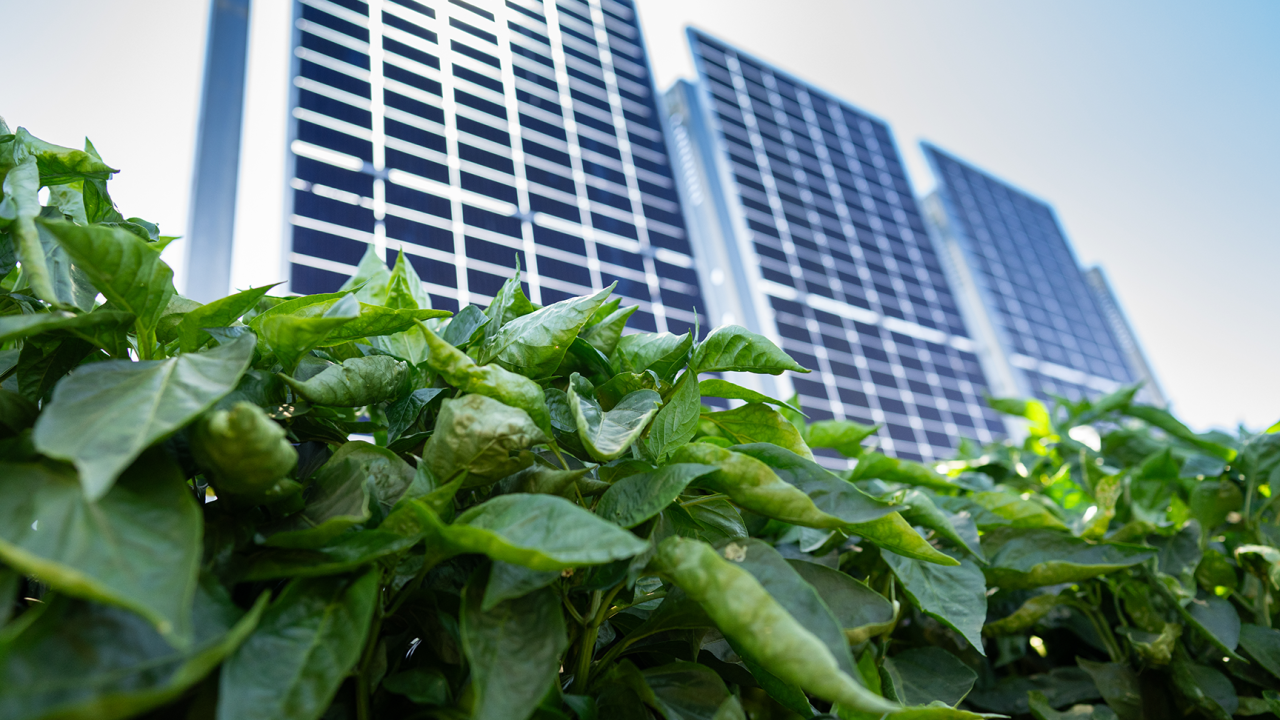
This fall, farmers across California are invited to attend four free events designed to explore how agrivoltaics can support working lands and strengthen farm resilience.
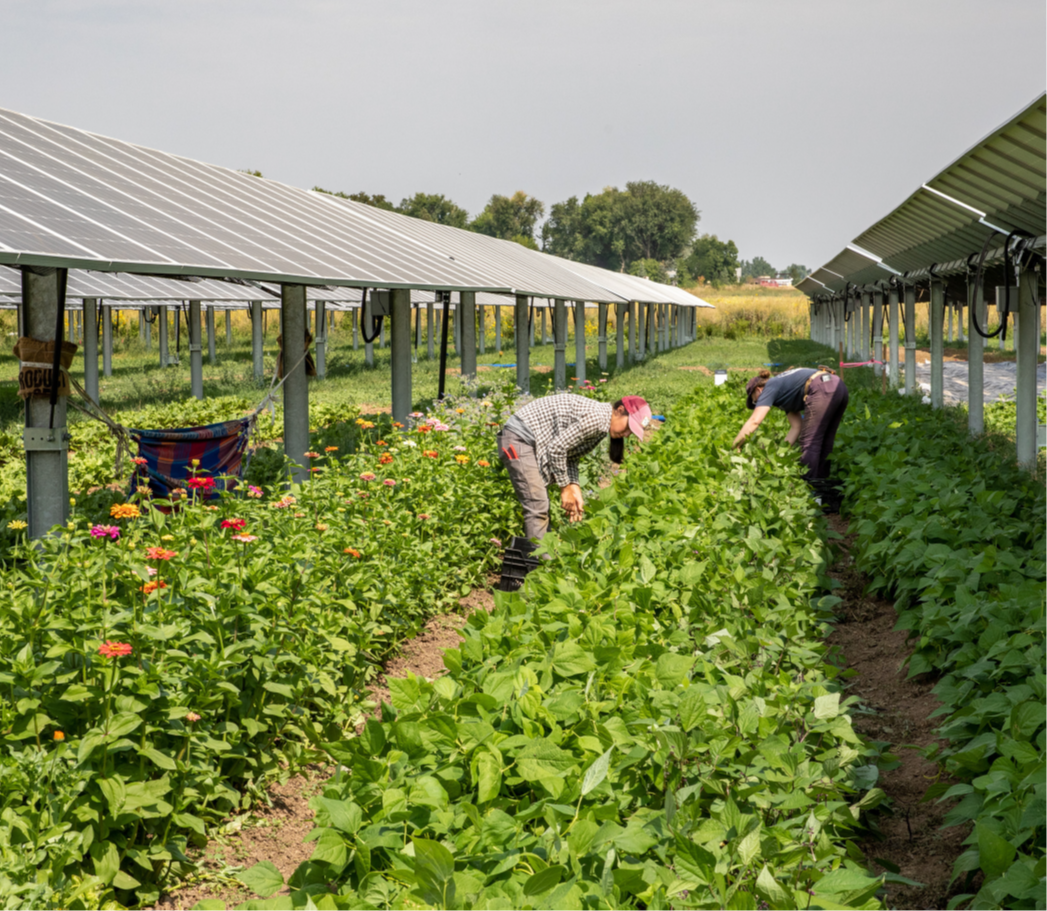
As Texas faces rising energy demand and farmland loss, new legislation presents a pivotal opportunity to expand clean energy while protecting agricultural resources. By supporting rooftop solar, agrivoltaics, and smart utility-scale siting, Texas can lead in balancing renewable energy growth with farmland preservation.
Garrett Bader
.jpg)
Hear from AFT’s Smart Solar Program Coordinator on efforts to define agrivoltaics and encourage thoughtful policy and project design to benefit farmers, energy production, and land stewardship in California and Colorado.
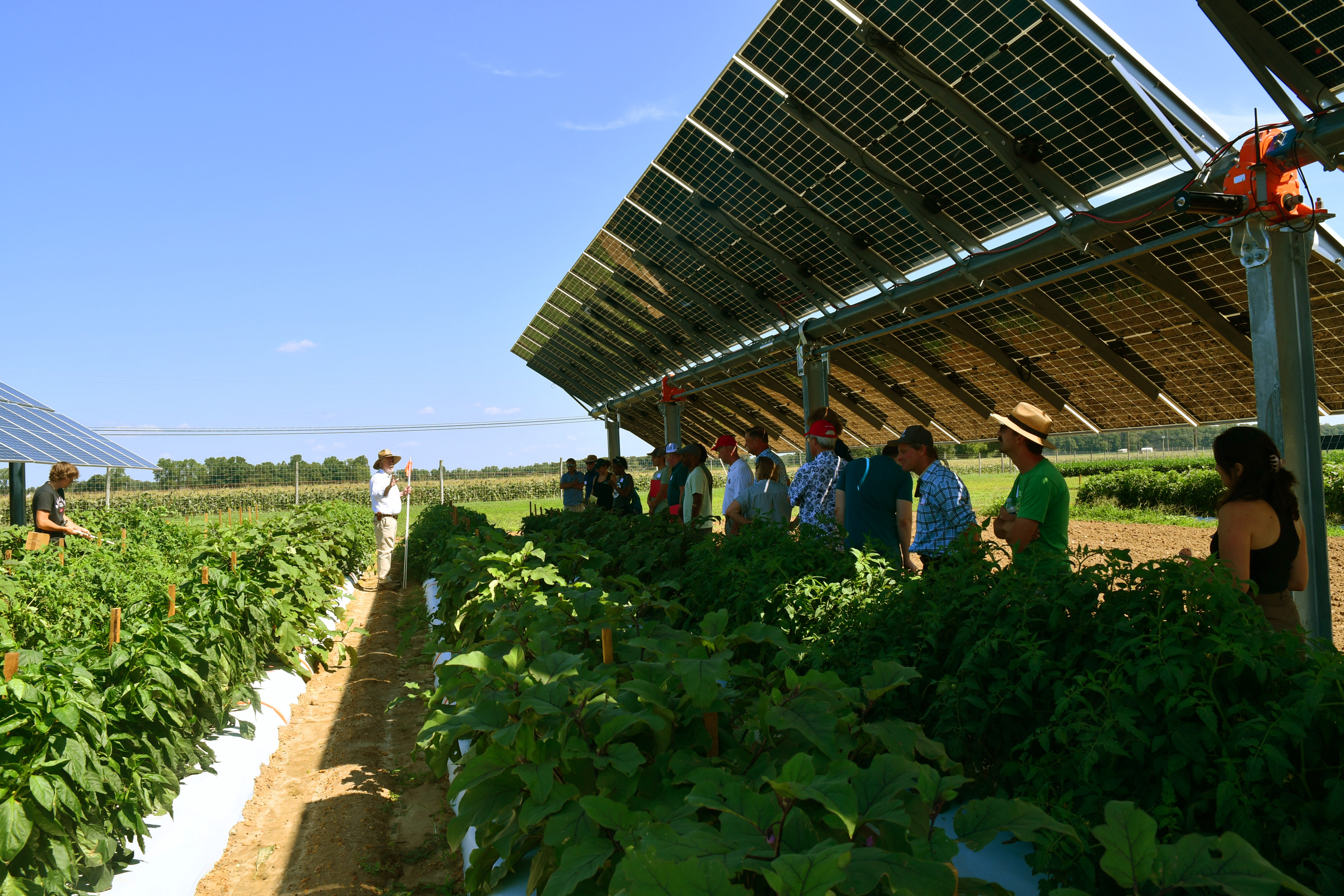
🌱☀️ Curious about how solar energy and agriculture can coexist? Check our latest blog on agrivoltaics and the Smart Solar Principles guiding our "Smart Solar Specialist's work. #SmartSolar #Agrivoltaics #RenewableEnergy
Alan Bailey
Garrett Bader
Samantha Levy
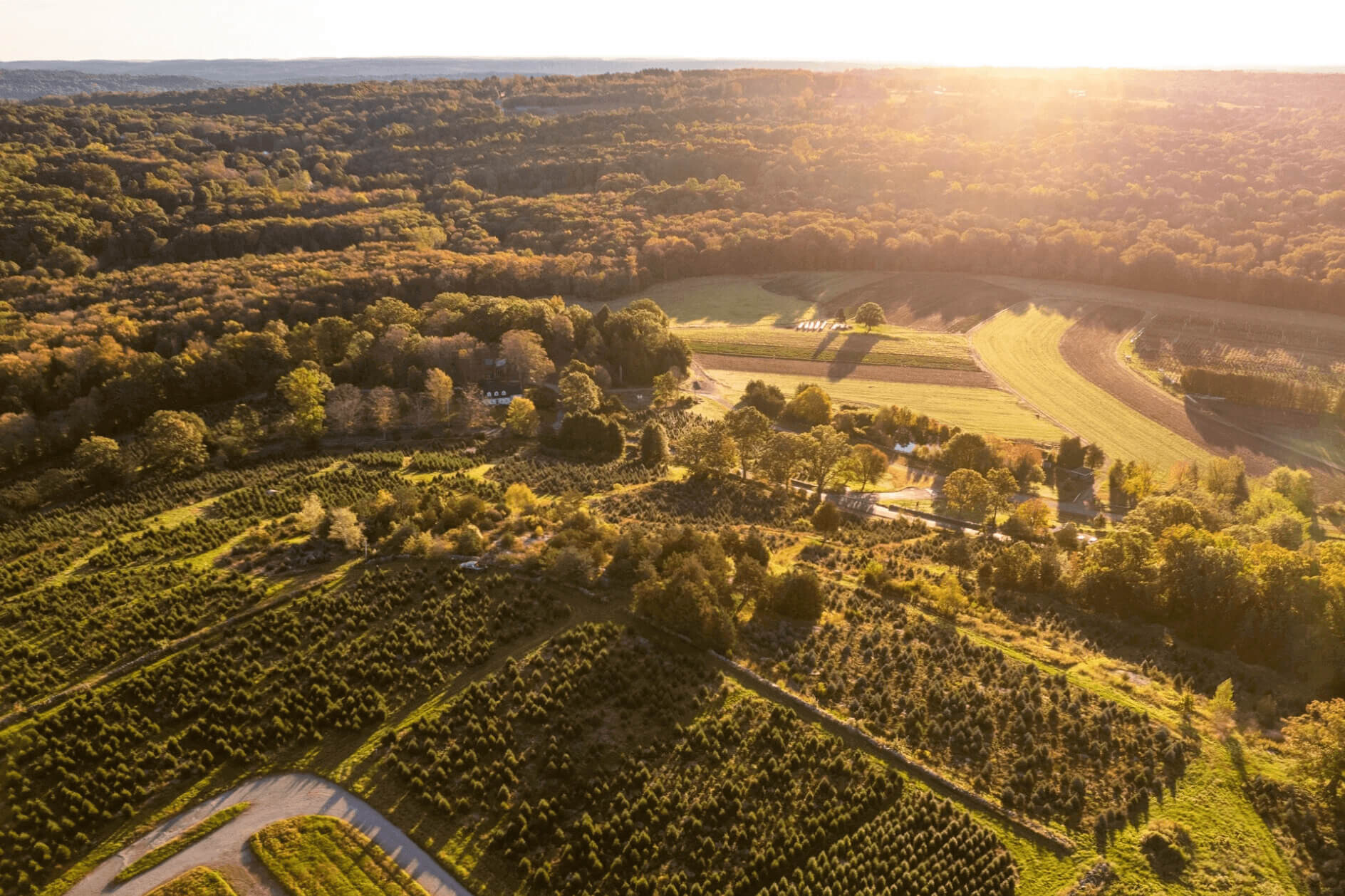
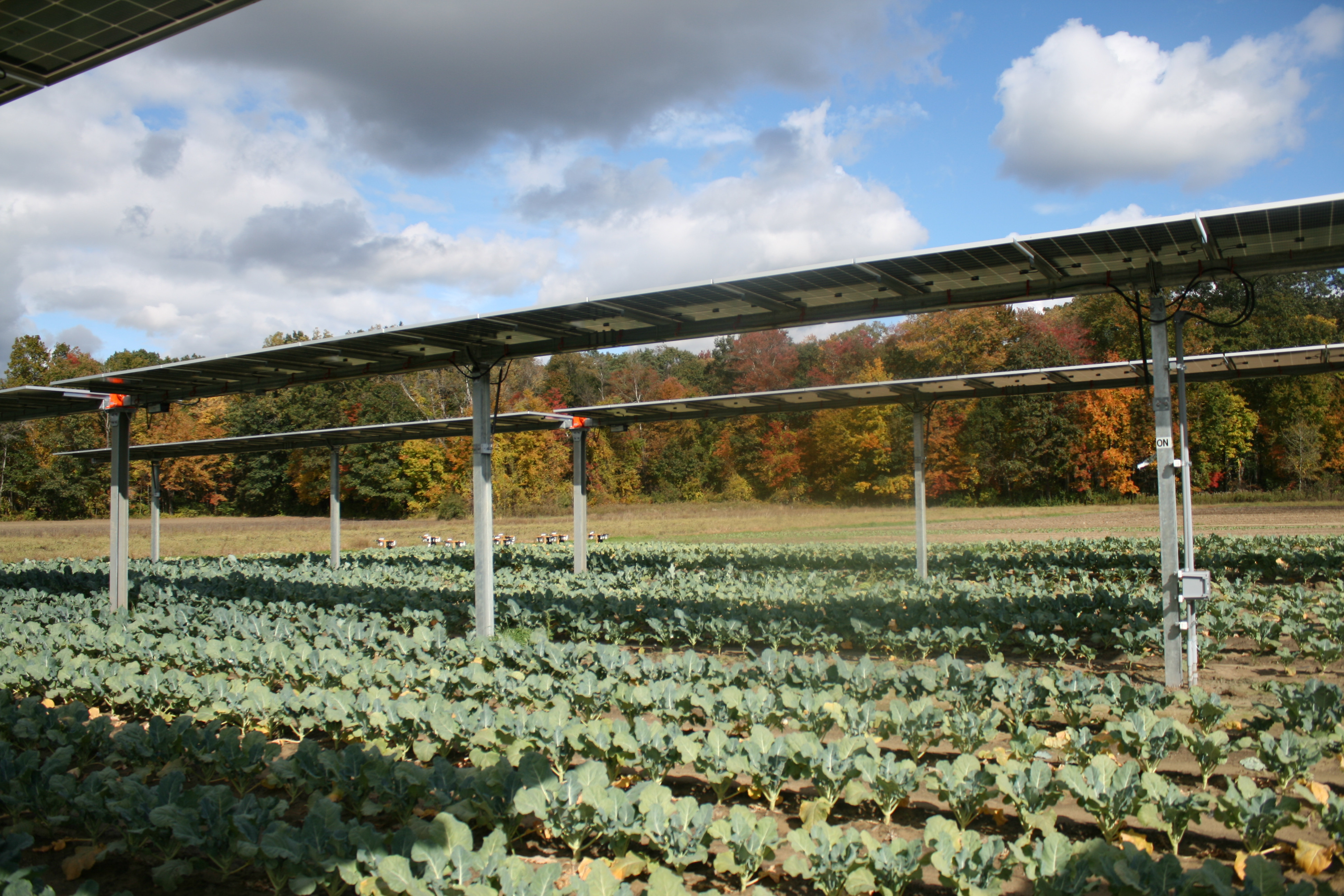
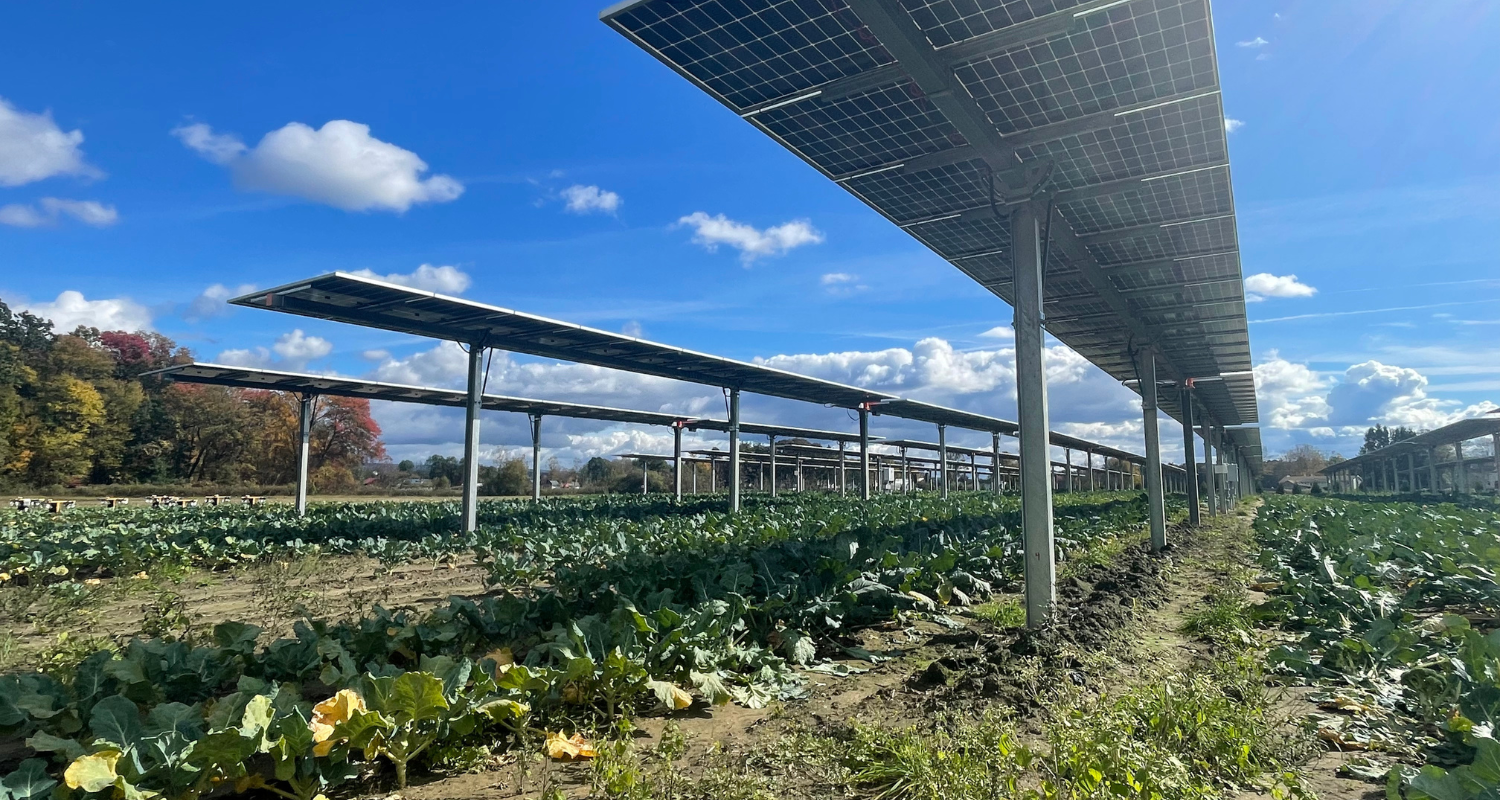
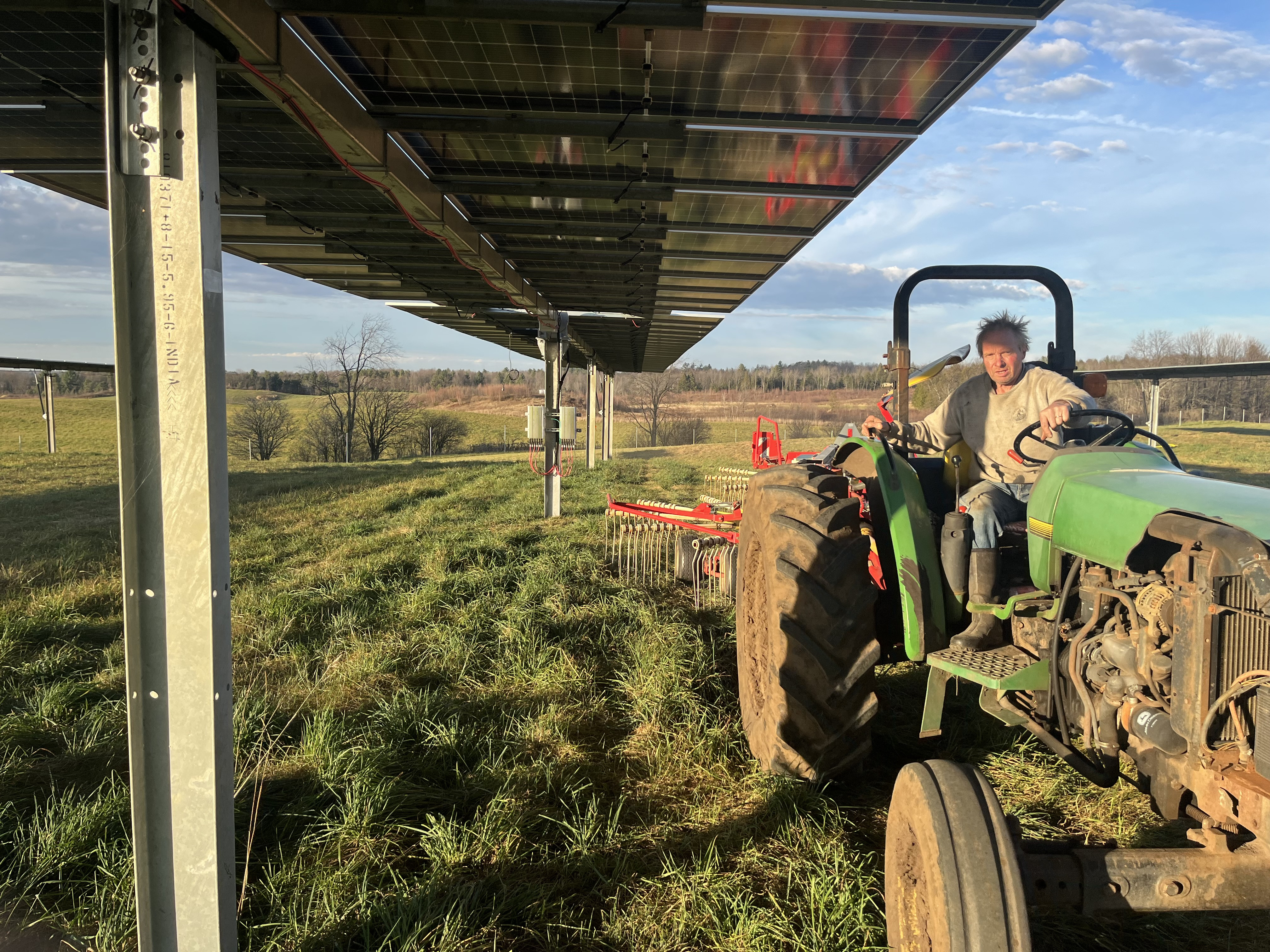
The first sight many visitors will notice when pulling into Czajkowski Farm is one that might seem unfamiliar—a field of broccoli being grown under the watchful eye of solar panels standing overhead. This technique of growing crops and generating energy on the same parcel is called agrivoltaics. While these projects may currently stick out in Massachusetts combining solar and agriculture, they are growing in popularity across the nation because of the opportunities they provide to keep land in agriculture and build resilience to climate change.
Extreme weather and accelerating warming trends make clear the urgency to shift away from fossil fuels and decarbonize our energy sector. Solar energy generation is expanding rapidly and will have a central role in this energy transition, requiring millions of acres of land for utility-scale solar as well as millions of rooftops across the country.
Ethan Winter
Samantha Levy
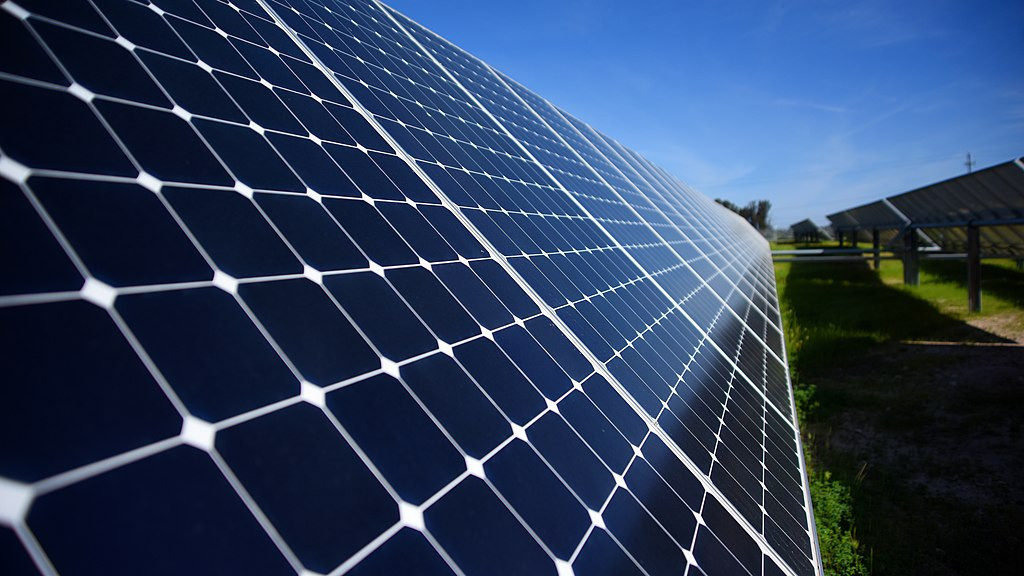
Prolonged drought, extreme temperatures, and wildfire smoke are some of the impacts of climate change experienced by farmers and ranchers, and new policies are looking at solar energy in Washington State as part of the solution.
Dani Madrone
Michael Shulman
Lori Sallet
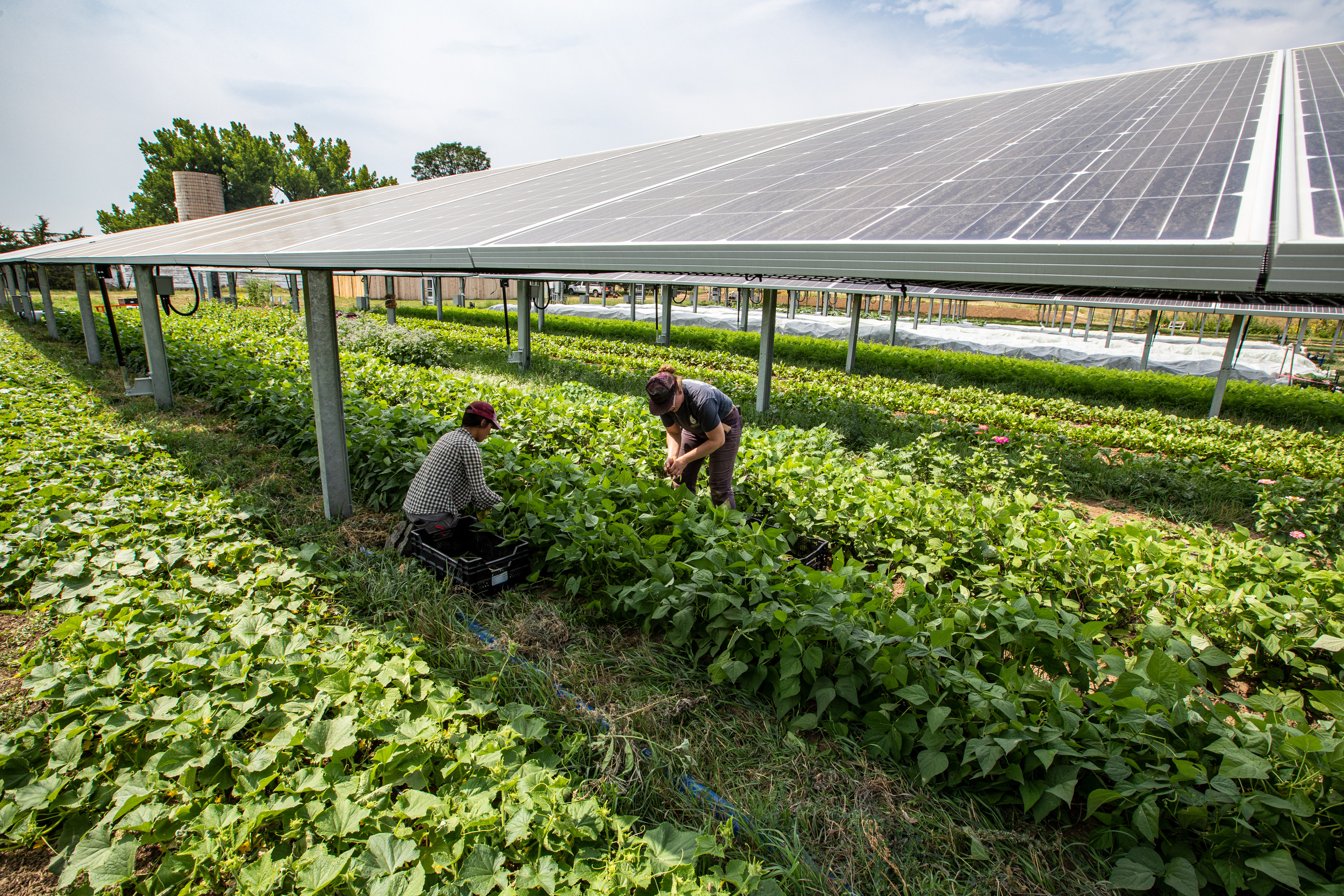
New York smart solar on farmland requires policies that empower farmers and agricultural communities to be full partners in our essential transition to a clean energy future.
Ethan Winter
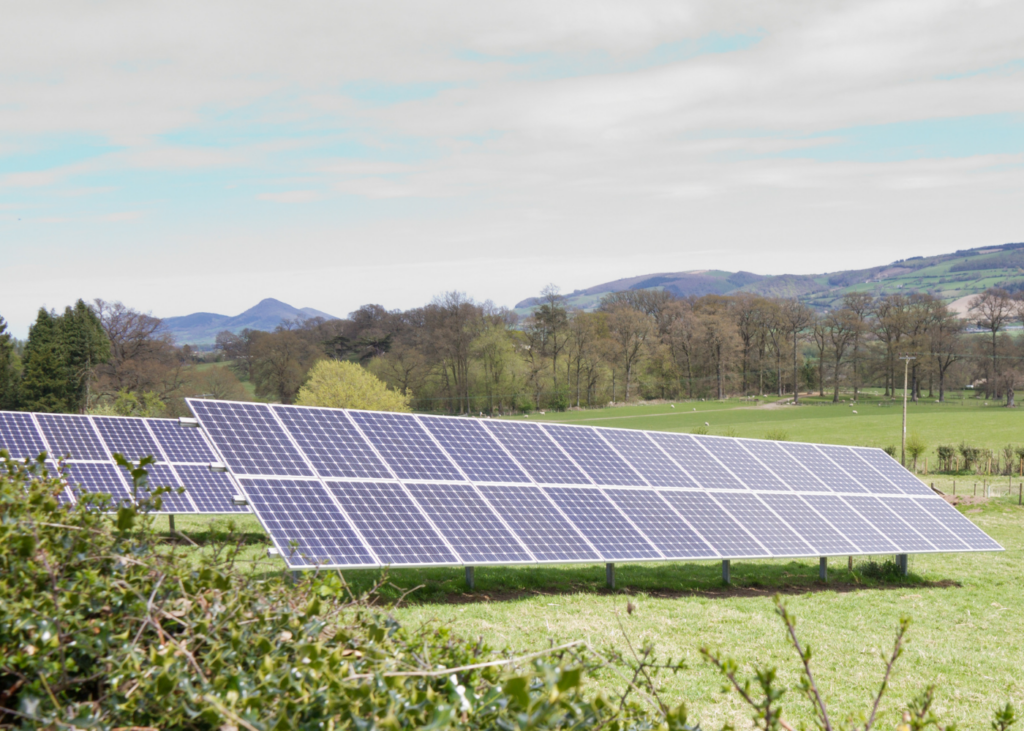
Agriculture solar energy is a necessary tool in the fight against climate change. Experts agree that sourcing more energy from cleaner sources, such as solar panels, will help mitigate some of climate change’s future impacts. For America’s farmers and ranchers, this means limiting the regular occurrence of catastrophic weather events—such as floods, droughts, and intense heat waves—that threaten land and livelihood, as well as slowing less obvious climactic shifts that affect crops and livestock.
Ethan Winter
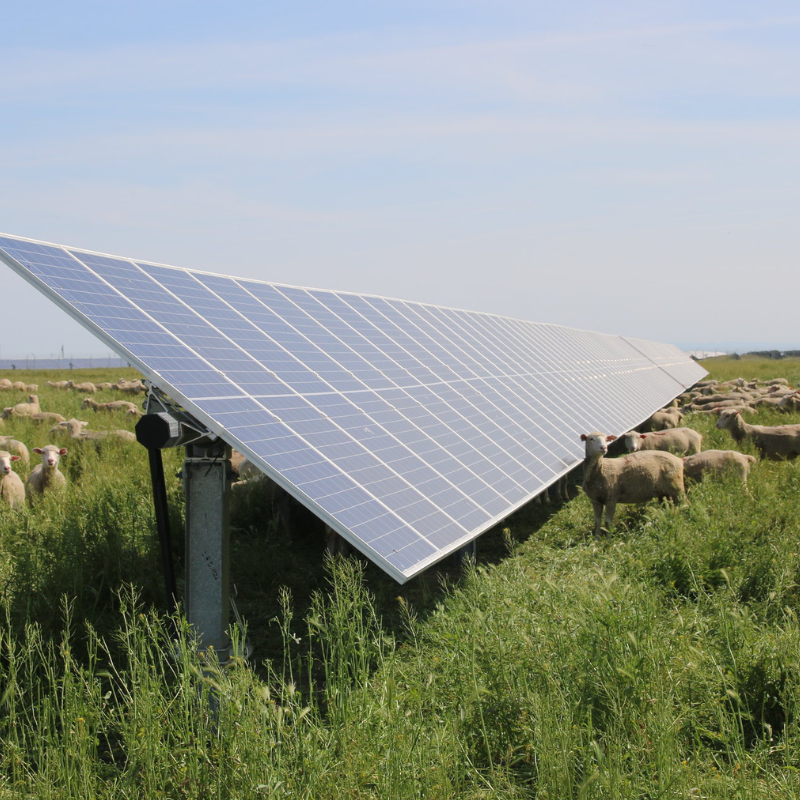
As part of this work, AFT recently published “Solar Energy and Agriculture in Kentucky.” This document is the product of an intensive stakeholder engagement process in which we interviewed leaders from agricultural, environmental, energy, and community groups. Insights shared during these thorough, thoughtful conversations can—and should—guide Kentucky’s approach to solar development.
Brooks Lamb