
AFT Applauds Introduction of the Bipartisan American Food Supply Chain Resiliency Act
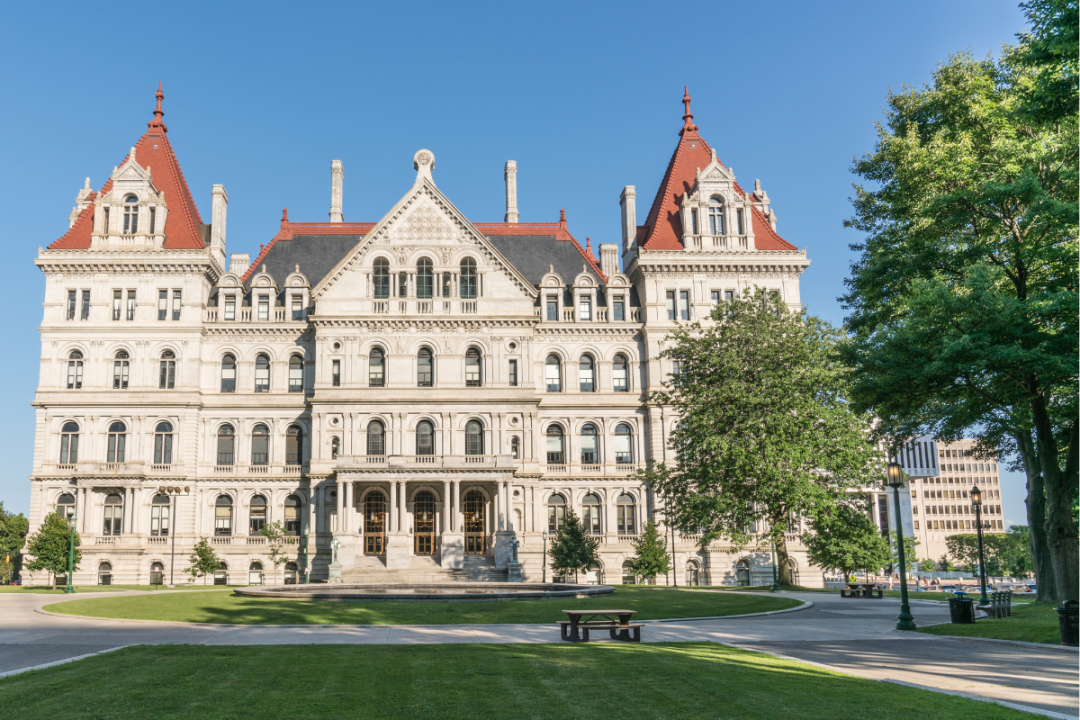
American Farmland Trust (AFT) applauds Governor Kathy Hochul and the New York State Legislature for enacting a final FY 2026–27 state budget that delivers meaningful, sustained investments in farmland protection, farm viability, climate resilience, and local food systems across New York.
American Farmland Trust has named Julia Valliant as Director of the national Farms for a New Generation team, where she will lead efforts to increase access to land and capital for the rising generation of farmers and ranchers and support elder farmers and landowners in transferring their farms with dignity and confidence.
AFT Applauds Introduction of the Bipartisan American Food Supply Chain Resiliency Act
Highlighting a recent policy update that offers a perspective on our work to advance farmland protection and support agricultural viability across Washington State in 2026.
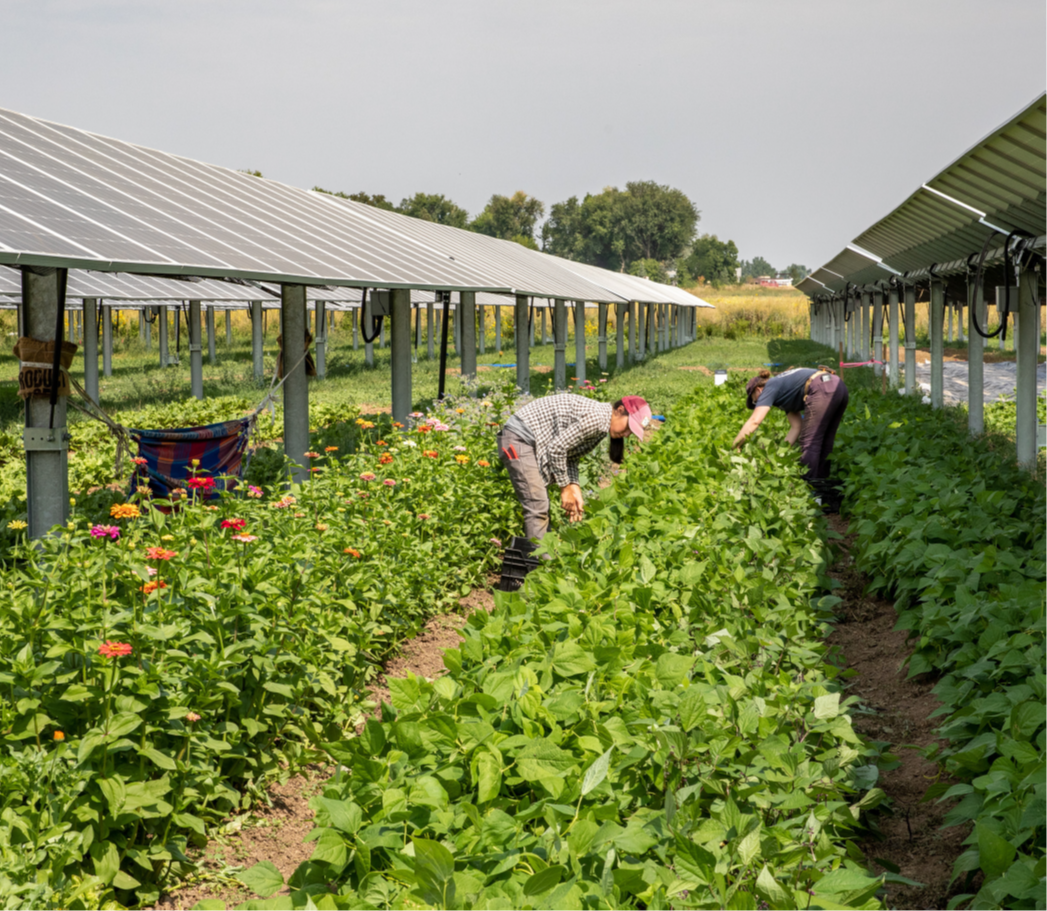
As Texas faces rising energy demand and farmland loss, new legislation presents a pivotal opportunity to expand clean energy while protecting agricultural resources. By supporting rooftop solar, agrivoltaics, and smart utility-scale siting, Texas can lead in balancing renewable energy growth with farmland preservation.
Garrett Bader
Stephanie Castle
The sturdy steel toe boots that protect your feet. The reliable truck that gets you from your fields to your markets. The tools and structures that help you grow, process, and share food with your community. This is the overlooked infrastructure of farming.
Jenna Farineau
At Bardwell Farm, farmer Harrison Bardwell is blending innovation with tradition to tackle soil health and disease pressure—proving there’s no one-size-fits-all approach to resilient farming.
Erinn Roberts & Kevin Antoszewski
At Astarte Farm, leaf mulch is proving to be a powerful tool for building soil health—offering a plastic-free, low-cost solution for weed suppression and resilience.
Erinn Roberts & Kevin Antoszewski
In this conversation, Brooks Lamb speaks about Tennessee’s new Farmland Preservation Fund, a $25 million, state-funded initiative designed to help farmers voluntarily protect their land from development through conservation easements.
Sarah J. Morton is redefining what it means to lead a family farm in central Virginia by combining her deep agricultural expertise with a powerful vision for community, culture, and conservation.
Nicole Gwishiri
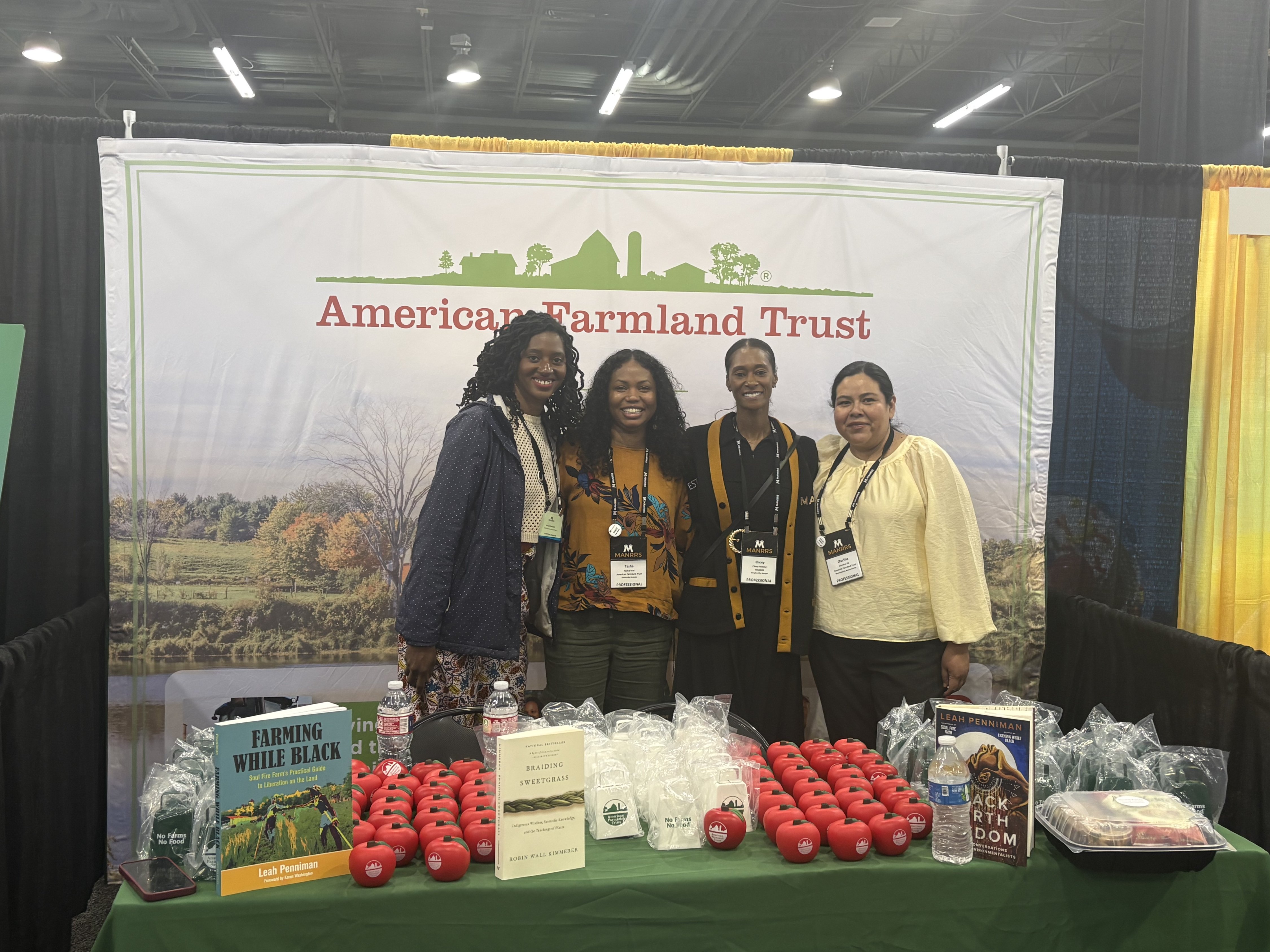
There’s nothing like a good read to slow down the season. And there’s nothing better than a trusted recommendation from someone who really knows the book.
The AMP redesign and reconciliation bill present a critical opportunity to strengthen conservation programs that support farmers and ranchers in adopting practices proven to enhance soil health, improve water and air quality, and boost farm profitability. AFT’s analysis shows that continued investment in conservation initiatives like cover crops, reduced tillage, and nutrient management yields both environmental and economic benefits, making them essential to long-term agricultural sustainability.
Michelle Perez, PhD
From June 15 - July 15, 2025, post a photo of your #NoFarmsNoFood bumper sticker on Instagram for a chance to win merch!
Can you name one of the Seven Wonders of the World? It’s a bit of a trick question, because it turns out there are multiple different lists. It makes sense … why limit the wonders to just seven?
Jean Brokish
The Goodell family had continuously farmed 275 acres for over 100 years, but the final generation had to get creative to find a successor.
Olivia Fuller
Biochar — a carbon-rich material made by heating organic matter in a low-oxygen environment — has emerged as a potential tool for building soil organic matter, improving water retention, and storing carbon long-term. But for many farmers, biochar still feels more like a research concept than a practical option.
The Midwest begins to thaw, hinting at the next growing season, and the American Farmland Trust Midwest team is out in the field listening, learning, and educating. From late winter to early spring, our staff meets with farmers, landowners, and partners across the Midwest to dig into the topics that matter most—protecting our farmland, keeping farmers on the land, and promoting sound agriculture practices. Here’s a look at where we’ve been and at what’s coming up in Spring 2026.
AFT celebrates National School Breakfast Week and Farm to School programs in New York
Caro is AFT New England’s Soil Health Program Manager, where she organizes farmer networks, provides technical support, and conducts research on agricultural practices and soil health. From perennial gardens to peer learning spaces, her work is rooted in connection — to land, farmers, and community. Read on to learn what she’s planting this spring and the farm lessons that continue to shape her work.
New legislation to increase support for farmers, ranchers, and foresters with small-acreage operations across the country through the Office of Small Farms Establishment Act would create a new office within the United States Department of Agriculture (USDA) focused on ensuring that smaller operations have better access to the critical federal programs that provide farm loans, conservation funding, crop insurance, and much more.
Sunday Bell Farm is responding to extreme weather by improving soil health, water planning, and pasture management. With guidance from AFT’s PARCC program, the Vermont dairy and livestock farm is developing strategies to stay productive in a changing climate.
Read on how American Farmland Trust, alongside a growing group of partners, is leading the effort to develop federal policies to address PFAS risk and contamination in agricultural land across the nation.