AFT Launches Beef Producer Economic Resilience Initiative
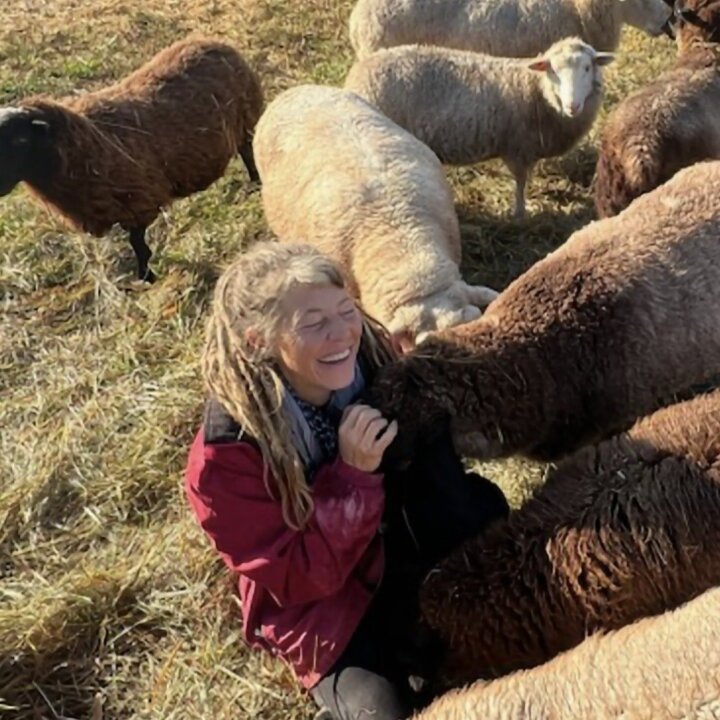
AFT’s Beef Grazing Network is launching a redesigned Beef Producer Economic Resilience Initiative, now part of USDA’s Advancing Markets for Producers program.
The Farm Bill discussion draft text released this week by Chairman Boozman would make critical improvements to USDA conservation programs to better serve farmers, ranchers, and landowners.
AFT Applauds Introduction of the Bipartisan American Food Supply Chain Resiliency Act
American Farmland Trust (AFT) applauds Governor Kathy Hochul and the New York State Legislature for enacting a final FY 2026–27 state budget that delivers meaningful, sustained investments in farmland protection, farm viability, climate resilience, and local food systems across New York.
American Farmland Trust has named Julia Valliant as Director of the national Farms for a New Generation team, where she will lead efforts to increase access to land and capital for the rising generation of farmers and ranchers and support elder farmers and landowners in transferring their farms with dignity and confidence.
AFT Applauds Introduction of the Bipartisan American Food Supply Chain Resiliency Act
Highlighting a recent policy update that offers a perspective on our work to advance farmland protection and support agricultural viability across Washington State in 2026.
When conservation is captured in acres, not feet, how do we talk about the impact of urban farms within the agricultural ecosystem? I would argue one way is through ingenuity, creativity, and community impact. Most urban farms in the Midwest were not created solely focused on making a profit. The farmers have a strong desire to give back to their communities and the earth all while growing their small businesses. Last year, we profiled three urban farmers in and near Kansas City, Missouri who received micro-grants of $3,500 through a partnership between American Farmland Trust and a Kansas City-based urban agriculture non-profit, Cultivate Kansas City.
Virginia's new agrivoltaics definition marks an important milestone in the conversation about solar development and farmland. Drawing on farmer perspectives and AFT's Smart Solar℠ approach, this article explores what the legislation means for agriculture, energy, and rural communities.
AFT programs highlight peer learning for farmers committed to advancing conservation, land stewardship, and community resilience in their communities. This Farmer Profile is funded by the Natural Resources Conservation Service to highlight inspiring farmers who work to protect, steward, and manage U.S. farmland.
Learn how Crooked Porch Farm in Virginia uses high tunnels, soil health practices, EQIP funding, and farm grants to grow vegetables year-round while building a sustainable family farming business.
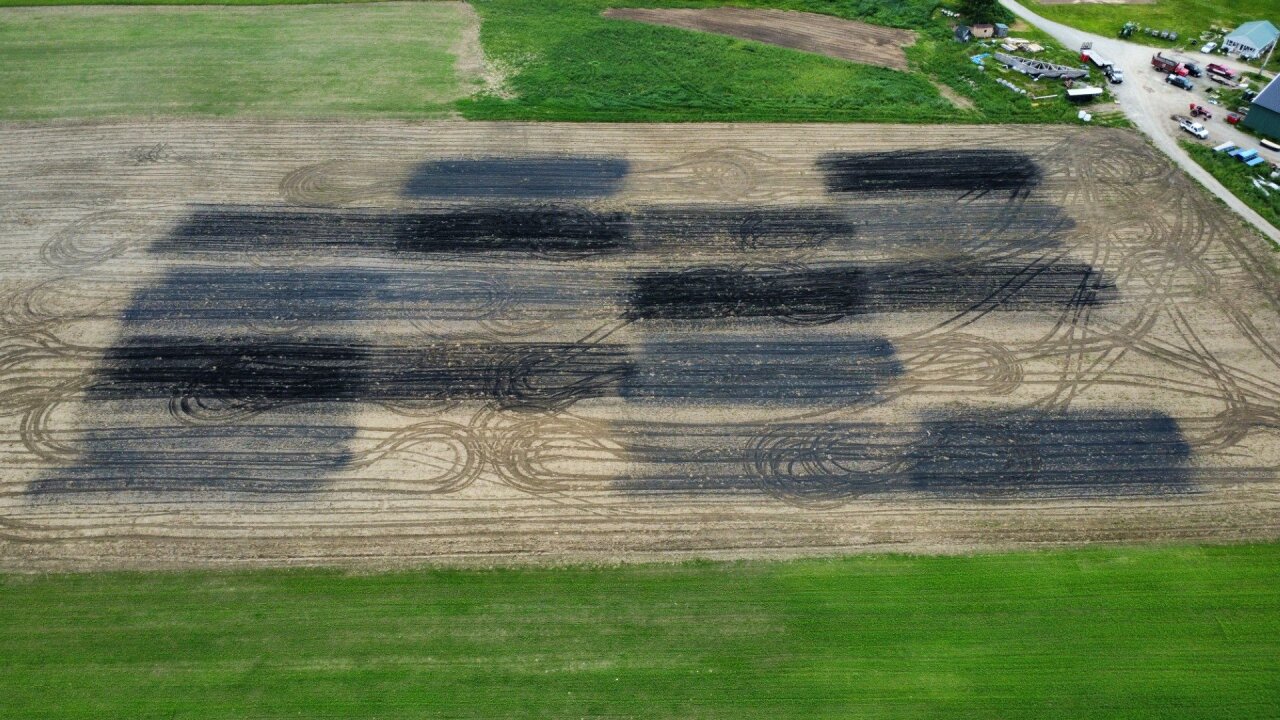
Discover how a childhood garden inspired a career in soil health, regenerative agriculture, and conservation. Learn how biochar, composting, and land stewardship can help farmers build healthier soils and more resilient agricultural systems.
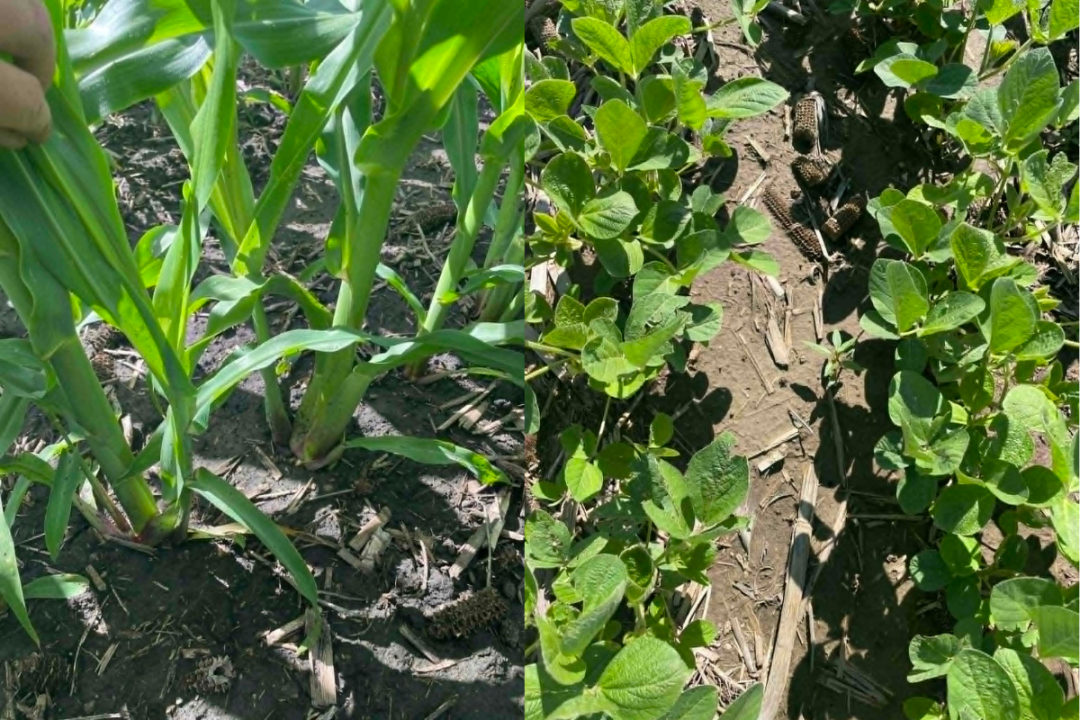
Discover how regenerative soil health practices can improve farm profitability, resilience, and long-term sustainability while strengthening rural communities and food systems. Learn about the latest economic tools, research, and resources helping farmers make informed conservation decisions that support both their bottom line and the future of agriculture.
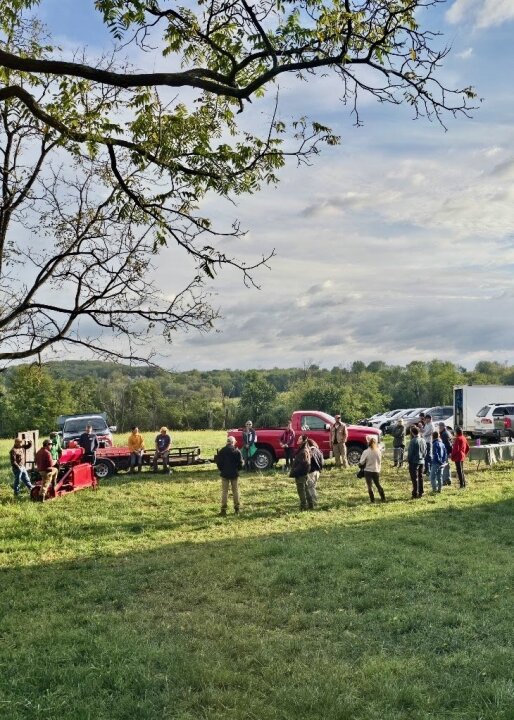
This spring our Midwest team gathered in Wisconsin/Iowa driftless area to learn and grow together. Learning about adult education mental models, visually impactful demonstrations, and the full sensory experience of an operational dairy farm! Though the Midwest spans states, our team is taking our in-person connections to build a stronger, more resilient Midwest region, rooted together.
Discover how American Farmland Trust's (AFT) expanded engineering team is helping farmers and landowners turn infrastructure ideas into buildable, fundable projects. Learn how expert support for drainage, irrigation, water management, manure systems, permitting, and NRCS compliance can save time, reduce costs, and improve farm resilience across the Northeast.
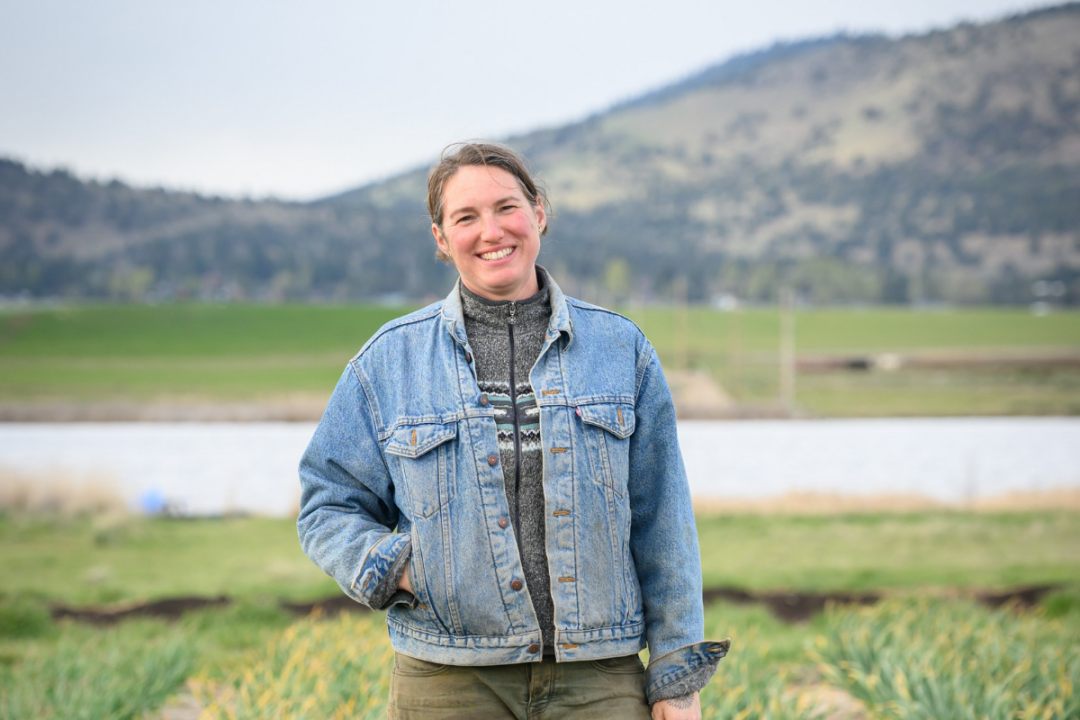
Chantel Welch and the Pacific Northwest team help farmers and ranchers increase their resilience on individual and community levels out West.
Discover how agrivoltaics is transforming Texas agriculture by combining solar energy production with livestock grazing, hay production, and new opportunities for farmers and ranchers. Learn how innovative solar projects can improve land access, strengthen rural economies, and help preserve working lands across Texas.
Highlighting a recent policy update that offers a perspective on our work to advance farmland protection and support agricultural viability across Washington State in 2026.
AFT’s Beef Grazing Network is launching a redesigned Beef Producer Economic Resilience Initiative, now part of USDA’s Advancing Markets for Producers program.
When conservation is captured in acres, not feet, how do we talk about the impact of urban farms within the agricultural ecosystem? I would argue one way is through ingenuity, creativity, and community impact. Most urban farms in the Midwest were not created solely focused on making a profit. The farmers have a strong desire to give back to their communities and the earth all while growing their small businesses. Last year, we profiled three urban farmers in and near Kansas City, Missouri who received micro-grants of $3,500 through a partnership between American Farmland Trust and a Kansas City-based urban agriculture non-profit, Cultivate Kansas City.
Virginia's new agrivoltaics definition marks an important milestone in the conversation about solar development and farmland. Drawing on farmer perspectives and AFT's Smart Solar℠ approach, this article explores what the legislation means for agriculture, energy, and rural communities.
AFT programs highlight peer learning for farmers committed to advancing conservation, land stewardship, and community resilience in their communities. This Farmer Profile is funded by the Natural Resources Conservation Service to highlight inspiring farmers who work to protect, steward, and manage U.S. farmland.
The Farm Bill discussion draft text released this week by Chairman Boozman would make critical improvements to USDA conservation programs to better serve farmers, ranchers, and landowners.
AFT Applauds Introduction of the Bipartisan American Food Supply Chain Resiliency Act
Learn how Crooked Porch Farm in Virginia uses high tunnels, soil health practices, EQIP funding, and farm grants to grow vegetables year-round while building a sustainable family farming business.
Discover how a childhood garden inspired a career in soil health, regenerative agriculture, and conservation. Learn how biochar, composting, and land stewardship can help farmers build healthier soils and more resilient agricultural systems.
Discover how regenerative soil health practices can improve farm profitability, resilience, and long-term sustainability while strengthening rural communities and food systems. Learn about the latest economic tools, research, and resources helping farmers make informed conservation decisions that support both their bottom line and the future of agriculture.