.jpg)
COSAP Co-op Launches Sustainable Apparel Collection for AFT’s FNG-NY Program
May 20, 2025
Olivia Fuller

Olivia Fuller
American Farmland Trust (AFT) announced significant achievements in the final FY26 budget, reflecting Gov. Kathy Hochul’s commitment to support New York farmers and preserve agricultural land. These victories will provide substantial benefits to all New Yorkers.
Olivia Fuller
Lori Sallet
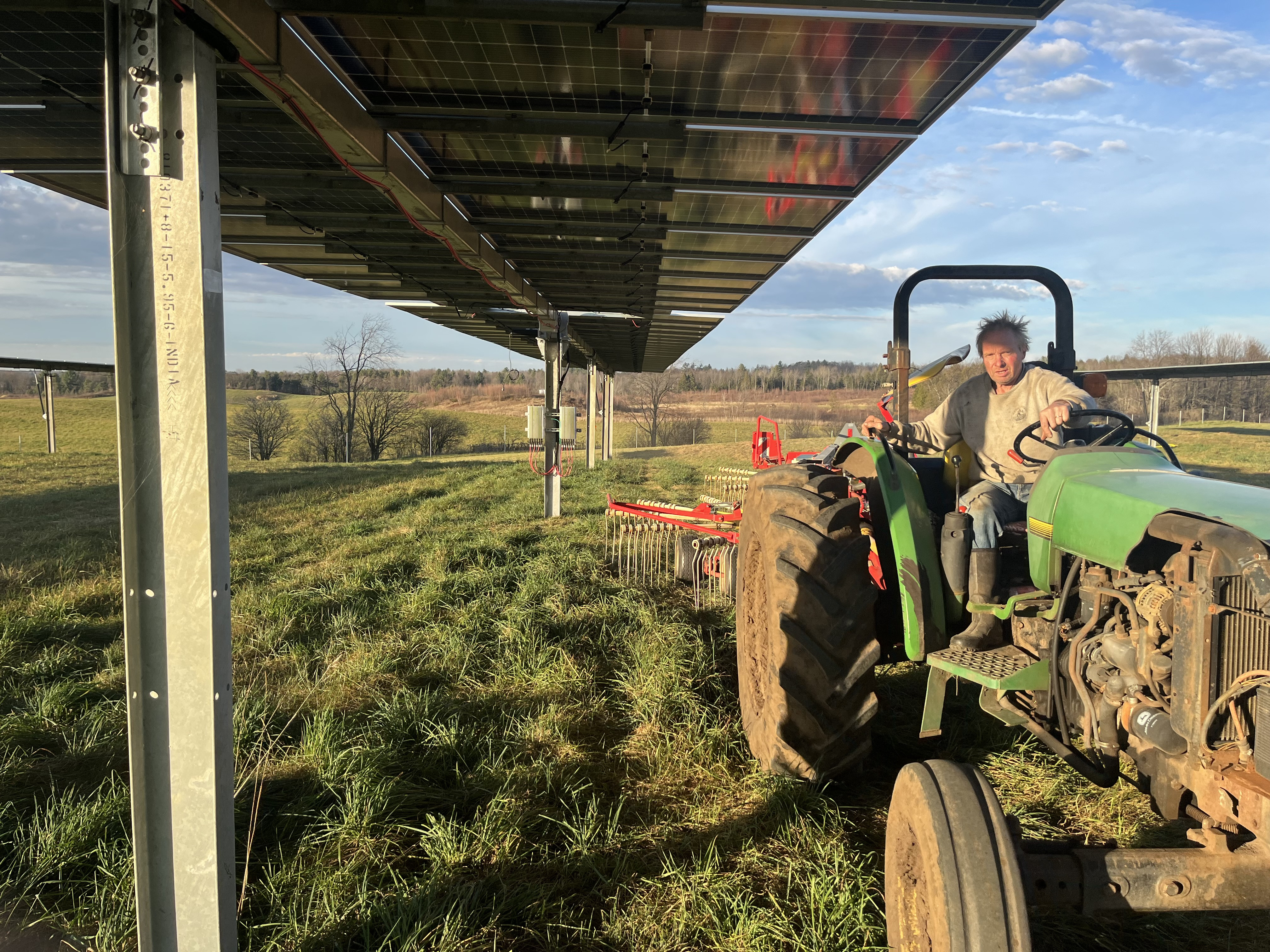
American Farmland Trust (AFT) has released findings from its 2024 survey of 240 Virginia farmers and landowners, exploring their views on solar energy development.
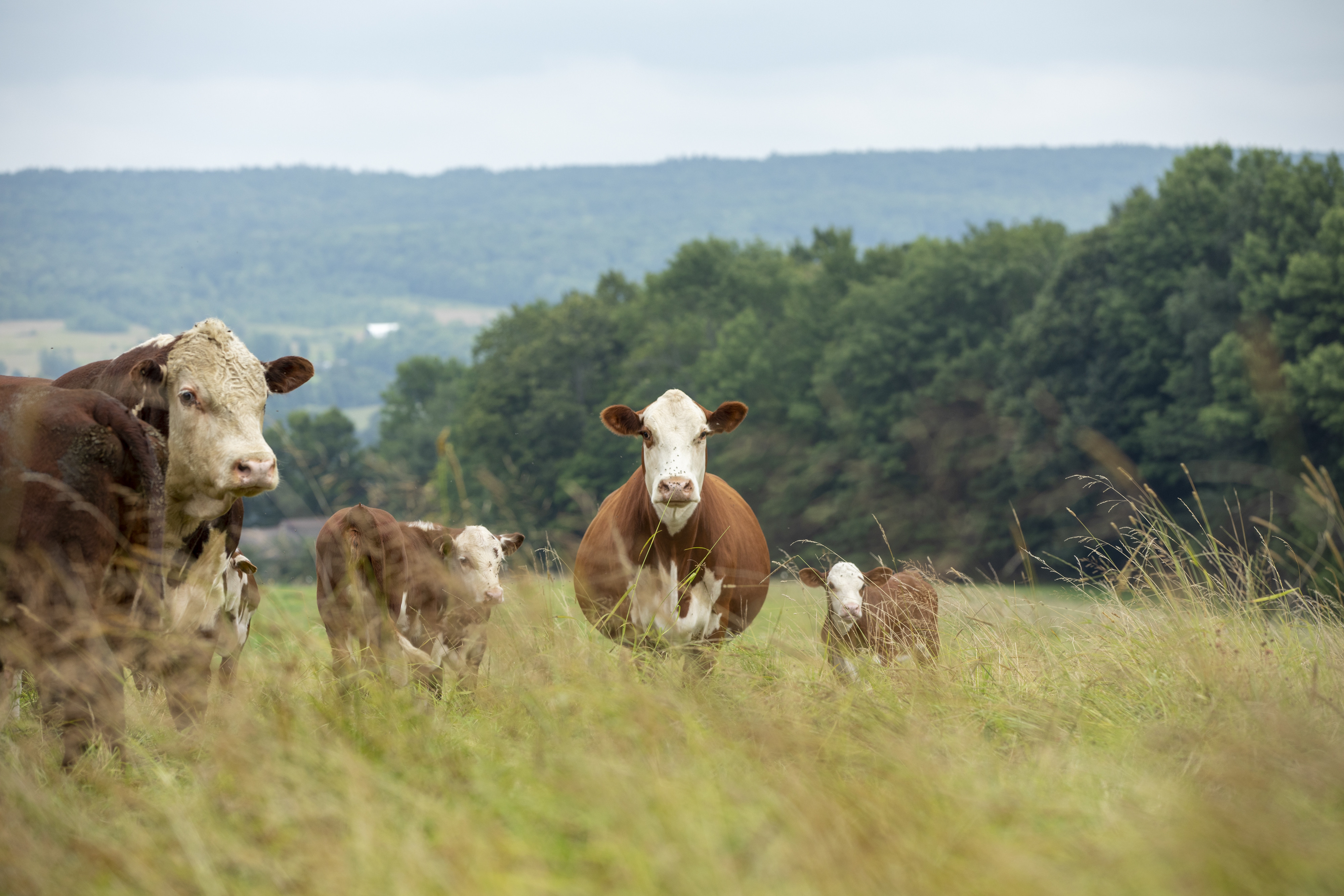
American Farmland Trust Returns as Partner for America The Bountiful – Season Two airing nationwide
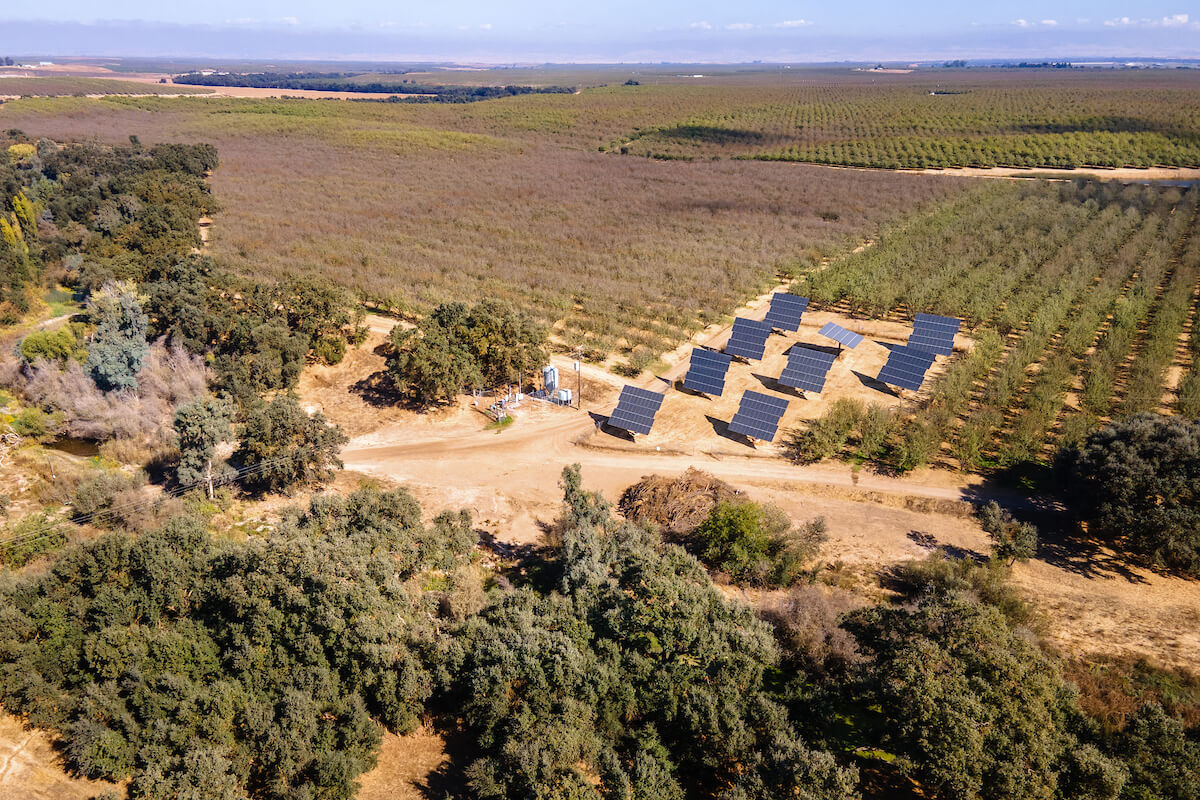
American Farmland Trust, the national leader in agriculturally compatible solar, has released its Policy Recommendations to Increase Agrivoltaic Development.
Michael Shulman
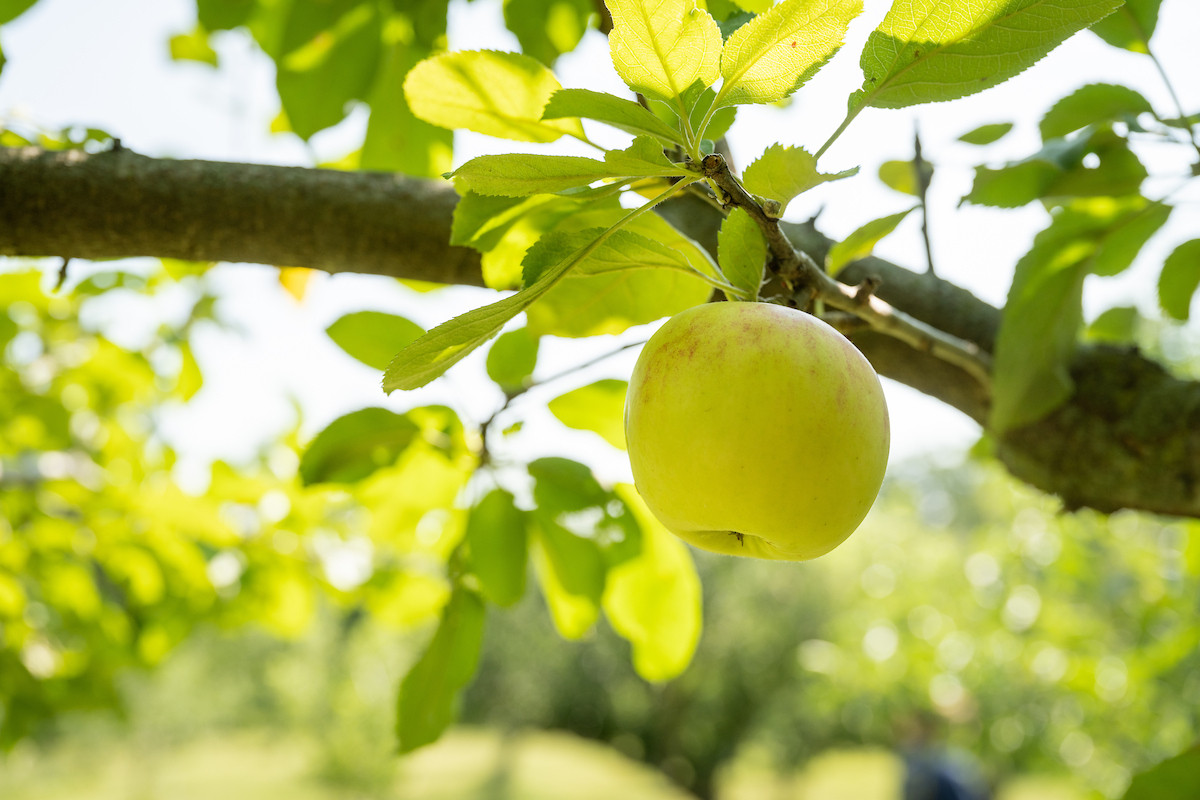
American Farmland Trust and the New York Grown Food for New York Kids Coalition are celebrating National School Breakfast Week and schools that serve local, farm-fresh foods to students.
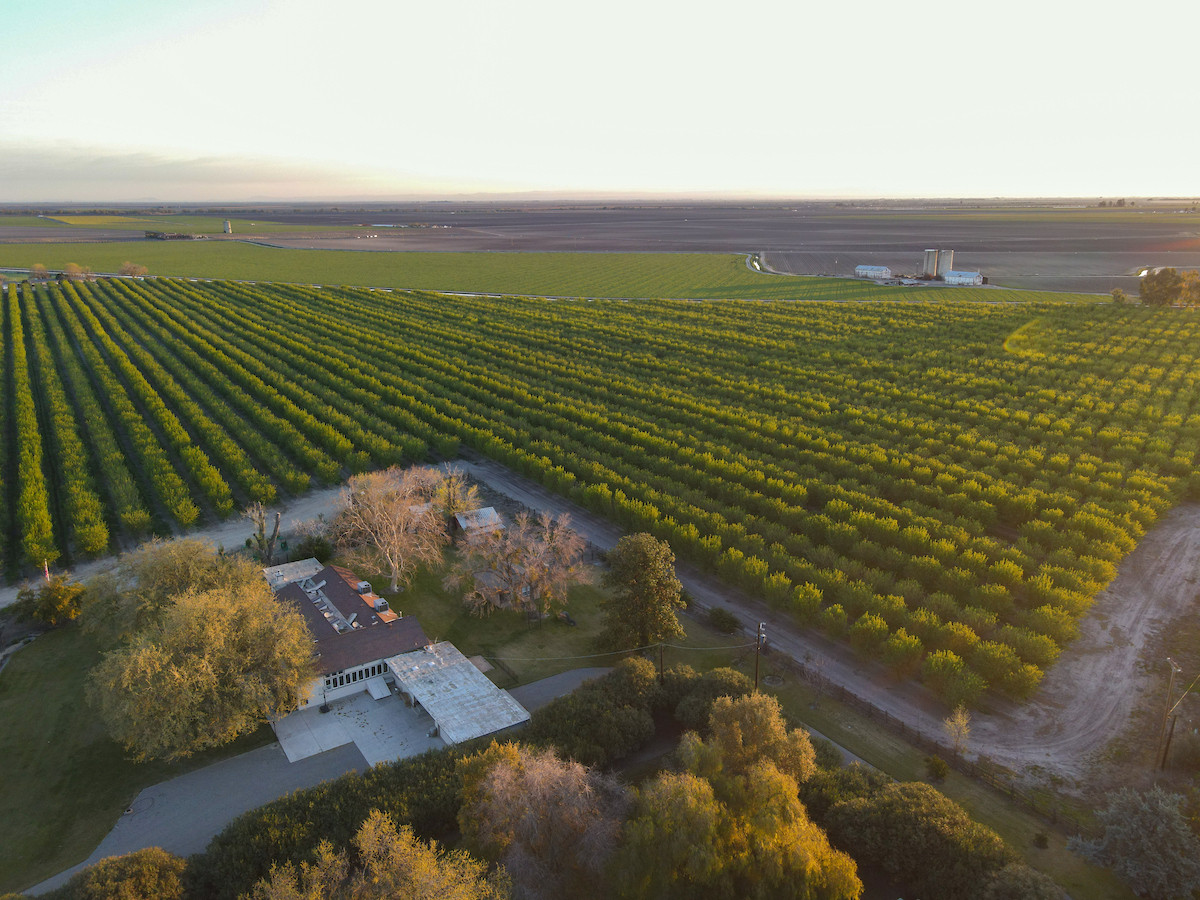
SAVING AMERICA’S WORKING LANDS, a national conference hosted by American Farmland Trust, focuses on the threatened and irreplaceable land that America relies upon to grow food, fiber and fuel, provide environmental benefits and maintain farm viability and rural vitality.
Lori Sallet
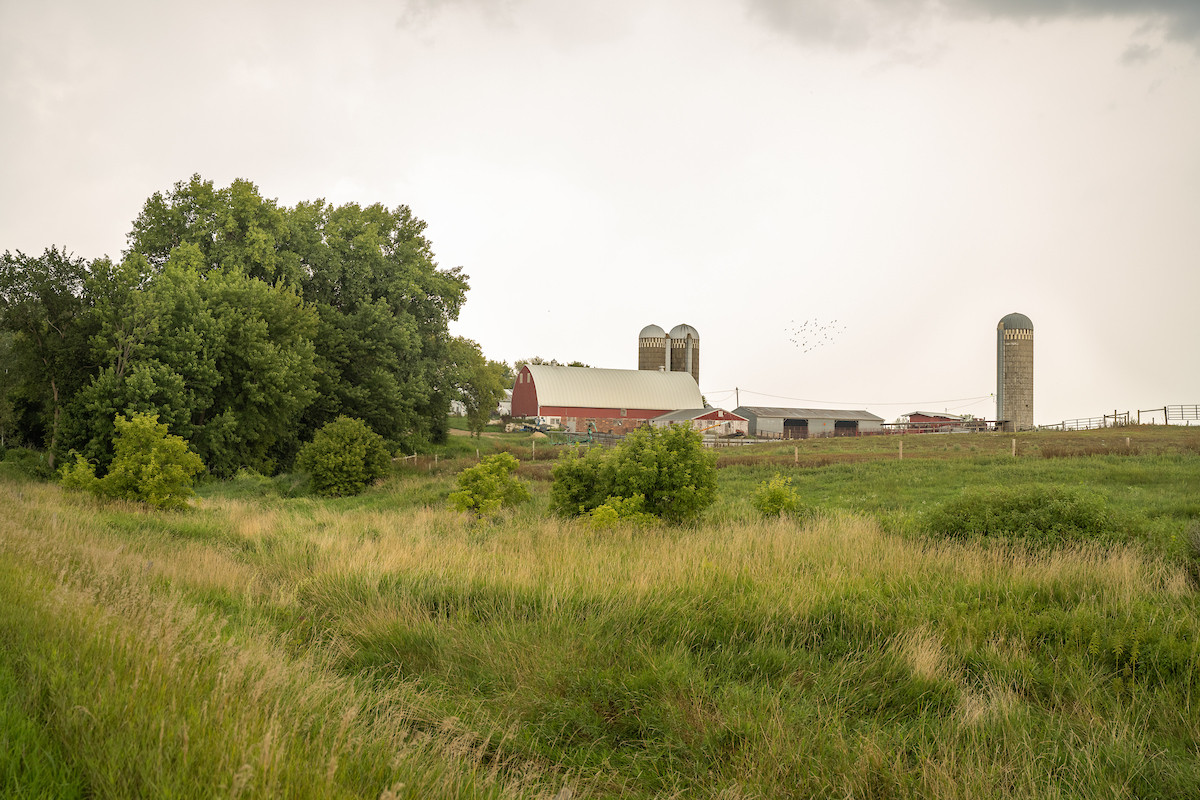
American Farmland Trust in coordination with Aiken Land Conservancy published the Aiken 2040 Visioning Session report, which identifies Aiken County’s farmland under future development scenarios.
Michael Shulman
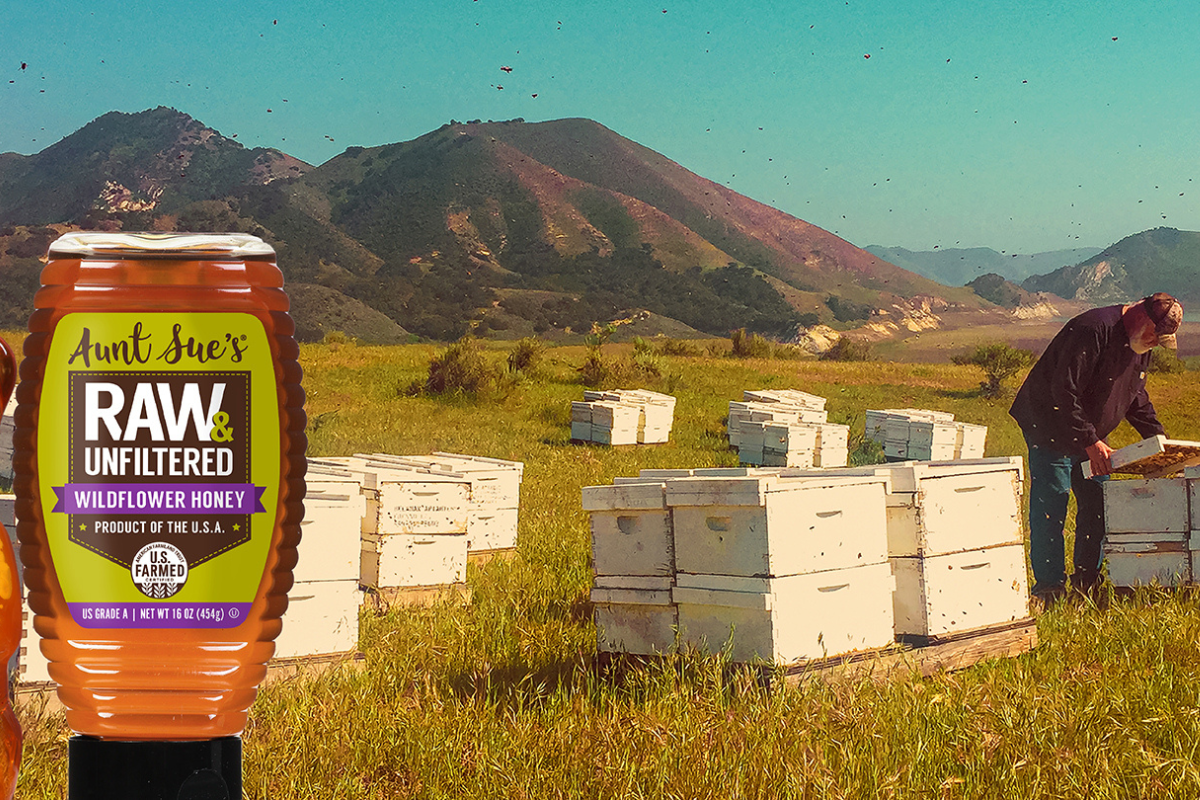
Sioux Honey Association Co-op, the gold standard of honey since 1921, and American Farmland Trust, a national nonprofit working to save the land that sustains us, announce the joint launch of U.S. Farmed™ certified honey, a standard for consumer-packaged goods proven to contain at least 95% of ingredients grown in the United States.
Michael Shulman
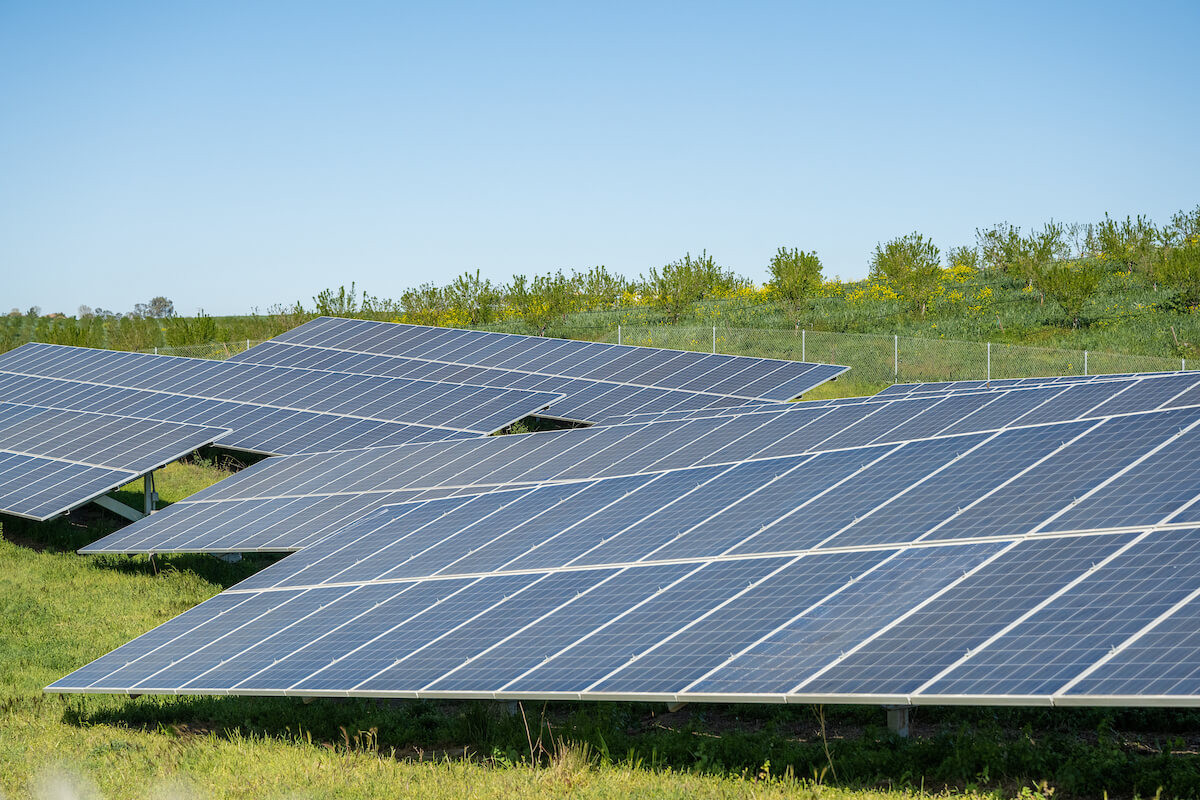
American Farmland Trust and Sol Systems announced a new initiative aimed at integrating solar energy production with sustainable agriculture. This collaboration will focus on growing the Kernza® perennial grain, a grain developed from intermediate wheatgrass, a relative of annual wheat.
Michael Shulman

New England had a mixed year for farmland this session — some real wins, some hard-fought compromises, and a few reminders of how much work is still ahead.

AFT Applauds Introduction of the Bipartisan American Food Supply Chain Resiliency Act

Highlighting a recent policy update that offers a perspective on our work to advance farmland protection and support agricultural viability across Washington State in 2026.
.jpg)
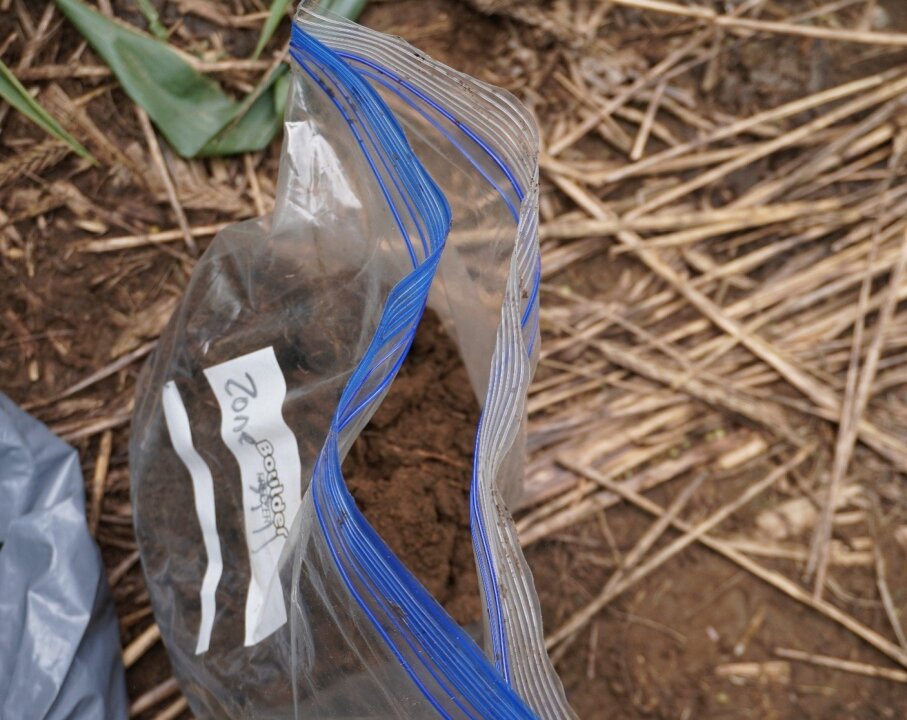
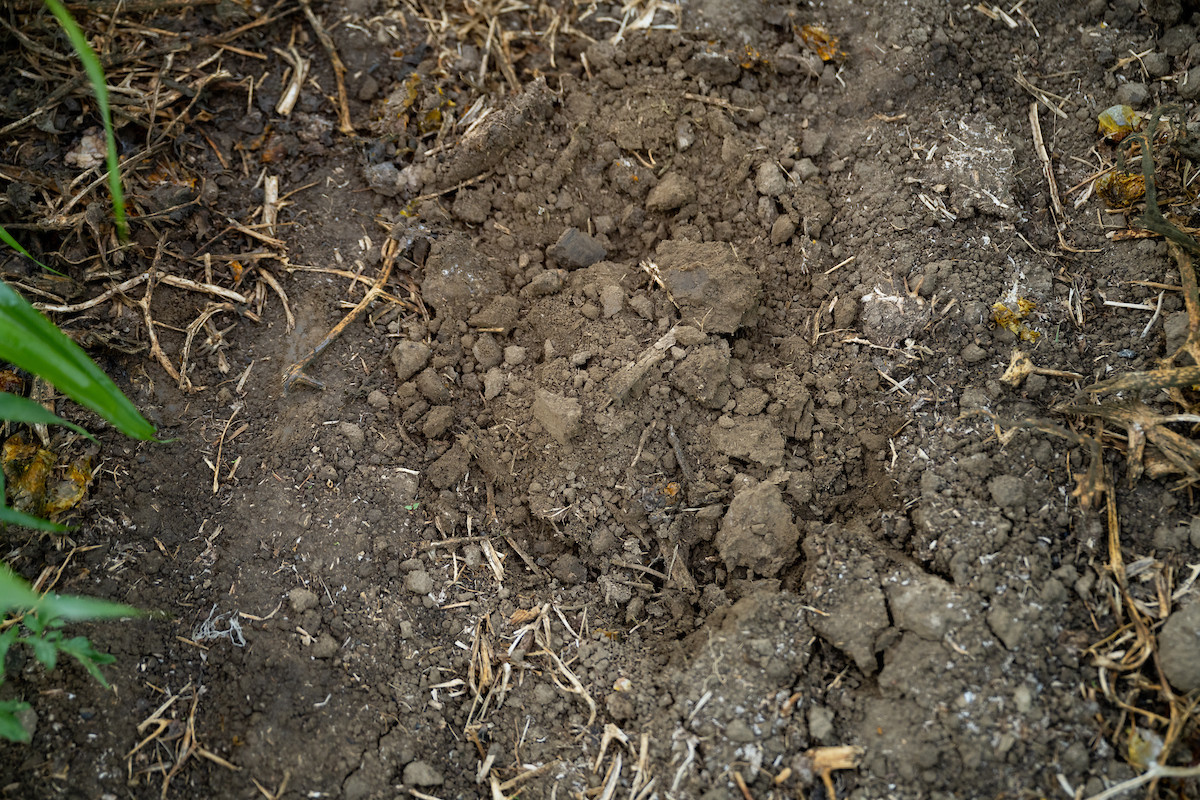
There is a lot we can learn from a field by taking a closer look at the soil. For farmers and others who depend on the soil to produce, it’s standard to look outward for the best advice or most popular solutions to ensure the soil will behave accordingly. This search for the “best” or chasing new trends is inefficient and can lead to highly varied results. Before changing an agricultural management practice, like tillage or cover crops, or deciding what support might help, it is worth slowing down and asking what the soil is showing us.
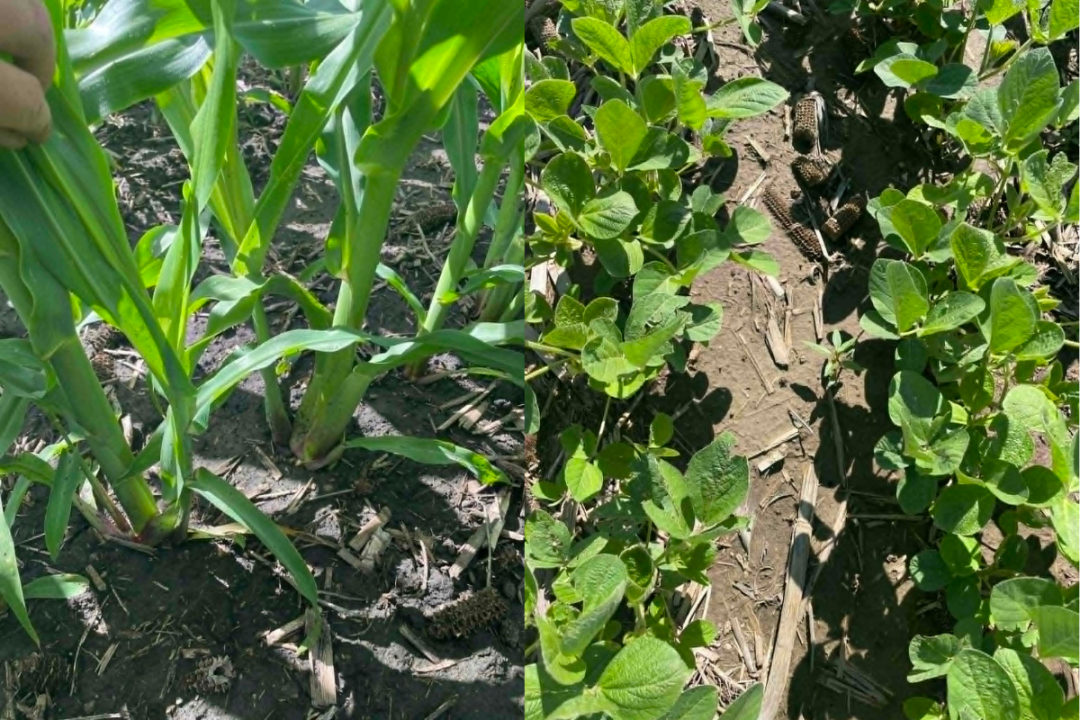
The following is a running field update based on what I’m seeing while scouting across my area—crop progress, field conditions, and anything that stands out week to week.
.png)
Indiana is paving over its future. Year over year, we lose nearly 29,000 acres of Hoosier farmland due to accelerating pressures from urban sprawl, large-scale industrial development, energy infrastructure, and technology facilities. Indiana’s fertile soils are one of the state’s most valuable and irreplaceable assets. Once they're gone, however, so are the farmers’ livelihoods, agricultural heritage, and long-term potential they represent. The time to act is now.
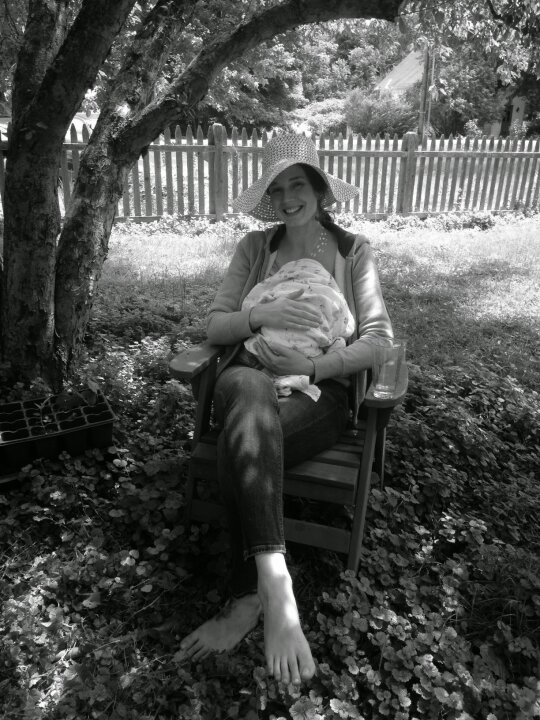
Meet Alissa White, Deputy Director of AFT New England, and discover how her passion for farming, soil health, conservation, and supporting farmers is helping build more resilient agricultural communities across New England.
New England had a mixed year for farmland this session — some real wins, some hard-fought compromises, and a few reminders of how much work is still ahead.
Learn how American Farmland Trust's latest research is helping shape more effective conservation planning, climate disaster relief, and soil health programs by centering farmers' experiences and expertise.
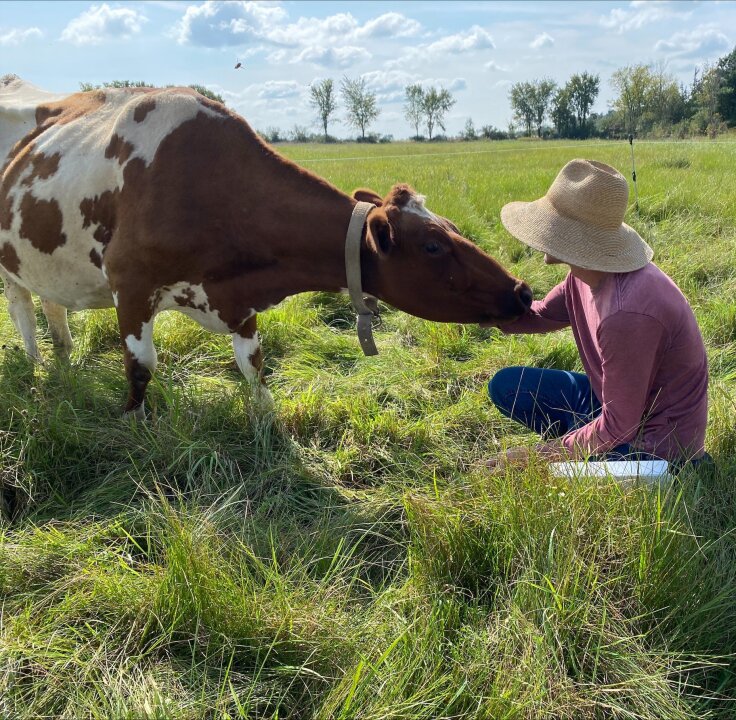
Discover how American Farmland Trust's Integrated Whole Farm Planning Pilot is helping New England livestock farmers strengthen farm viability through business planning, conservation support, succession planning, and peer networks that build long-term resilience.
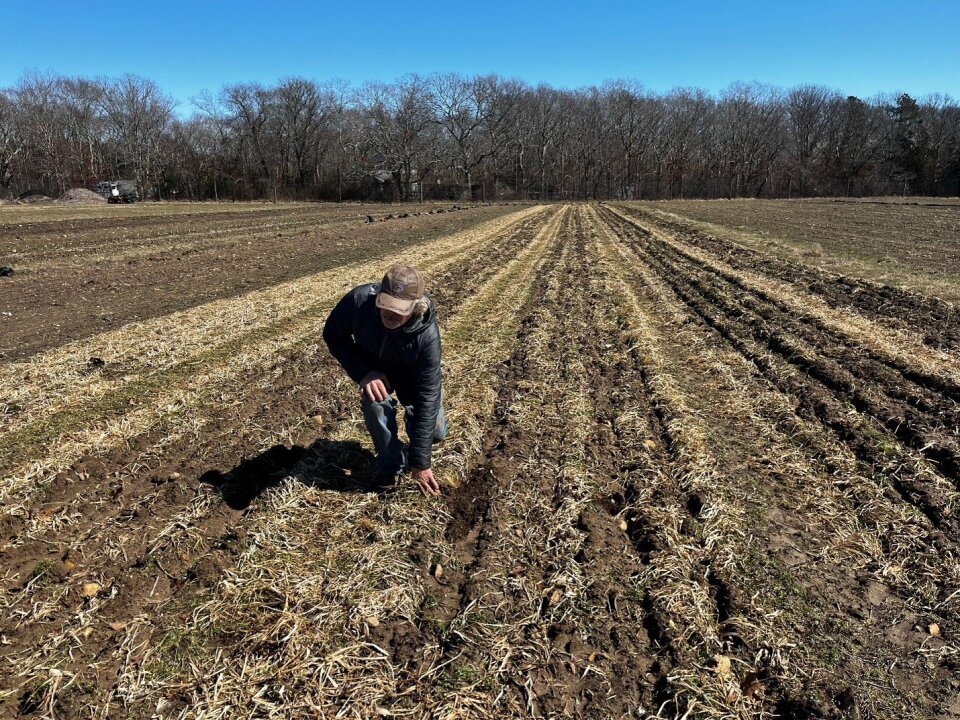
Discover how American Farmland Trust and Island Grown Initiative are advancing soil health through reduced tillage, biochar, and living clover trials.
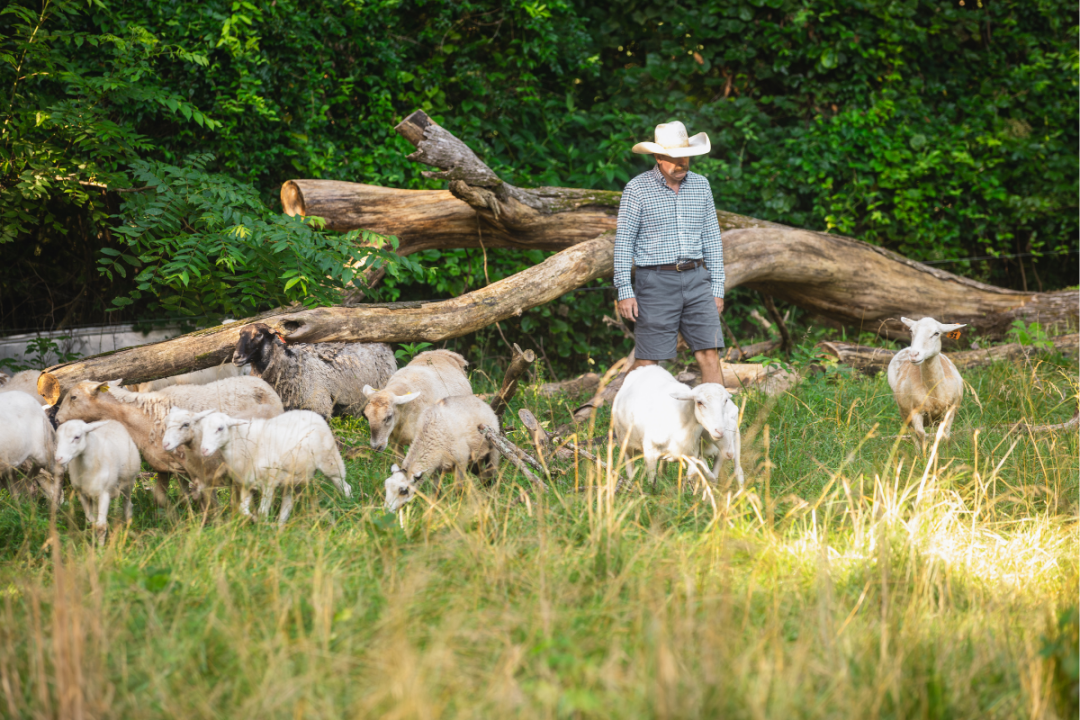
Learn more on how Brad Buttrey helps farmers implement conservation practices that enhance soil health, improve water quality, and support human and non-human communities in Tennessee.
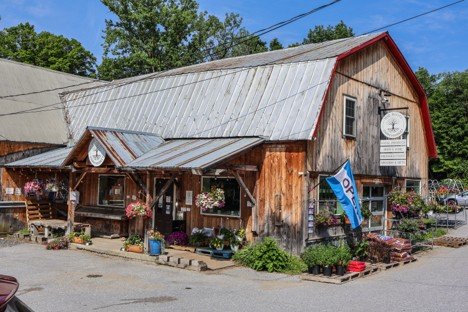
Bear Roots Farm in central Vermont is building climate resilience through diversified farming, perennial crops, soil health practices, and community support. Learn how this innovative farm is adapting to extreme weather while strengthening its business and local food system.
.jpg)
When conservation is captured in acres, not feet, how do we talk about the impact of urban farms within the agricultural ecosystem? I would argue one way is through ingenuity, creativity, and community impact. Most urban farms in the Midwest were not created solely focused on making a profit. The farmers have a strong desire to give back to their communities and the earth all while growing their small businesses. Last year, we profiled three urban farmers in and near Kansas City, Missouri who received micro-grants of $3,500 through a partnership between American Farmland Trust and a Kansas City-based urban agriculture non-profit, Cultivate Kansas City.
.jpeg)
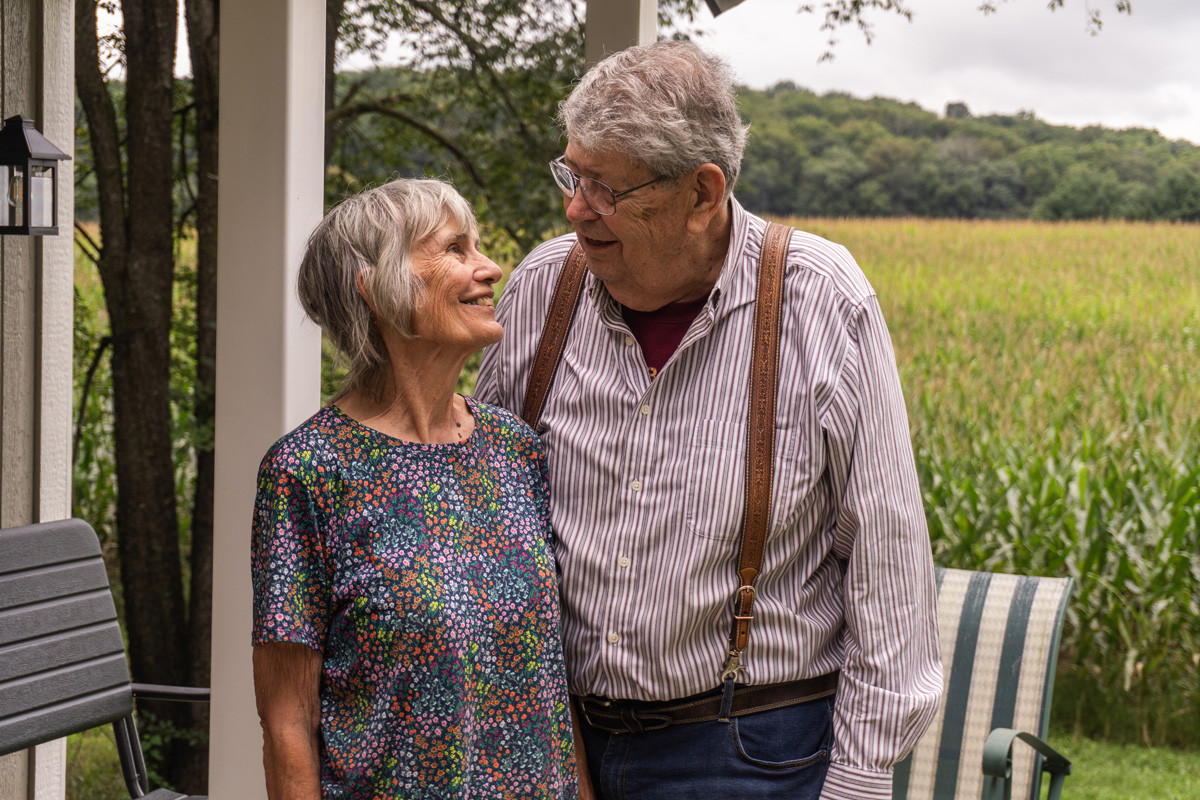
Virginia's new agrivoltaics definition marks an important milestone in the conversation about solar development and farmland. Drawing on farmer perspectives and AFT's Smart Solar℠ approach, this article explores what the legislation means for agriculture, energy, and rural communities.
Floreal Crubaugh
Olivia Fuller
Maya Rappaport
Maya Rappaport
Teresa O'Connor
.jpg)
Maya Rappaport
Annalise Sampson
Michael Shulman
Jenna Farineau
Elizabeth Beggins
Staci McGill, PhD