How Conversations Can Advance Regenerative Grazing in Texas
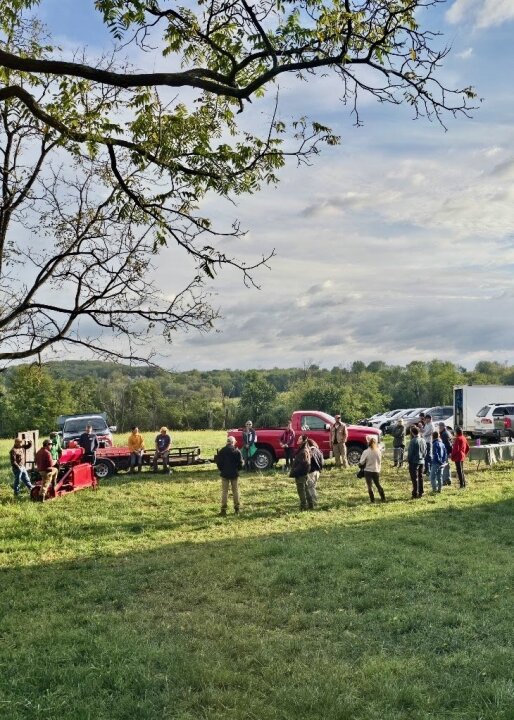
Explore how mentorship, neighbor-to-neighbor conversations and community gatherings are helping advance regenerative grazing practices across Texas.
Applications are open for the 2027 Advanced Soil Health Training program, connecting Mid-Atlantic farmers with hands-on soil health training and farmer-led mentorship.
Through a USDA NRCS-funded project, American Farmland Trust and Virginia producers are exploring how grazing cover crops can improve soil health, provide valuable forage, and create new opportunities for both crop and livestock operations.
Meet Nia Rivers who joined American Farmland Trust (AFT) in April 2026 as Southeast Engagement and Support Specialist, supporting outreach, partnership development, and technical assistance efforts across Kentucky and the Southeast.
Learn how farm succession planning can help farmers protect their land, navigate family transitions, and keep farmland in agriculture for generations to come.
American Farmland Trust releases a five-week soil health and regenerative agriculture curriculum designed to help grades 7–12 students explore healthy soils, farming practices, and agricultural resilience.
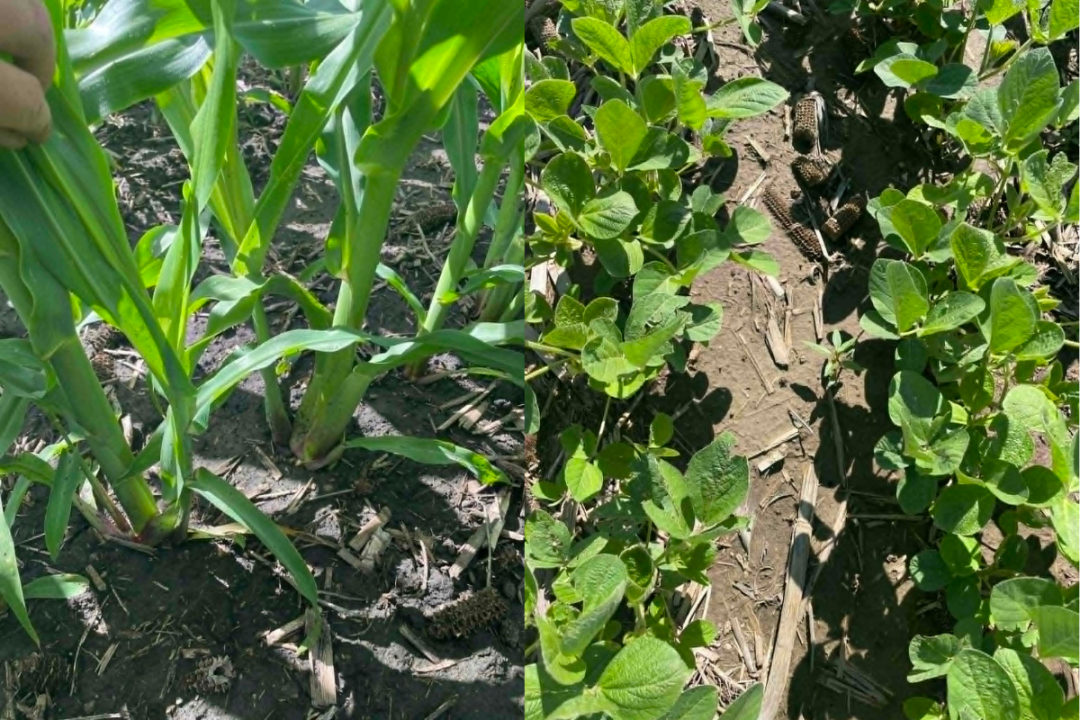
There is a lot we can learn from a field by taking a closer look at the soil. For farmers and others who depend on the soil to produce, it’s standard to look outward for the best advice or most popular solutions to ensure the soil will behave accordingly. This search for the “best” or chasing new trends is inefficient and can lead to highly varied results. Before changing an agricultural management practice, like tillage or cover crops, or deciding what support might help, it is worth slowing down and asking what the soil is showing us.
The following is a running field update based on what I’m seeing while scouting across my area—crop progress, field conditions, and anything that stands out week to week.
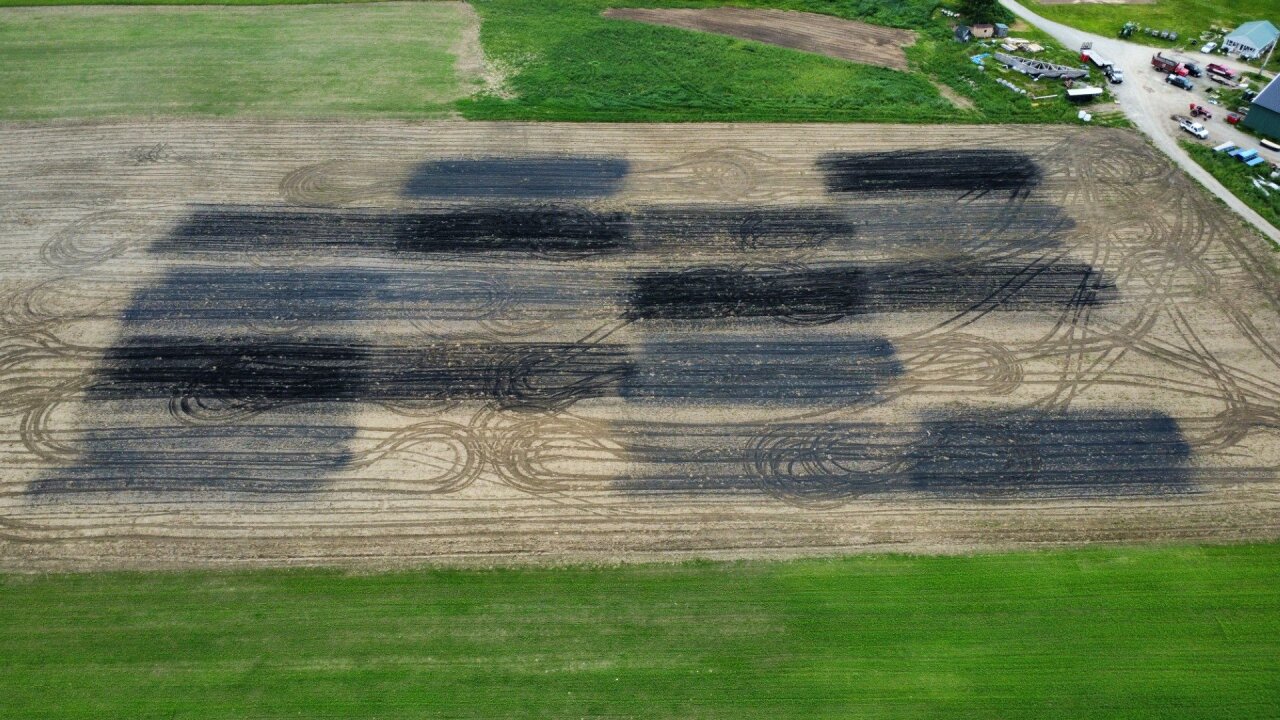
Indiana is paving over its future. Year over year, we lose nearly 29,000 acres of Hoosier farmland due to accelerating pressures from urban sprawl, large-scale industrial development, energy infrastructure, and technology facilities. Indiana’s fertile soils are one of the state’s most valuable and irreplaceable assets. Once they're gone, however, so are the farmers’ livelihoods, agricultural heritage, and long-term potential they represent. The time to act is now.
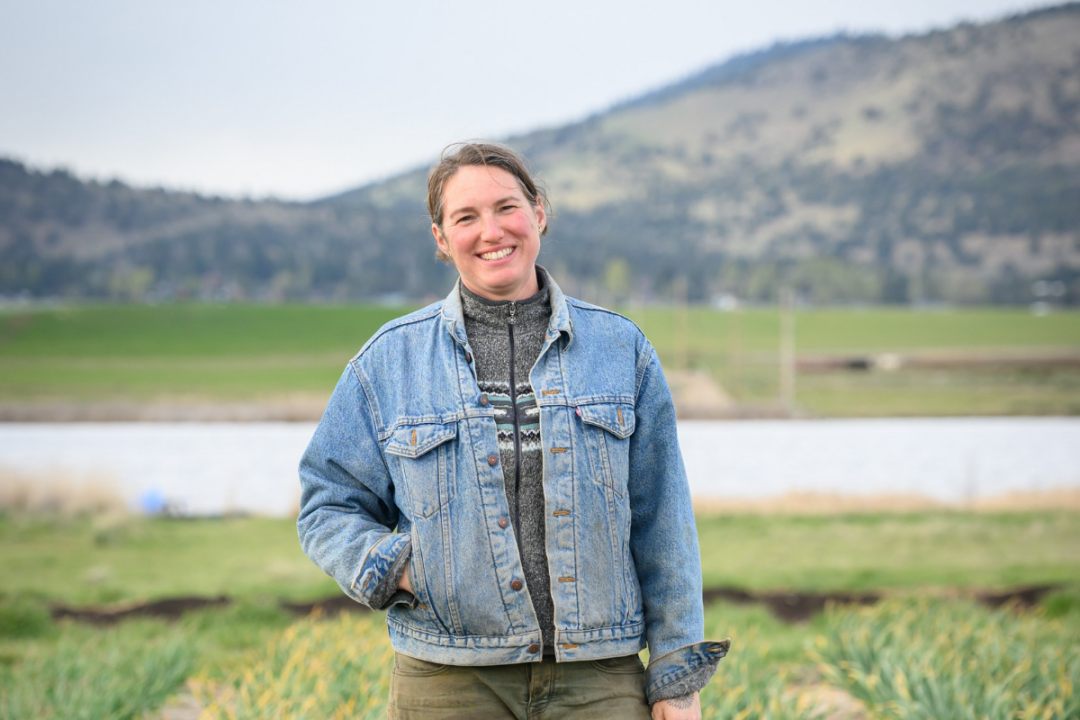
Meet Alissa White, Deputy Director of AFT New England, and discover how her passion for farming, soil health, conservation, and supporting farmers is helping build more resilient agricultural communities across New England.
New England had a mixed year for farmland this session — some real wins, some hard-fought compromises, and a few reminders of how much work is still ahead.
Learn how American Farmland Trust's latest research is helping shape more effective conservation planning, climate disaster relief, and soil health programs by centering farmers' experiences and expertise.