
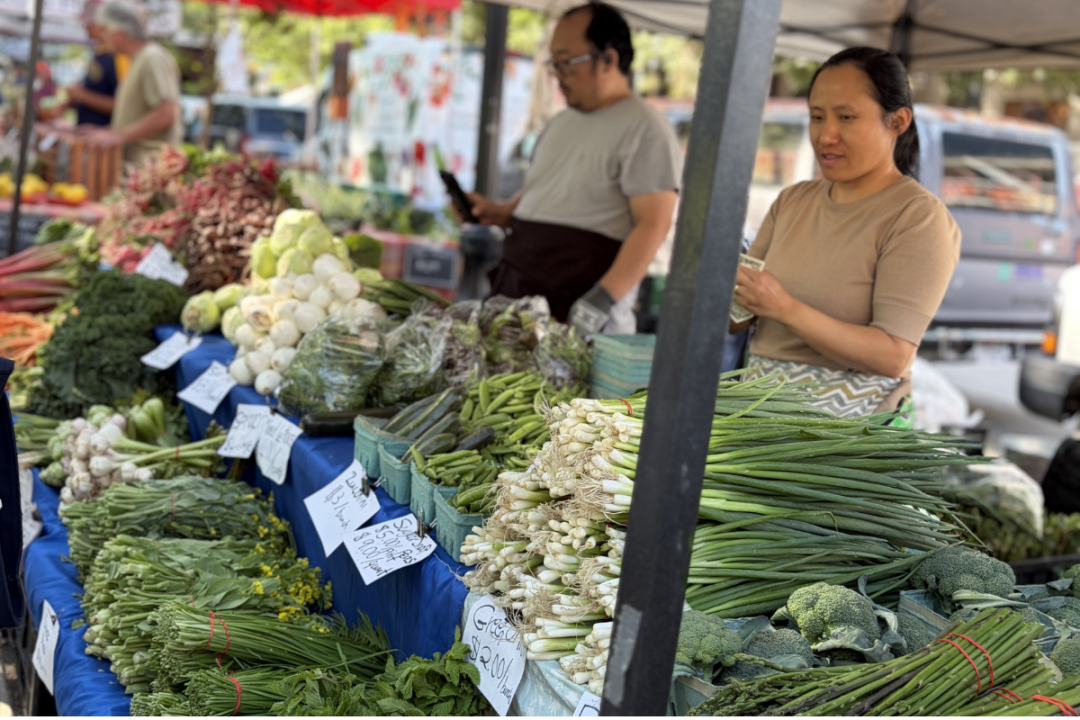
The 18th annual AFMC runs Aug. 1 - Sept. 30 on markets.farmland.org. The event is a fun celebration that helps farmers markets across the country earn national recognition and local prestige. Markets can join the celebration and encourage their customers to vote, an excellent marketing tool and a pathway to winning a piece of the $15,000 prize pool.
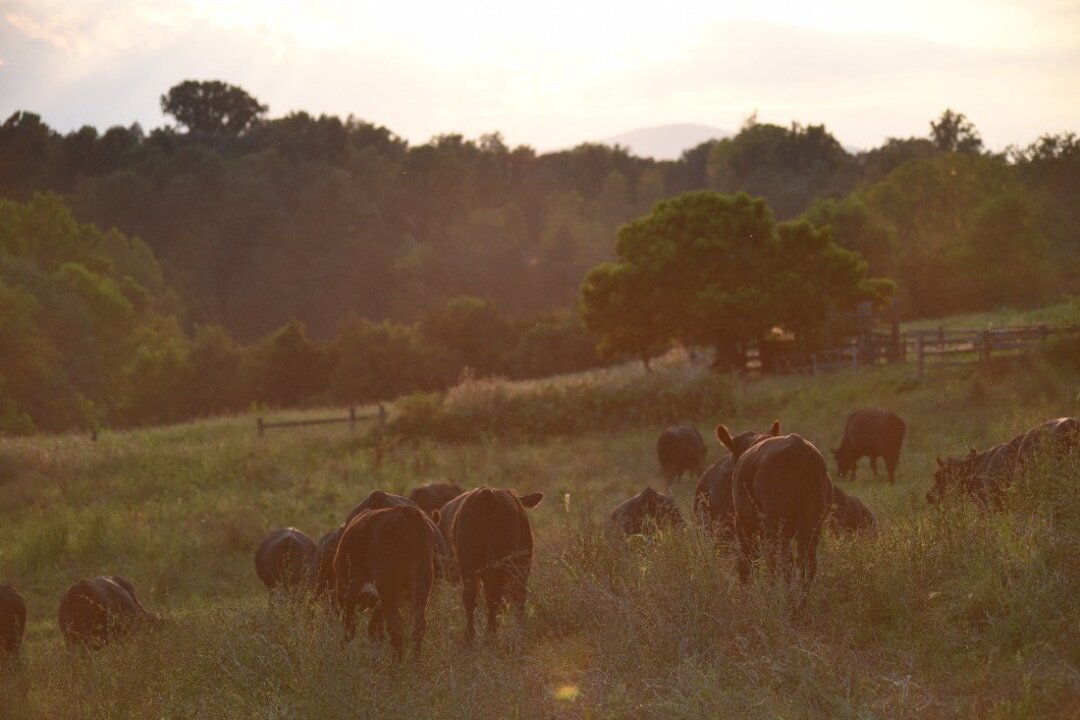
AFT’s Beef Grazing Network is launching a redesigned Beef Producer Economic Resilience Initiative, now part of USDA’s Advancing Markets for Producers program.

The Farm Bill discussion draft text released this week by Chairman Boozman would make critical improvements to USDA conservation programs to better serve farmers, ranchers, and landowners.
AFT Applauds Introduction of the Bipartisan American Food Supply Chain Resiliency Act
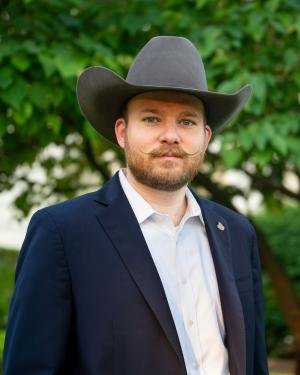
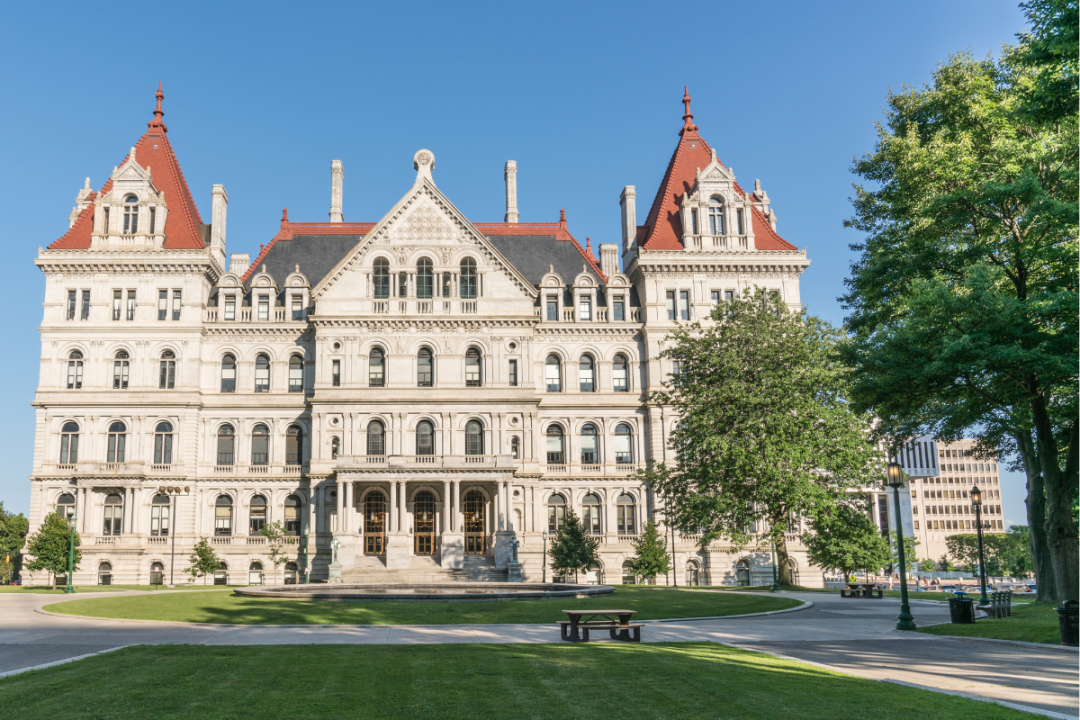
American Farmland Trust (AFT) applauds Governor Kathy Hochul and the New York State Legislature for enacting a final FY 2026–27 state budget that delivers meaningful, sustained investments in farmland protection, farm viability, climate resilience, and local food systems across New York.

American Farmland Trust has named Julia Valliant as Director of the national Farms for a New Generation team, where she will lead efforts to increase access to land and capital for the rising generation of farmers and ranchers and support elder farmers and landowners in transferring their farms with dignity and confidence.

New England had a mixed year for farmland this session — some real wins, some hard-fought compromises, and a few reminders of how much work is still ahead.
AFT Applauds Introduction of the Bipartisan American Food Supply Chain Resiliency Act
Highlighting a recent policy update that offers a perspective on our work to advance farmland protection and support agricultural viability across Washington State in 2026.
.png)
Some places don’t just hold memories—they carry a legacy. For more than four decades, Gretchen and Dick Regnery have poured their hearts and souls into Whitefish Bay Farm—a sanctuary of serene pastures, naturally colored Corriedale sheep, and the fiber art that has defined their lives. Nestled in the stunning landscape of Door County, Wisconsin, their farm has been more than just a home; it has been a labor of love, a commitment to land stewardship, and a place where people from all walks of life have come to experience the beauty of farming and art.
Sydney Green
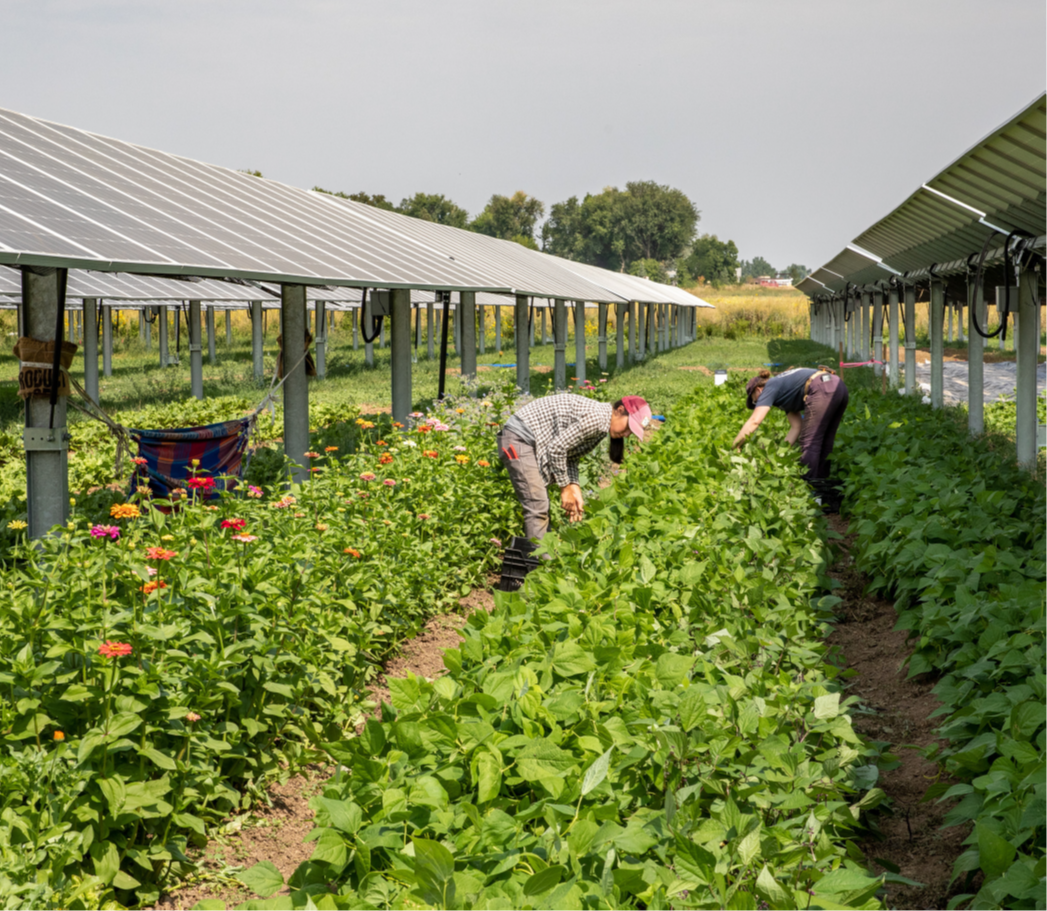
As Texas faces rising energy demand and farmland loss, new legislation presents a pivotal opportunity to expand clean energy while protecting agricultural resources. By supporting rooftop solar, agrivoltaics, and smart utility-scale siting, Texas can lead in balancing renewable energy growth with farmland preservation.
Garrett Bader
Stephanie Castle
.jpg)
The sturdy steel toe boots that protect your feet. The reliable truck that gets you from your fields to your markets. The tools and structures that help you grow, process, and share food with your community. This is the overlooked infrastructure of farming.
Jenna Farineau
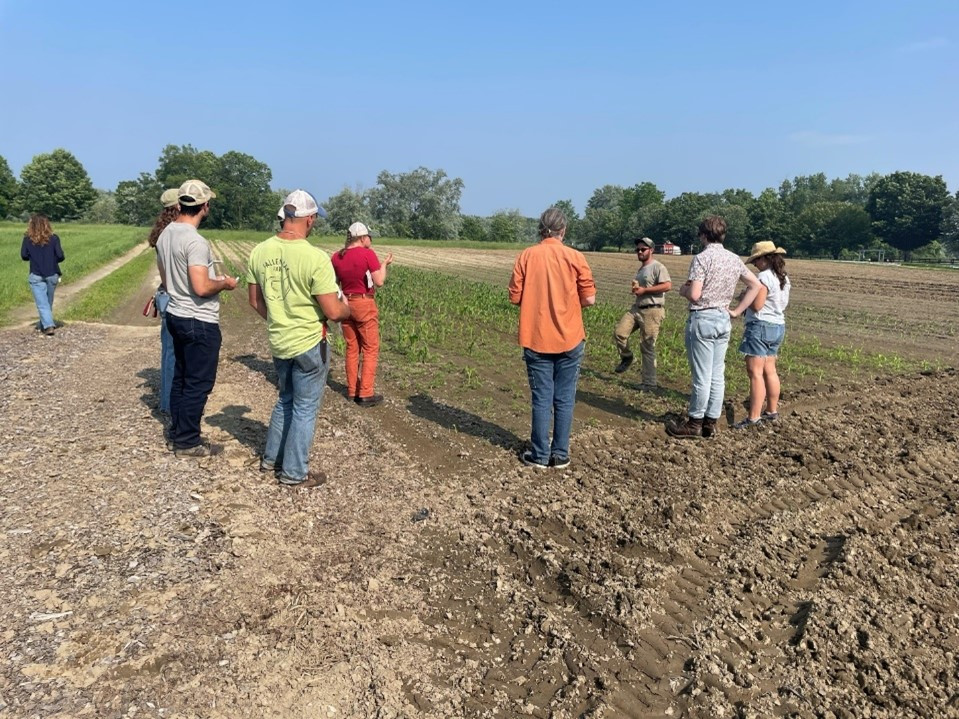
At Bardwell Farm, farmer Harrison Bardwell is blending innovation with tradition to tackle soil health and disease pressure—proving there’s no one-size-fits-all approach to resilient farming.
Erinn Roberts & Kevin Antoszewski

At Astarte Farm, leaf mulch is proving to be a powerful tool for building soil health—offering a plastic-free, low-cost solution for weed suppression and resilience.
Erinn Roberts & Kevin Antoszewski
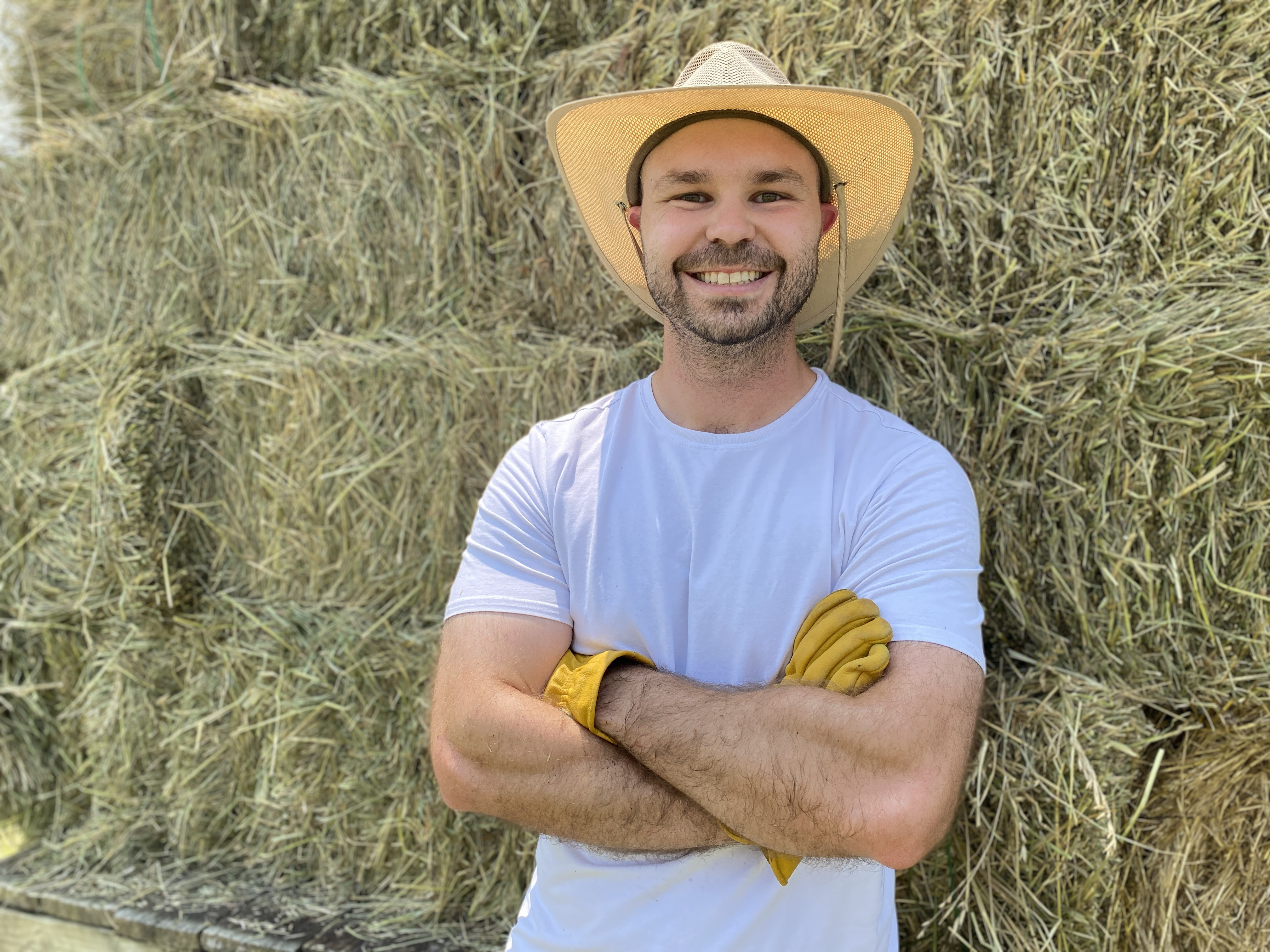
In this conversation, Brooks Lamb speaks about Tennessee’s new Farmland Preservation Fund, a $25 million, state-funded initiative designed to help farmers voluntarily protect their land from development through conservation easements.
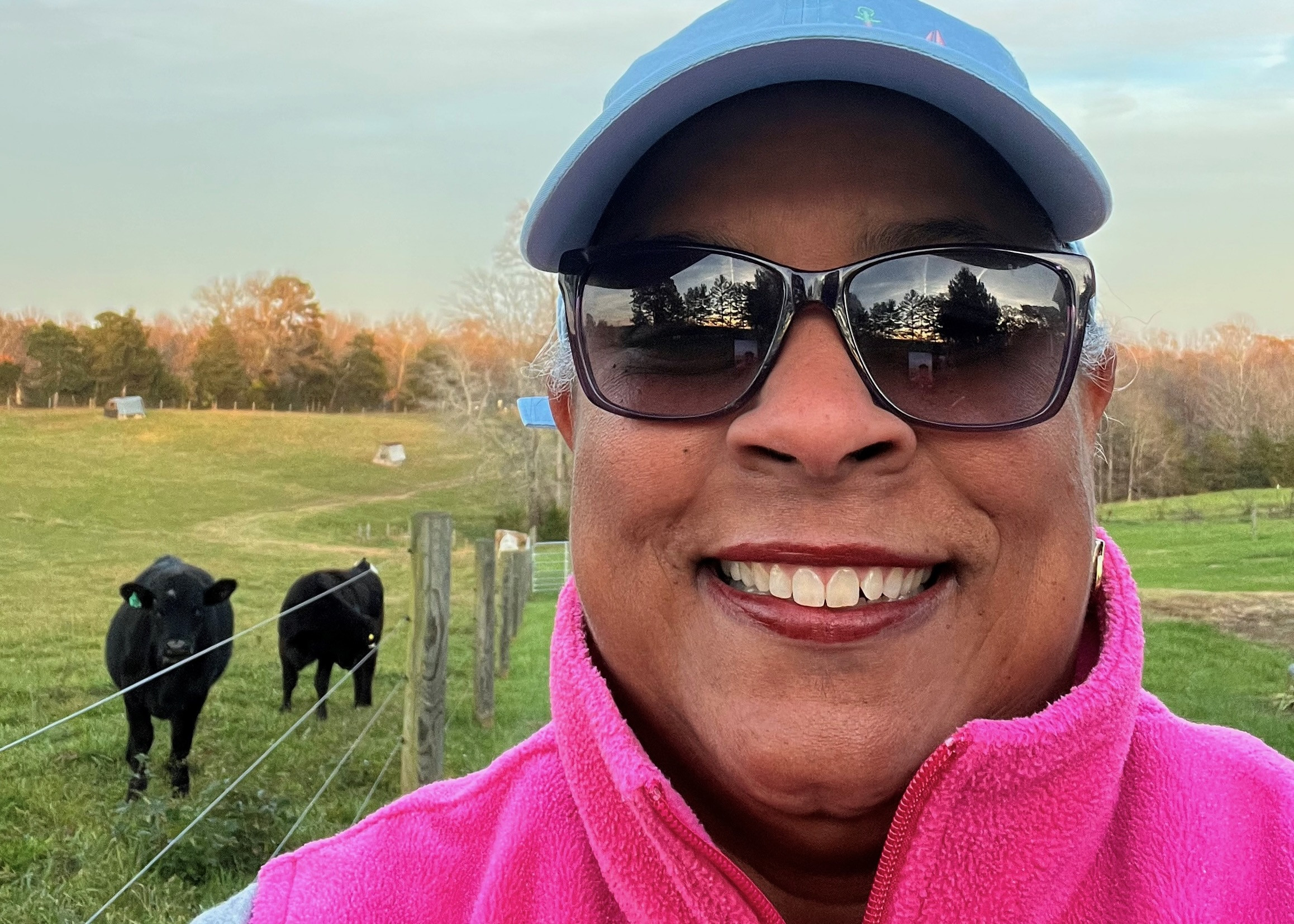
Sarah J. Morton is redefining what it means to lead a family farm in central Virginia by combining her deep agricultural expertise with a powerful vision for community, culture, and conservation.
Nicole Gwishiri
.jpg)
There’s nothing like a good read to slow down the season. And there’s nothing better than a trusted recommendation from someone who really knows the book.
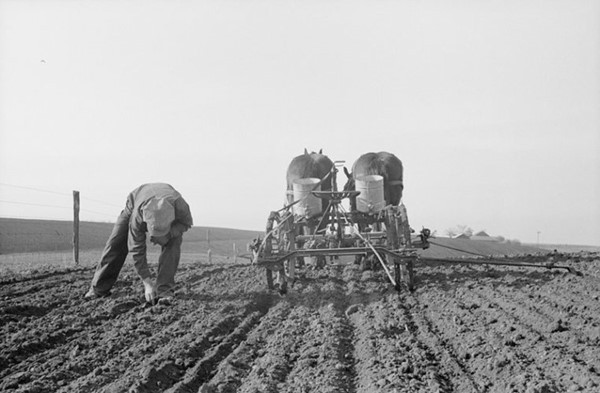
The AMP redesign and reconciliation bill present a critical opportunity to strengthen conservation programs that support farmers and ranchers in adopting practices proven to enhance soil health, improve water and air quality, and boost farm profitability. AFT’s analysis shows that continued investment in conservation initiatives like cover crops, reduced tillage, and nutrient management yields both environmental and economic benefits, making them essential to long-term agricultural sustainability.
Michelle Perez, PhD
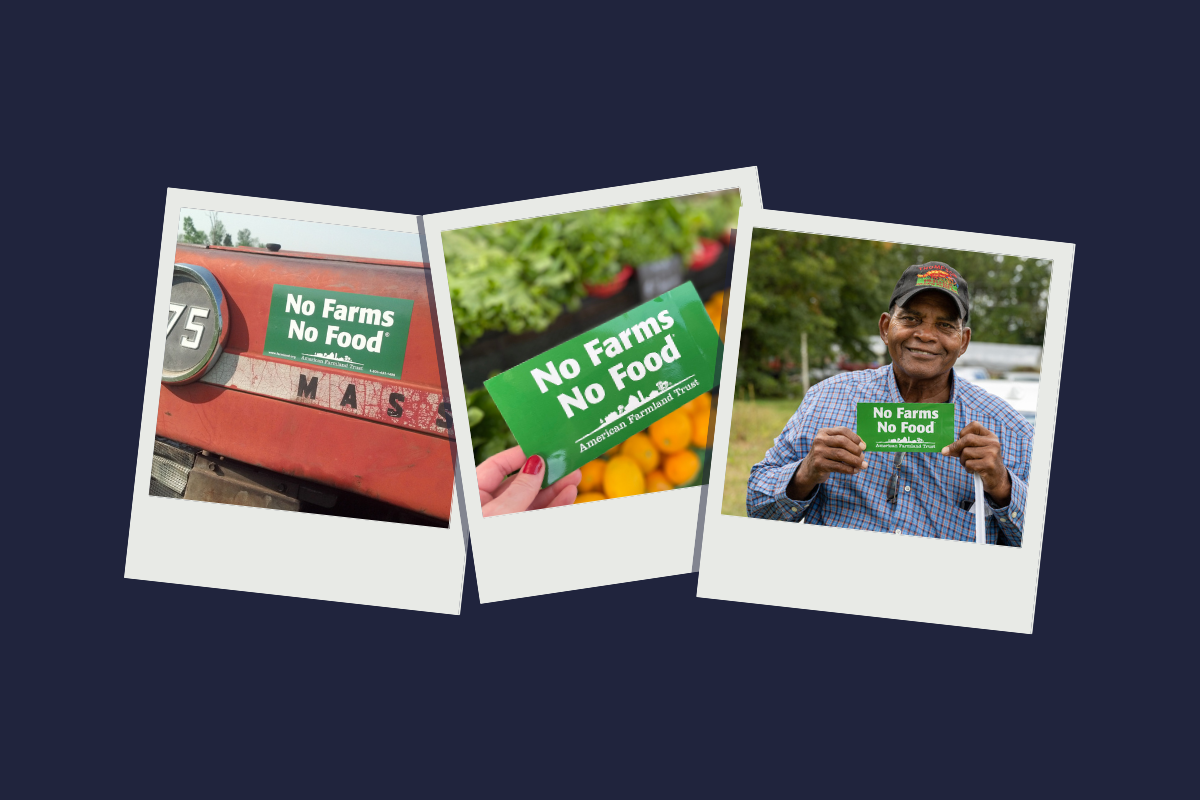
From June 15 - July 15, 2025, post a photo of your #NoFarmsNoFood bumper sticker on Instagram for a chance to win merch!
.png)
Can you name one of the Seven Wonders of the World? It’s a bit of a trick question, because it turns out there are multiple different lists. It makes sense … why limit the wonders to just seven?
Jean Brokish
.jpg)
There is a lot we can learn from a field by taking a closer look at the soil. For farmers and others who depend on the soil to produce, it’s standard to look outward for the best advice or most popular solutions to ensure the soil will behave accordingly. This search for the “best” or chasing new trends is inefficient and can lead to highly varied results. Before changing an agricultural management practice, like tillage or cover crops, or deciding what support might help, it is worth slowing down and asking what the soil is showing us.
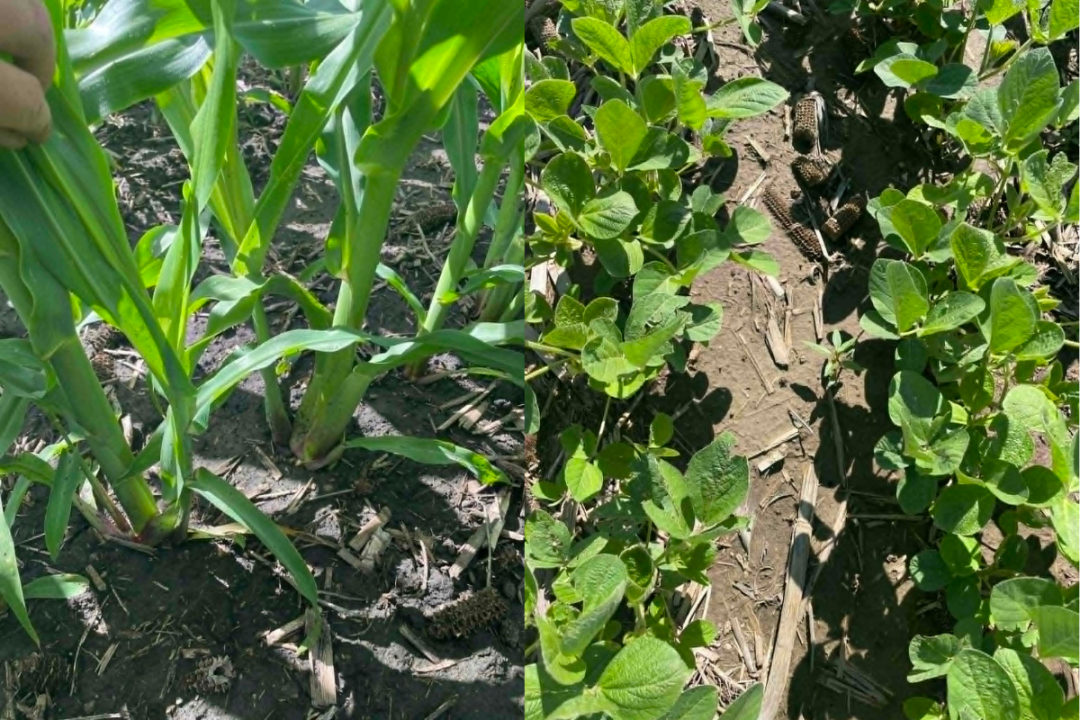
The following is a running field update based on what I’m seeing while scouting across my area—crop progress, field conditions, and anything that stands out week to week.
.png)
Indiana is paving over its future. Year over year, we lose nearly 29,000 acres of Hoosier farmland due to accelerating pressures from urban sprawl, large-scale industrial development, energy infrastructure, and technology facilities. Indiana’s fertile soils are one of the state’s most valuable and irreplaceable assets. Once they're gone, however, so are the farmers’ livelihoods, agricultural heritage, and long-term potential they represent. The time to act is now.
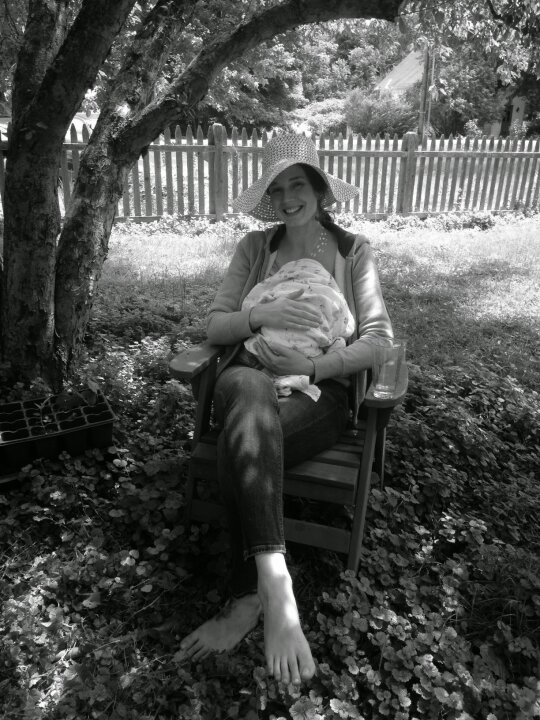
Meet Alissa White, Deputy Director of AFT New England, and discover how her passion for farming, soil health, conservation, and supporting farmers is helping build more resilient agricultural communities across New England.
The 18th annual AFMC runs Aug. 1 - Sept. 30 on markets.farmland.org. The event is a fun celebration that helps farmers markets across the country earn national recognition and local prestige. Markets can join the celebration and encourage their customers to vote, an excellent marketing tool and a pathway to winning a piece of the $15,000 prize pool.
New England had a mixed year for farmland this session — some real wins, some hard-fought compromises, and a few reminders of how much work is still ahead.
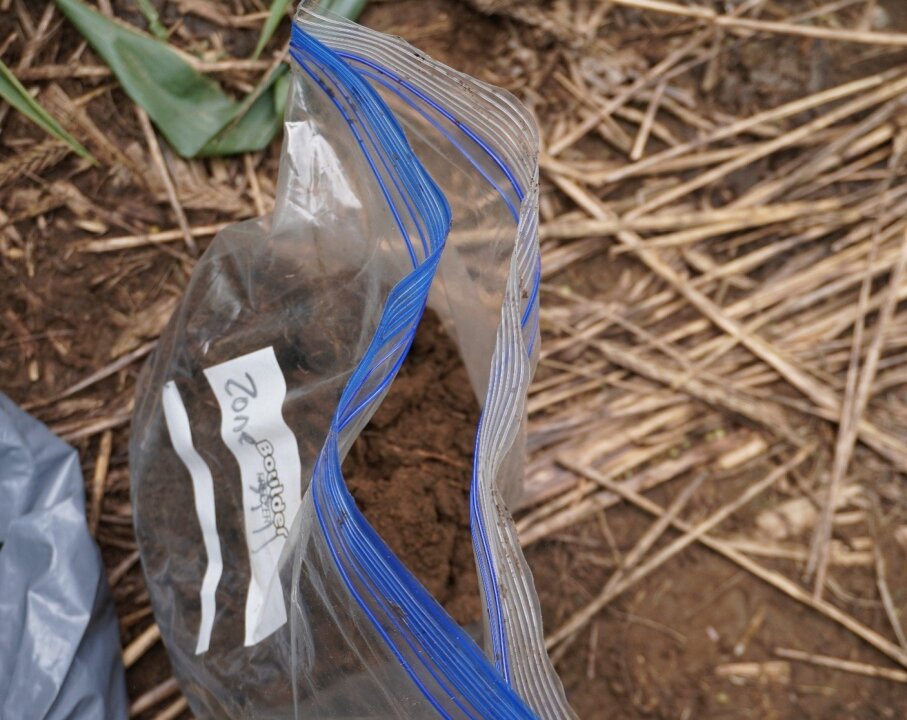
Learn how American Farmland Trust's latest research is helping shape more effective conservation planning, climate disaster relief, and soil health programs by centering farmers' experiences and expertise.
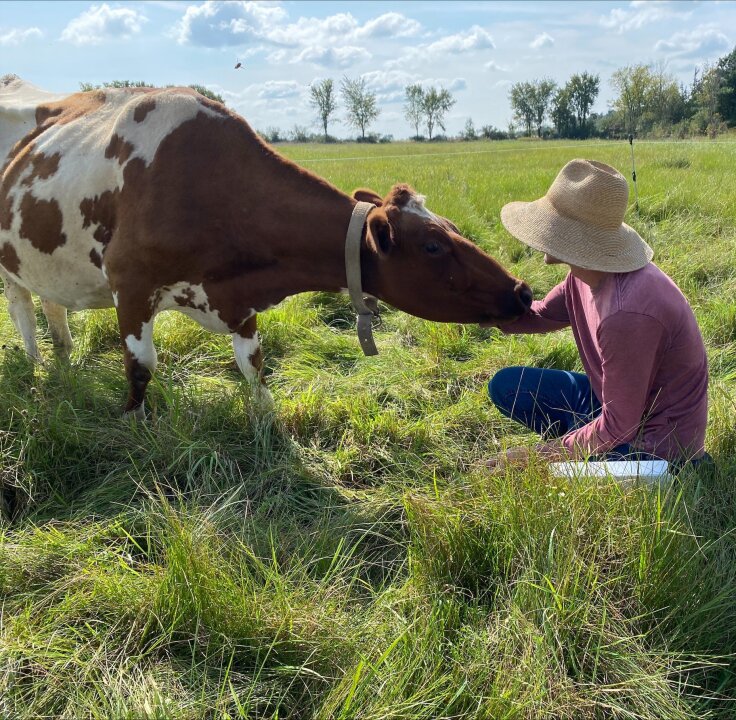
Discover how American Farmland Trust's Integrated Whole Farm Planning Pilot is helping New England livestock farmers strengthen farm viability through business planning, conservation support, succession planning, and peer networks that build long-term resilience.
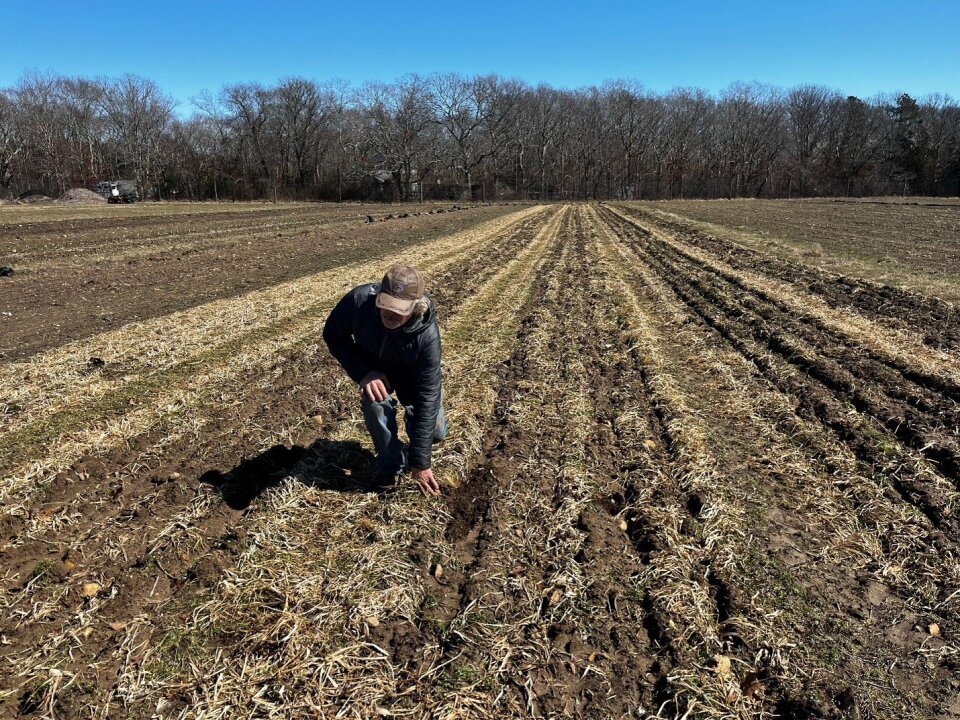
Discover how American Farmland Trust and Island Grown Initiative are advancing soil health through reduced tillage, biochar, and living clover trials.
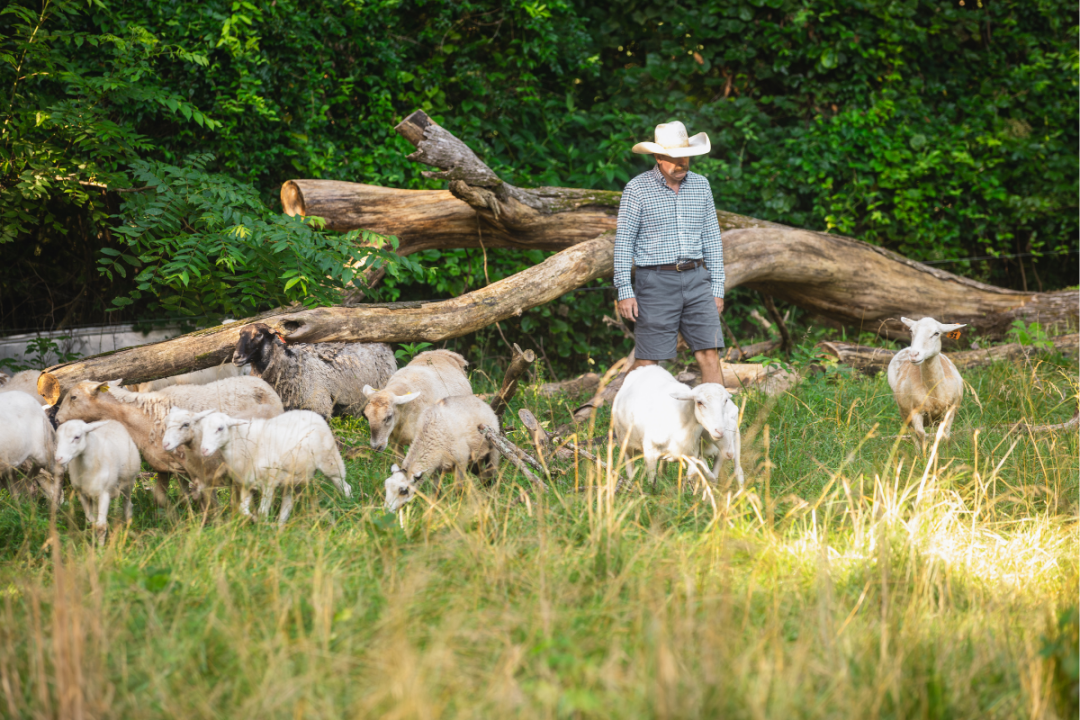
Learn more on how Brad Buttrey helps farmers implement conservation practices that enhance soil health, improve water quality, and support human and non-human communities in Tennessee.
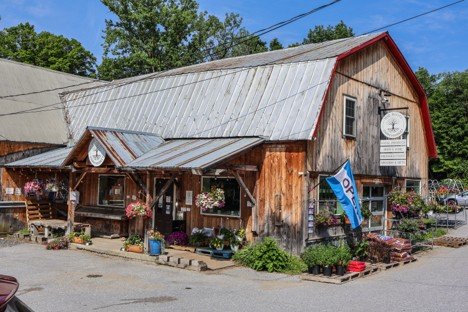
Bear Roots Farm in central Vermont is building climate resilience through diversified farming, perennial crops, soil health practices, and community support. Learn how this innovative farm is adapting to extreme weather while strengthening its business and local food system.
.jpg)