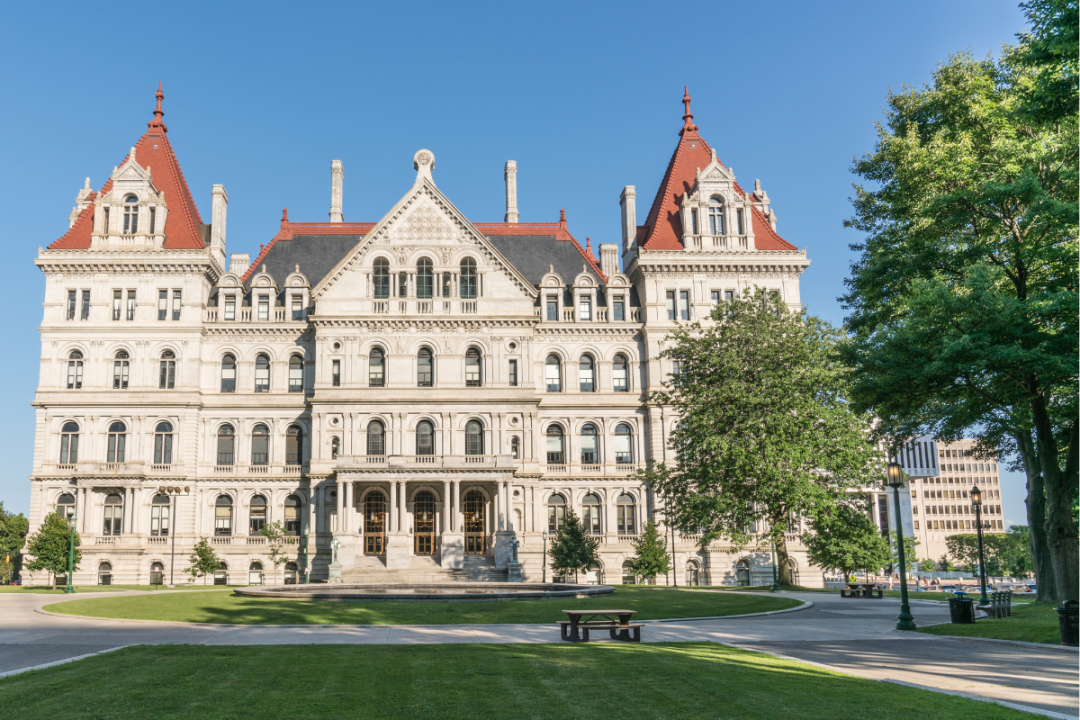

American Farmland Trust (AFT) applauds Governor Kathy Hochul and the New York State Legislature for enacting a final FY 2026–27 state budget that delivers meaningful, sustained investments in farmland protection, farm viability, climate resilience, and local food systems across New York.
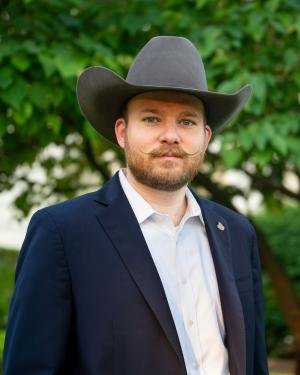
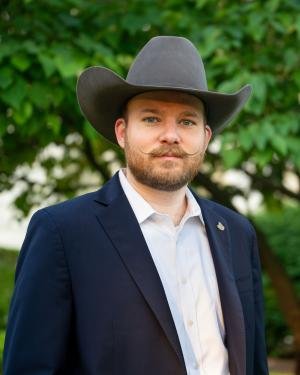
American Farmland Trust has named Julia Valliant as Director of the national Farms for a New Generation team, where she will lead efforts to increase access to land and capital for the rising generation of farmers and ranchers and support elder farmers and landowners in transferring their farms with dignity and confidence.
No policy posts found.
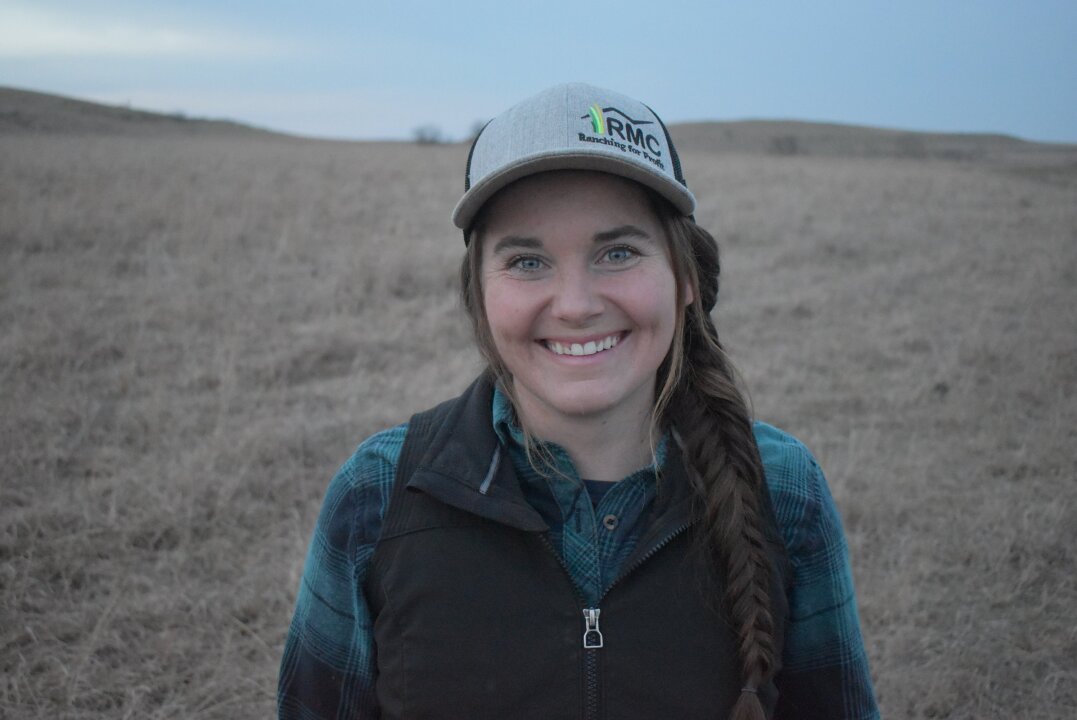
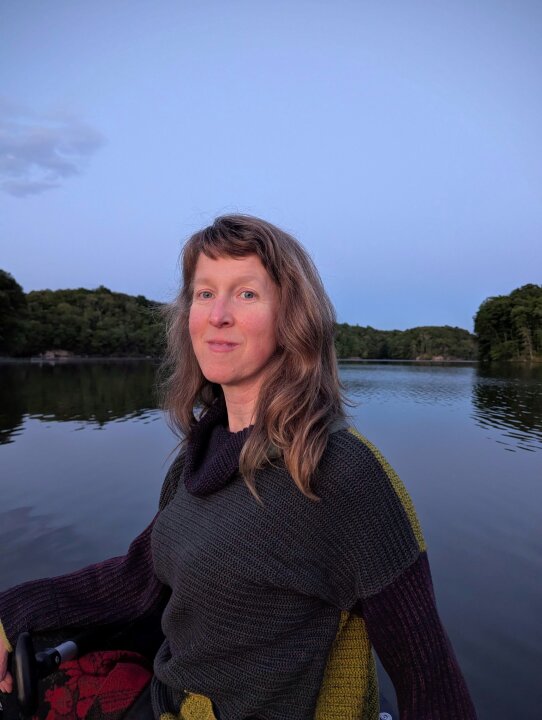
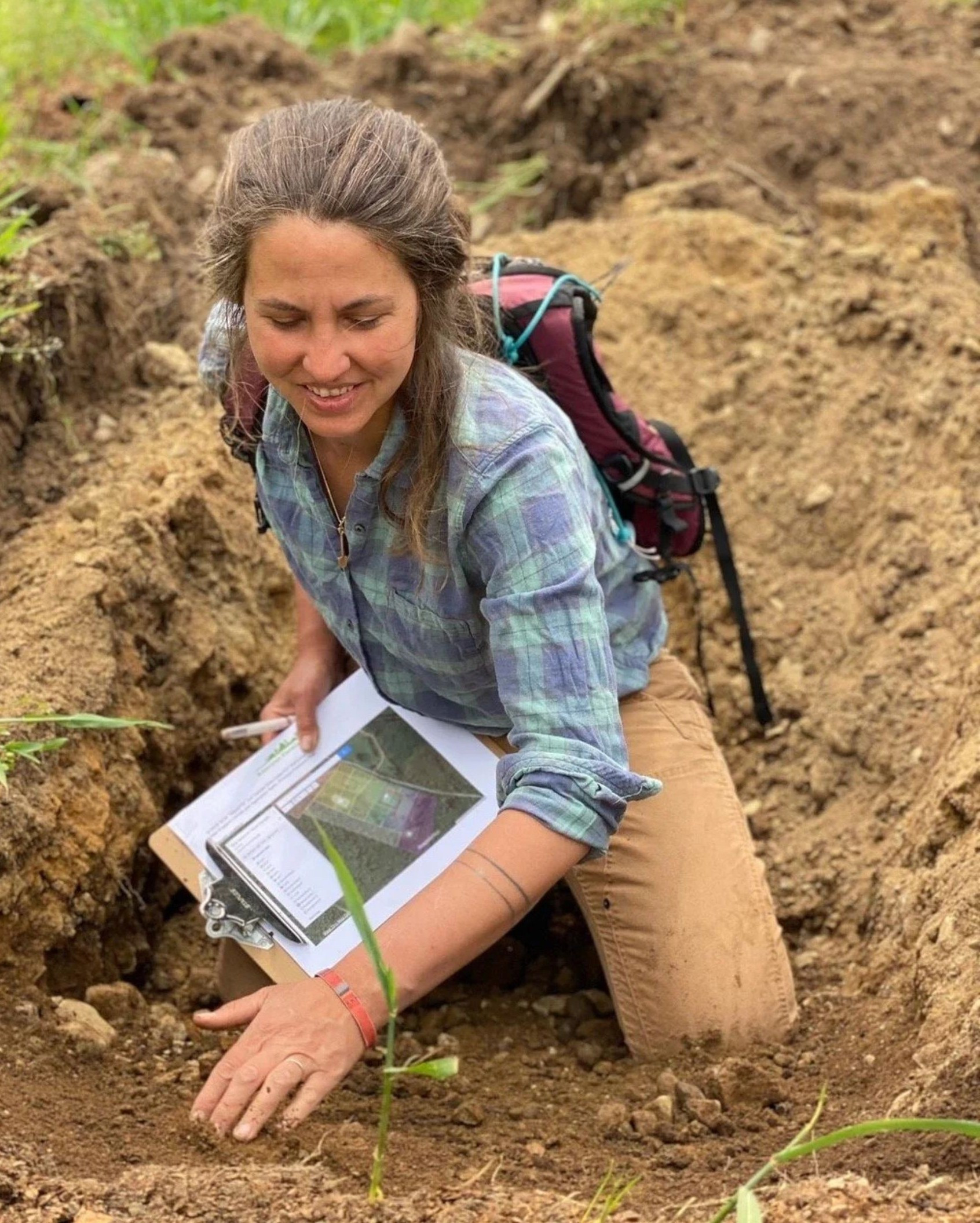
Caro is AFT New England’s Soil Health Program Manager, where she organizes farmer networks, provides technical support, and conducts research on agricultural practices and soil health. From perennial gardens to peer learning spaces, her work is rooted in connection — to land, farmers, and community. Read on to learn what she’s planting this spring and the farm lessons that continue to shape her work.
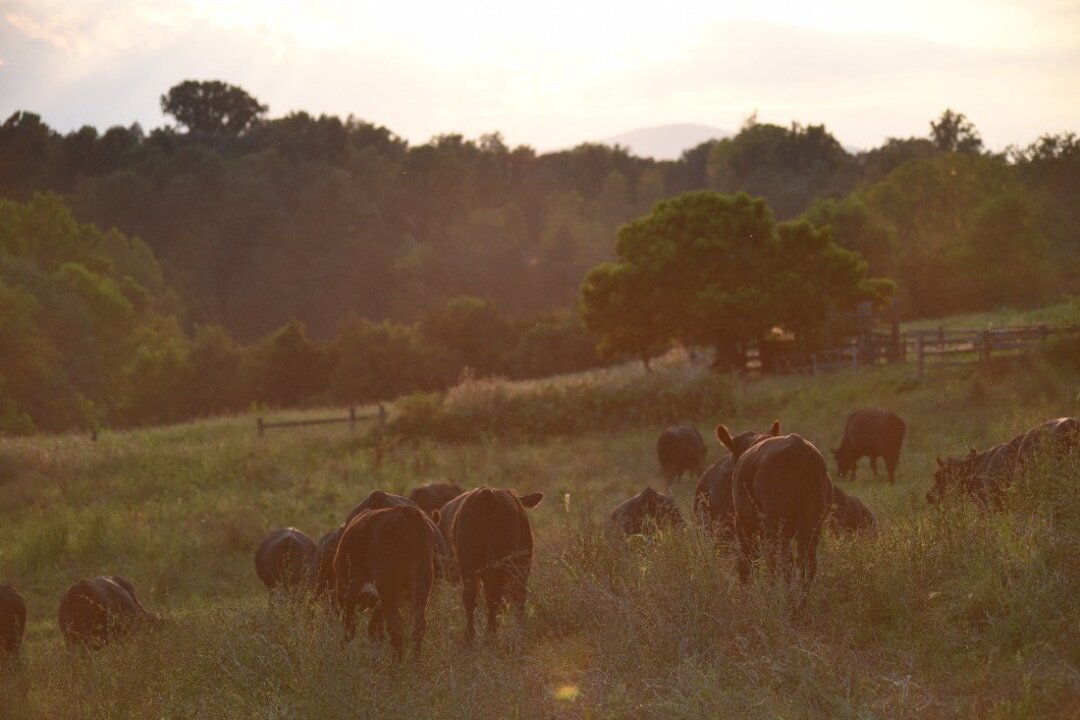
Sunday Bell Farm is responding to extreme weather by improving soil health, water planning, and pasture management. With guidance from AFT’s PARCC program, the Vermont dairy and livestock farm is developing strategies to stay productive in a changing climate.
Read on how American Farmland Trust, alongside a growing group of partners, is leading the effort to develop federal policies to address PFAS risk and contamination in agricultural land across the nation.
American Farmland Trust and regional partners hosted our second Learning Circle for women farmers and ranchers on Nov. 23, 2025, at the Rusted Gate Farm in Central Point, Oregon. Women for the Land Learning Circles support women in agriculture to gather in community, share farm experiences, and learn together.
The Governor’s Summit on Agricultural Viability in Idaho brought together landowners and leaders of Idaho agribusiness, academia, conservation, development, community organizations, and government to examine the challenges facing Idaho’s working lands and to identify practical solutions for the future.
Upcoming webinars and training aimed to support farmers in exploring agrivoltaics in the Northeast.
Solar grazing is reshaping how energy and agriculture share the land — with benefits for farmers, soils, and solar developers alike.
Lia Raz
American Farmland Trust (AFT) has launched a new video spotlighting women and nonbinary farmers across Massachusetts who are leading the way in regenerative agriculture and soil health.
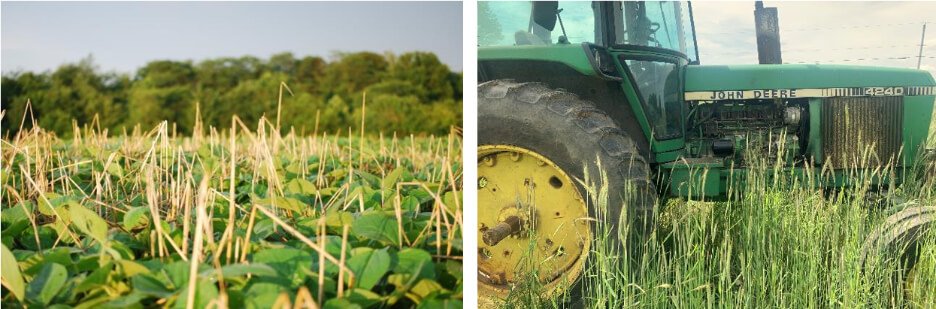
American Farmland Trust (AFT) and Cargill partnered to create educational videos for corn and soybean farmers interested in adopting soil health practices, including cover crops, reduced tillage, and nutrient management. Both AFT and Cargill recognize that a major barrier to the adoption of soil health is knowledge of technical details, like cover crop species selection or termination options, and understanding the potential costs and benefits for their operation.
Kinzie Reiss
Since starting with American Farmland Trust in June, I have worked with farmers across the state of Illinois through our Farmer-Led Advances in Soil Health (FLASH) program. Attending the FLASH group meetings, I’ve met many passionate conservationists dedicated to protecting farmland for future generations, a sentiment very personal and important to me. I grew up in Ramsey, a small town in south-central Illinois. My family has been farming in the area since around the 1850s; my great-grandmother grew up on the same farm as I did. My dad still farms the land, maintaining an operation of corn, soybeans, and beef cattle.
Morgan Cauble
Over five years, seven Vermont dairy farmers built a tight-knit farmer-led learning cohort that became a practical space to compare approaches, troubleshoot challenges, and try new grazing and business-planning ideas.
Lia Raz
During the first year of the 2025–2026 California State Legislature, AFT led coalitions to advance California agriculture policy that strengthens climate resilience, expands land access, protects farmland, and secures major investments through Cap-and-Invest, the SALC program, and Proposition 4 climate-smart agriculture funding.
Chelsea Gazillo
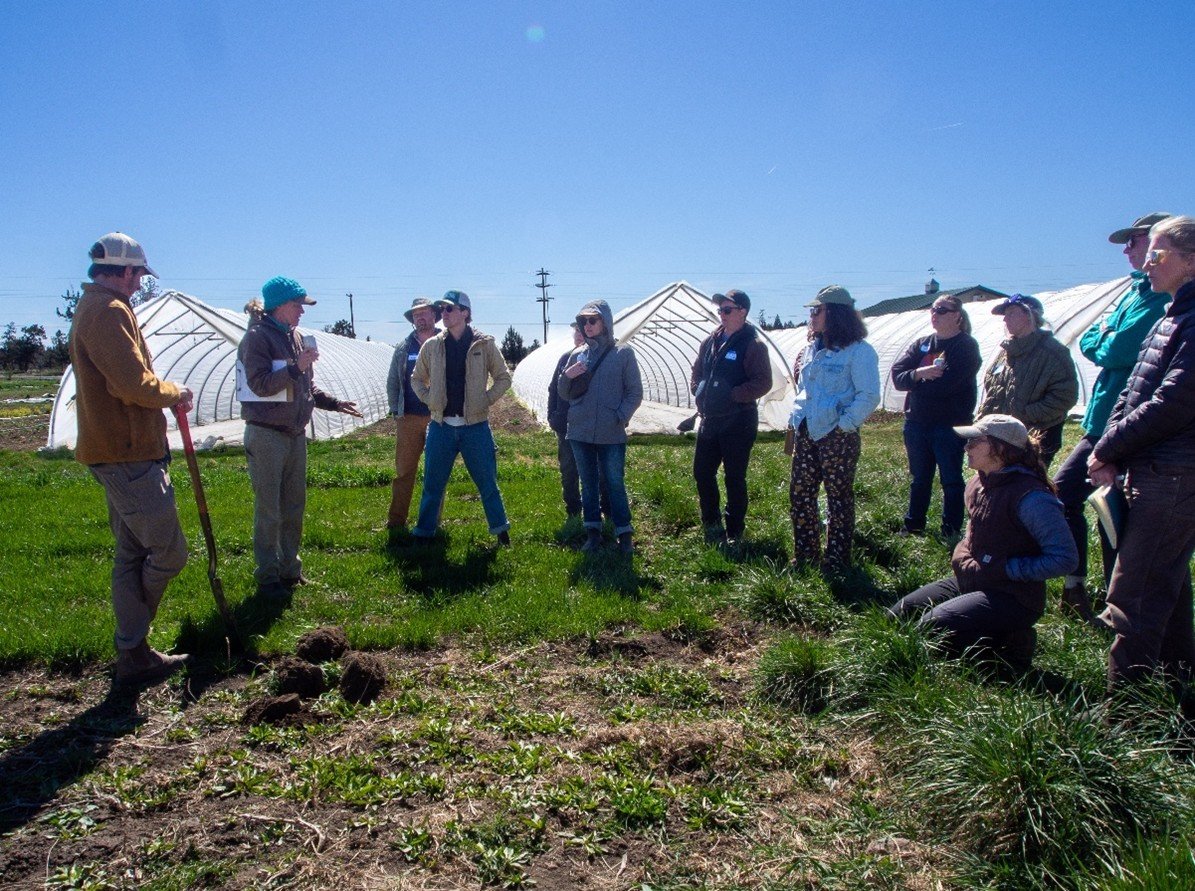
Farmers and farm workers gathered to discuss cover cropping strategies at Sungrounded Farm in the high desert of Terrebonne, Oregon, this past March.
Agricultural producers and advisors are working together to navigate generational farm transitions.
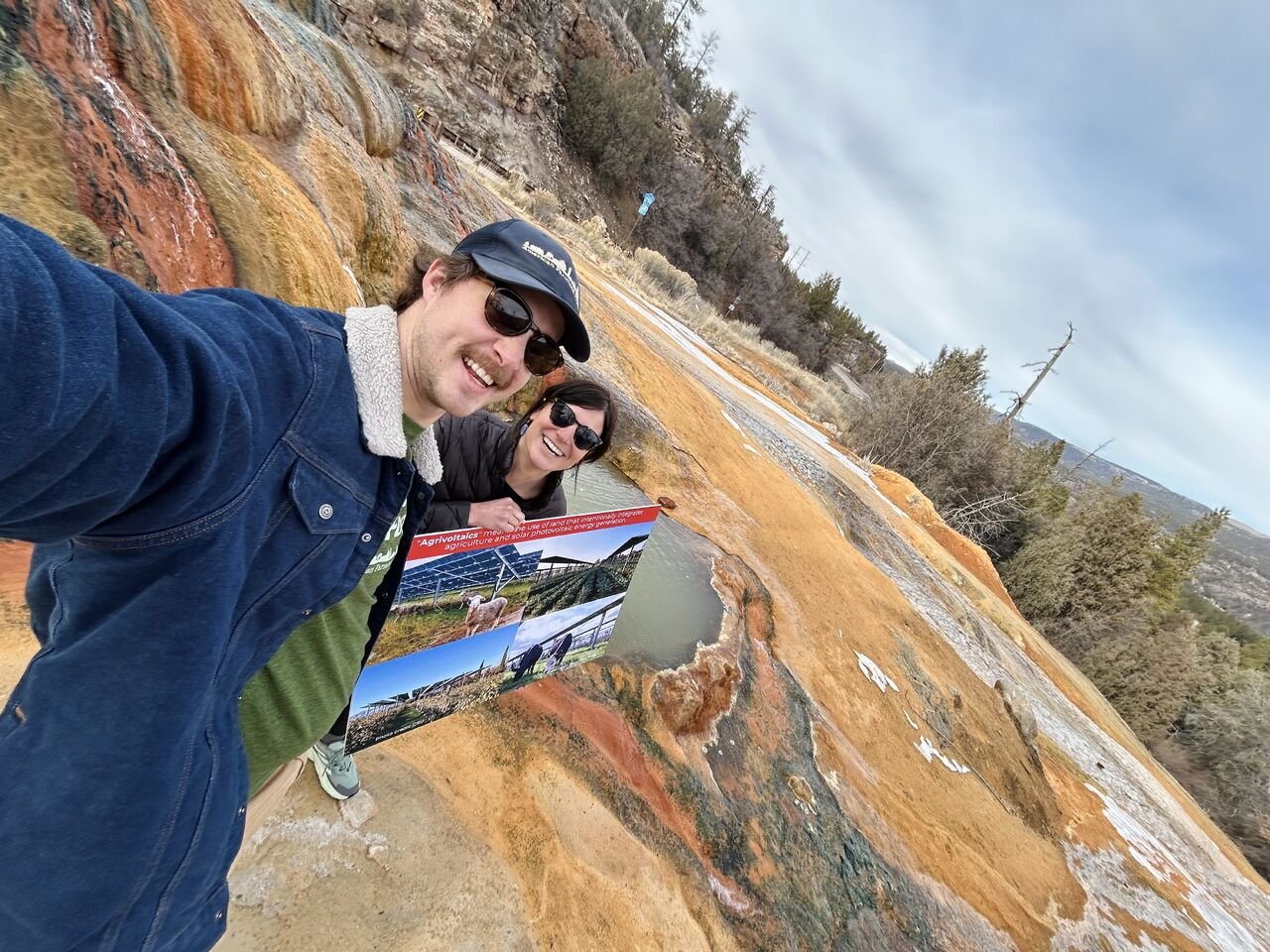
Colorado is testing whether food and energy can truly grow together — from vineyard agrivoltaics at CSU to the first commercial fruit-orchard project at Talbott Farms. Four takeaways from 1,000 miles of conversations with farmers, co-ops, and county officials on what it will take to scale.
I grew up in Illinois, and here you learn to notice what I like to refer to as “little” nature. Little nature doesn’t demand your attention in the same way as more dramatic and grand landscapes; you have to give it your attention. You see little nature in the evolution of prairie flowers across the seasons, in the subtle differences between the bee species that pollinate them, or in the hidden life of a creek bed. These are things you come to understand over time by paying attention.
Prosperity Partners, American Farmland Trust's fee-for-service program, is expanding its agricultural engineering services in the Northeast. And this April, we're hosting three free webinars to show farmers, land trusts, and nonprofits what's now possible.
Those of us in conservation agriculture talk a lot about scaling the adoption of cover crops and conservation tillage in the US