

AFT Statement on Gov. Hochul's State of the State Address
Olivia Fuller
.jpg)
Phoebe Silag
Tim Fink

Emily Liss
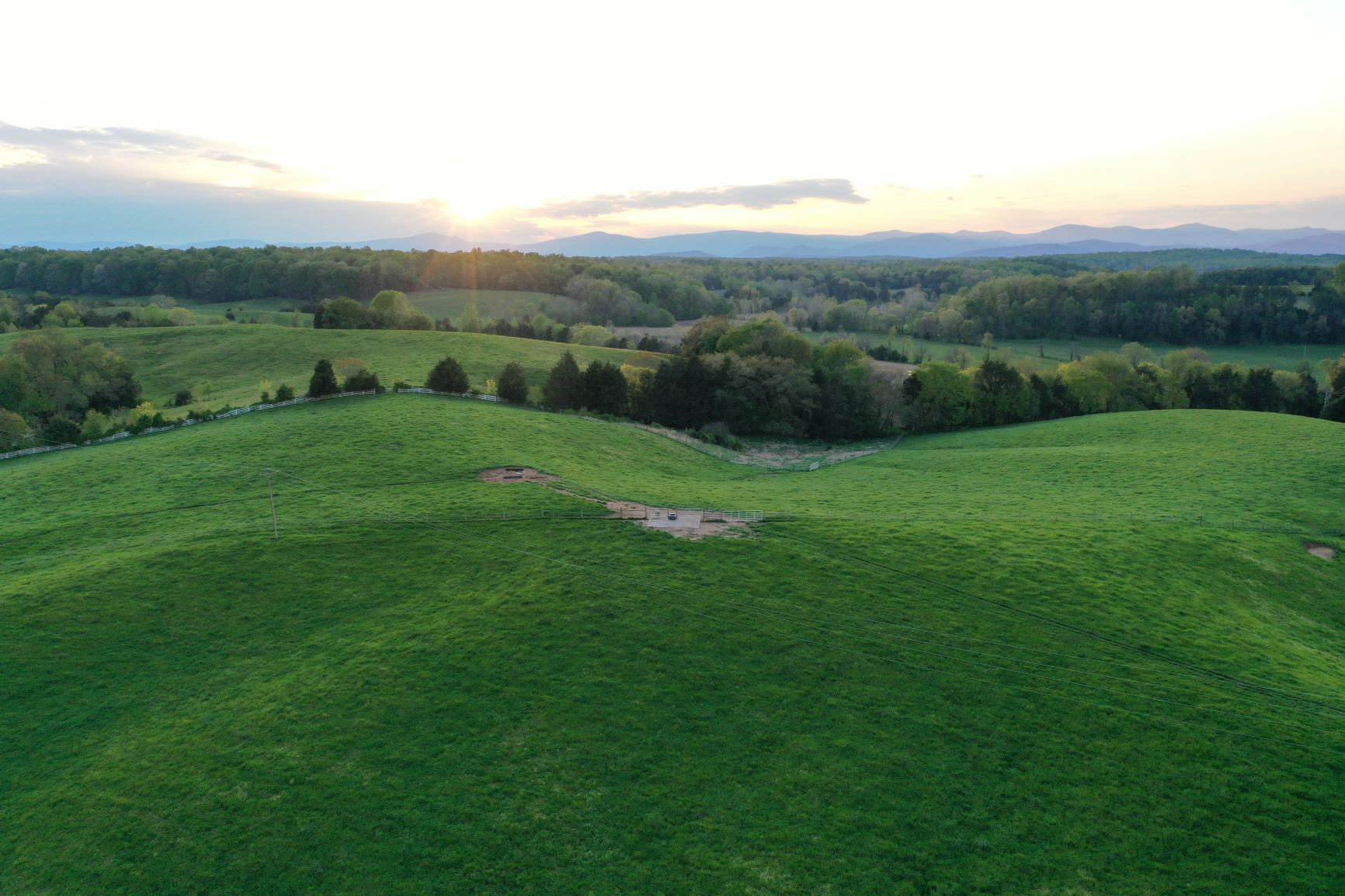
American Farmland Trust (AFT) has announced a call for applications for its 2026 Regenerate Virginia grant opportunities, open from December 1 to December 19, 2025.
Elizabeth Beggins
Phoebe Silag
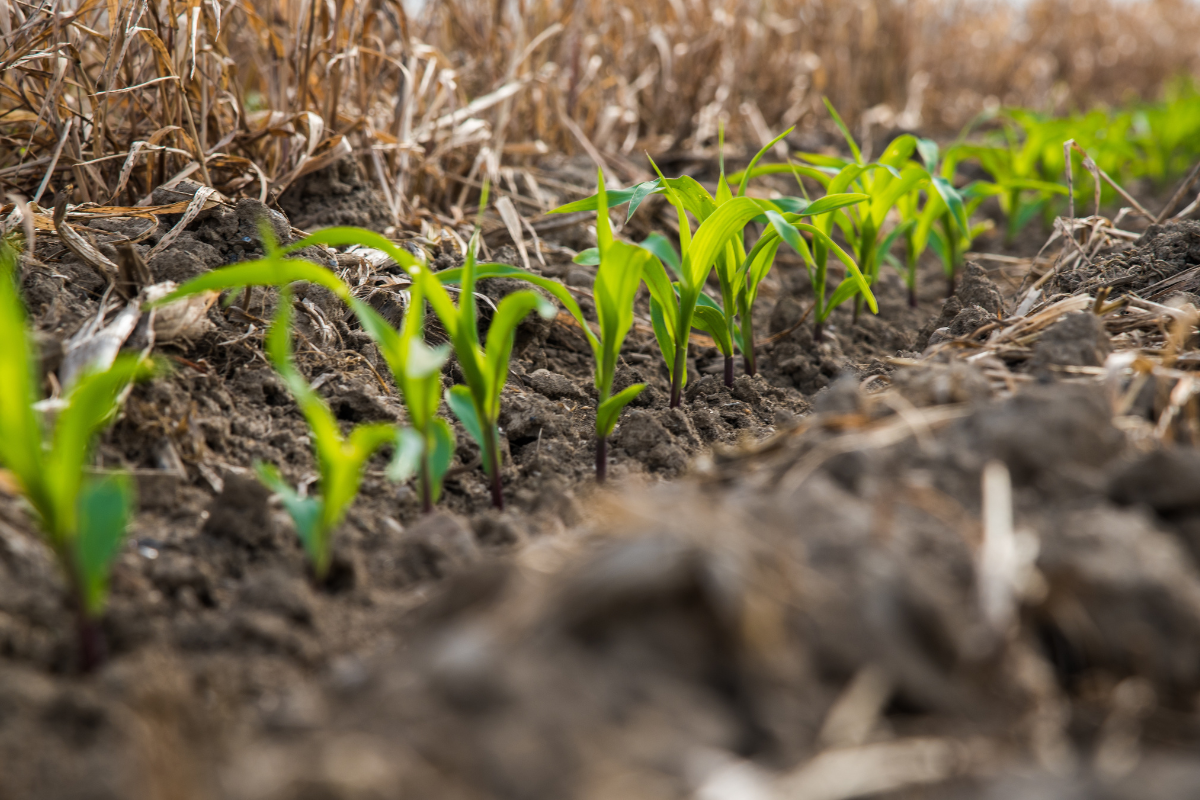
AFT recently released a Soil Health Toolkit on the Farmland Information Center website.
Michael Shulman
Elizabeth Beggins
Michael Shulman
Michael Shulman

New England had a mixed year for farmland this session — some real wins, some hard-fought compromises, and a few reminders of how much work is still ahead.
AFT Applauds Introduction of the Bipartisan American Food Supply Chain Resiliency Act

Highlighting a recent policy update that offers a perspective on our work to advance farmland protection and support agricultural viability across Washington State in 2026.
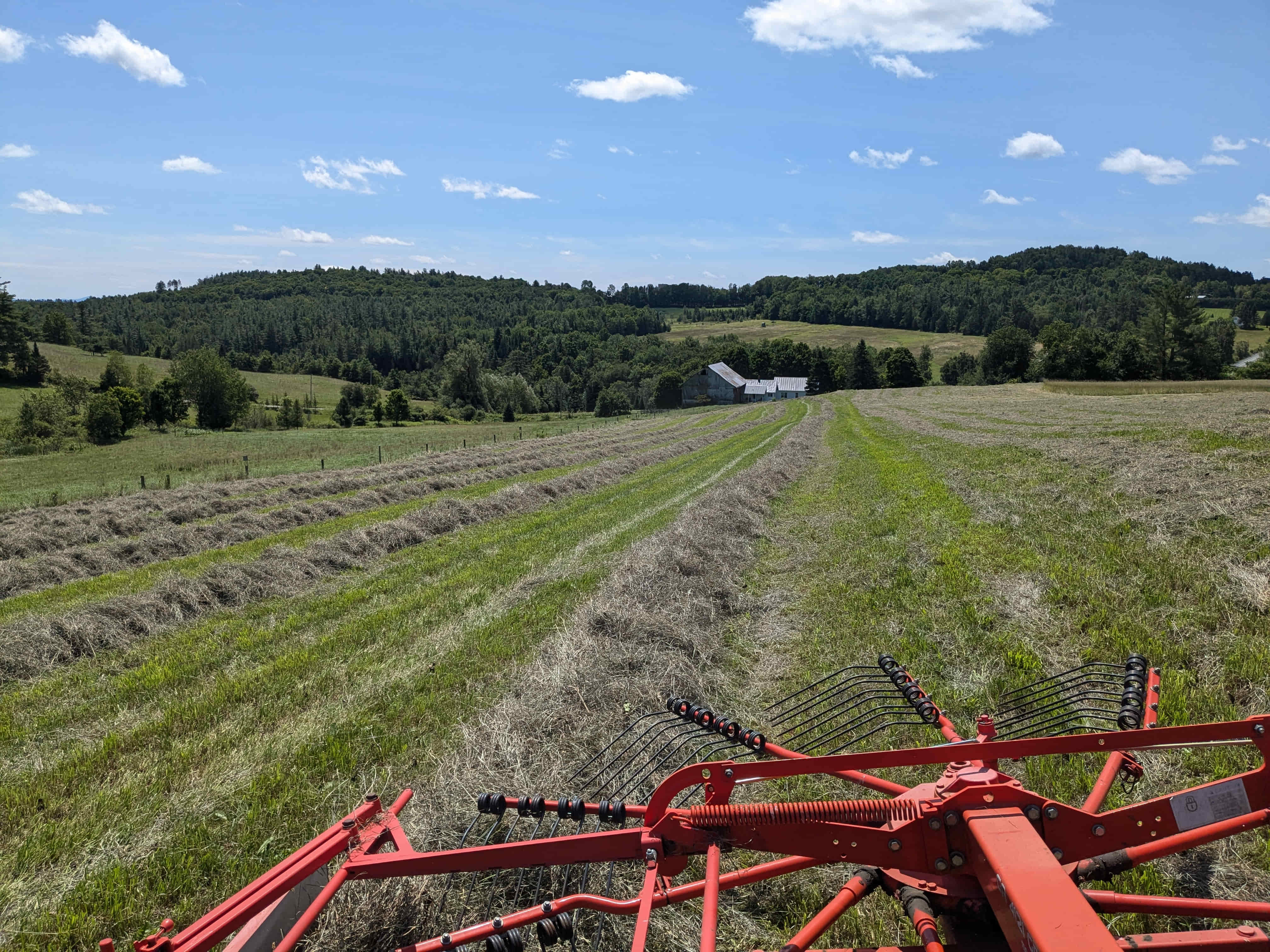
Sunday Bell Farm is responding to extreme weather by improving soil health, water planning, and pasture management. With guidance from AFT’s PARCC program, the Vermont dairy and livestock farm is developing strategies to stay productive in a changing climate.
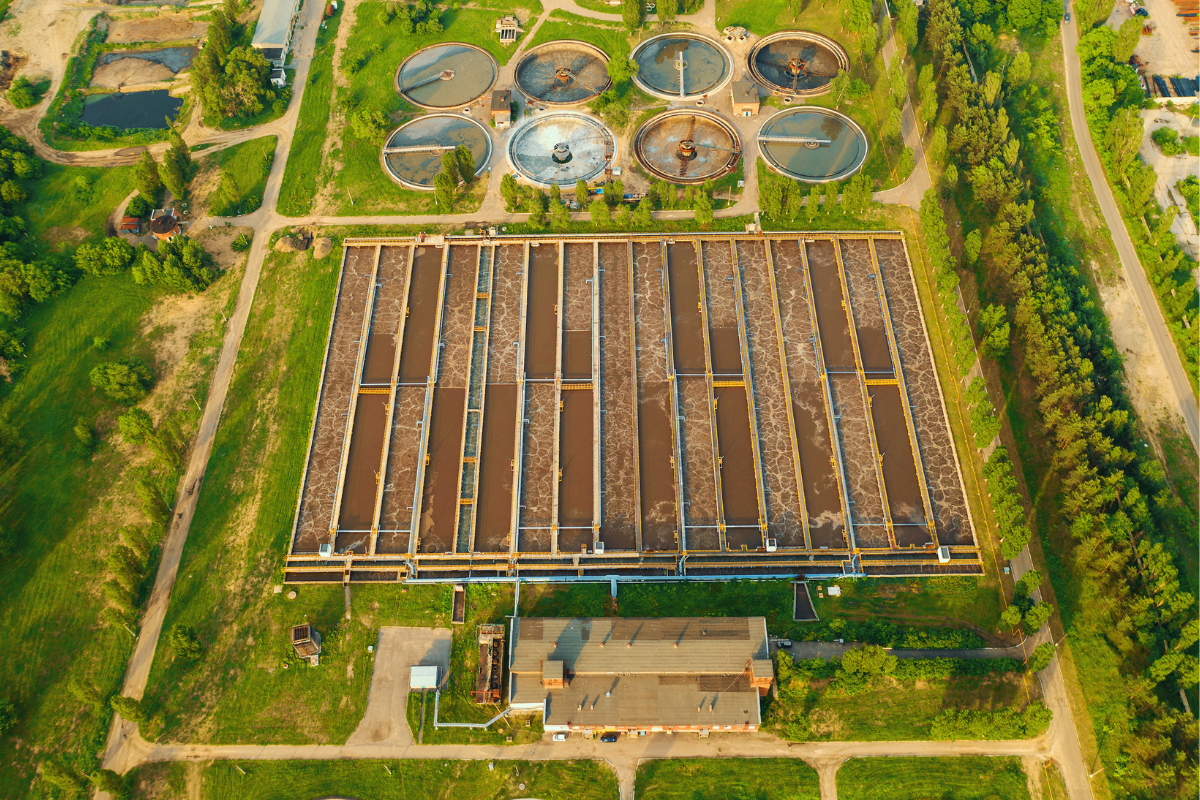
Read on how American Farmland Trust, alongside a growing group of partners, is leading the effort to develop federal policies to address PFAS risk and contamination in agricultural land across the nation.
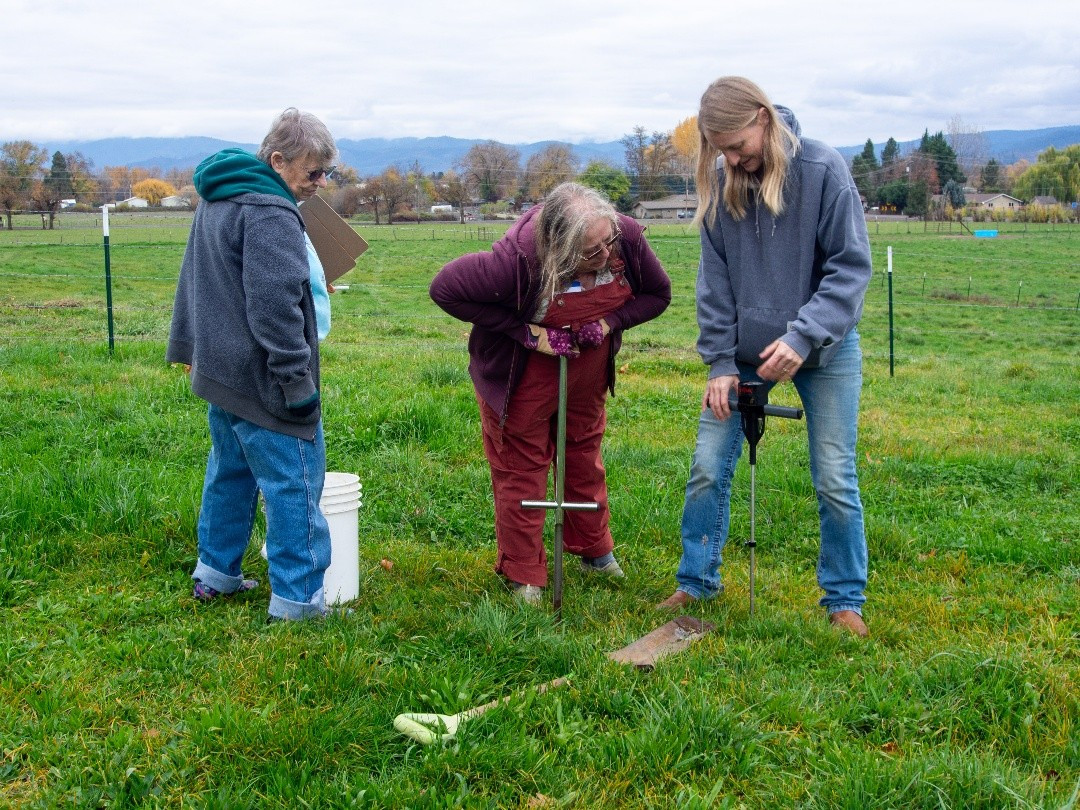
American Farmland Trust and regional partners hosted our second Learning Circle for women farmers and ranchers on Nov. 23, 2025, at the Rusted Gate Farm in Central Point, Oregon. Women for the Land Learning Circles support women in agriculture to gather in community, share farm experiences, and learn together.
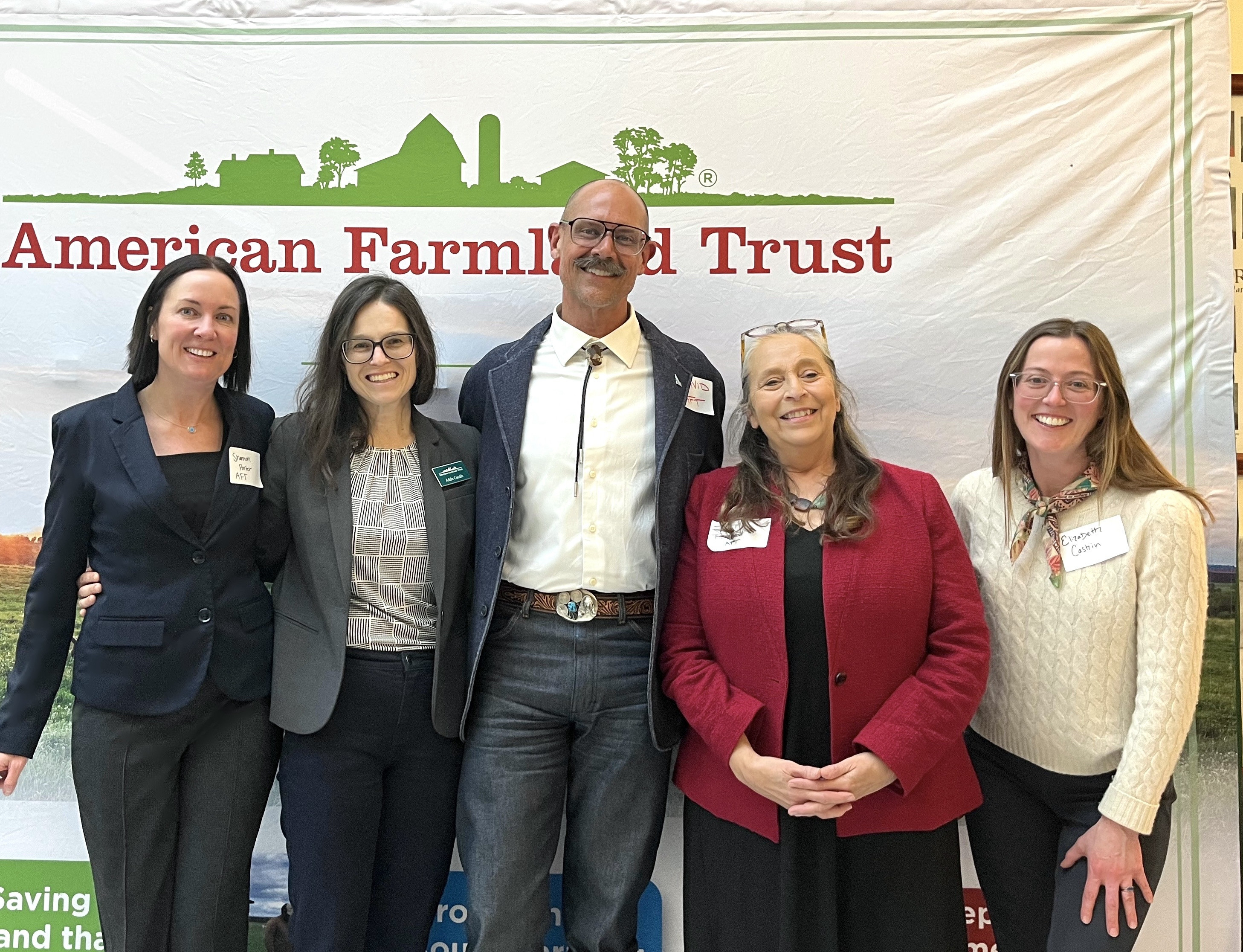
The Governor’s Summit on Agricultural Viability in Idaho brought together landowners and leaders of Idaho agribusiness, academia, conservation, development, community organizations, and government to examine the challenges facing Idaho’s working lands and to identify practical solutions for the future.
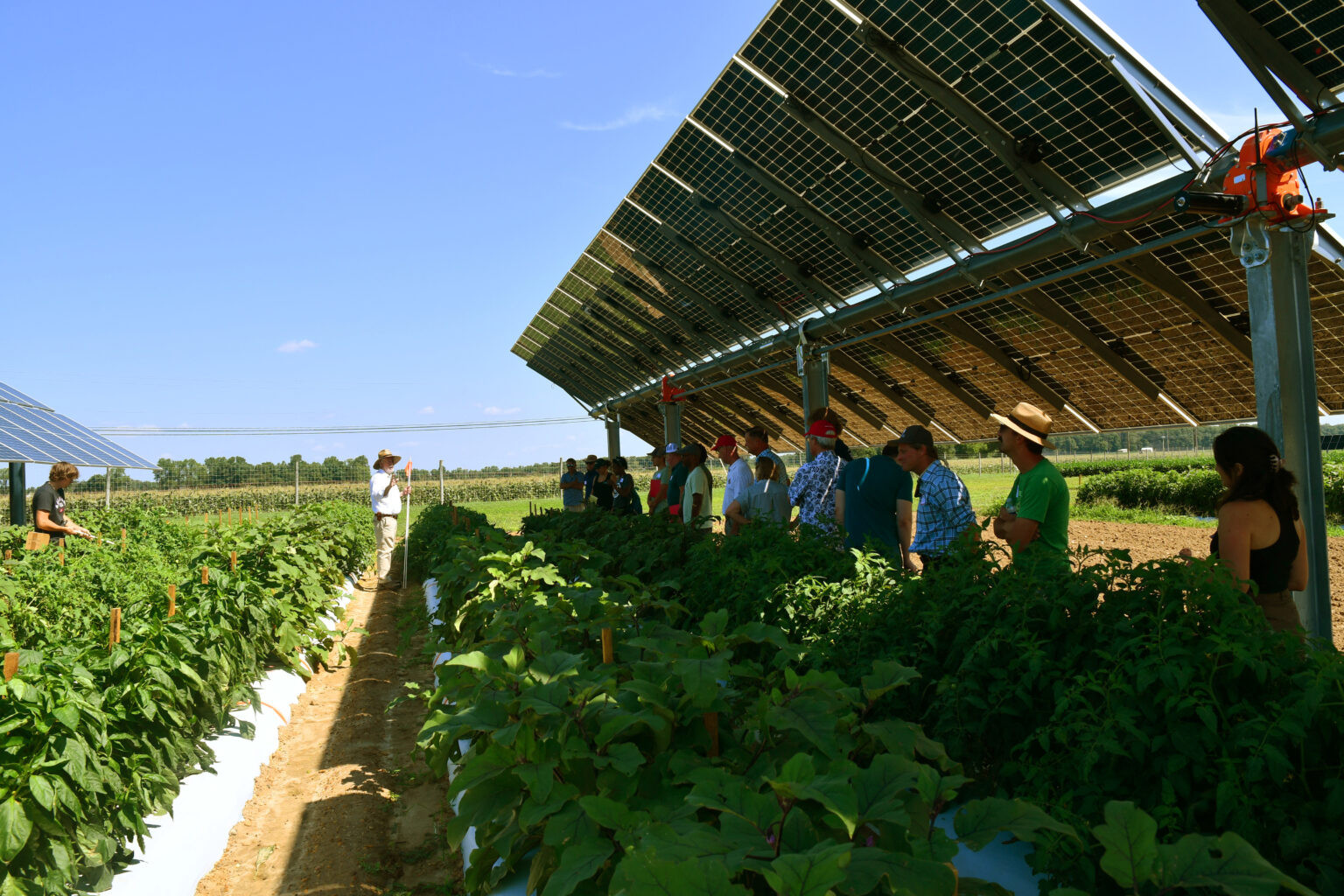
Upcoming webinars and training aimed to support farmers in exploring agrivoltaics in the Northeast.
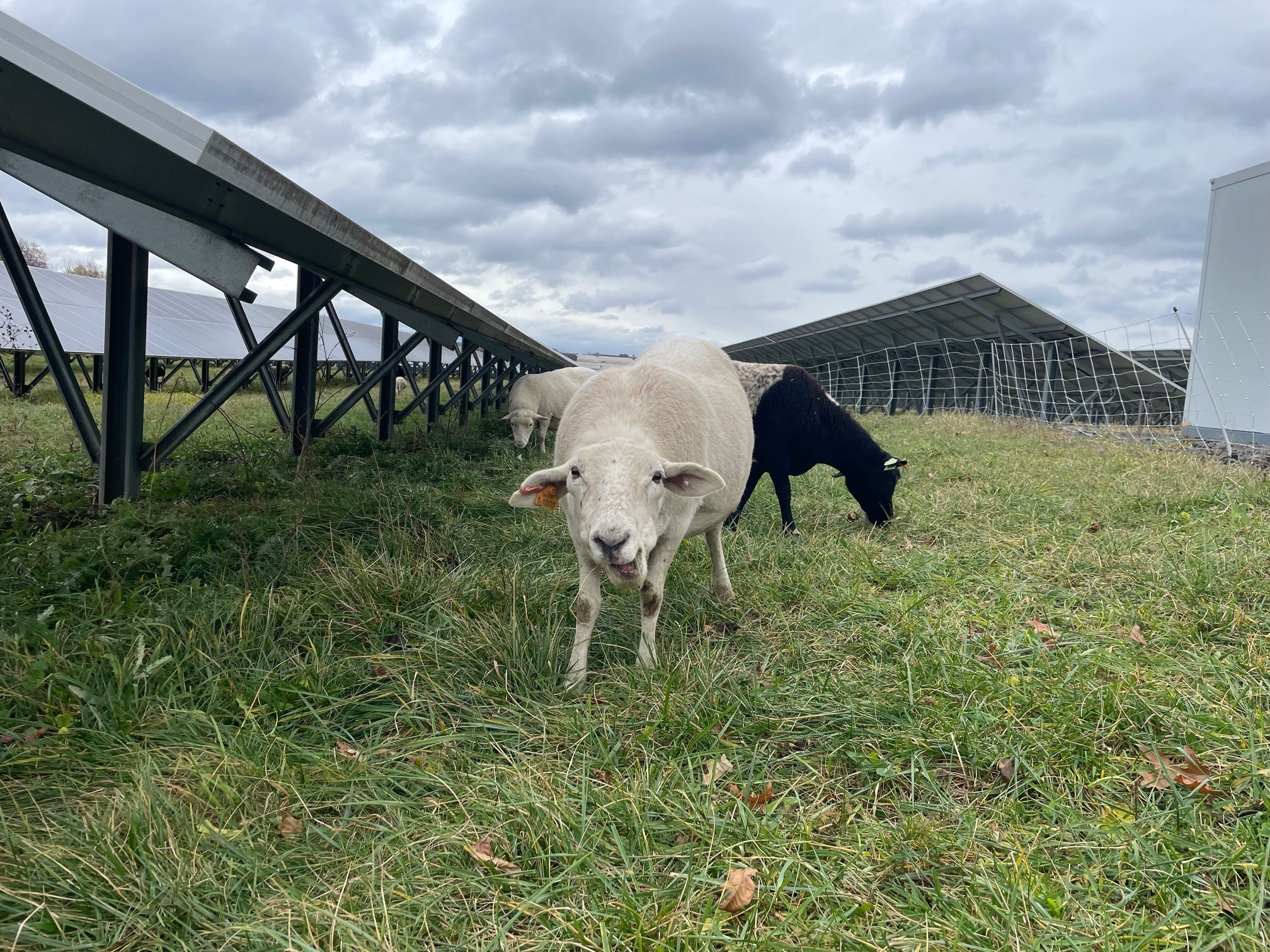
Solar grazing is reshaping how energy and agriculture share the land — with benefits for farmers, soils, and solar developers alike.
Lia Raz
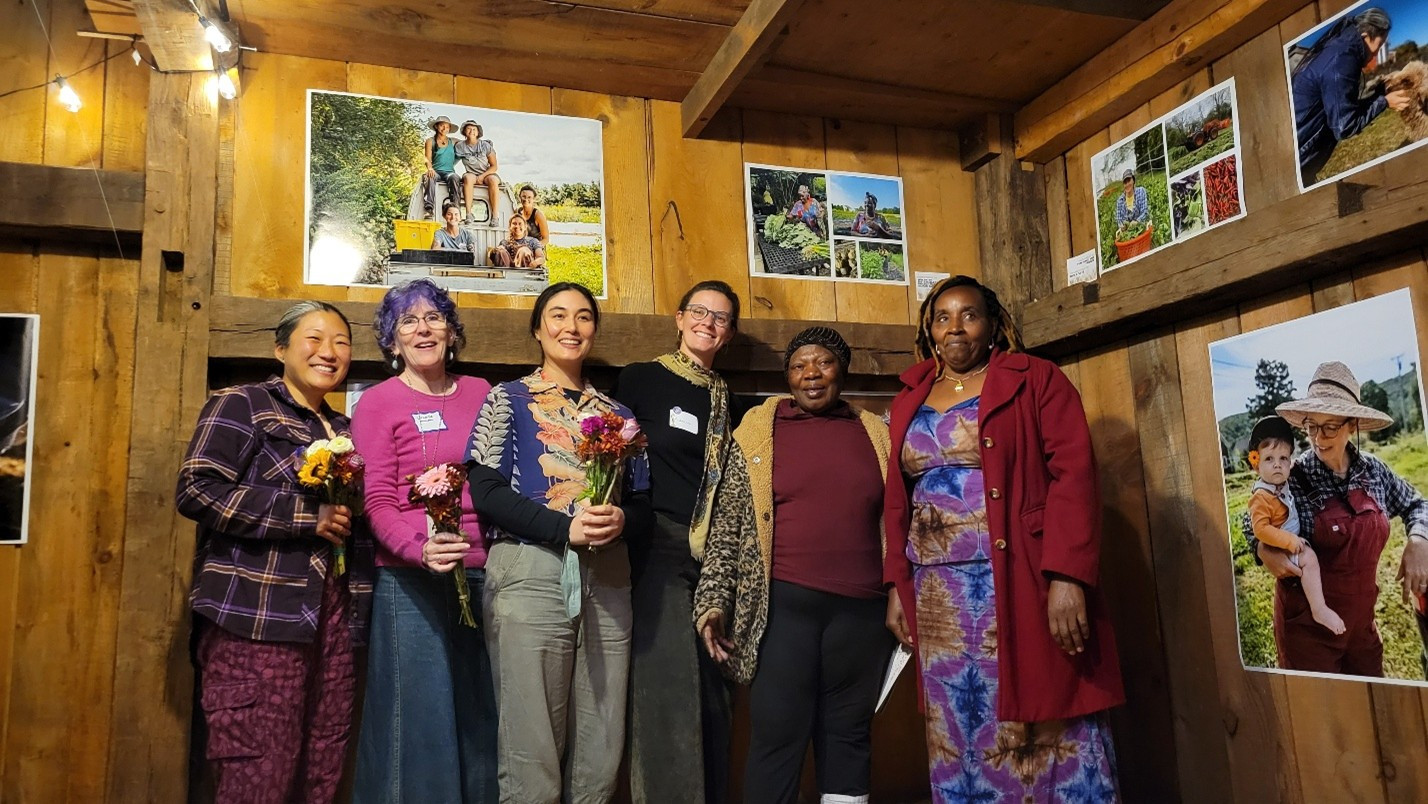
American Farmland Trust (AFT) has launched a new video spotlighting women and nonbinary farmers across Massachusetts who are leading the way in regenerative agriculture and soil health.
.jpg)
American Farmland Trust (AFT) and Cargill partnered to create educational videos for corn and soybean farmers interested in adopting soil health practices, including cover crops, reduced tillage, and nutrient management. Both AFT and Cargill recognize that a major barrier to the adoption of soil health is knowledge of technical details, like cover crop species selection or termination options, and understanding the potential costs and benefits for their operation.
Kinzie Reiss
.jpg)
Since starting with American Farmland Trust in June, I have worked with farmers across the state of Illinois through our Farmer-Led Advances in Soil Health (FLASH) program. Attending the FLASH group meetings, I’ve met many passionate conservationists dedicated to protecting farmland for future generations, a sentiment very personal and important to me. I grew up in Ramsey, a small town in south-central Illinois. My family has been farming in the area since around the 1850s; my great-grandmother grew up on the same farm as I did. My dad still farms the land, maintaining an operation of corn, soybeans, and beef cattle.
Morgan Cauble
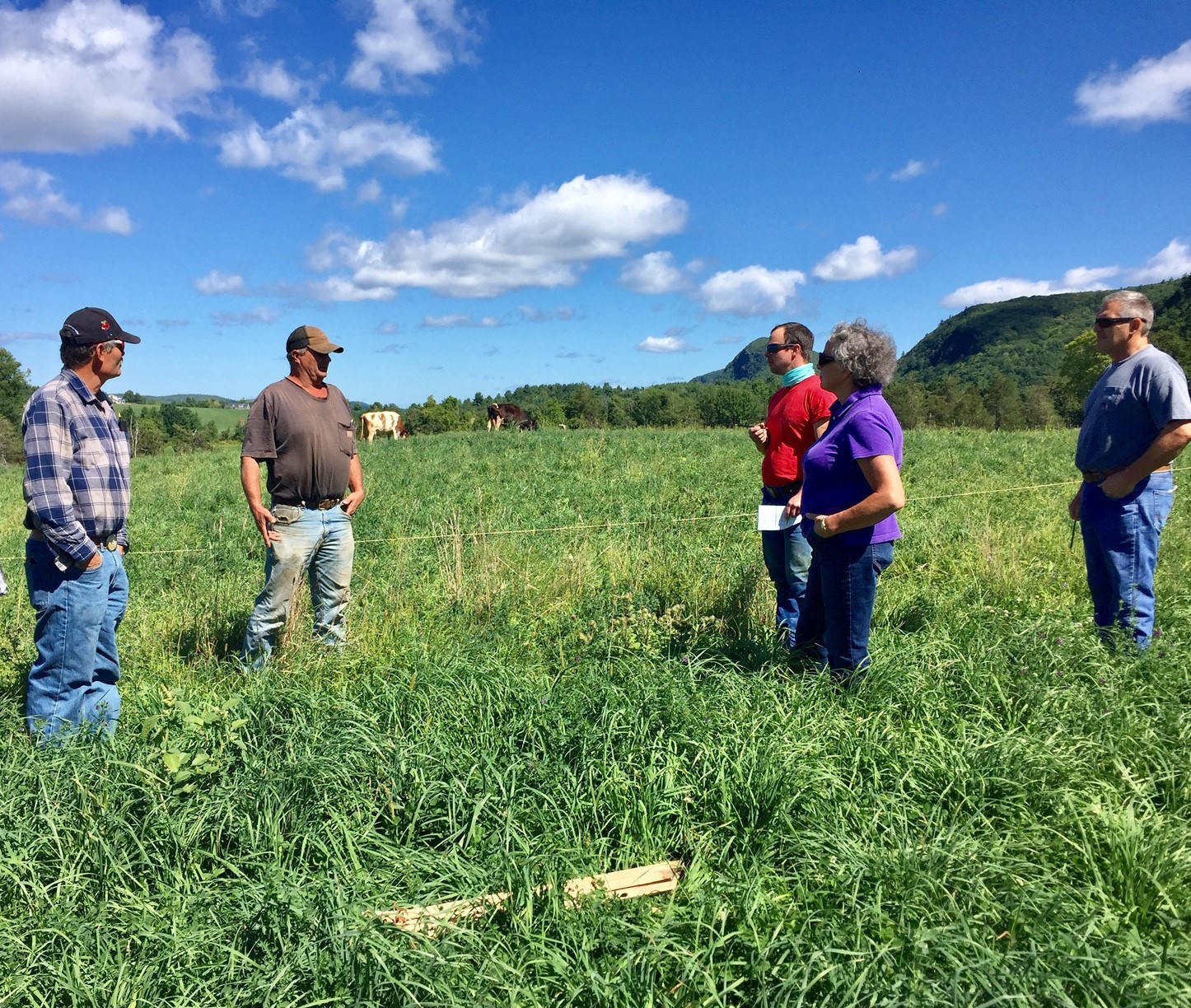
Over five years, seven Vermont dairy farmers built a tight-knit farmer-led learning cohort that became a practical space to compare approaches, troubleshoot challenges, and try new grazing and business-planning ideas.
Lia Raz

During the first year of the 2025–2026 California State Legislature, AFT led coalitions to advance California agriculture policy that strengthens climate resilience, expands land access, protects farmland, and secures major investments through Cap-and-Invest, the SALC program, and Proposition 4 climate-smart agriculture funding.
Chelsea Gazillo
.png)
As agriculture evolves, American Farmland Trust is scaling its programs, research, and regional teams to meet the needs of farmers and ranchers across the country. Learn how AFT’s new leadership structure and expanded national initiatives are driving innovation, resilience, and farmland protection.
David Haight
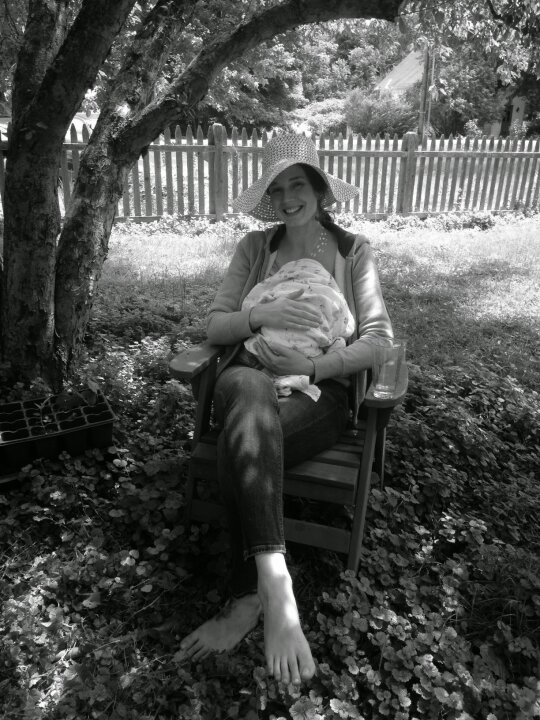
Meet Alissa White, Deputy Director of AFT New England, and discover how her passion for farming, soil health, conservation, and supporting farmers is helping build more resilient agricultural communities across New England.
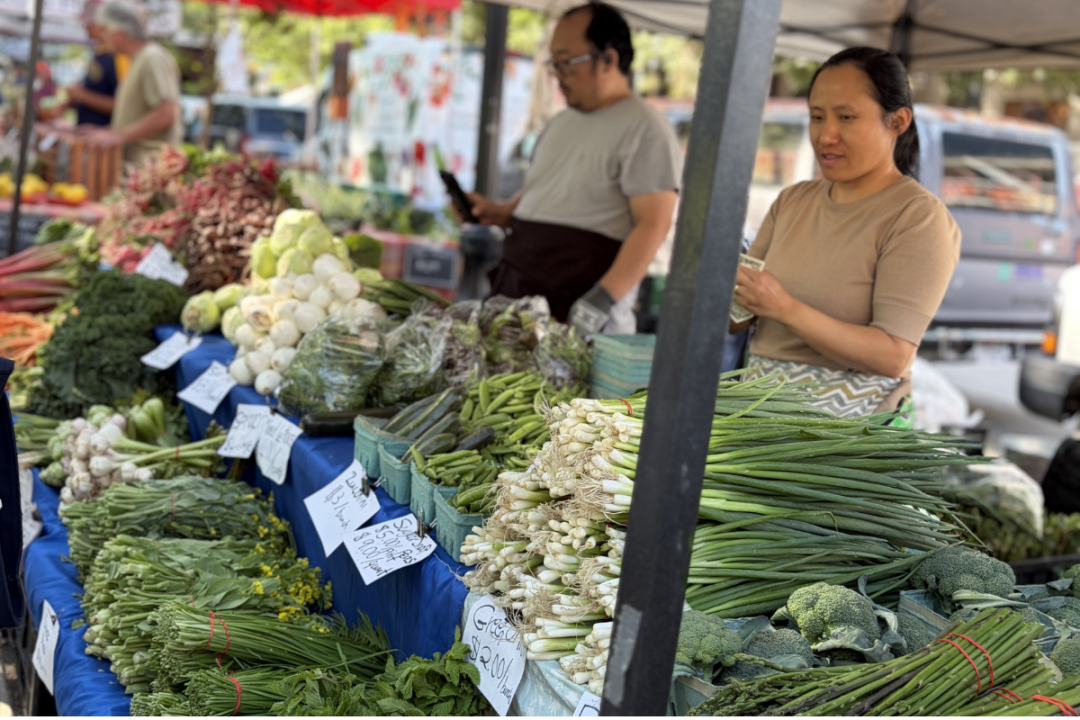
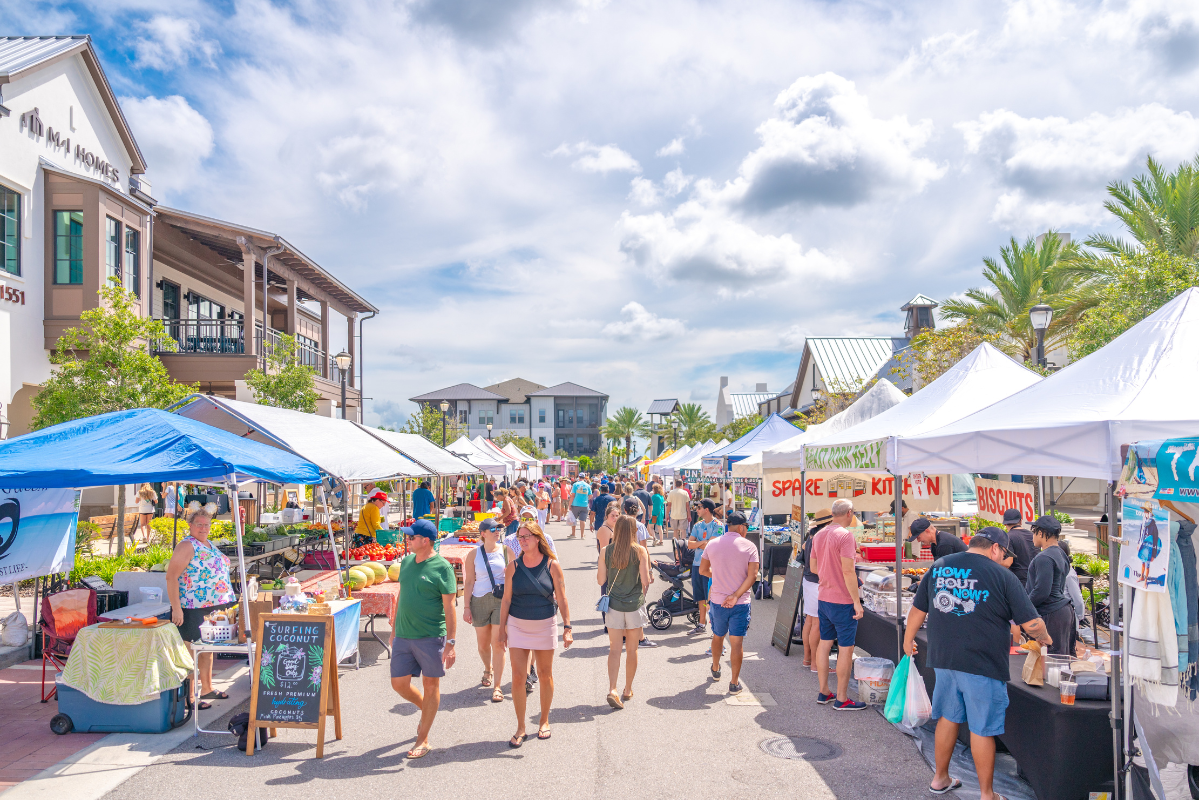
The 18th annual AFMC runs Aug. 1 - Sept. 30 on markets.farmland.org. The event is a fun celebration that helps farmers markets across the country earn national recognition and local prestige. Markets can join the celebration and encourage their customers to vote, an excellent marketing tool and a pathway to winning a piece of the $15,000 prize pool.
New England had a mixed year for farmland this session — some real wins, some hard-fought compromises, and a few reminders of how much work is still ahead.
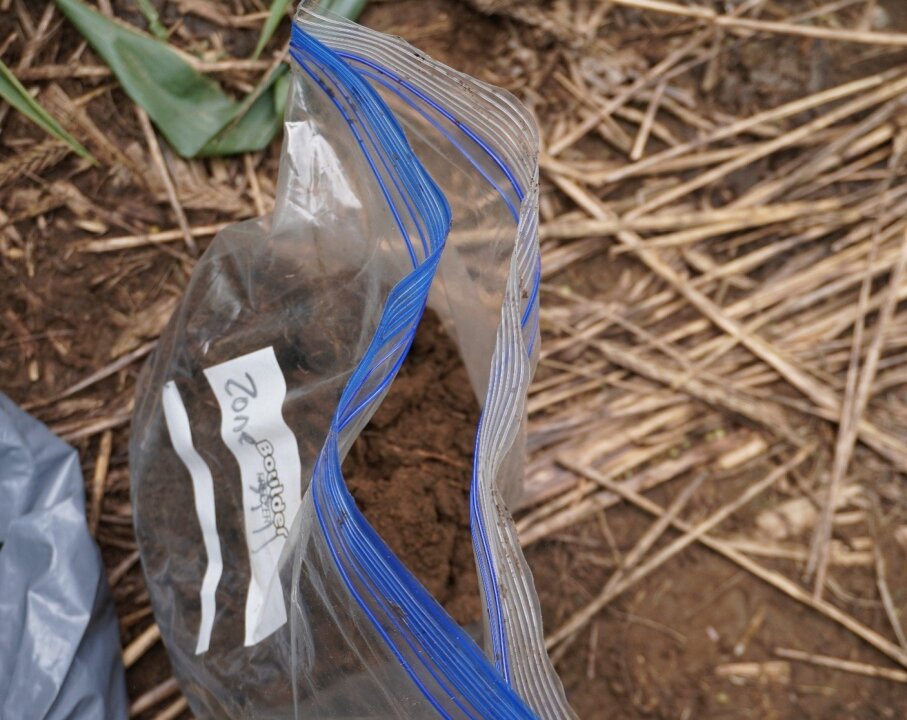
Learn how American Farmland Trust's latest research is helping shape more effective conservation planning, climate disaster relief, and soil health programs by centering farmers' experiences and expertise.
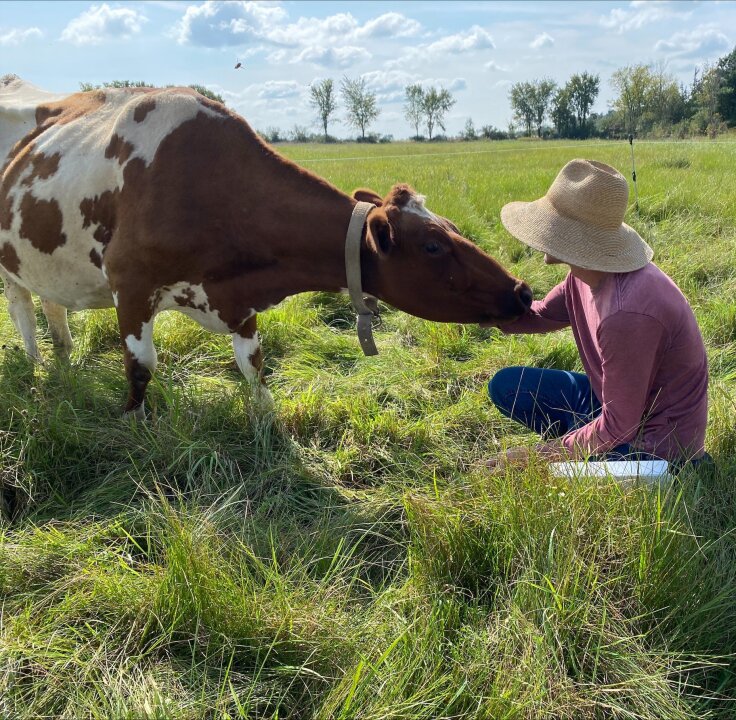
Discover how American Farmland Trust's Integrated Whole Farm Planning Pilot is helping New England livestock farmers strengthen farm viability through business planning, conservation support, succession planning, and peer networks that build long-term resilience.
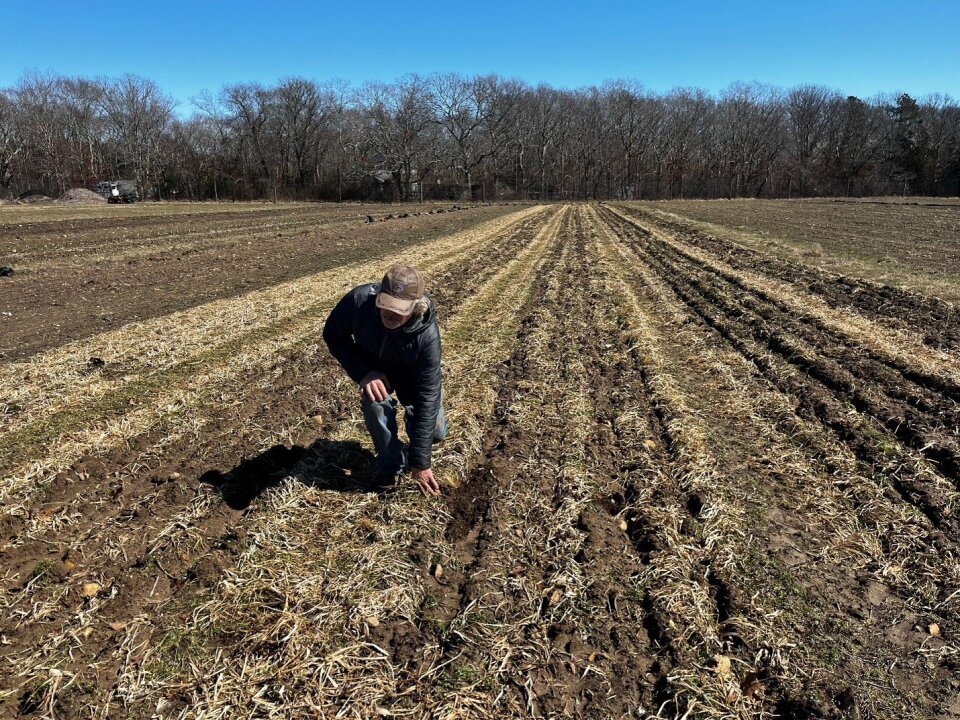
Discover how American Farmland Trust and Island Grown Initiative are advancing soil health through reduced tillage, biochar, and living clover trials.
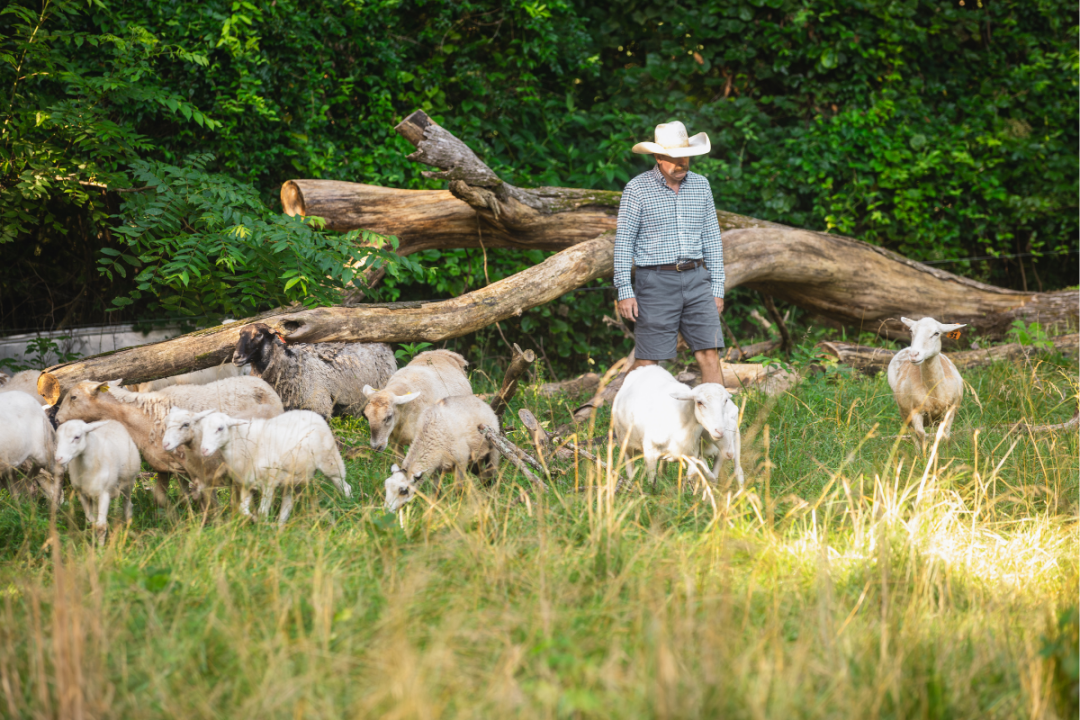
Learn more on how Brad Buttrey helps farmers implement conservation practices that enhance soil health, improve water quality, and support human and non-human communities in Tennessee.
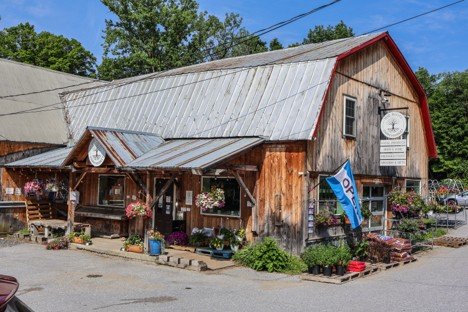
Bear Roots Farm in central Vermont is building climate resilience through diversified farming, perennial crops, soil health practices, and community support. Learn how this innovative farm is adapting to extreme weather while strengthening its business and local food system.
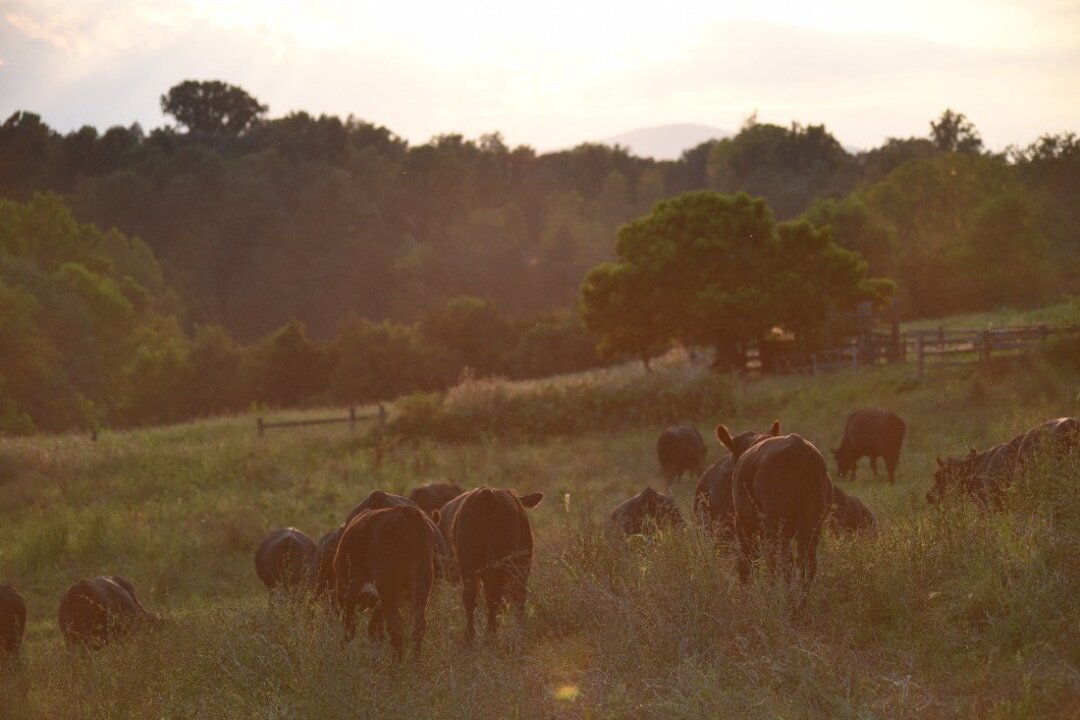
AFT’s Beef Grazing Network is launching a redesigned Beef Producer Economic Resilience Initiative, now part of USDA’s Advancing Markets for Producers program.
.jpg)
When conservation is captured in acres, not feet, how do we talk about the impact of urban farms within the agricultural ecosystem? I would argue one way is through ingenuity, creativity, and community impact. Most urban farms in the Midwest were not created solely focused on making a profit. The farmers have a strong desire to give back to their communities and the earth all while growing their small businesses. Last year, we profiled three urban farmers in and near Kansas City, Missouri who received micro-grants of $3,500 through a partnership between American Farmland Trust and a Kansas City-based urban agriculture non-profit, Cultivate Kansas City.
.jpeg)
Virginia's new agrivoltaics definition marks an important milestone in the conversation about solar development and farmland. Drawing on farmer perspectives and AFT's Smart Solar℠ approach, this article explores what the legislation means for agriculture, energy, and rural communities.
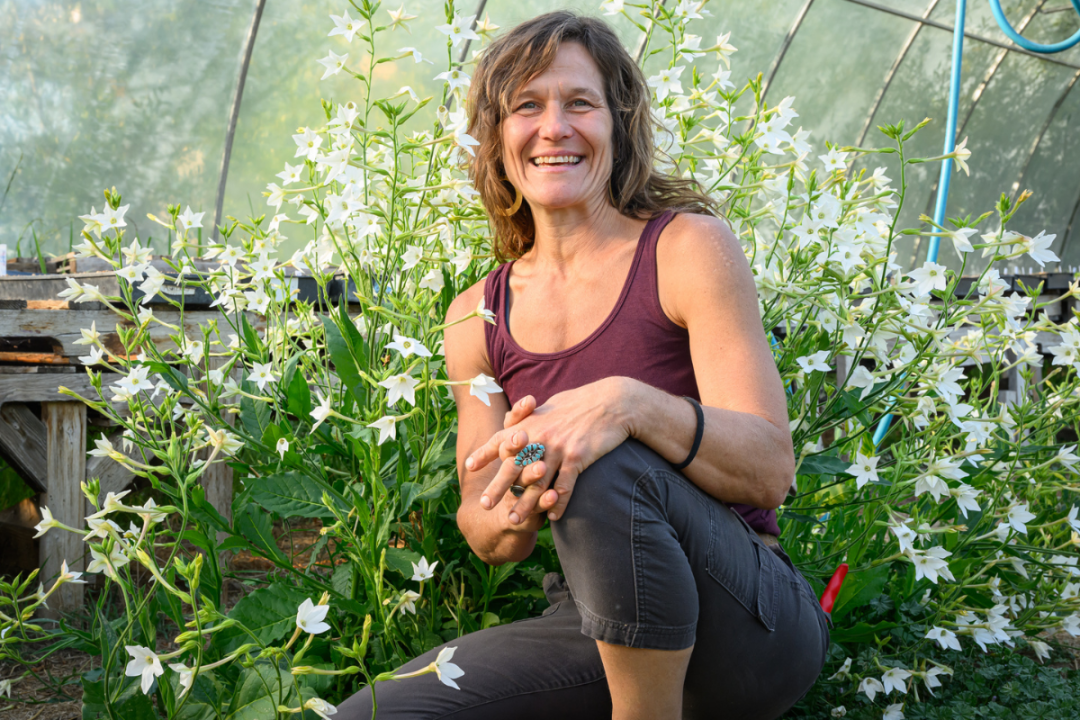
AFT programs highlight peer learning for farmers committed to advancing conservation, land stewardship, and community resilience in their communities. This Farmer Profile is funded by the Natural Resources Conservation Service to highlight inspiring farmers who work to protect, steward, and manage U.S. farmland.