
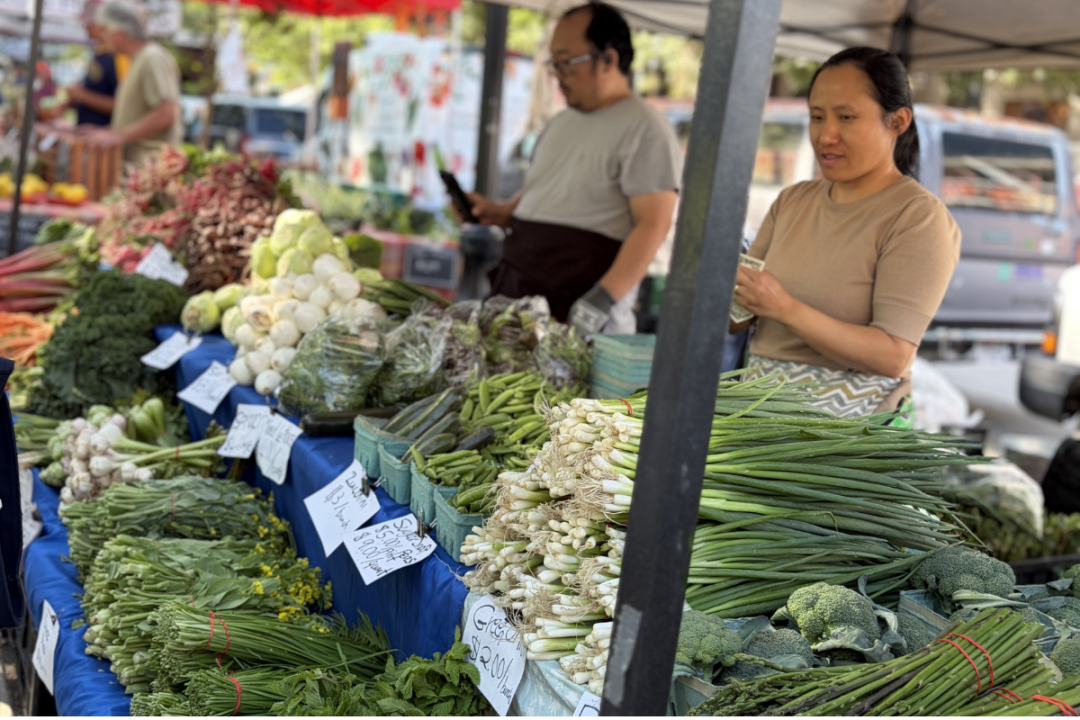
The 18th annual AFMC runs Aug. 1 - Sept. 30 on markets.farmland.org. The event is a fun celebration that helps farmers markets across the country earn national recognition and local prestige. Markets can join the celebration and encourage their customers to vote, an excellent marketing tool and a pathway to winning a piece of the $15,000 prize pool.
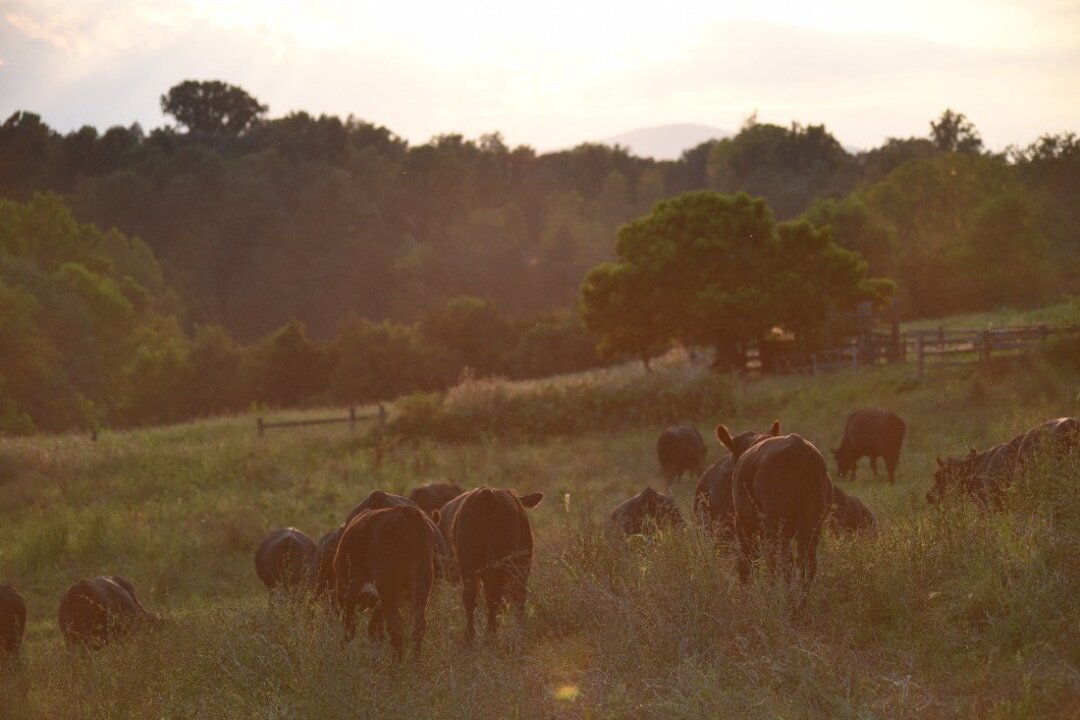
AFT’s Beef Grazing Network is launching a redesigned Beef Producer Economic Resilience Initiative, now part of USDA’s Advancing Markets for Producers program.

The Farm Bill discussion draft text released this week by Chairman Boozman would make critical improvements to USDA conservation programs to better serve farmers, ranchers, and landowners.
AFT Applauds Introduction of the Bipartisan American Food Supply Chain Resiliency Act
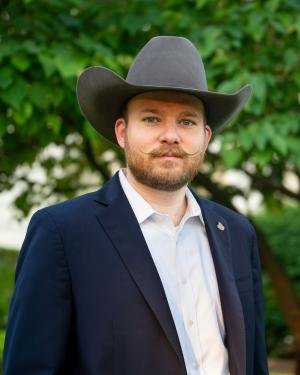
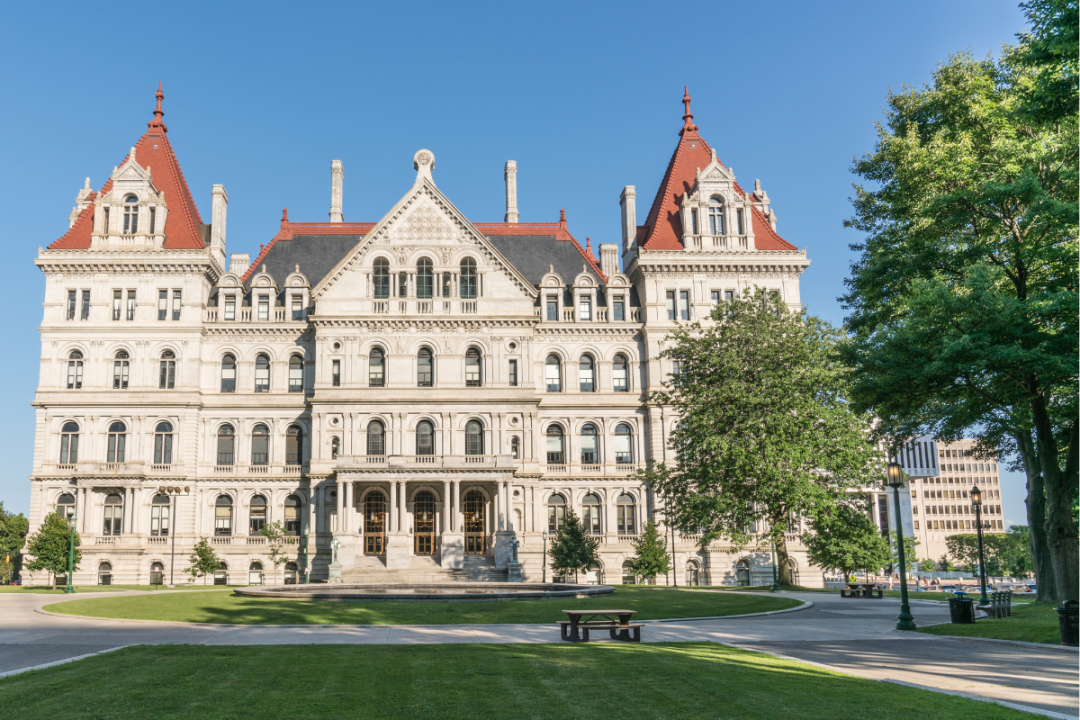
American Farmland Trust (AFT) applauds Governor Kathy Hochul and the New York State Legislature for enacting a final FY 2026–27 state budget that delivers meaningful, sustained investments in farmland protection, farm viability, climate resilience, and local food systems across New York.
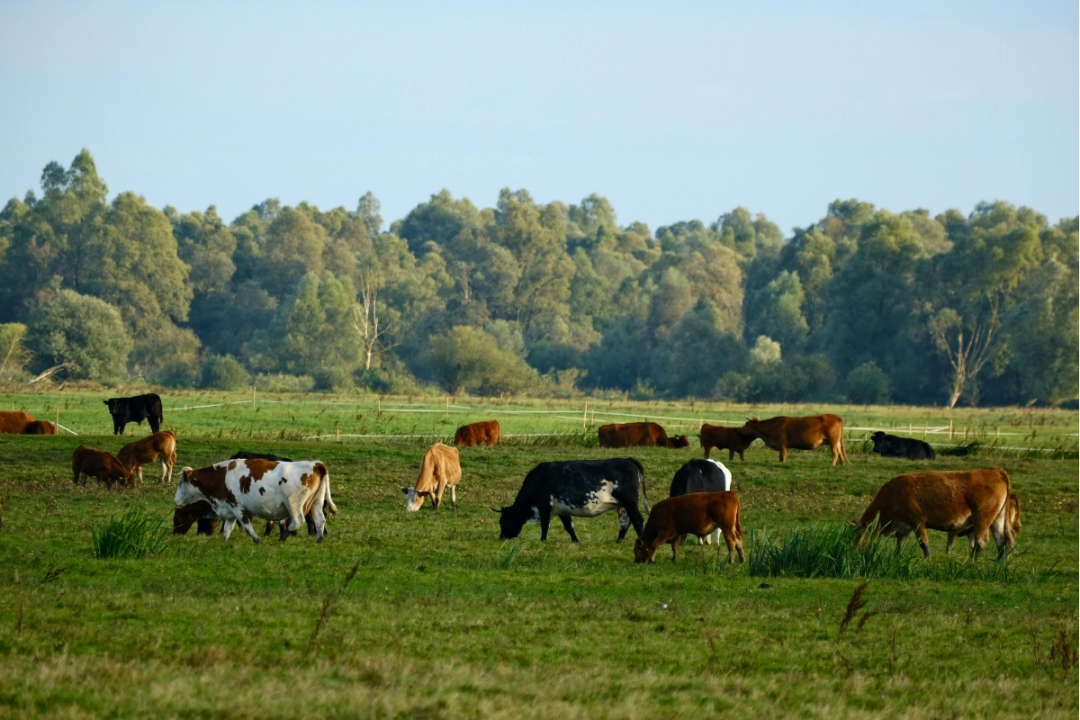

American Farmland Trust has named Julia Valliant as Director of the national Farms for a New Generation team, where she will lead efforts to increase access to land and capital for the rising generation of farmers and ranchers and support elder farmers and landowners in transferring their farms with dignity and confidence.

New England had a mixed year for farmland this session — some real wins, some hard-fought compromises, and a few reminders of how much work is still ahead.
AFT Applauds Introduction of the Bipartisan American Food Supply Chain Resiliency Act
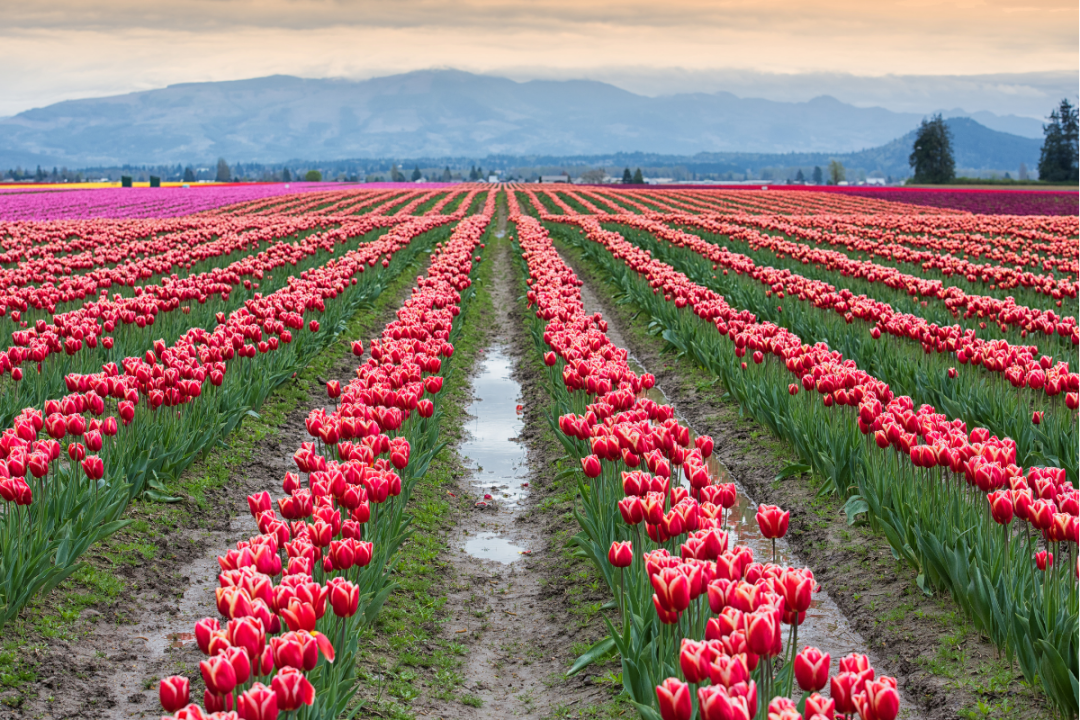
Highlighting a recent policy update that offers a perspective on our work to advance farmland protection and support agricultural viability across Washington State in 2026.
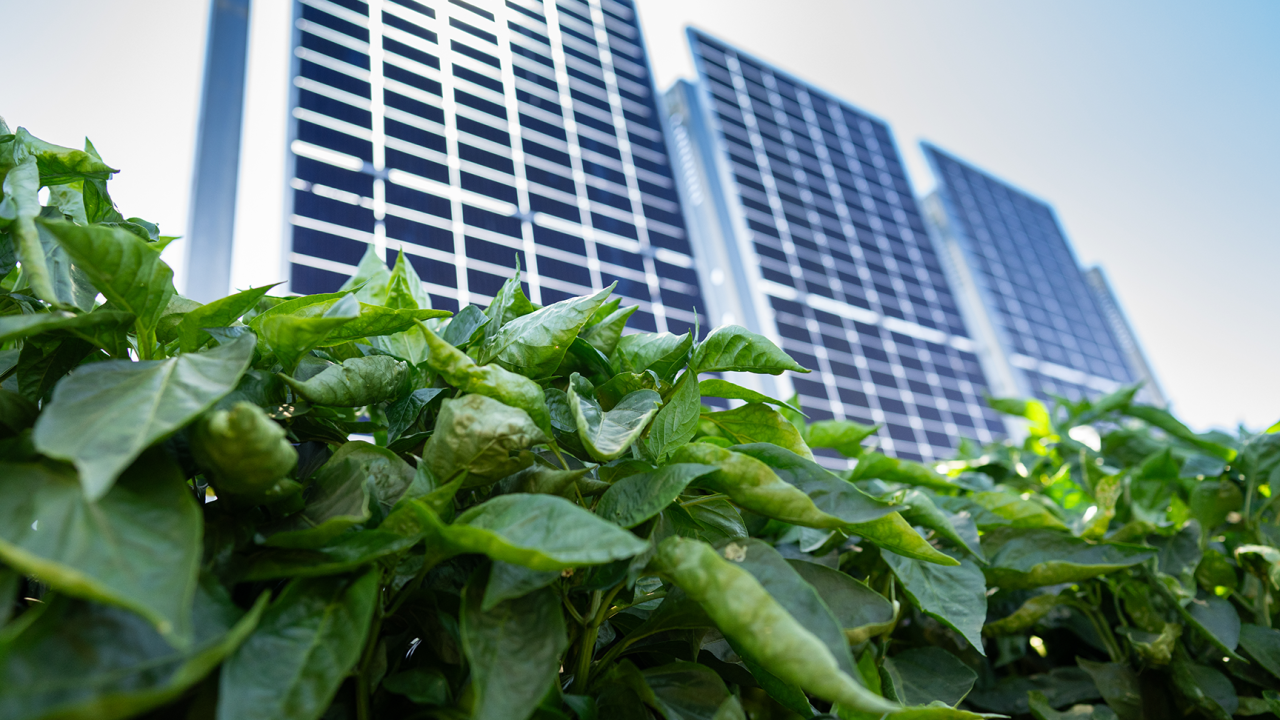
This fall, farmers across California are invited to attend four free events designed to explore how agrivoltaics can support working lands and strengthen farm resilience.
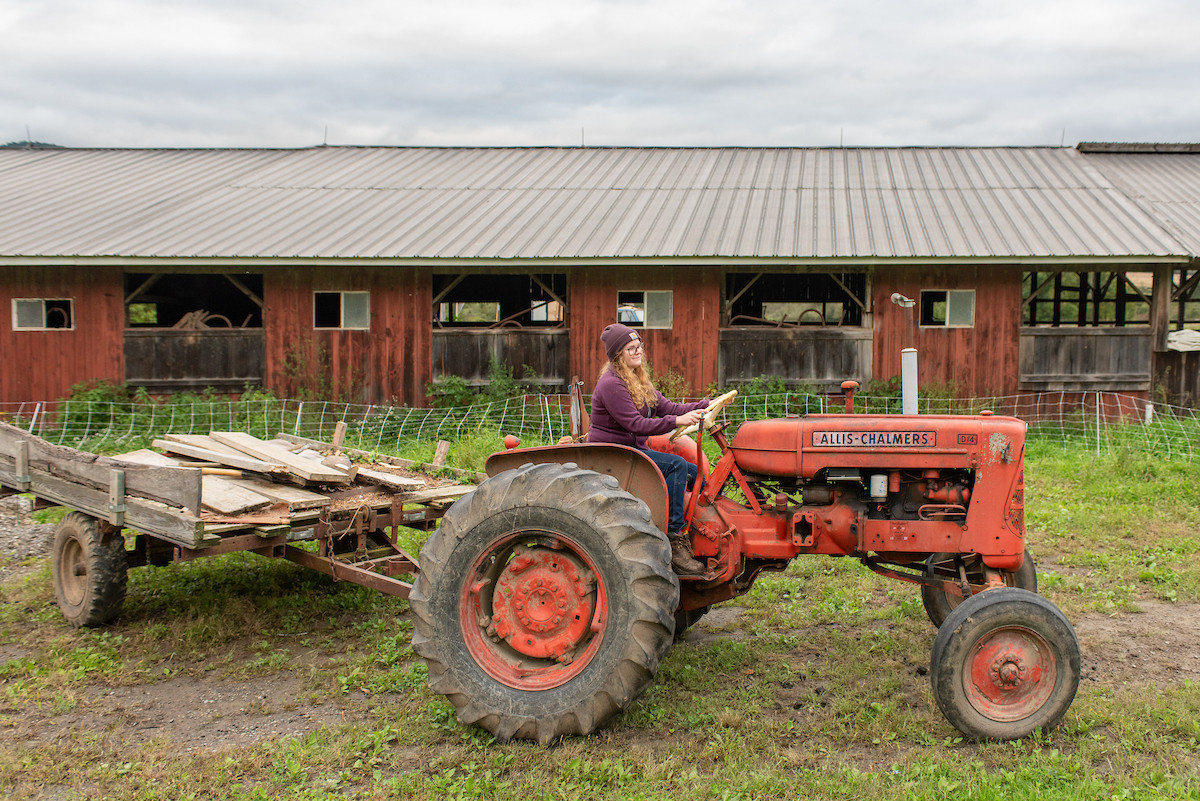
While much of the nation’s attention has been rightly focused on the current federal shutdown, we cannot lose sight of the fact that parts of the Farm Bill have expired at a time when agriculture is facing incredible economic challenges and uncertainty.
Samantha Levy
Eliza Paterson
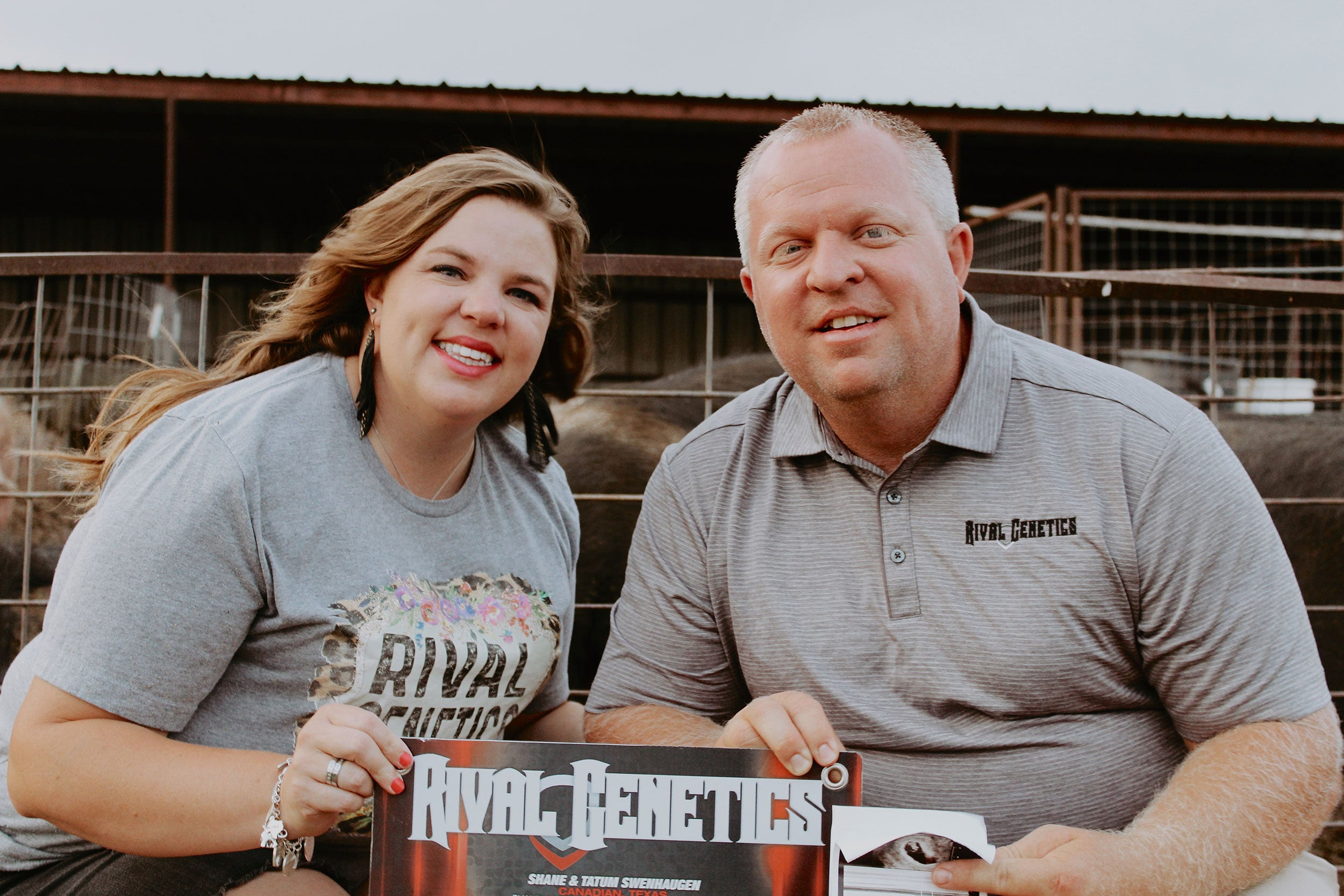
Ranchers are piecing their lives back together one fence post, one pasture, and one herd at a time. We followed up with the recipients of the Brighter Future Fund back in July — here’s a look into their journey on the road to recovery.
Lindsey Richards
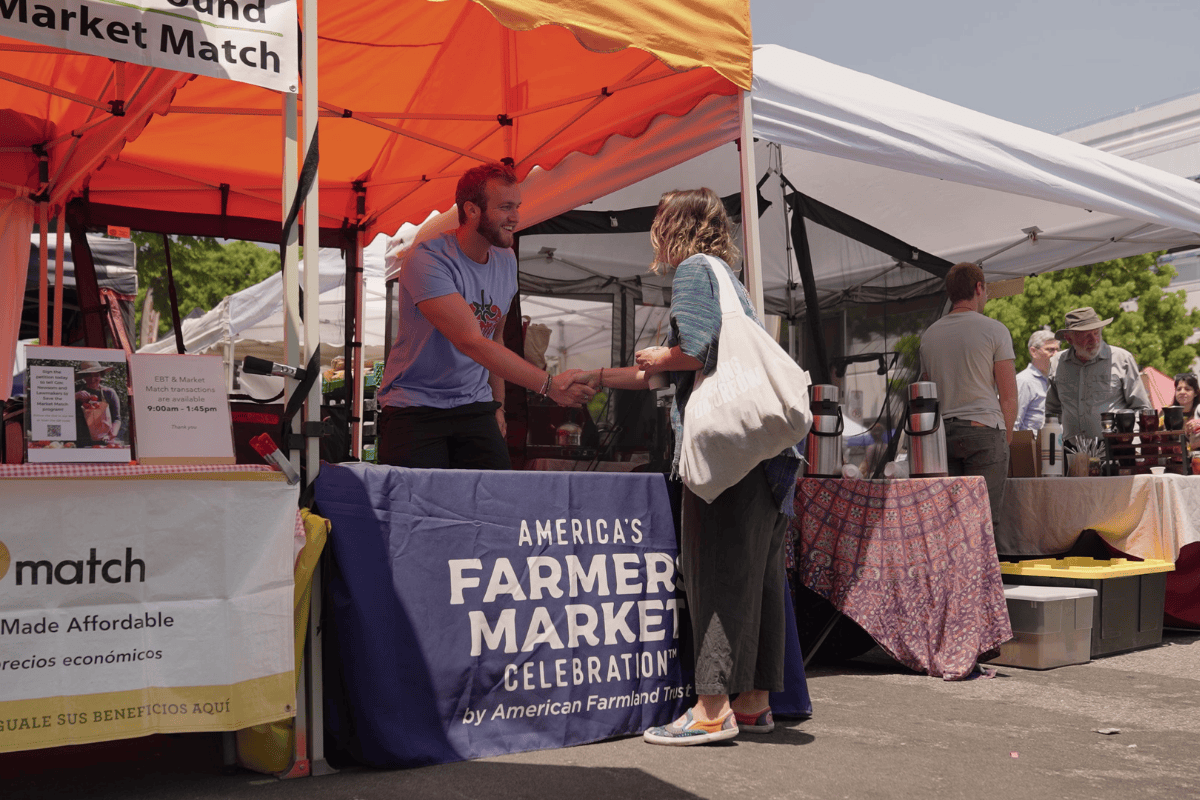
“A lot of the "magic" in a farmers market is the unique bond that's formed between the producer and consumer. Questions are asked, "aha" moments are had, and you leave each stand with not just a product or a sale, but a purpose. THAT is invaluable.”
Jenna Farineau & Liz Amodeo
.jpg)
In August, AFT’s Midwest team program staff completed the Soil & Water Conservation Society’s Emerging Leaders Program (ELP) and attended the 80th Soil and Water Conservation Society’s Annual Conference in Costa Mesa, California. Midwest staff Rachel Lechuga, Floreal Crubaugh, and Marlee Giacometti are AFT’s most recent graduates of the second class of the Emerging Leaders Program (fun fact: Helen VanBeck, our Midwest Program Manager) graduated from the first-ever program. Here’s a look back at what the program meant to them and the snapshots that capture their achievements.
Rachel Lechuga
.jpg)
Rachel Irvine
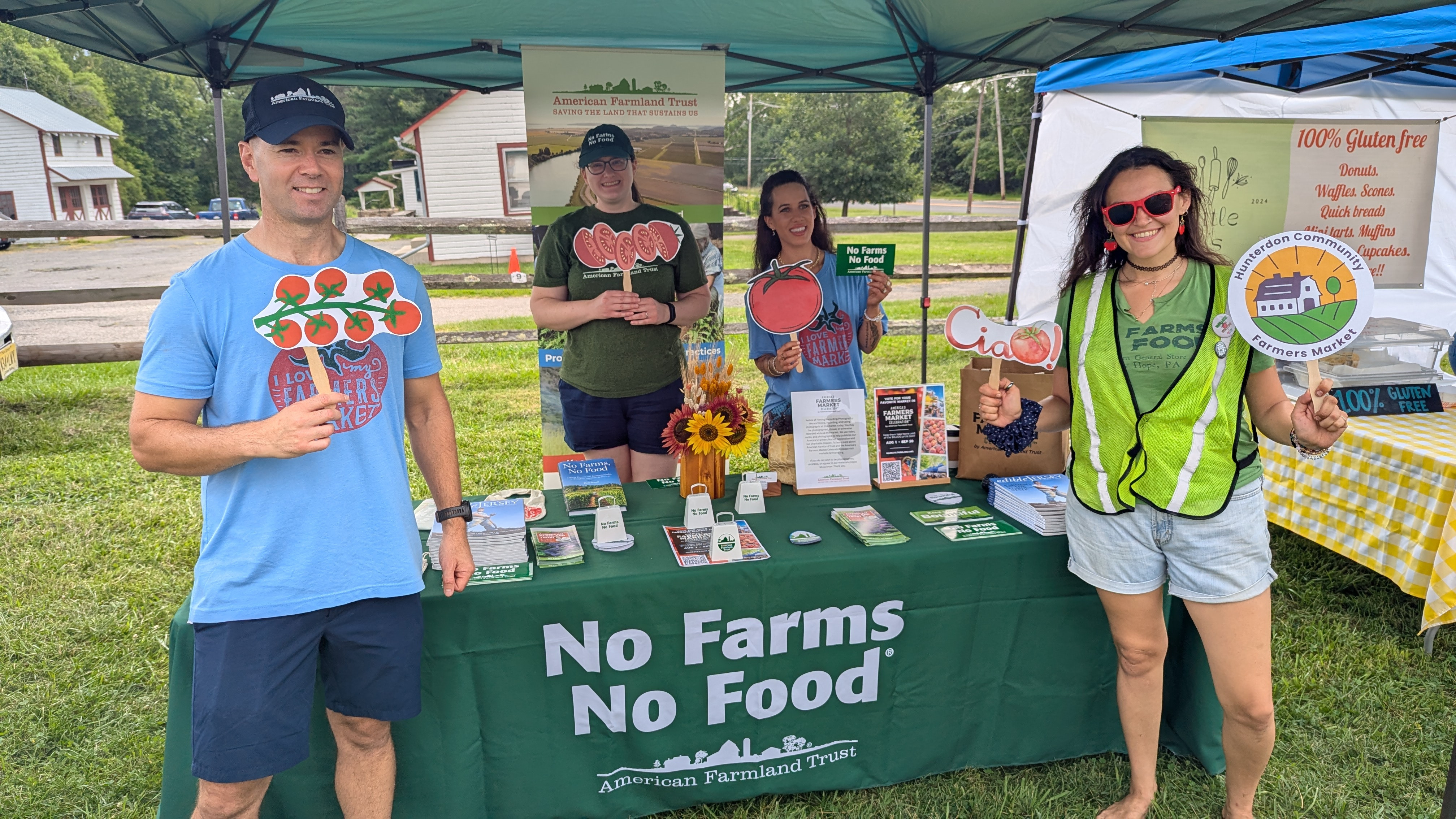
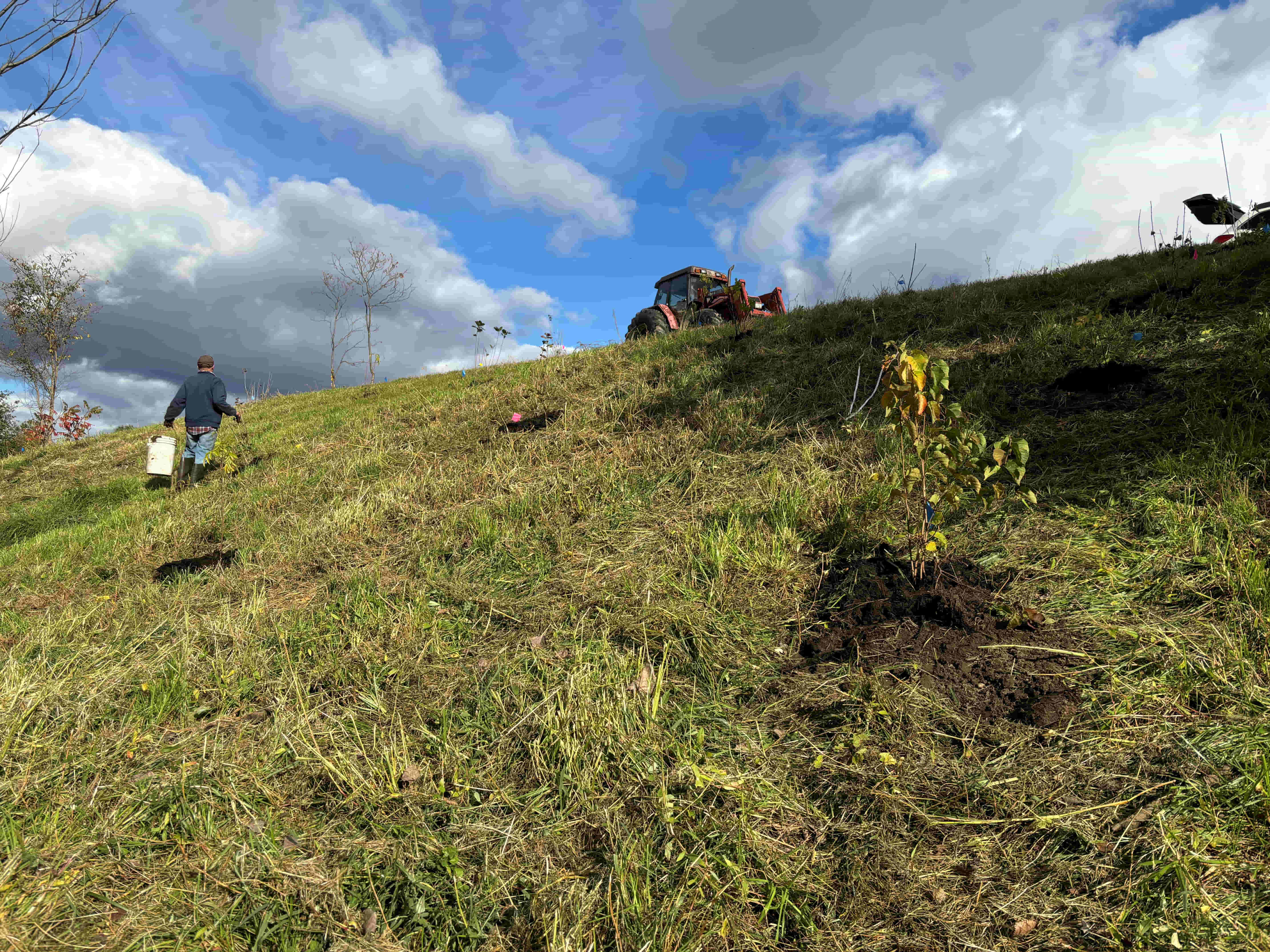
On a thin strip of land between two hayfields in Walpole, New Hampshire, a once-impenetrable wall of invasive plants is being transformed into pollinator-friendly hedgerow. Where bittersweet, honeysuckle, and multiflora rose once dominated, clover is now blooming, pollinators are returning, and the sunlight can actually reach the soil. This remarkable change has been fueled by the passion and persistent work of Holly and her family at Brookfield Farm, powered in part by a Regenerative Livestock Farming (RLF) microgrant from American Farmland Trust.
Lia Raz
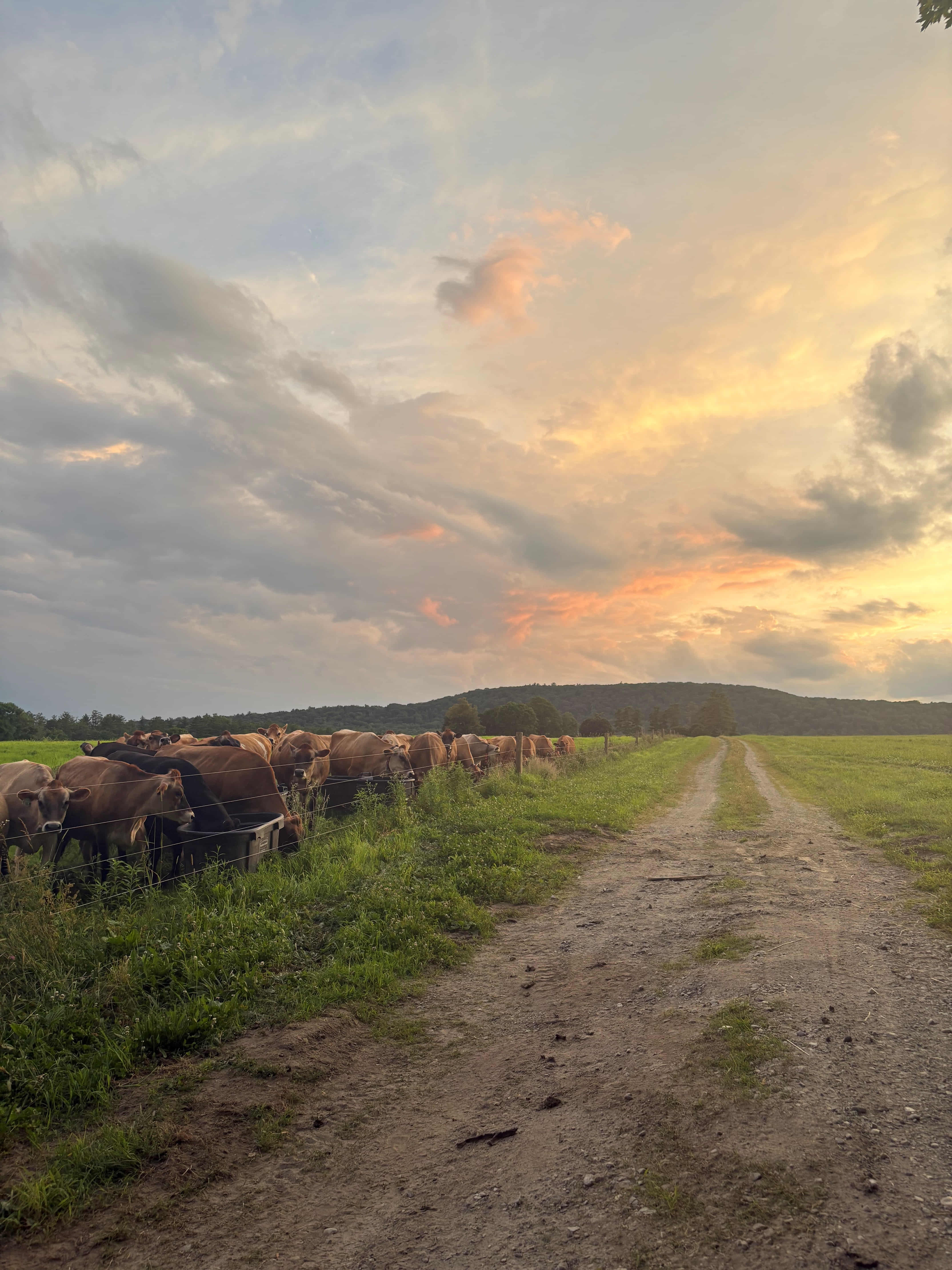
High Lawn Farm has been raising Jersey cows in Lee, Massachusetts, for over 100 years. The cows have always had access to pasture, but until recently, the farm relied on continuous grazing. That began to change when the farm received a Regenerative Livestock Farming (RLF) microgrant from American Farmland Trust. The funds helped them fence off 20 acres of previously idle land, giving their dry cows access to fresh, well-rested pasture—and creating space for true rotational grazing for the first time.
Lia Raz
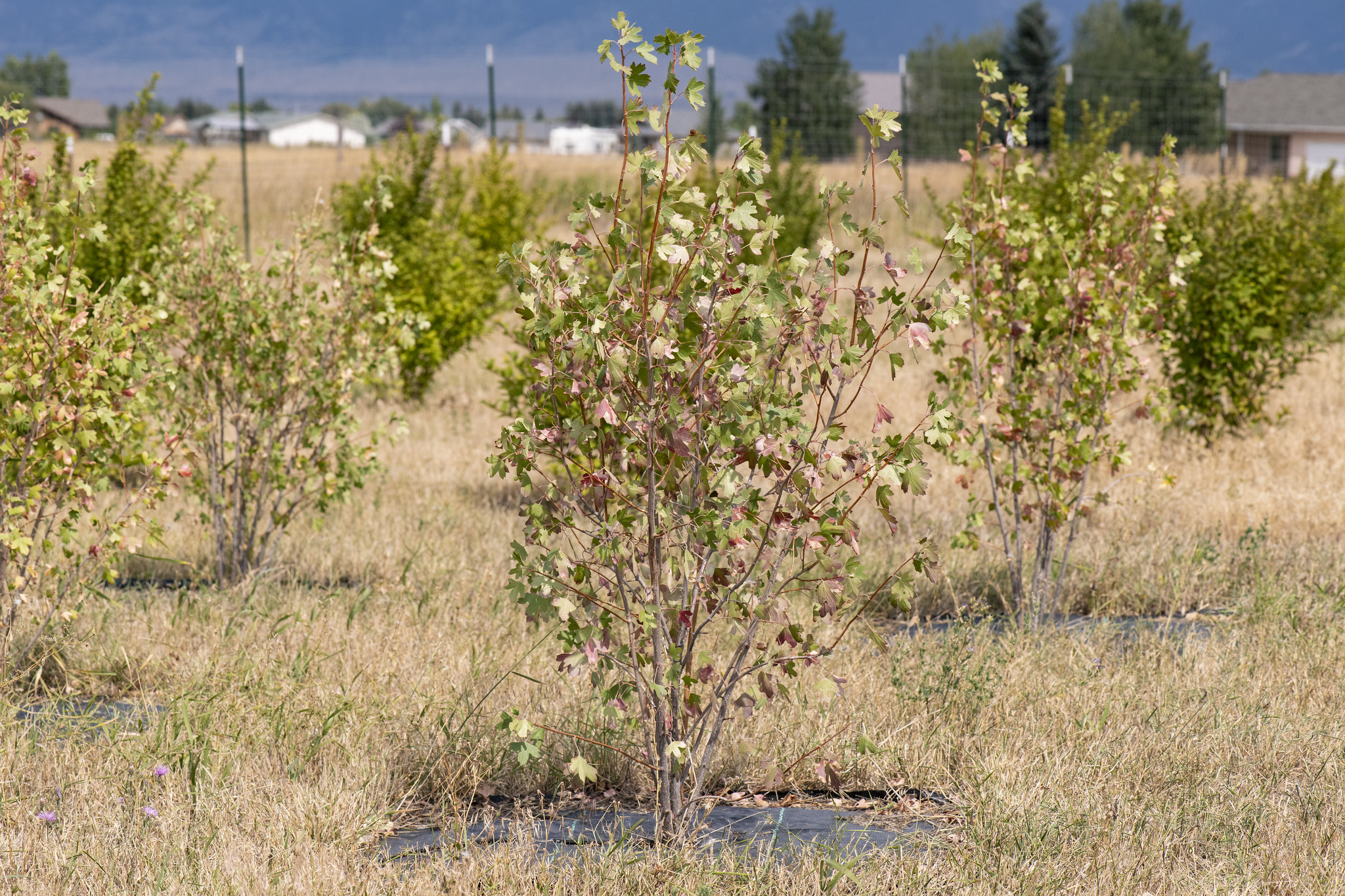
We dig deeper into one way of quantifying how well practices address the SWAPA-E resources concerns. We turn our attention to another set of three practices: Tree/Shrub Planting, Prescribed Grazing, and Conservation Cover
Michelle Perez, PhD

California policy wrap up for the 2025 legislative session.
.jpg)
There is a lot we can learn from a field by taking a closer look at the soil. For farmers and others who depend on the soil to produce, it’s standard to look outward for the best advice or most popular solutions to ensure the soil will behave accordingly. This search for the “best” or chasing new trends is inefficient and can lead to highly varied results. Before changing an agricultural management practice, like tillage or cover crops, or deciding what support might help, it is worth slowing down and asking what the soil is showing us.
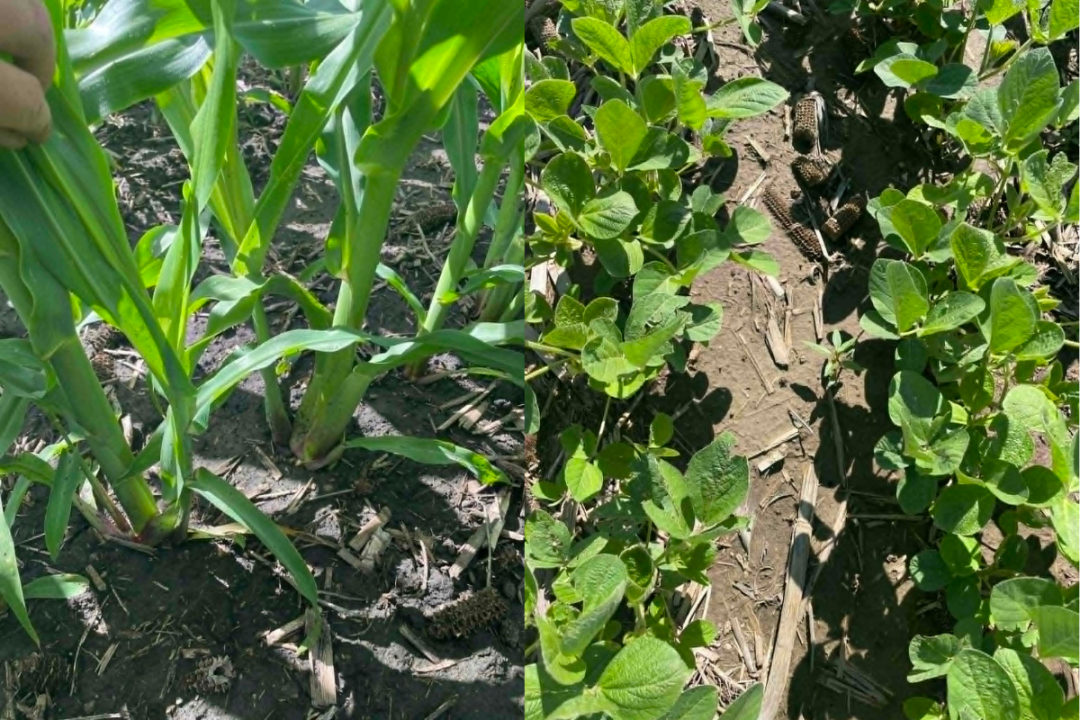
The following is a running field update based on what I’m seeing while scouting across my area—crop progress, field conditions, and anything that stands out week to week.
.png)
Indiana is paving over its future. Year over year, we lose nearly 29,000 acres of Hoosier farmland due to accelerating pressures from urban sprawl, large-scale industrial development, energy infrastructure, and technology facilities. Indiana’s fertile soils are one of the state’s most valuable and irreplaceable assets. Once they're gone, however, so are the farmers’ livelihoods, agricultural heritage, and long-term potential they represent. The time to act is now.
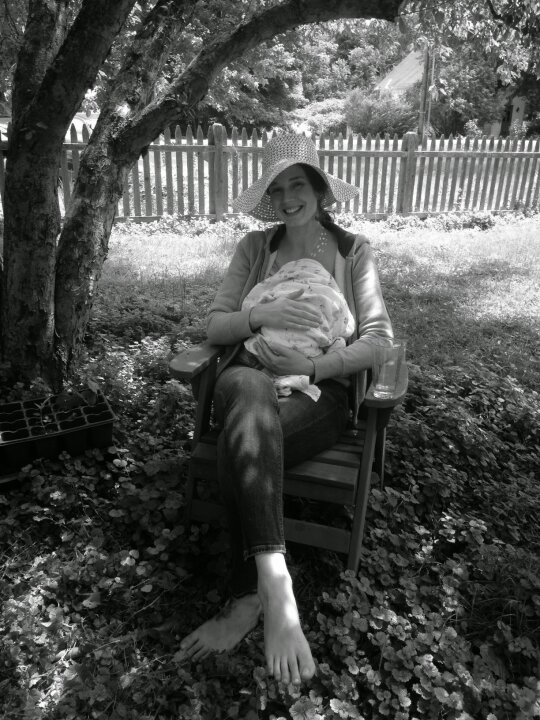
Meet Alissa White, Deputy Director of AFT New England, and discover how her passion for farming, soil health, conservation, and supporting farmers is helping build more resilient agricultural communities across New England.
The 18th annual AFMC runs Aug. 1 - Sept. 30 on markets.farmland.org. The event is a fun celebration that helps farmers markets across the country earn national recognition and local prestige. Markets can join the celebration and encourage their customers to vote, an excellent marketing tool and a pathway to winning a piece of the $15,000 prize pool.
New England had a mixed year for farmland this session — some real wins, some hard-fought compromises, and a few reminders of how much work is still ahead.
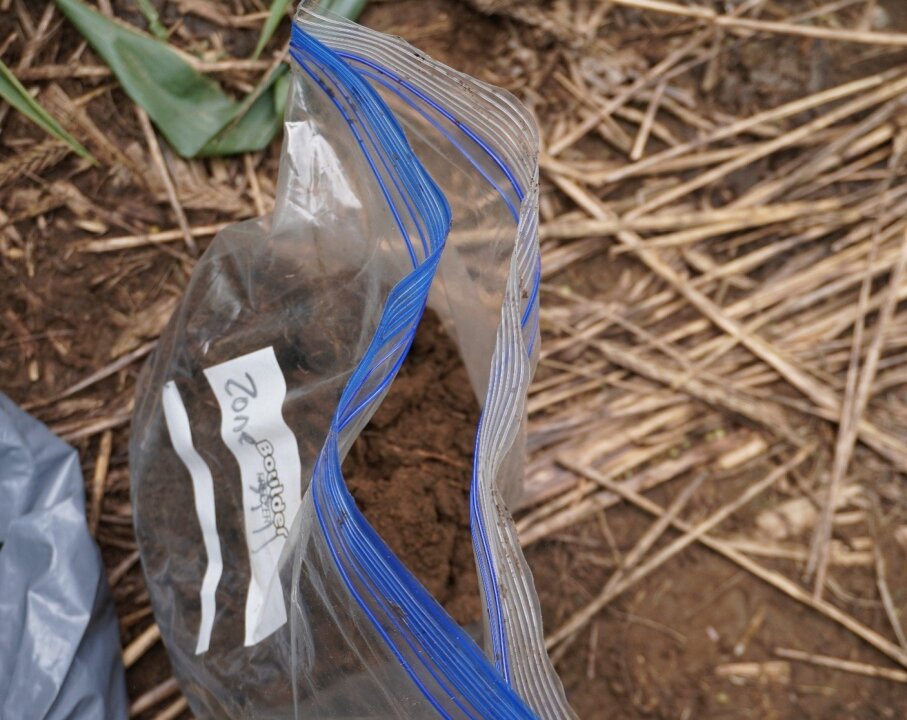
Learn how American Farmland Trust's latest research is helping shape more effective conservation planning, climate disaster relief, and soil health programs by centering farmers' experiences and expertise.
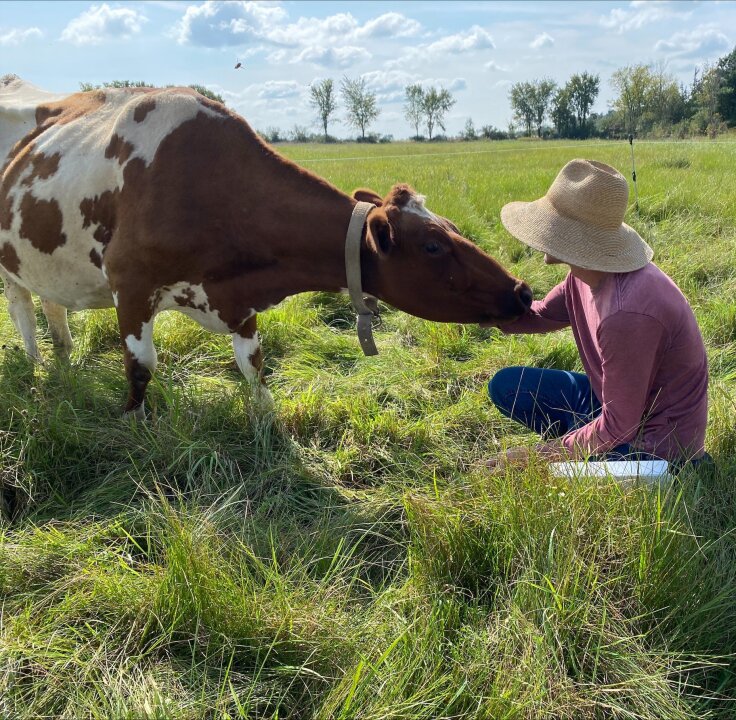
Discover how American Farmland Trust's Integrated Whole Farm Planning Pilot is helping New England livestock farmers strengthen farm viability through business planning, conservation support, succession planning, and peer networks that build long-term resilience.
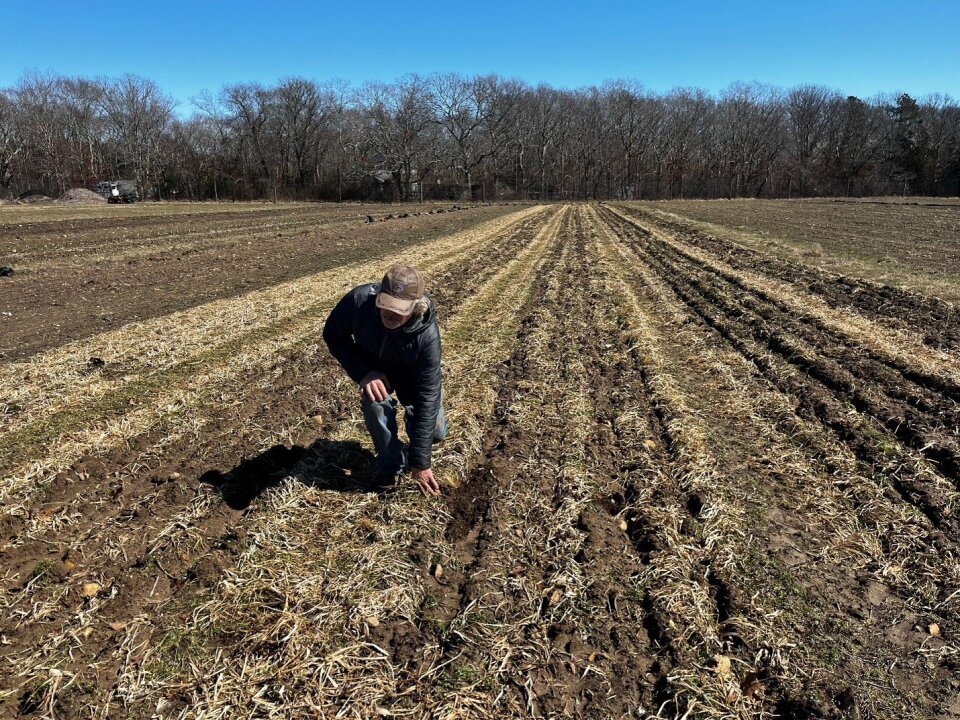
Discover how American Farmland Trust and Island Grown Initiative are advancing soil health through reduced tillage, biochar, and living clover trials.
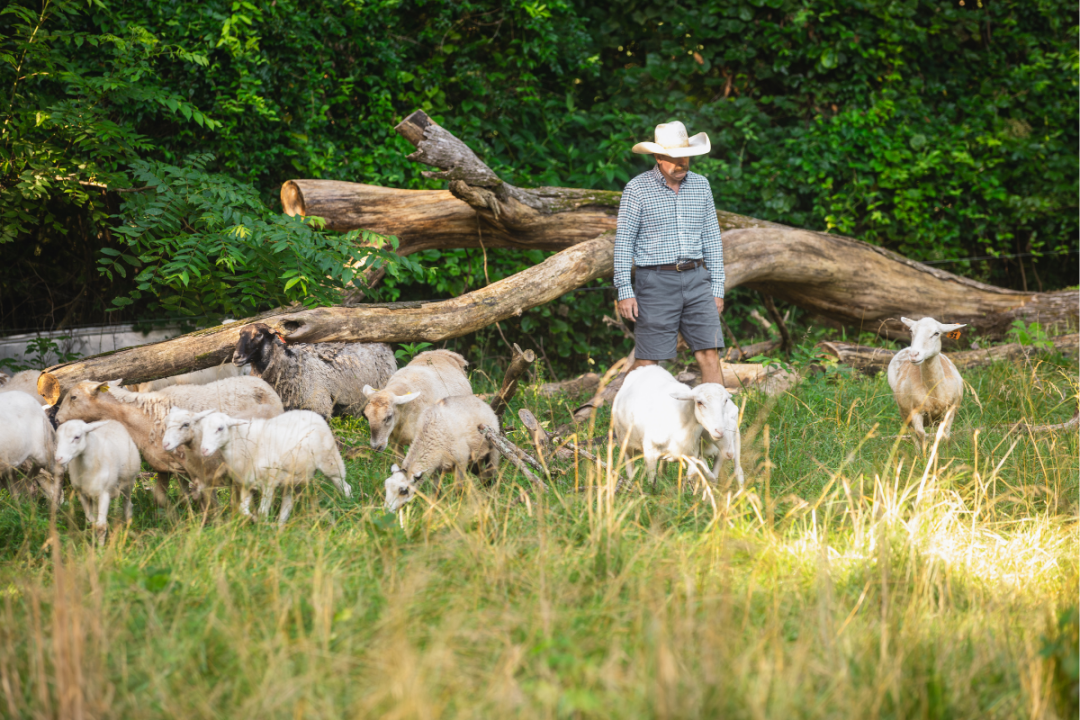
Learn more on how Brad Buttrey helps farmers implement conservation practices that enhance soil health, improve water quality, and support human and non-human communities in Tennessee.
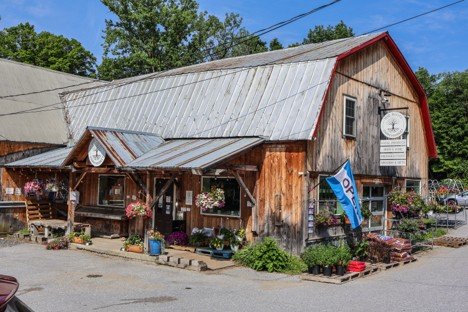
Bear Roots Farm in central Vermont is building climate resilience through diversified farming, perennial crops, soil health practices, and community support. Learn how this innovative farm is adapting to extreme weather while strengthening its business and local food system.
.jpg)