
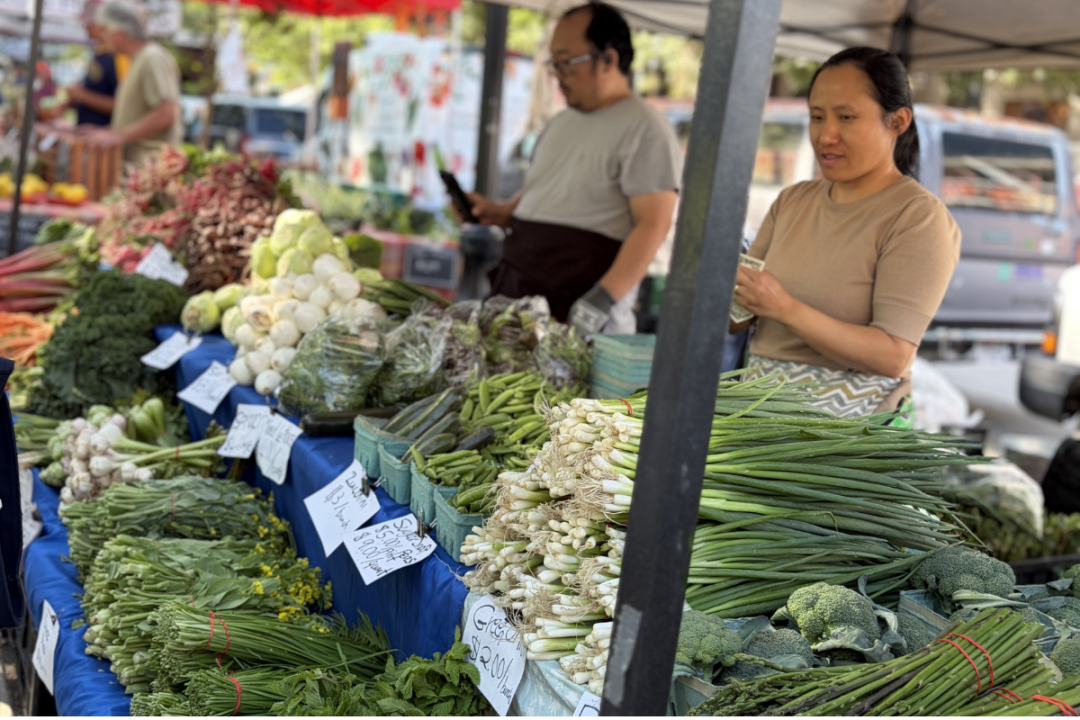
The 18th annual AFMC runs Aug. 1 - Sept. 30 on markets.farmland.org. The event is a fun celebration that helps farmers markets across the country earn national recognition and local prestige. Markets can join the celebration and encourage their customers to vote, an excellent marketing tool and a pathway to winning a piece of the $15,000 prize pool.
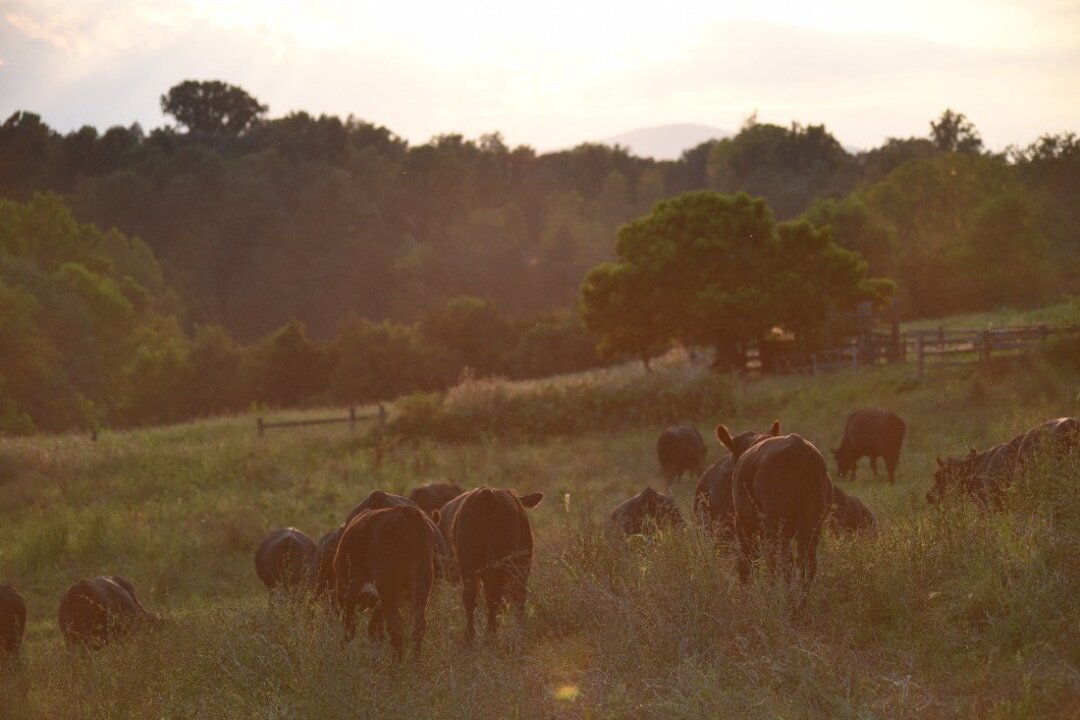
AFT’s Beef Grazing Network is launching a redesigned Beef Producer Economic Resilience Initiative, now part of USDA’s Advancing Markets for Producers program.

The Farm Bill discussion draft text released this week by Chairman Boozman would make critical improvements to USDA conservation programs to better serve farmers, ranchers, and landowners.
AFT Applauds Introduction of the Bipartisan American Food Supply Chain Resiliency Act
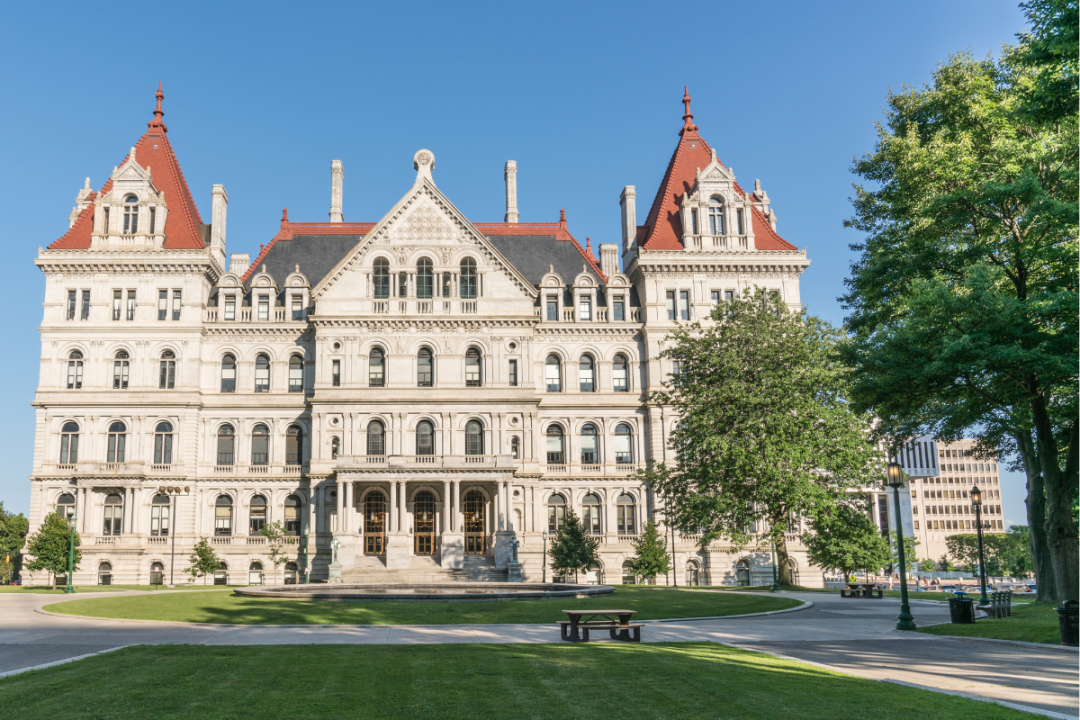
American Farmland Trust (AFT) applauds Governor Kathy Hochul and the New York State Legislature for enacting a final FY 2026–27 state budget that delivers meaningful, sustained investments in farmland protection, farm viability, climate resilience, and local food systems across New York.
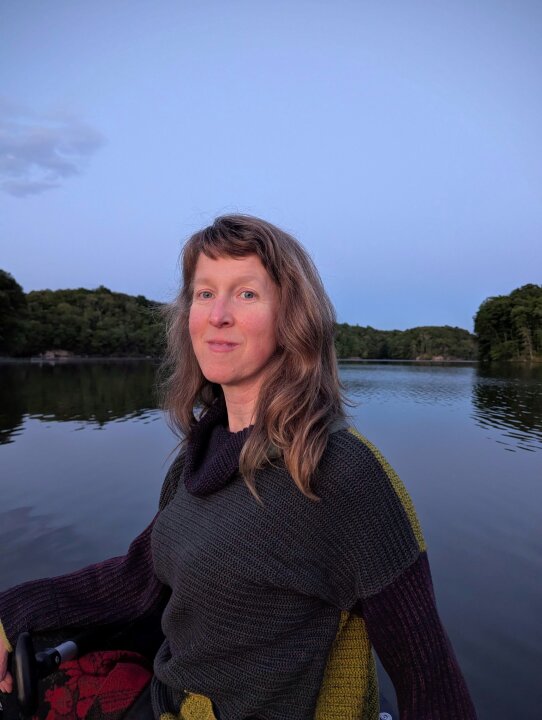
American Farmland Trust has named Julia Valliant as Director of the national Farms for a New Generation team, where she will lead efforts to increase access to land and capital for the rising generation of farmers and ranchers and support elder farmers and landowners in transferring their farms with dignity and confidence.

New England had a mixed year for farmland this session — some real wins, some hard-fought compromises, and a few reminders of how much work is still ahead.
AFT Applauds Introduction of the Bipartisan American Food Supply Chain Resiliency Act
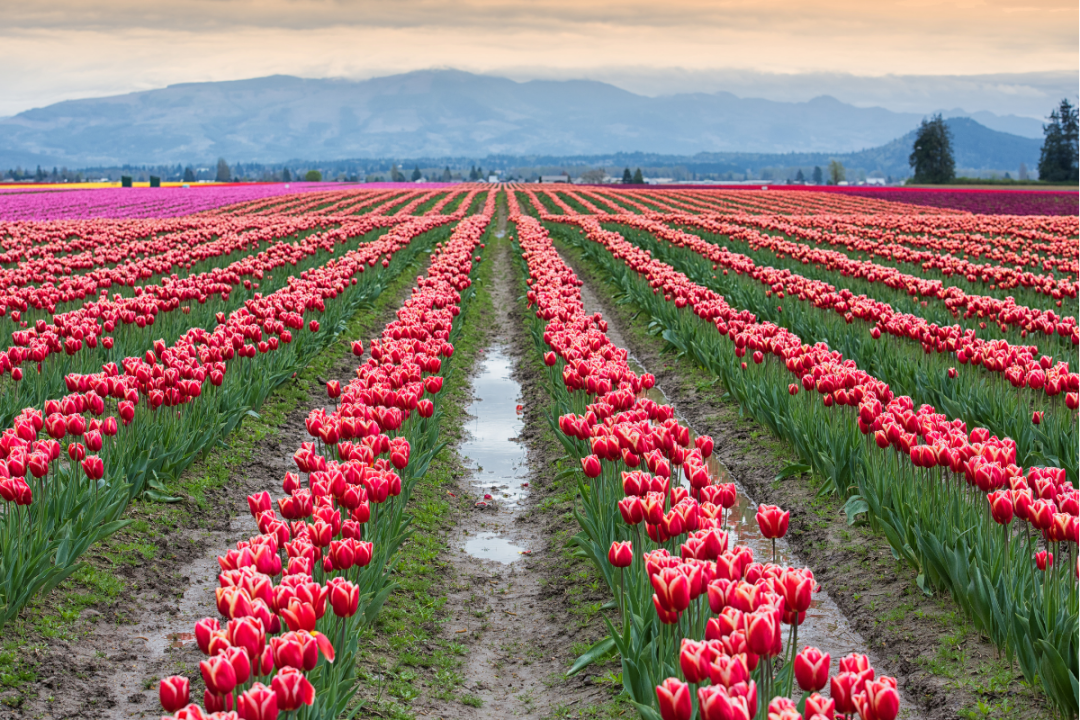
Highlighting a recent policy update that offers a perspective on our work to advance farmland protection and support agricultural viability across Washington State in 2026.
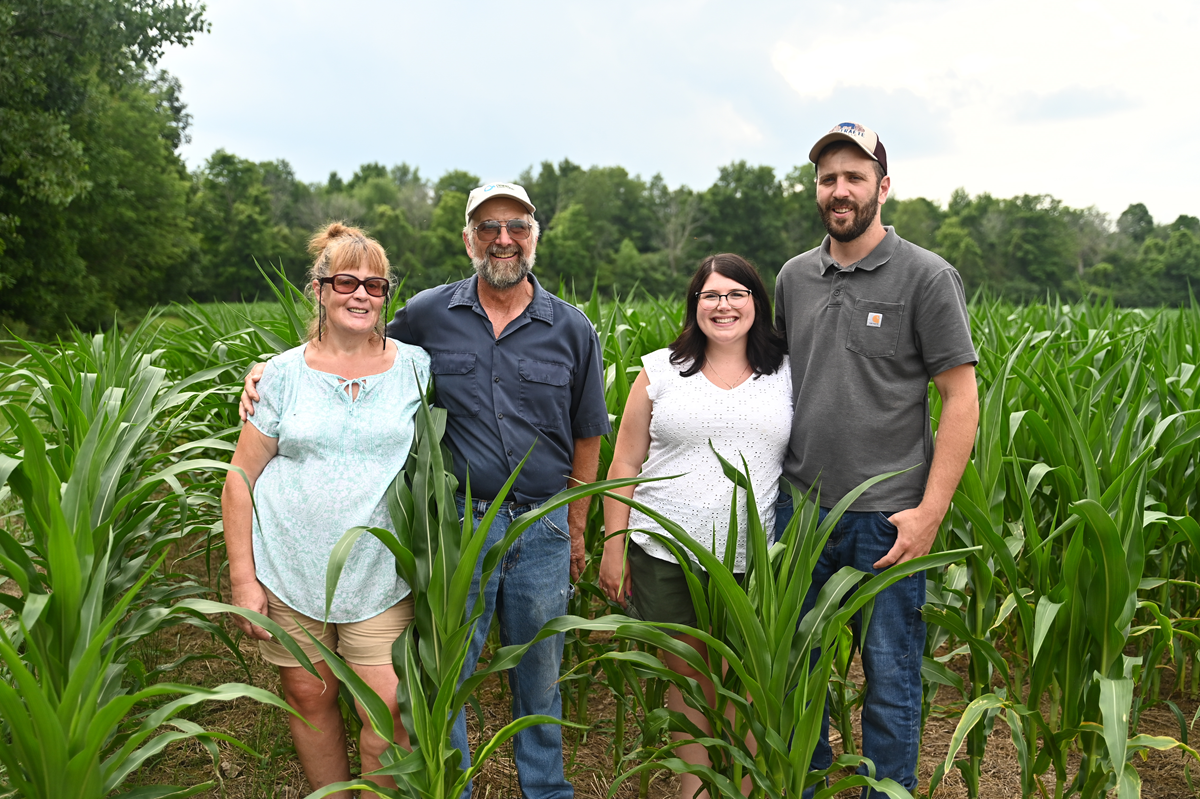
The Goodell family had continuously farmed 275 acres for over 100 years, but the final generation had to get creative to find a successor.
Olivia Fuller
.jpg)
Regenerative grazing practices in Texas enhance watershed health by rotating livestock across pastures, these methods improve soil structure, increase water infiltration, and reduce runoff, leading to cleaner waterways and more resilient ecosystems.
Amanda Henderson
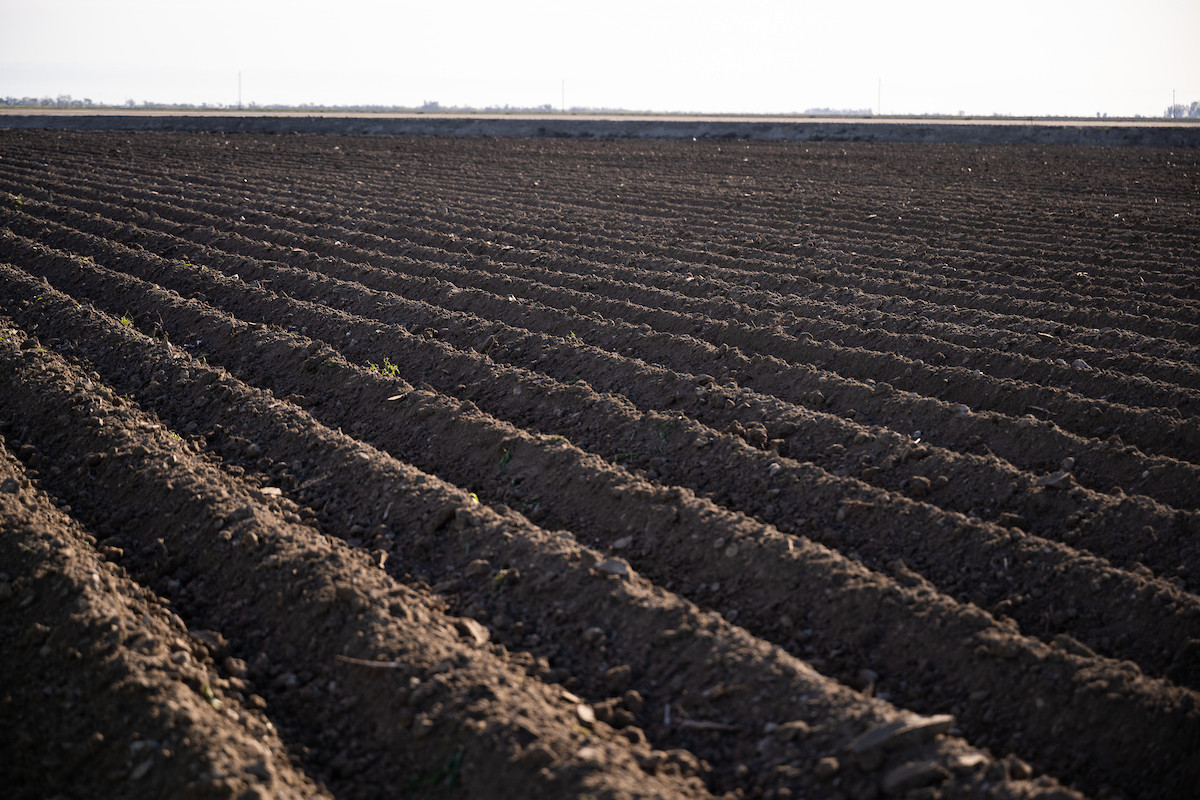
AFT's Bonnie McGill is excited about this nutrient-density movement and how it connects to all the great work we’re already doing with farmers across the country to build soil health and further, healthy food.
Bonnie McGill
.jpg)
Hear from AFT’s Smart Solar Program Coordinator on efforts to define agrivoltaics and encourage thoughtful policy and project design to benefit farmers, energy production, and land stewardship in California and Colorado.
.png)
Since January, AFT has been planting seeds for improved agricultural policy across the Midwest. This blog is part of a three-part series spotlighting our work in Illinois, Wisconsin, and Indiana.
.jpg)
During this past Women’s History Month, AFT collaborated with local partners in Northern Illinois to host events focused on farmland succession planning, sharing resources to empower women farmers and landowners to guide their land or family farm transition to the next generation.
.png)
Read on to learn what we’ve been up to in Indiana, what we’re working on now, and an action you can take to support better food and farm policy in your state!
.png)
This blog is part of a three-part series spotlighting our work in Illinois, Wisconsin, and Indiana. Read on to learn what we’ve been up to in Wisconsin, what we’re working on now, and an action you can take to support better food and farm policy in your state!
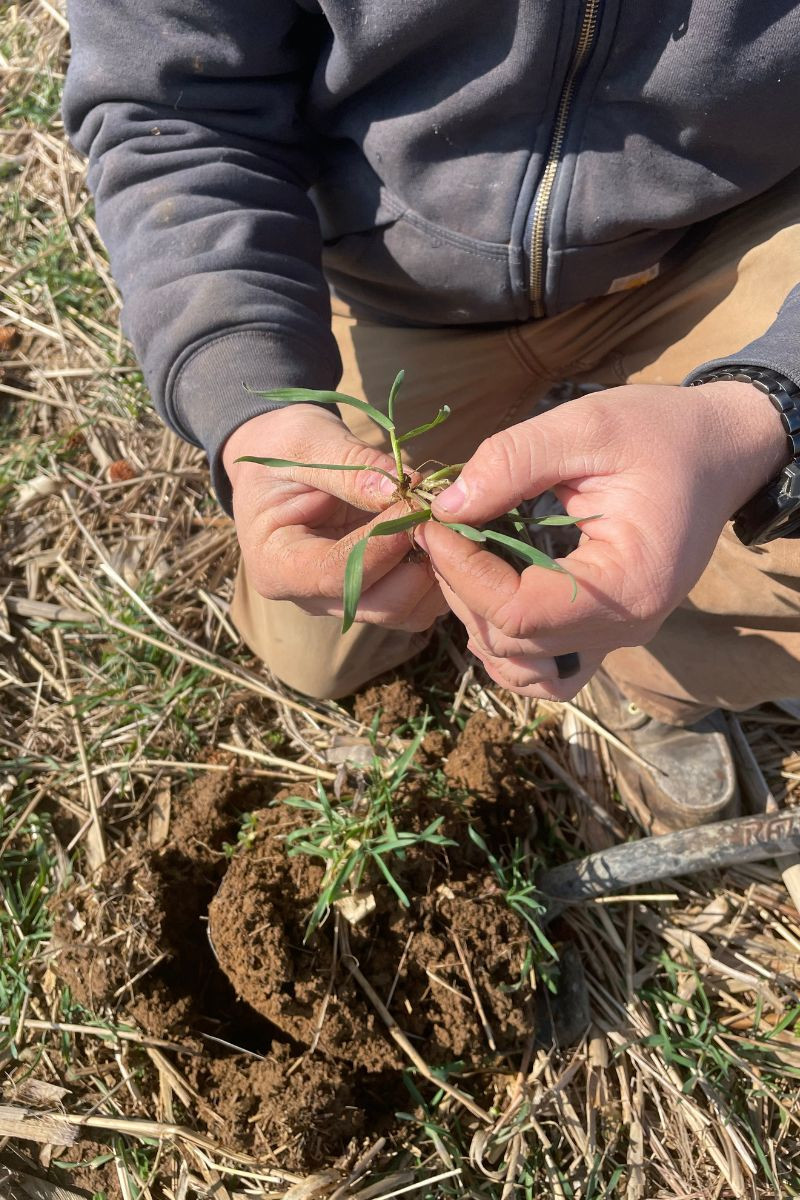
I recently spent time traveling and visiting Kentucky farmers growing rye as part of AFT's Kentucky Rye Cereal Crop Initiative.
Brian Brandt
.jpg)
AFT's New York Farmland Access Fund aims to holistically address land access and affordability challenges in New York.
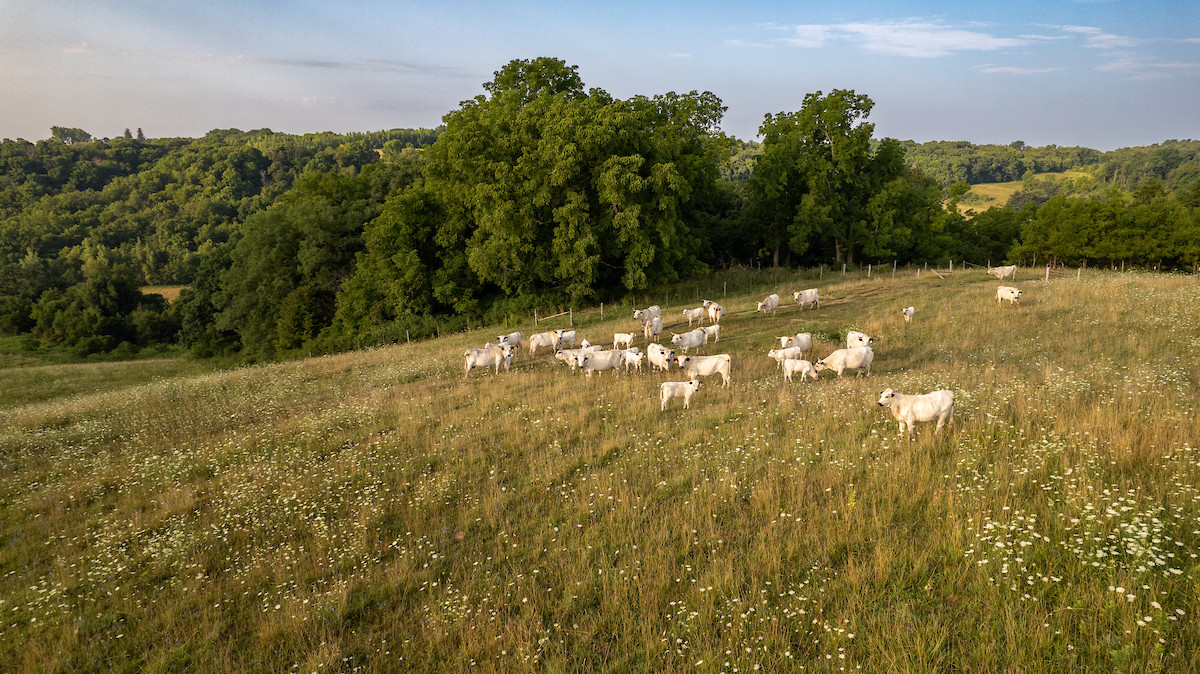
Our AFT staff, Rachel, Floréal, and Marlee reflect on their experiences from the recent Marbleseed Organic Conference in February 2025 and the topic of embracing slowness as a strategy to commit to a larger vision of a sustainable future.
.jpg)
There is a lot we can learn from a field by taking a closer look at the soil. For farmers and others who depend on the soil to produce, it’s standard to look outward for the best advice or most popular solutions to ensure the soil will behave accordingly. This search for the “best” or chasing new trends is inefficient and can lead to highly varied results. Before changing an agricultural management practice, like tillage or cover crops, or deciding what support might help, it is worth slowing down and asking what the soil is showing us.
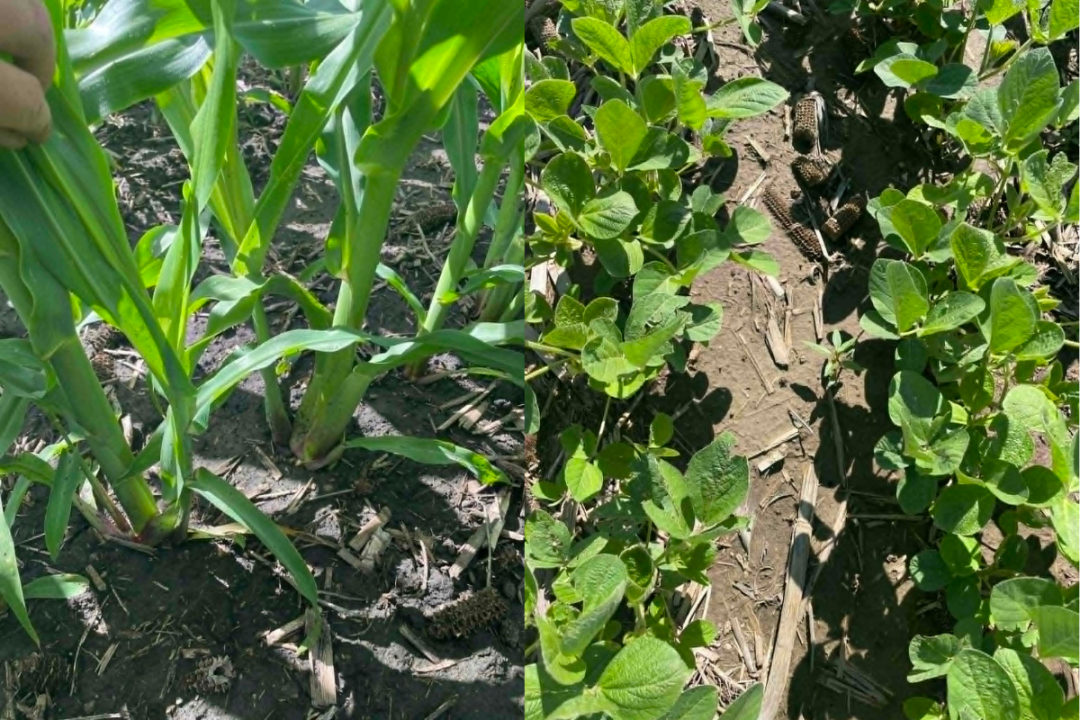
The following is a running field update based on what I’m seeing while scouting across my area—crop progress, field conditions, and anything that stands out week to week.
.png)
Indiana is paving over its future. Year over year, we lose nearly 29,000 acres of Hoosier farmland due to accelerating pressures from urban sprawl, large-scale industrial development, energy infrastructure, and technology facilities. Indiana’s fertile soils are one of the state’s most valuable and irreplaceable assets. Once they're gone, however, so are the farmers’ livelihoods, agricultural heritage, and long-term potential they represent. The time to act is now.
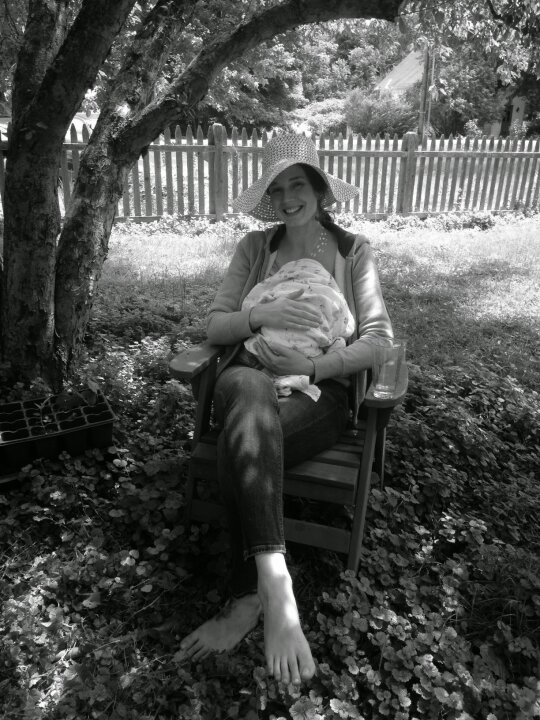
Meet Alissa White, Deputy Director of AFT New England, and discover how her passion for farming, soil health, conservation, and supporting farmers is helping build more resilient agricultural communities across New England.
The 18th annual AFMC runs Aug. 1 - Sept. 30 on markets.farmland.org. The event is a fun celebration that helps farmers markets across the country earn national recognition and local prestige. Markets can join the celebration and encourage their customers to vote, an excellent marketing tool and a pathway to winning a piece of the $15,000 prize pool.
New England had a mixed year for farmland this session — some real wins, some hard-fought compromises, and a few reminders of how much work is still ahead.
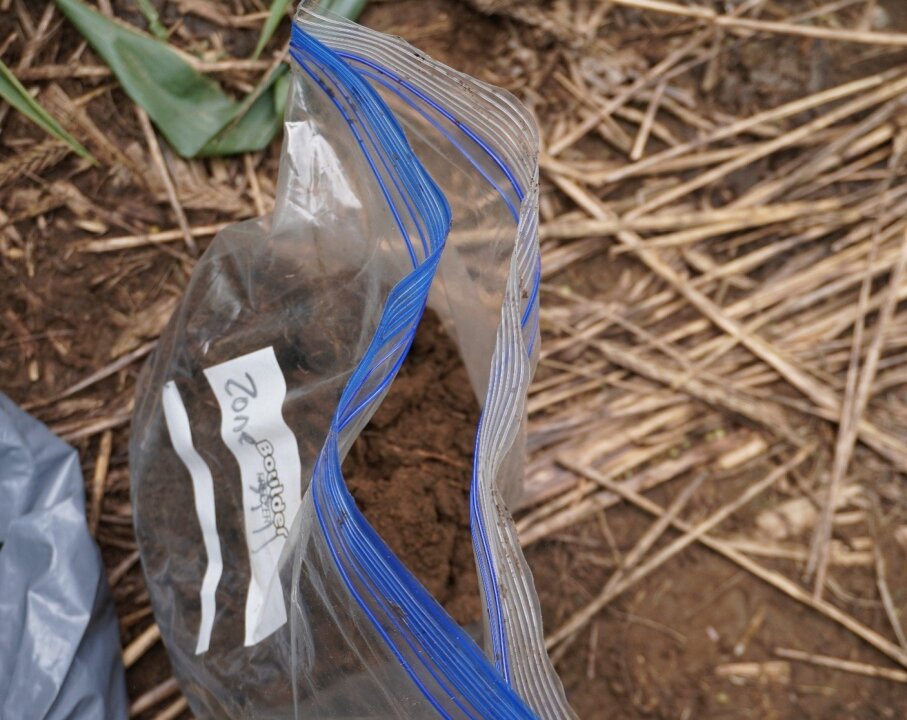
Learn how American Farmland Trust's latest research is helping shape more effective conservation planning, climate disaster relief, and soil health programs by centering farmers' experiences and expertise.
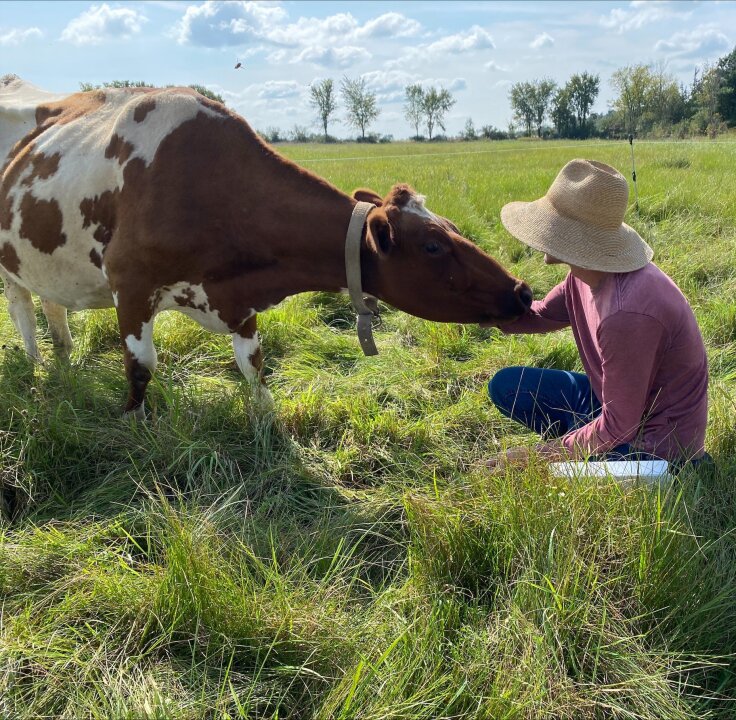
Discover how American Farmland Trust's Integrated Whole Farm Planning Pilot is helping New England livestock farmers strengthen farm viability through business planning, conservation support, succession planning, and peer networks that build long-term resilience.
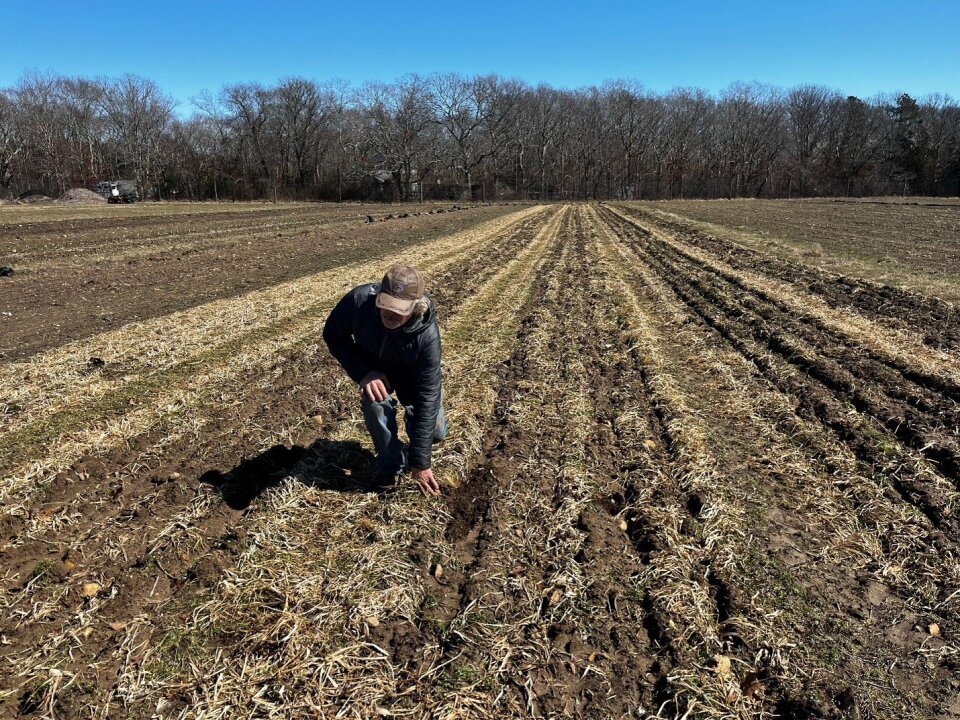
Discover how American Farmland Trust and Island Grown Initiative are advancing soil health through reduced tillage, biochar, and living clover trials.
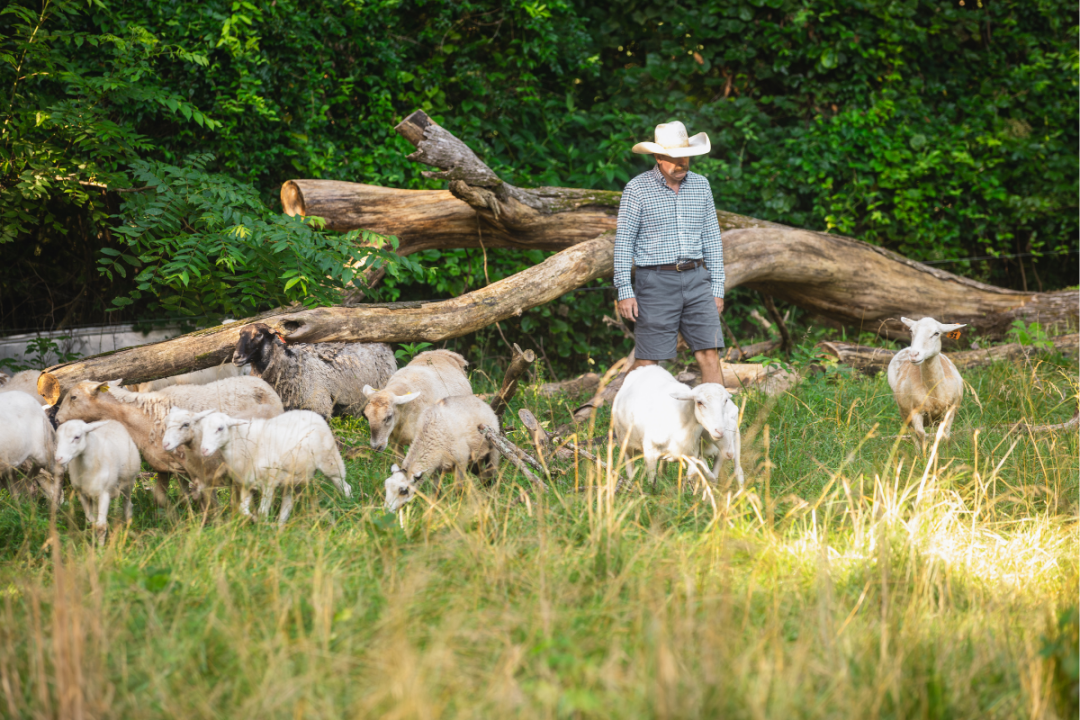
Learn more on how Brad Buttrey helps farmers implement conservation practices that enhance soil health, improve water quality, and support human and non-human communities in Tennessee.
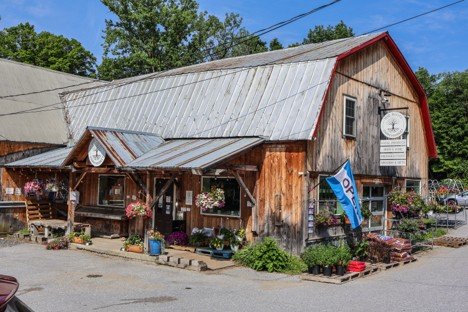
Bear Roots Farm in central Vermont is building climate resilience through diversified farming, perennial crops, soil health practices, and community support. Learn how this innovative farm is adapting to extreme weather while strengthening its business and local food system.
.jpg)