
AFT Applauds Introduction of the Bipartisan American Food Supply Chain Resiliency Act
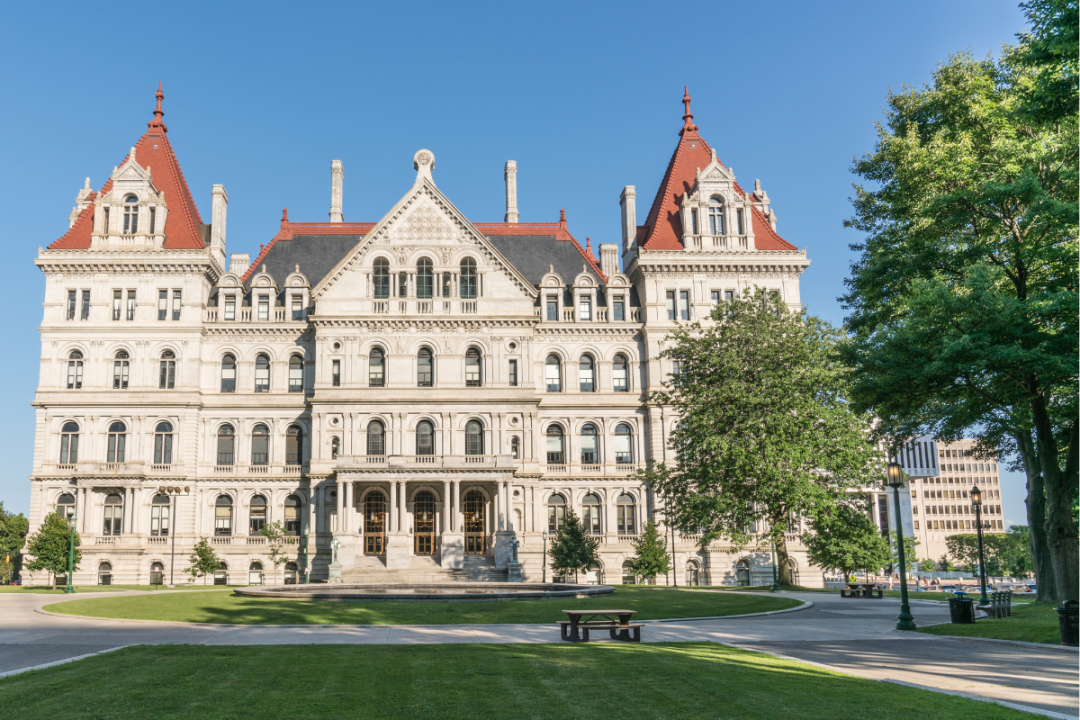
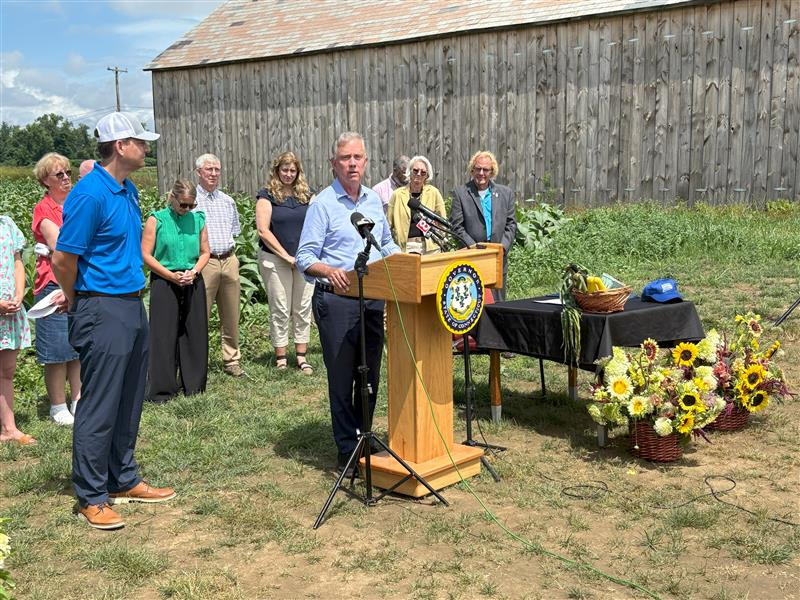
American Farmland Trust (AFT) applauds Governor Kathy Hochul and the New York State Legislature for enacting a final FY 2026–27 state budget that delivers meaningful, sustained investments in farmland protection, farm viability, climate resilience, and local food systems across New York.
American Farmland Trust has named Julia Valliant as Director of the national Farms for a New Generation team, where she will lead efforts to increase access to land and capital for the rising generation of farmers and ranchers and support elder farmers and landowners in transferring their farms with dignity and confidence.
AFT Applauds Introduction of the Bipartisan American Food Supply Chain Resiliency Act
Highlighting a recent policy update that offers a perspective on our work to advance farmland protection and support agricultural viability across Washington State in 2026.
Discover how a dedicated Wisconsin farming couple overcame land access challenges to build a thriving, community-focused farm with the help of innovative programs and partnerships. This inspiring story highlights resilience, sustainable agriculture, and the journey from renting land to achieving long-term farm ownership.
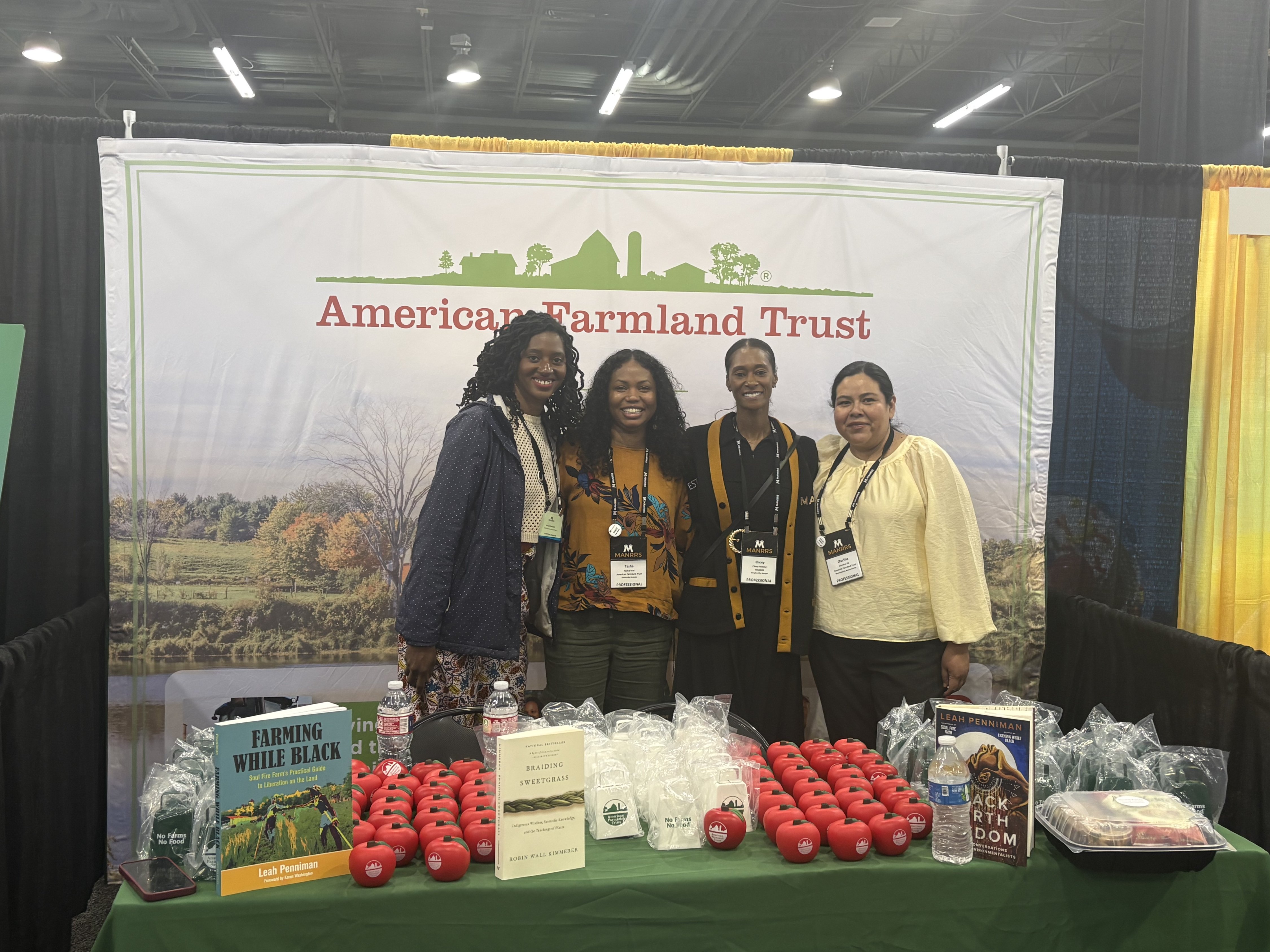
In April, three AFT staff celebrated MANRRS’ 40th year at their “Leadership to Legacy Annual Training Conference and Career Expo” in Dallas, Texas. AFT’s Anel Trujillo, Nicole Gwishiri, and Tasha Wei hosted hands-on trainings and a booth at the conference career expo, which was attended by conference founders and thousands of students from across the country.
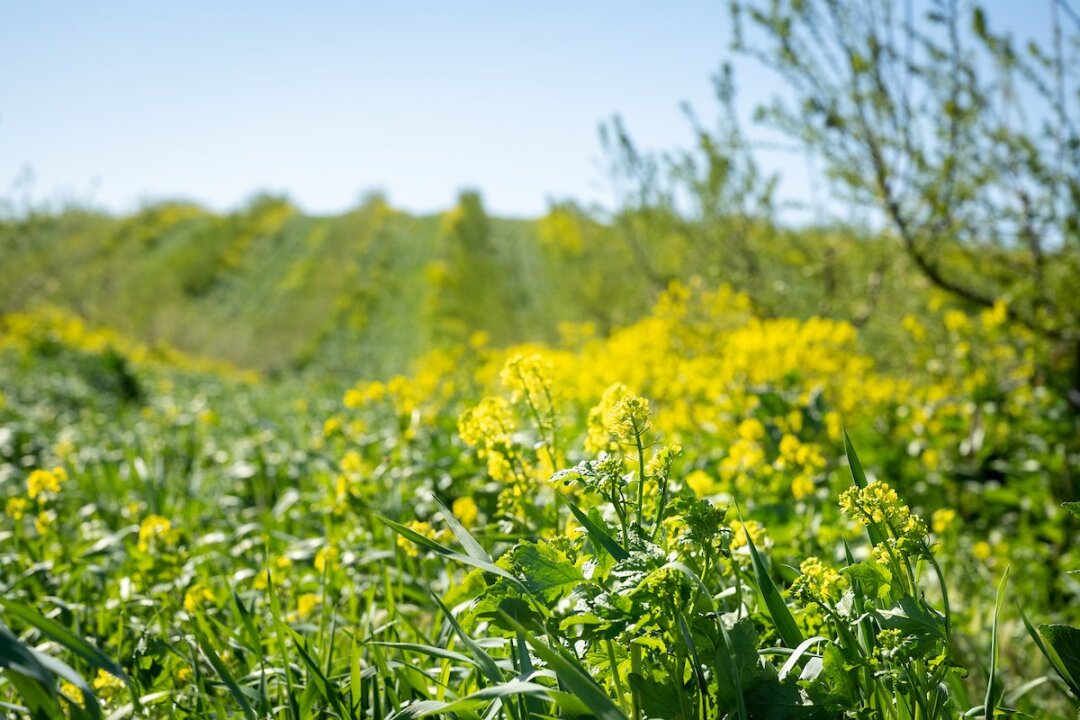
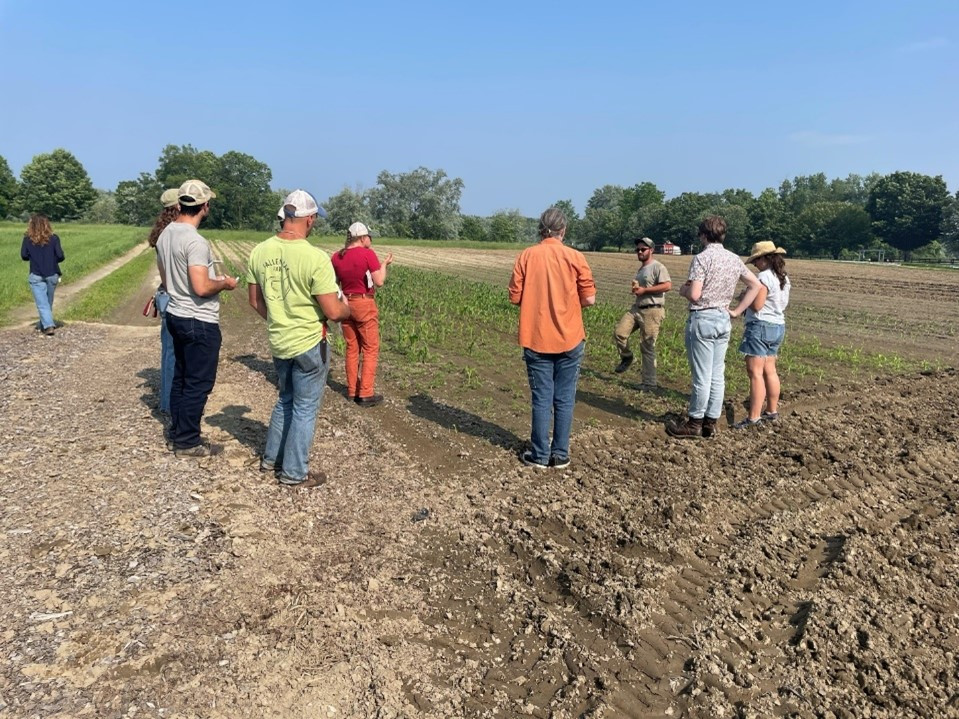
Farmers and farm workers gathered to discuss cover cropping strategies at Sungrounded Farm in the high desert of Terrebonne, Oregon, this past March.
Agricultural producers and advisors are working together to navigate generational farm transitions.
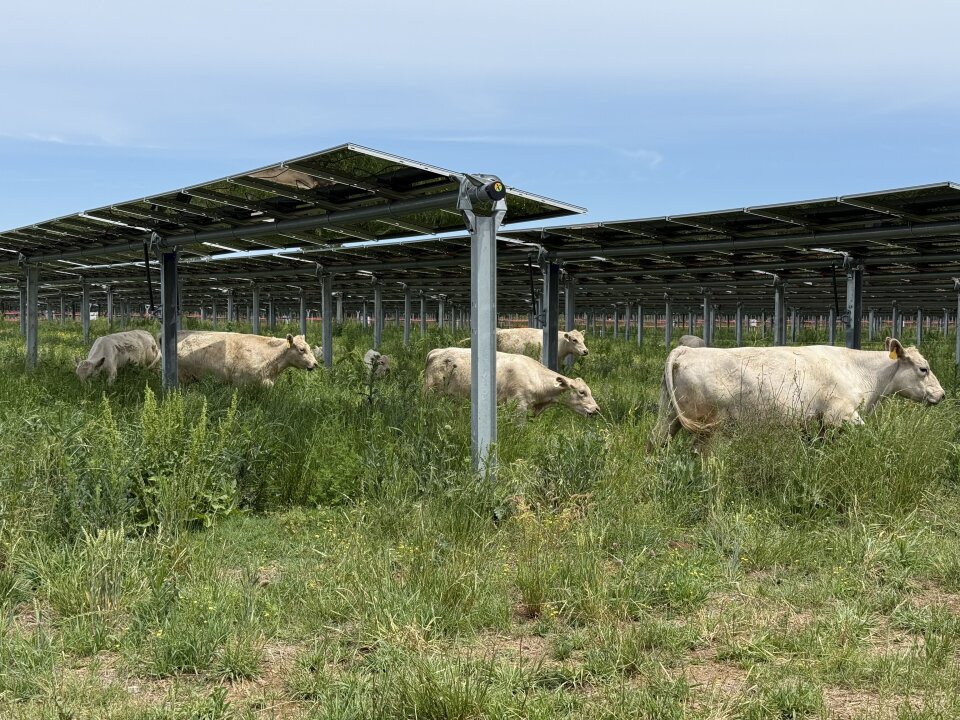
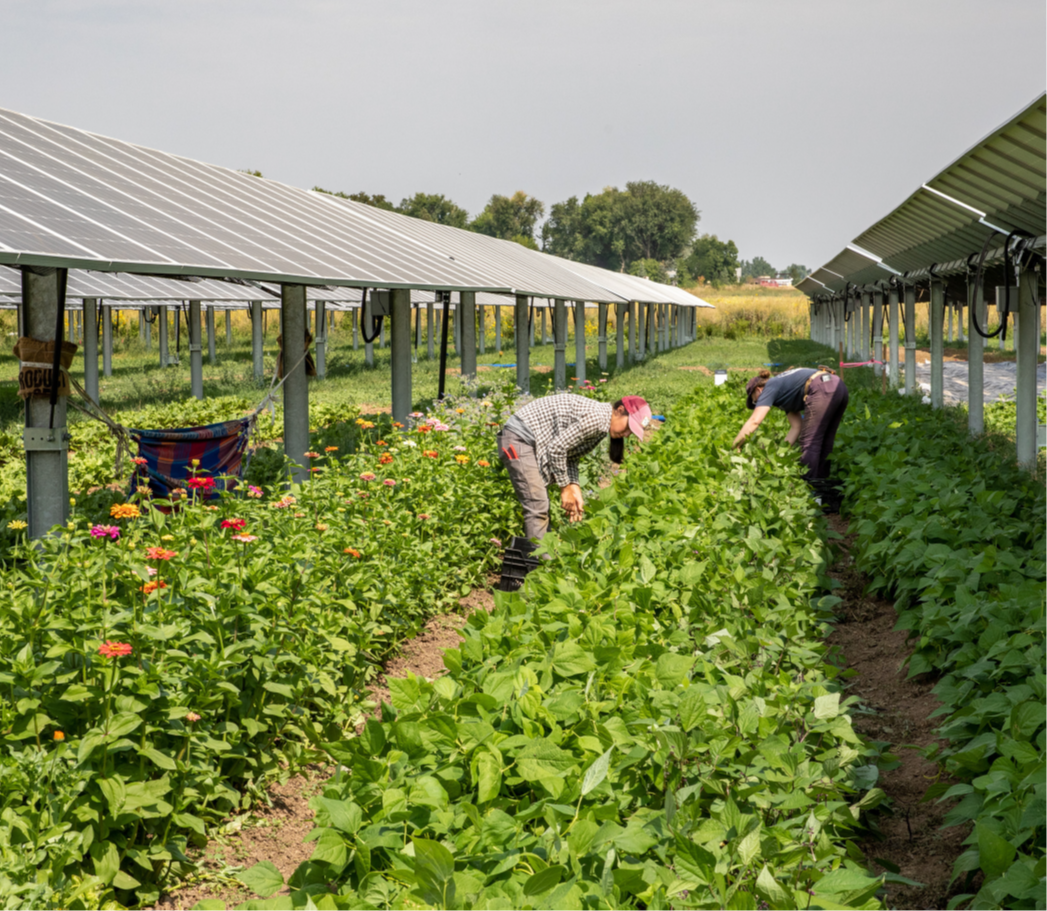
Colorado is testing whether food and energy can truly grow together — from vineyard agrivoltaics at CSU to the first commercial fruit-orchard project at Talbott Farms. Four takeaways from 1,000 miles of conversations with farmers, co-ops, and county officials on what it will take to scale.
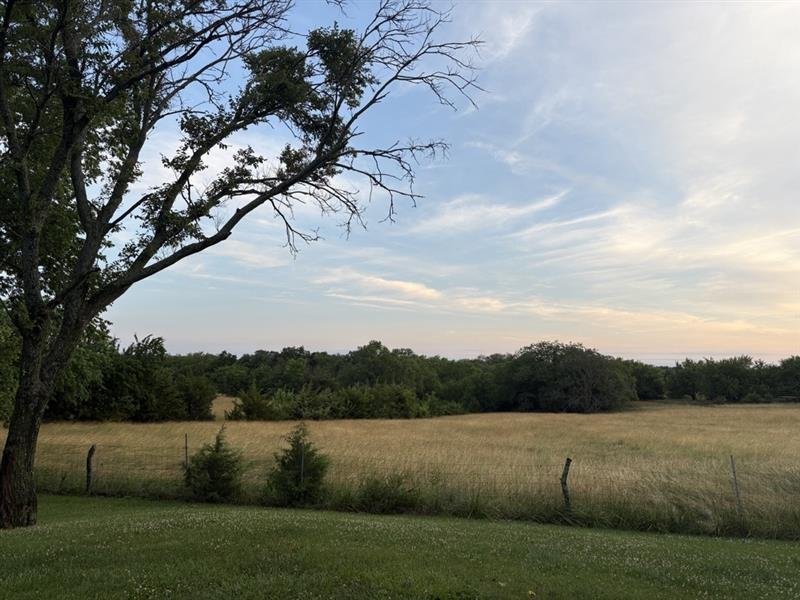
I grew up in Illinois, and here you learn to notice what I like to refer to as “little” nature. Little nature doesn’t demand your attention in the same way as more dramatic and grand landscapes; you have to give it your attention. You see little nature in the evolution of prairie flowers across the seasons, in the subtle differences between the bee species that pollinate them, or in the hidden life of a creek bed. These are things you come to understand over time by paying attention.
Prosperity Partners, American Farmland Trust's fee-for-service program, is expanding its agricultural engineering services in the Northeast. And this April, we're hosting three free webinars to show farmers, land trusts, and nonprofits what's now possible.
Those of us in conservation agriculture talk a lot about scaling the adoption of cover crops and conservation tillage in the US
Biochar — a carbon-rich material made by heating organic matter in a low-oxygen environment — has emerged as a potential tool for building soil organic matter, improving water retention, and storing carbon long-term. But for many farmers, biochar still feels more like a research concept than a practical option.
The Midwest begins to thaw, hinting at the next growing season, and the American Farmland Trust Midwest team is out in the field listening, learning, and educating. From late winter to early spring, our staff meets with farmers, landowners, and partners across the Midwest to dig into the topics that matter most—protecting our farmland, keeping farmers on the land, and promoting sound agriculture practices. Here’s a look at where we’ve been and at what’s coming up in Spring 2026.
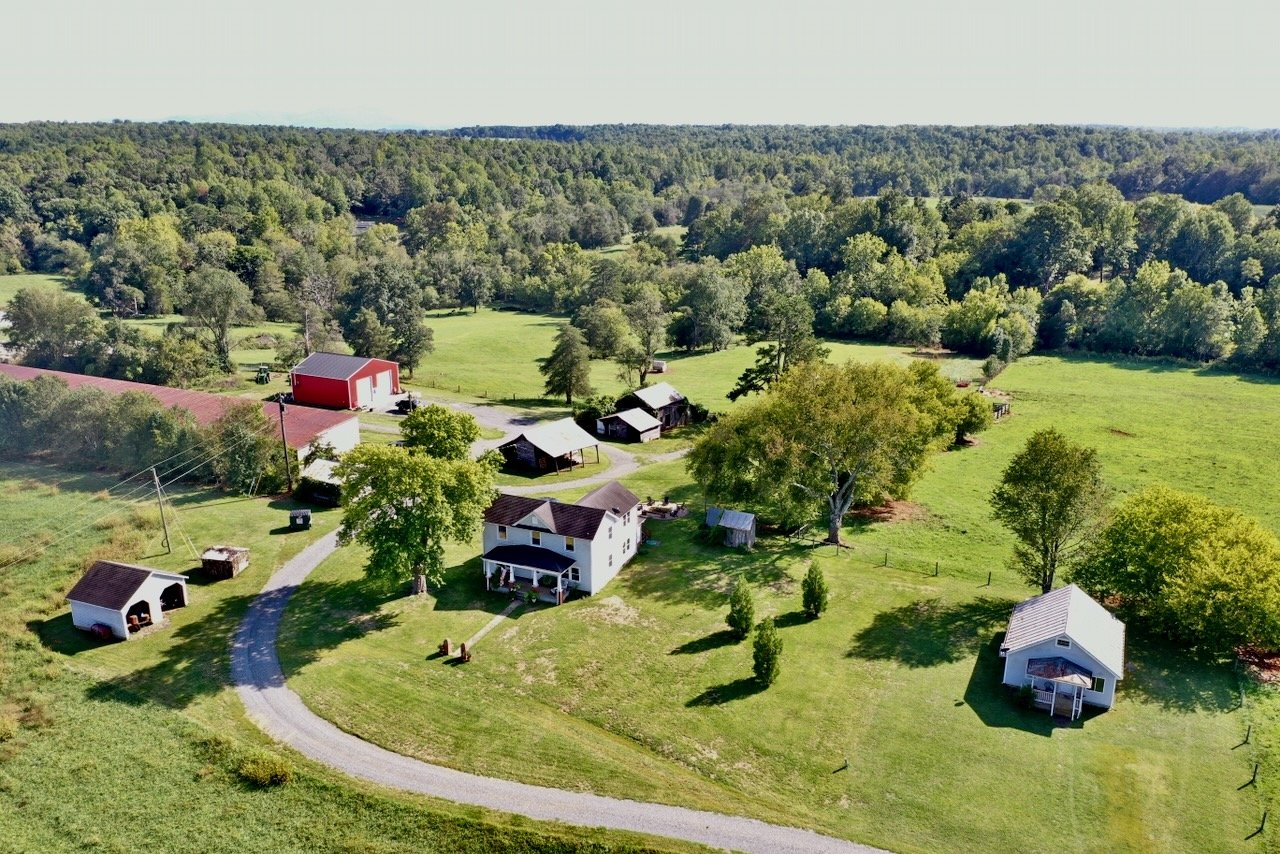
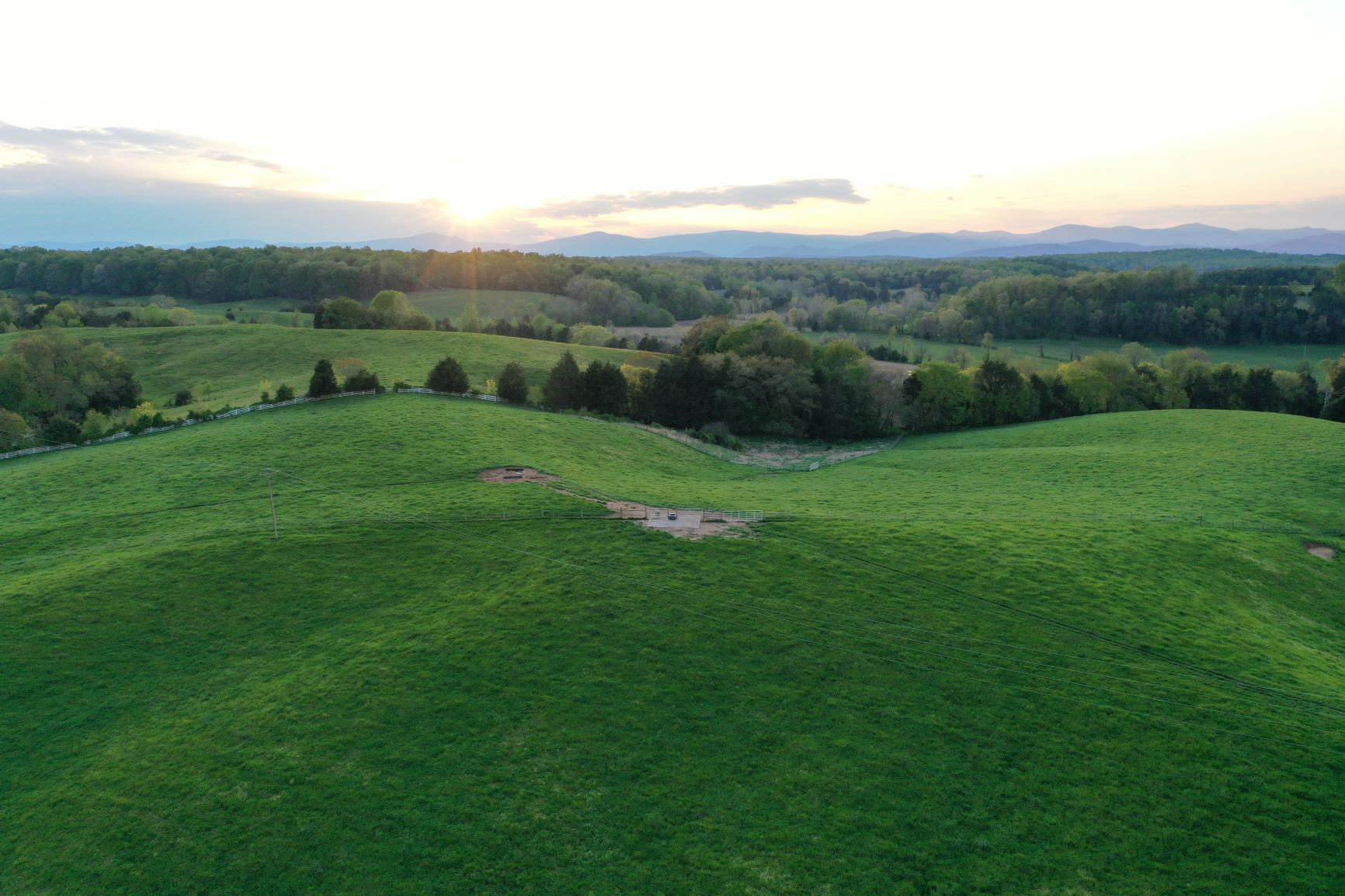
Sarah J. Morton is redefining what it means to lead a family farm in central Virginia by combining her deep agricultural expertise with a powerful vision for community, culture, and conservation.
Nicole Gwishiri
There’s nothing like a good read to slow down the season. And there’s nothing better than a trusted recommendation from someone who really knows the book.
The AMP redesign and reconciliation bill present a critical opportunity to strengthen conservation programs that support farmers and ranchers in adopting practices proven to enhance soil health, improve water and air quality, and boost farm profitability. AFT’s analysis shows that continued investment in conservation initiatives like cover crops, reduced tillage, and nutrient management yields both environmental and economic benefits, making them essential to long-term agricultural sustainability.
Michelle Perez, PhD
From June 15 - July 15, 2025, post a photo of your #NoFarmsNoFood bumper sticker on Instagram for a chance to win merch!
Maggie Thomas
Can you name one of the Seven Wonders of the World? It’s a bit of a trick question, because it turns out there are multiple different lists. It makes sense … why limit the wonders to just seven?
Jean Brokish
The Goodell family had continuously farmed 275 acres for over 100 years, but the final generation had to get creative to find a successor.
Olivia Fuller
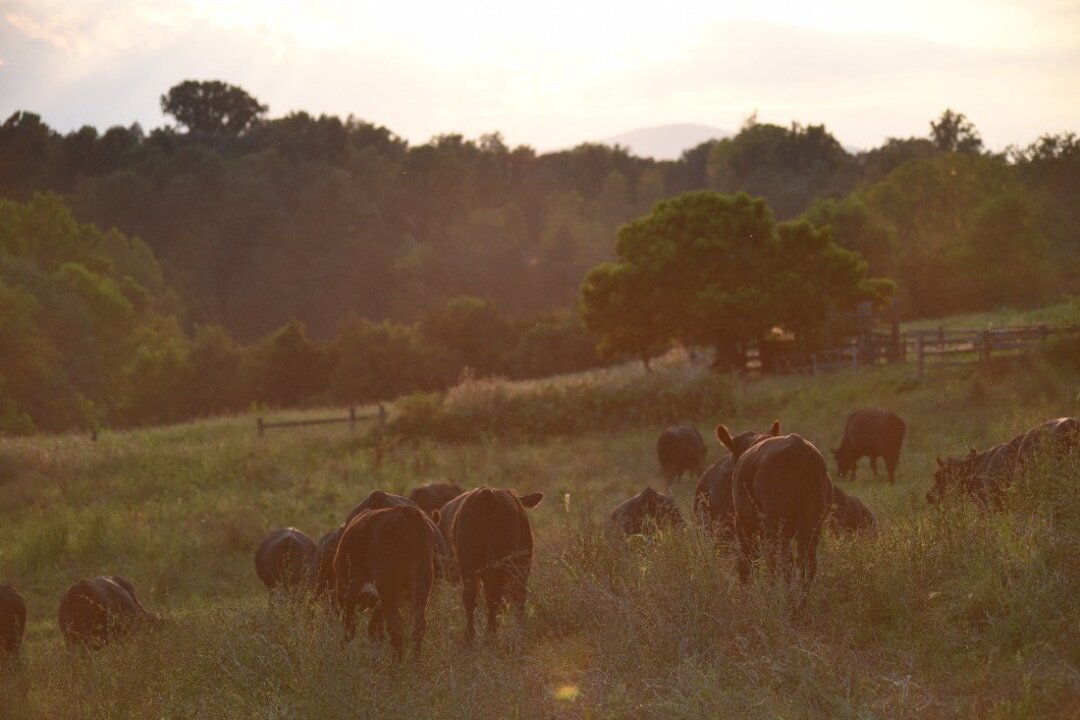
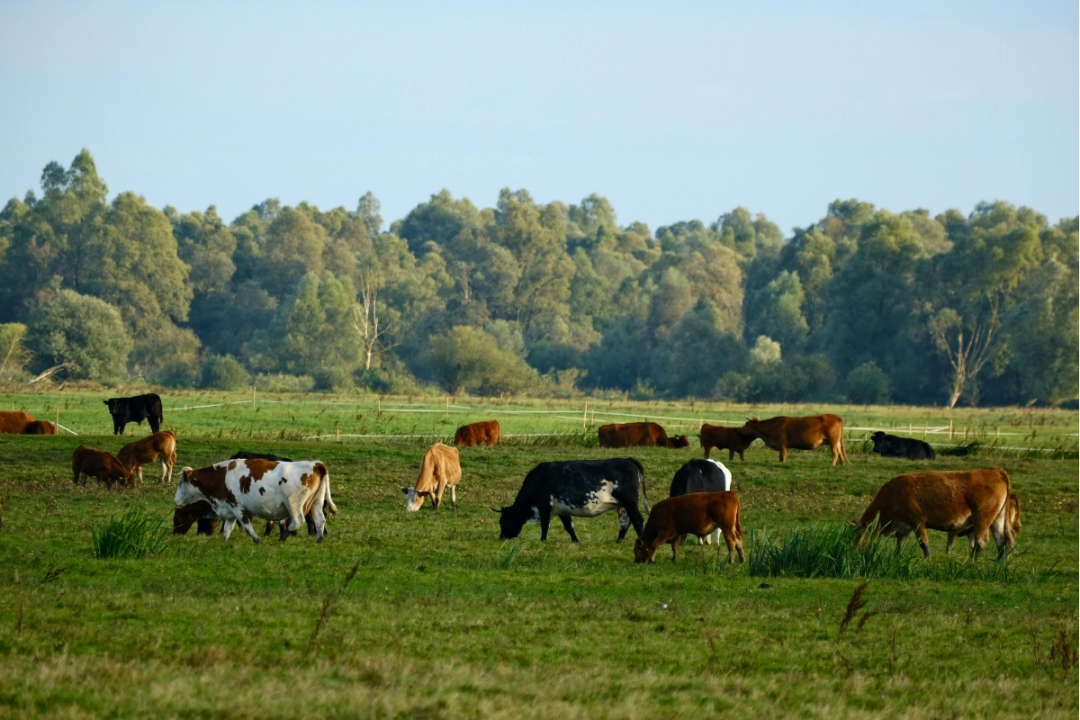
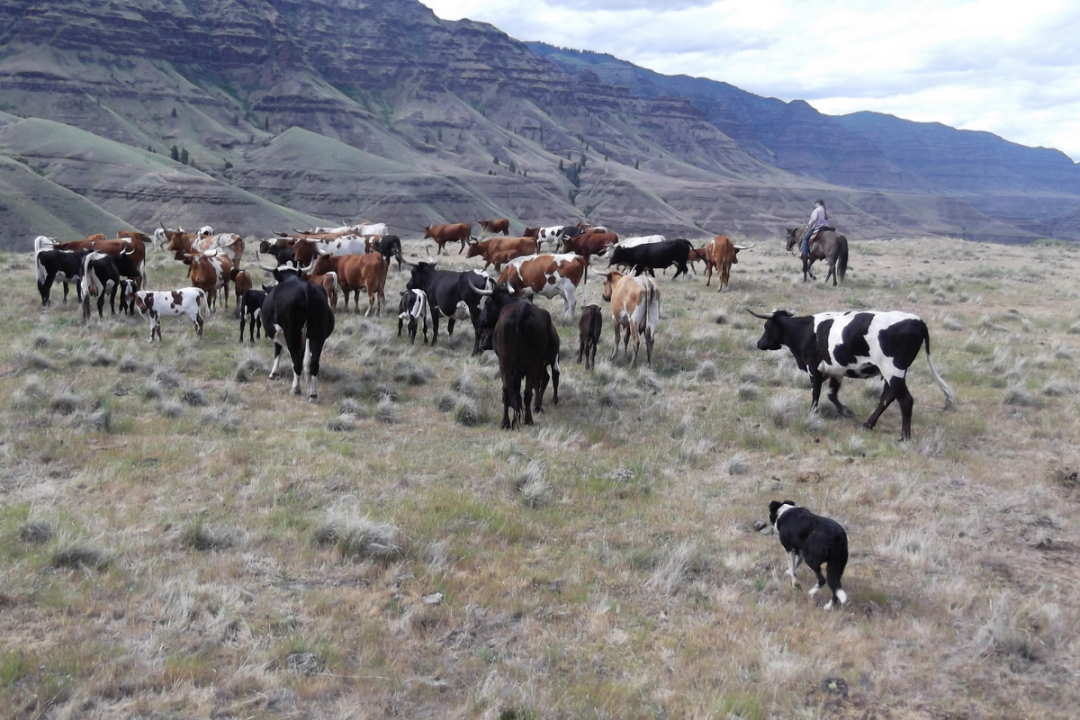
Regenerative grazing practices in Texas enhance watershed health by rotating livestock across pastures, these methods improve soil structure, increase water infiltration, and reduce runoff, leading to cleaner waterways and more resilient ecosystems.
Amanda Henderson
Senators Ben Ray Luján (D-NM) and Jerry Moran (R-KS) have reintroduced the Farmer-to-Farmer Education Act (S. 1769).
Samantha Levy
Olivia Fuller