AFT Launches Beef Producer Economic Resilience Initiative
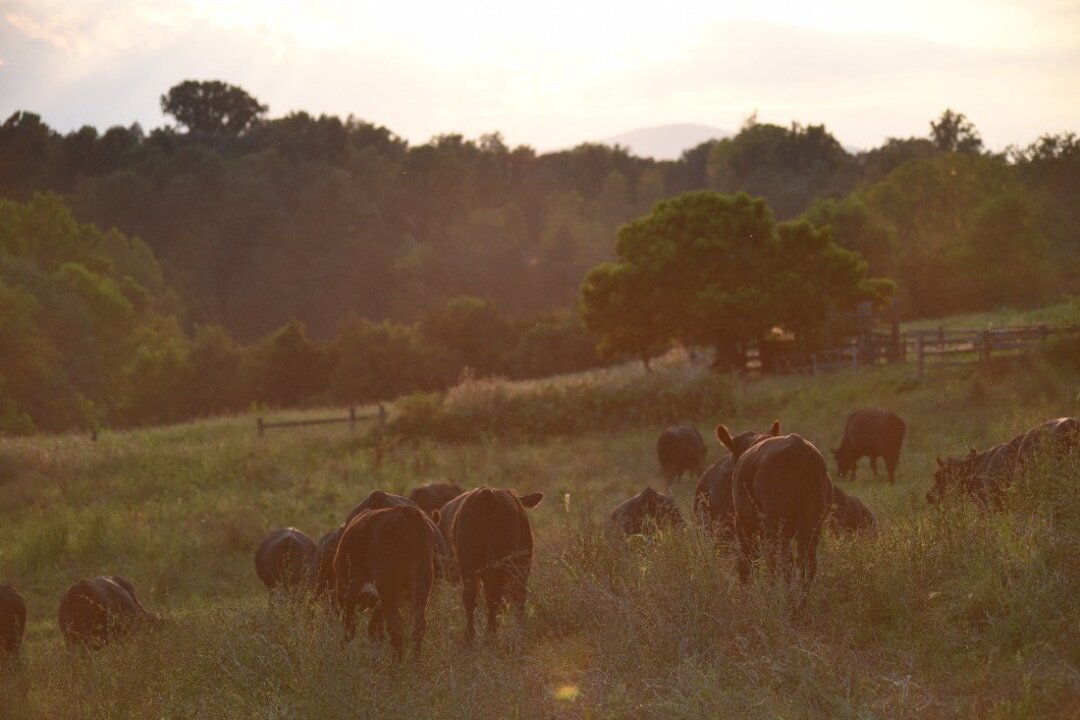
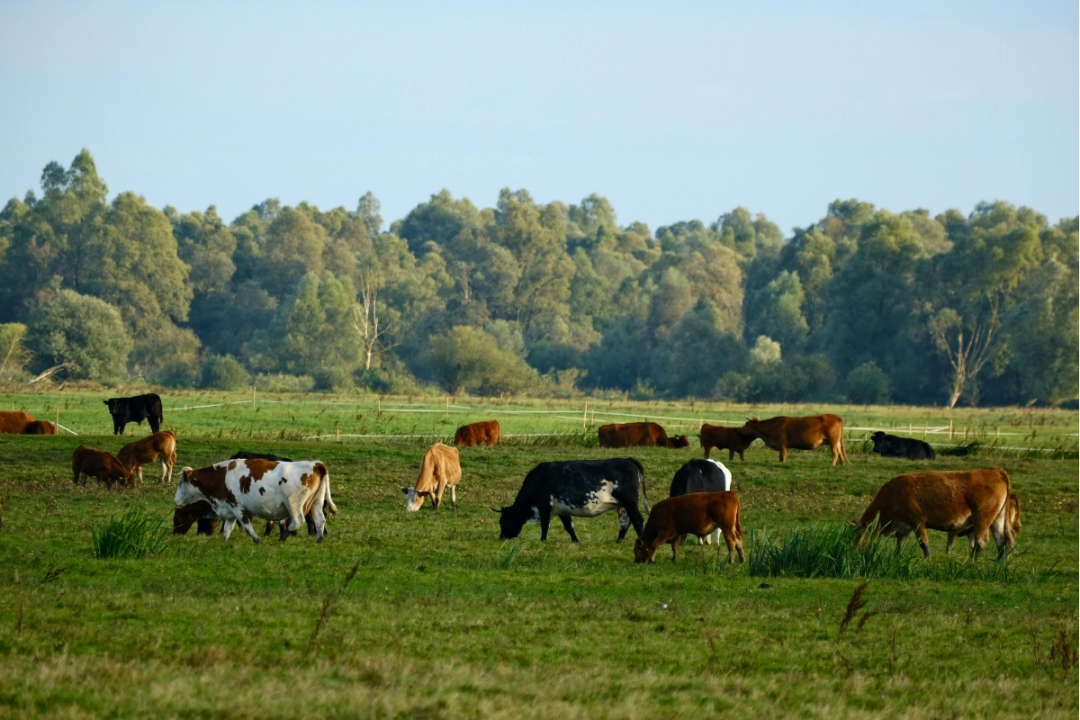
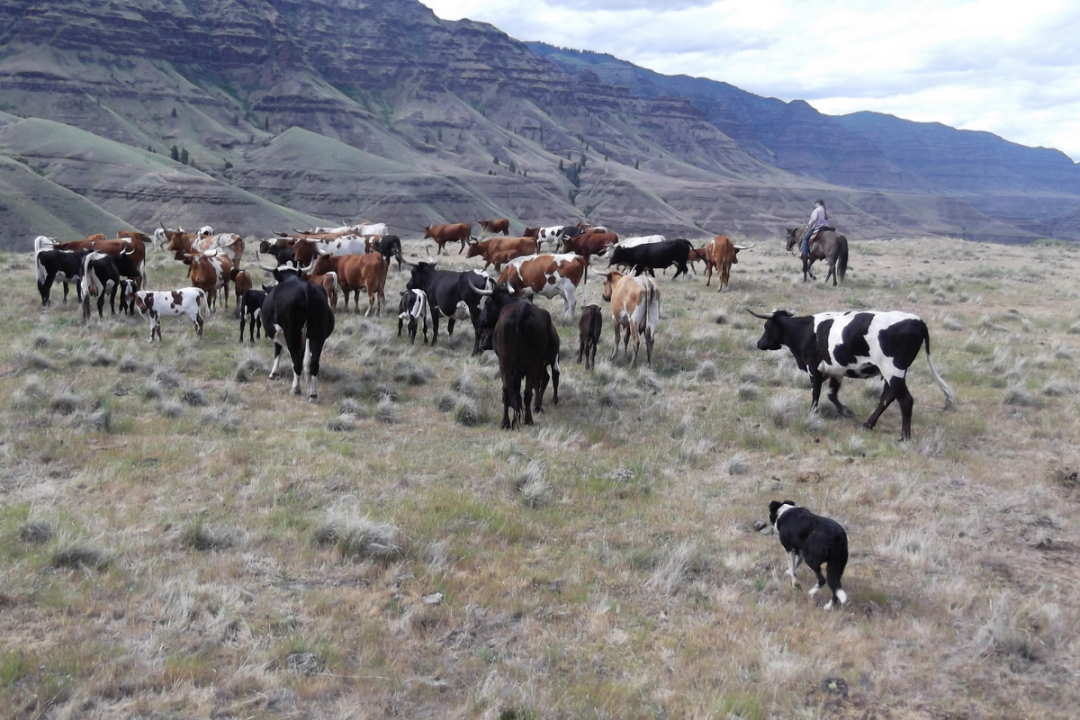
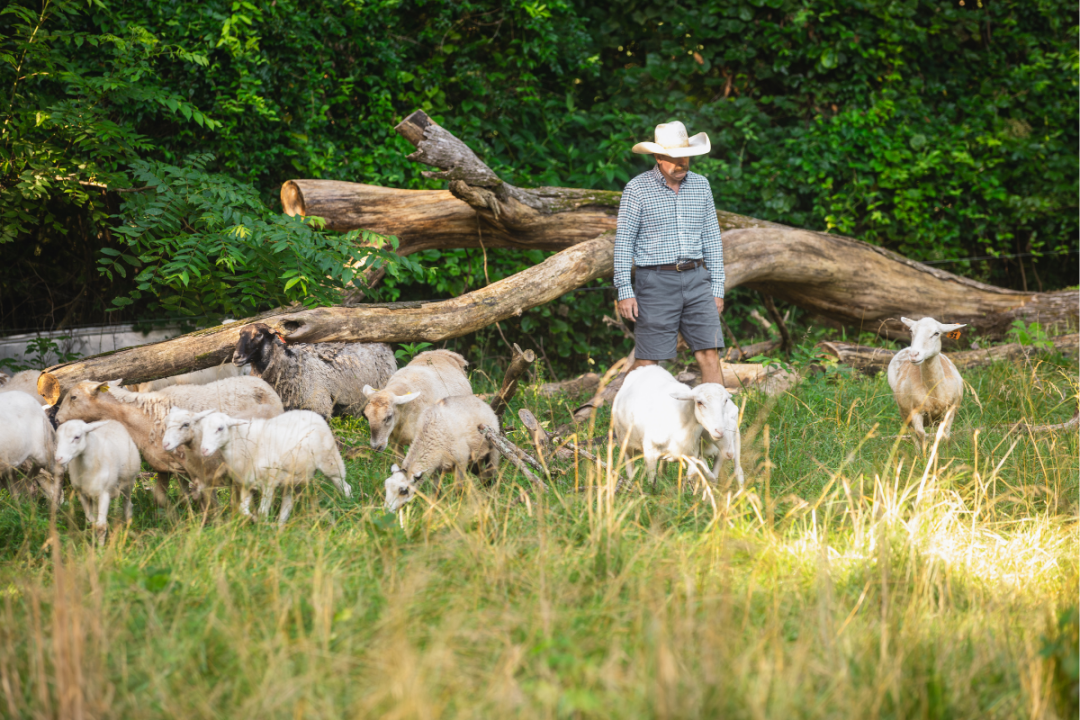
AFT’s Beef Grazing Network is launching a redesigned Beef Producer Economic Resilience Initiative, now part of USDA’s Advancing Markets for Producers program.
The Farm Bill discussion draft text released this week by Chairman Boozman would make critical improvements to USDA conservation programs to better serve farmers, ranchers, and landowners.
AFT Applauds Introduction of the Bipartisan American Food Supply Chain Resiliency Act
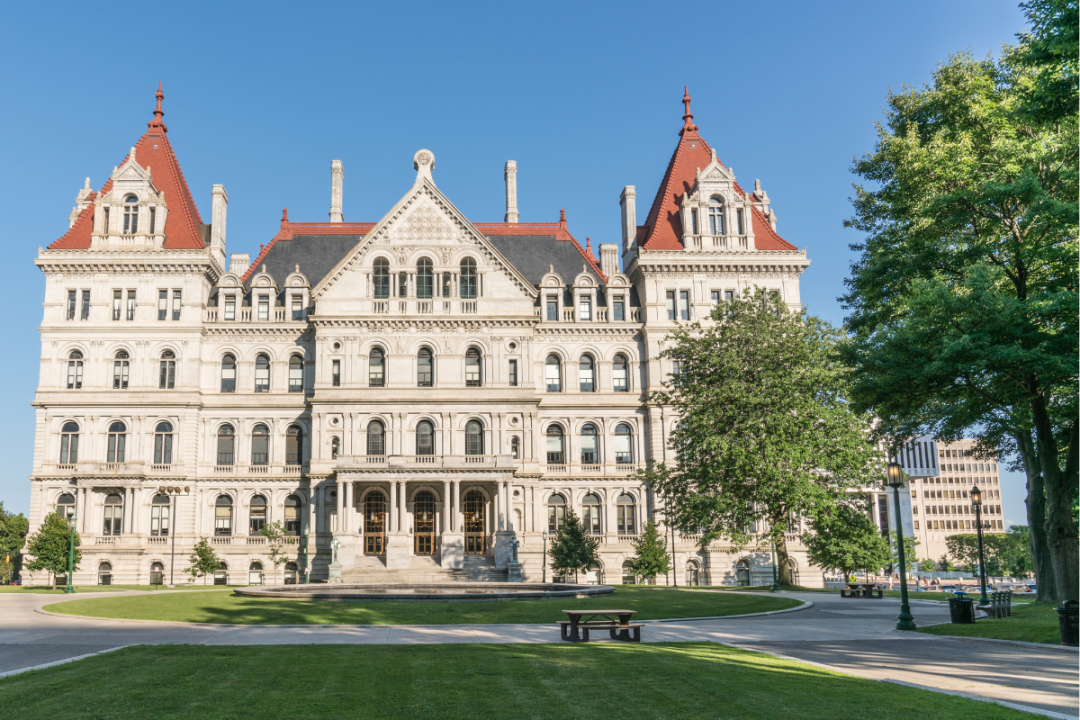
American Farmland Trust (AFT) applauds Governor Kathy Hochul and the New York State Legislature for enacting a final FY 2026–27 state budget that delivers meaningful, sustained investments in farmland protection, farm viability, climate resilience, and local food systems across New York.
American Farmland Trust has named Julia Valliant as Director of the national Farms for a New Generation team, where she will lead efforts to increase access to land and capital for the rising generation of farmers and ranchers and support elder farmers and landowners in transferring their farms with dignity and confidence.
AFT Applauds Introduction of the Bipartisan American Food Supply Chain Resiliency Act
Highlighting a recent policy update that offers a perspective on our work to advance farmland protection and support agricultural viability across Washington State in 2026.
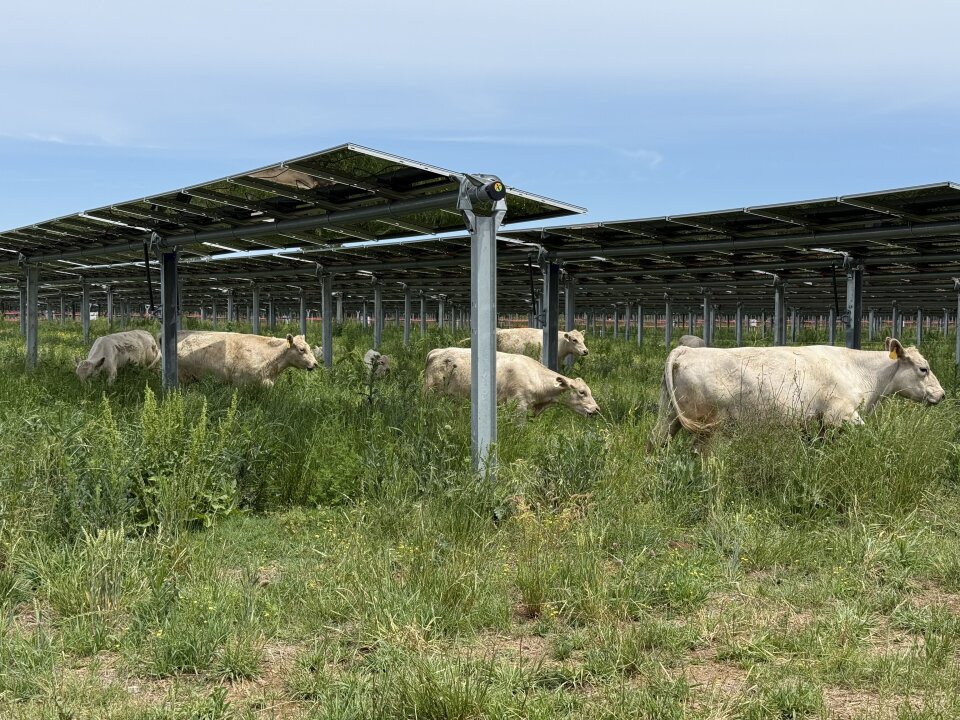
Discover how agrivoltaics is transforming Texas agriculture by combining solar energy production with livestock grazing, hay production, and new opportunities for farmers and ranchers. Learn how innovative solar projects can improve land access, strengthen rural economies, and help preserve working lands across Texas.
Highlighting a recent policy update that offers a perspective on our work to advance farmland protection and support agricultural viability across Washington State in 2026.
This winter, I hosted a series of informal “virtual coffee chats” with farmers across Illinois. These conversations started with a simple goal: to provide ongoing agronomic support to farmers participating in ADM’s re:generations™ program in Illinois. Through its partnership with ADM, American Farmland Trust works directly with producers to offer agronomic advice and support as they adopt and expand their use cover crops, reduced tillage, and other soil health practices.
As the Midwest Policy Manager for American Farmland Trust, I work with a wide array of individuals and organizations, all bringing their own priorities and perspectives to the proverbial table. In a policy landscape where time, attention, and funding are limited, finding initiatives that resonate across that diversity can be challenging.
Discover how innovative land succession strategies like Buy-Protect-Sell Plus are helping preserve farmland, support retiring landowners, and create affordable access for the next generation of farmers. Learn how conservation easements, public funding, and long-term farm viability planning can keep agricultural land protected and productive for generations to come.
American Farmland Trust’s Midwest Deputy Director, Jean Brokerish, honors the often-unseen women whose daily labor, resilience, and care keep family farms running generation after generation.
Discover how a dedicated Wisconsin farming couple overcame land access challenges to build a thriving, community-focused farm with the help of innovative programs and partnerships. This inspiring story highlights resilience, sustainable agriculture, and the journey from renting land to achieving long-term farm ownership.
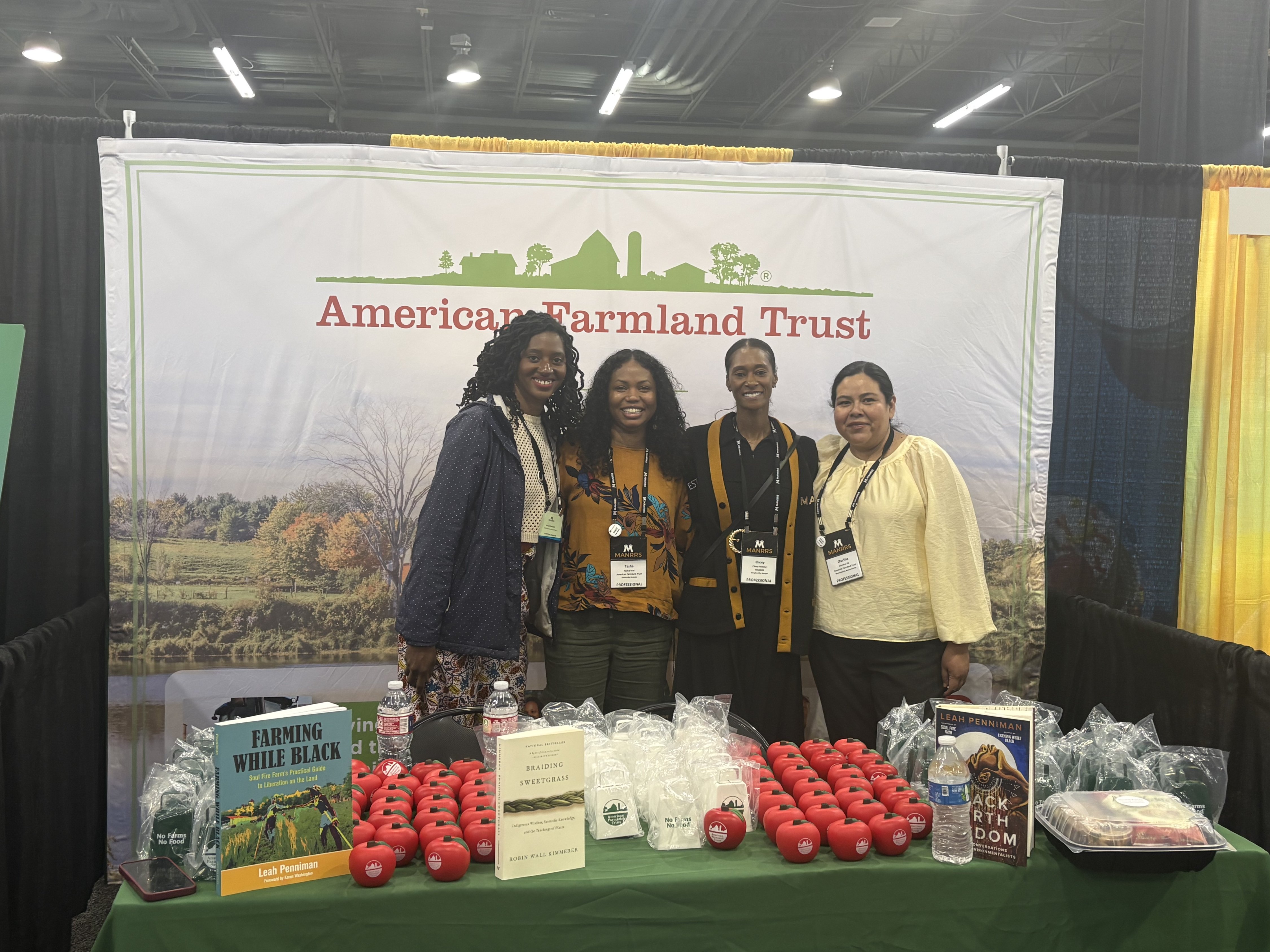
In April, three AFT staff celebrated MANRRS’ 40th year at their “Leadership to Legacy Annual Training Conference and Career Expo” in Dallas, Texas. AFT’s Anel Trujillo, Nicole Gwishiri, and Tasha Wei hosted hands-on trainings and a booth at the conference career expo, which was attended by conference founders and thousands of students from across the country.
Farmers and farm workers gathered to discuss cover cropping strategies at Sungrounded Farm in the high desert of Terrebonne, Oregon, this past March.
Agricultural producers and advisors are working together to navigate generational farm transitions.
Colorado is testing whether food and energy can truly grow together — from vineyard agrivoltaics at CSU to the first commercial fruit-orchard project at Talbott Farms. Four takeaways from 1,000 miles of conversations with farmers, co-ops, and county officials on what it will take to scale.
I grew up in Illinois, and here you learn to notice what I like to refer to as “little” nature. Little nature doesn’t demand your attention in the same way as more dramatic and grand landscapes; you have to give it your attention. You see little nature in the evolution of prairie flowers across the seasons, in the subtle differences between the bee species that pollinate them, or in the hidden life of a creek bed. These are things you come to understand over time by paying attention.
Learn more on how Brad Buttrey helps farmers implement conservation practices that enhance soil health, improve water quality, and support human and non-human communities in Tennessee.
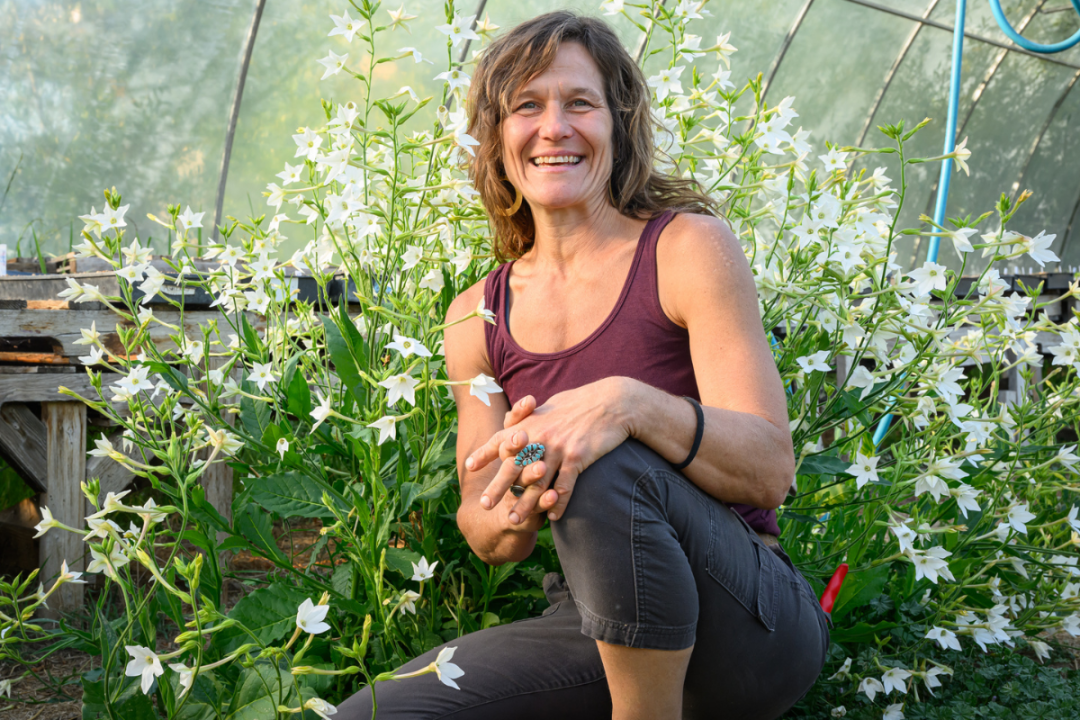
Bear Roots Farm in central Vermont is building climate resilience through diversified farming, perennial crops, soil health practices, and community support. Learn how this innovative farm is adapting to extreme weather while strengthening its business and local food system.
AFT’s Beef Grazing Network is launching a redesigned Beef Producer Economic Resilience Initiative, now part of USDA’s Advancing Markets for Producers program.
When conservation is captured in acres, not feet, how do we talk about the impact of urban farms within the agricultural ecosystem? I would argue one way is through ingenuity, creativity, and community impact. Most urban farms in the Midwest were not created solely focused on making a profit. The farmers have a strong desire to give back to their communities and the earth all while growing their small businesses. Last year, we profiled three urban farmers in and near Kansas City, Missouri who received micro-grants of $3,500 through a partnership between American Farmland Trust and a Kansas City-based urban agriculture non-profit, Cultivate Kansas City.
Virginia's new agrivoltaics definition marks an important milestone in the conversation about solar development and farmland. Drawing on farmer perspectives and AFT's Smart Solar℠ approach, this article explores what the legislation means for agriculture, energy, and rural communities.
AFT programs highlight peer learning for farmers committed to advancing conservation, land stewardship, and community resilience in their communities. This Farmer Profile is funded by the Natural Resources Conservation Service to highlight inspiring farmers who work to protect, steward, and manage U.S. farmland.
The Farm Bill discussion draft text released this week by Chairman Boozman would make critical improvements to USDA conservation programs to better serve farmers, ranchers, and landowners.
AFT Applauds Introduction of the Bipartisan American Food Supply Chain Resiliency Act
Learn how Crooked Porch Farm in Virginia uses high tunnels, soil health practices, EQIP funding, and farm grants to grow vegetables year-round while building a sustainable family farming business.
Discover how a childhood garden inspired a career in soil health, regenerative agriculture, and conservation. Learn how biochar, composting, and land stewardship can help farmers build healthier soils and more resilient agricultural systems.